Final project results: ZukunftGestalten@HM
2024: Circular Economy – Circular Society
The cross-faculty teaching project “ZukunftGestalten@HM” will focus on the theme of ‘Circular Economy – Circular Society’ in the summer semester of 2024.
In collaboration with practice partners, students from various departments are to develop concrete solutions that not only represent a systemic shift from a linear to a circular economy, but also offer concrete alternatives to the current throwaway society. Against the backdrop of increasing resource scarcity and current climate change, more sustainable consumption patterns and social practices are essential for breaking away from the linear logic of production and consumption and enabling circular thinking and action.
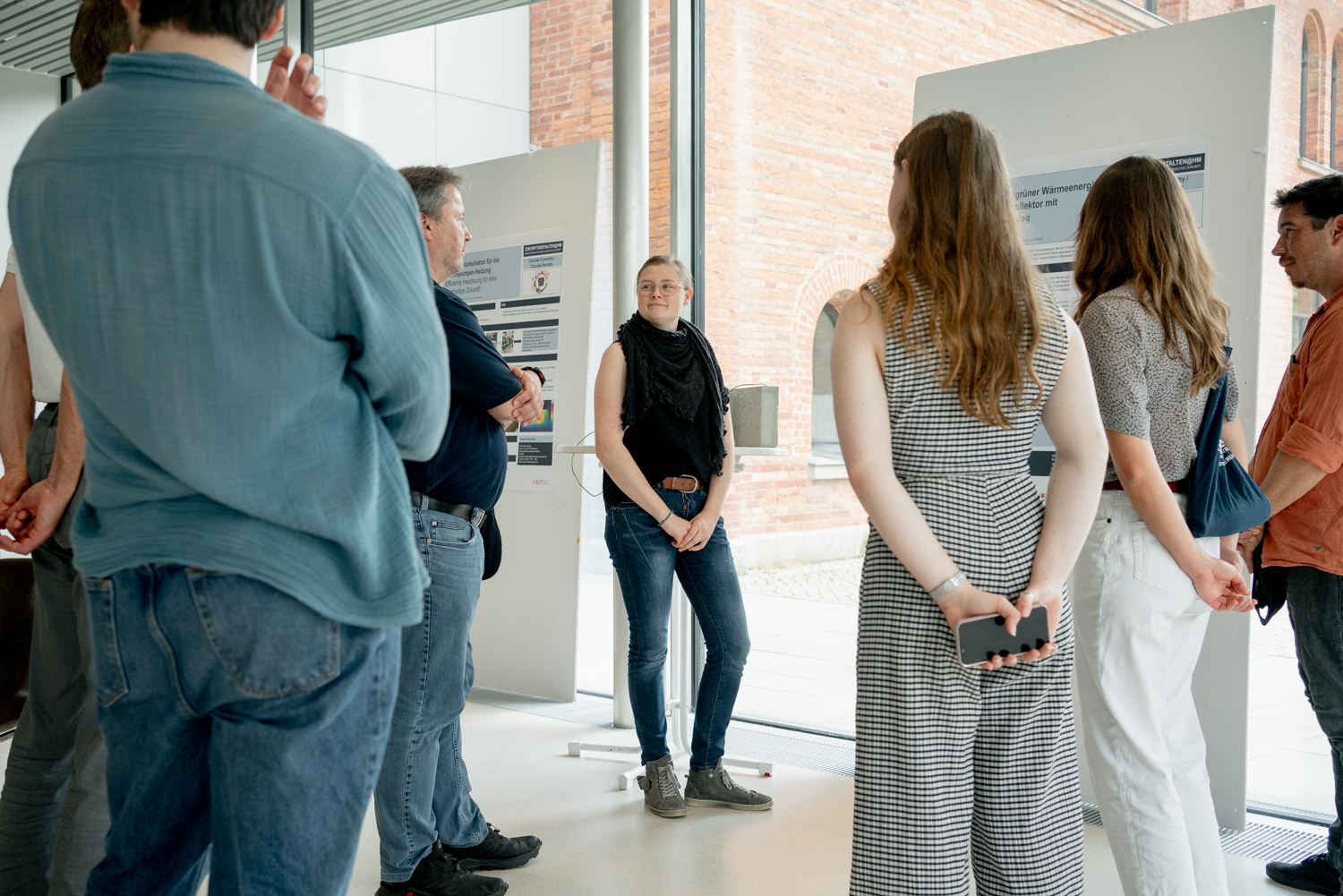
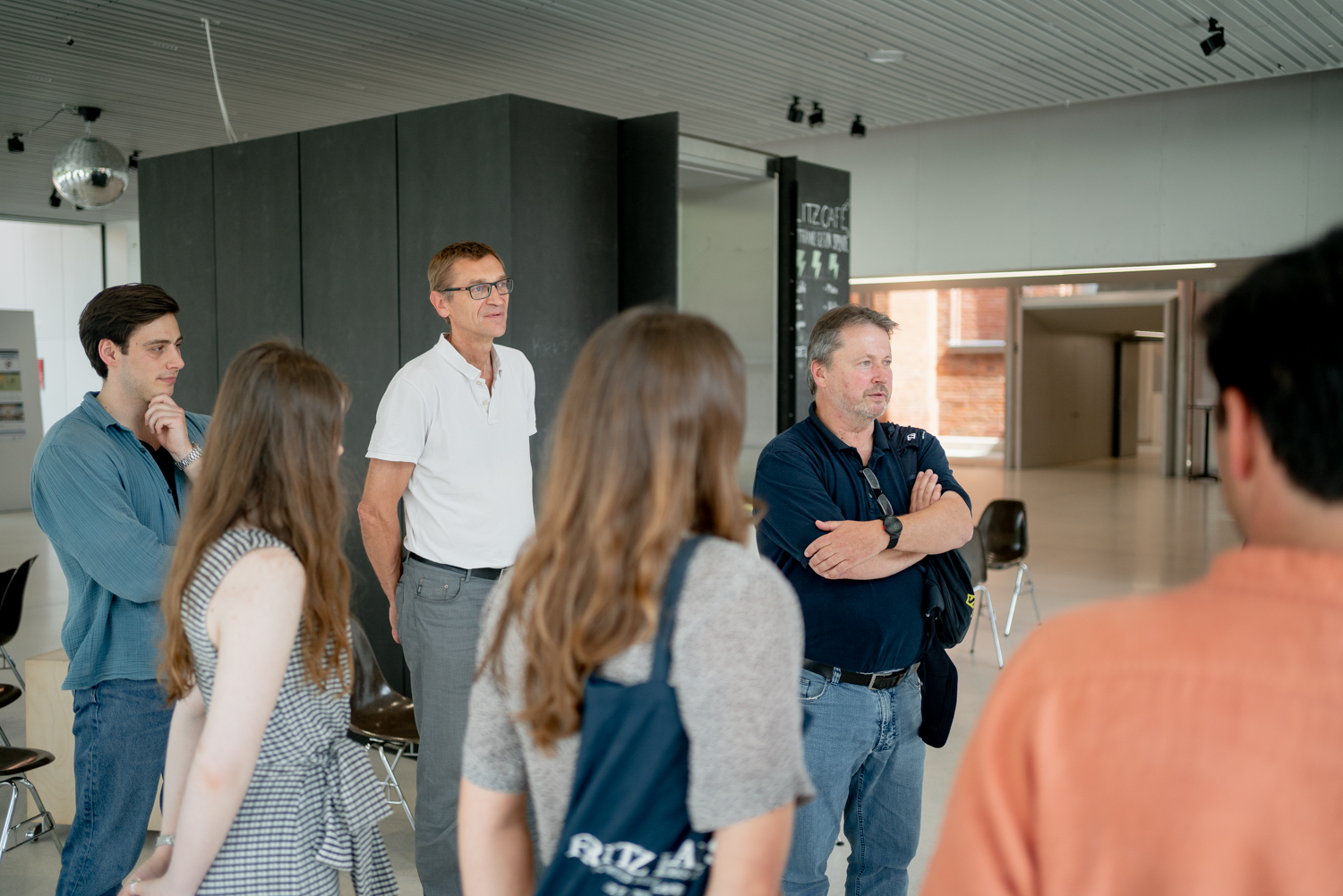
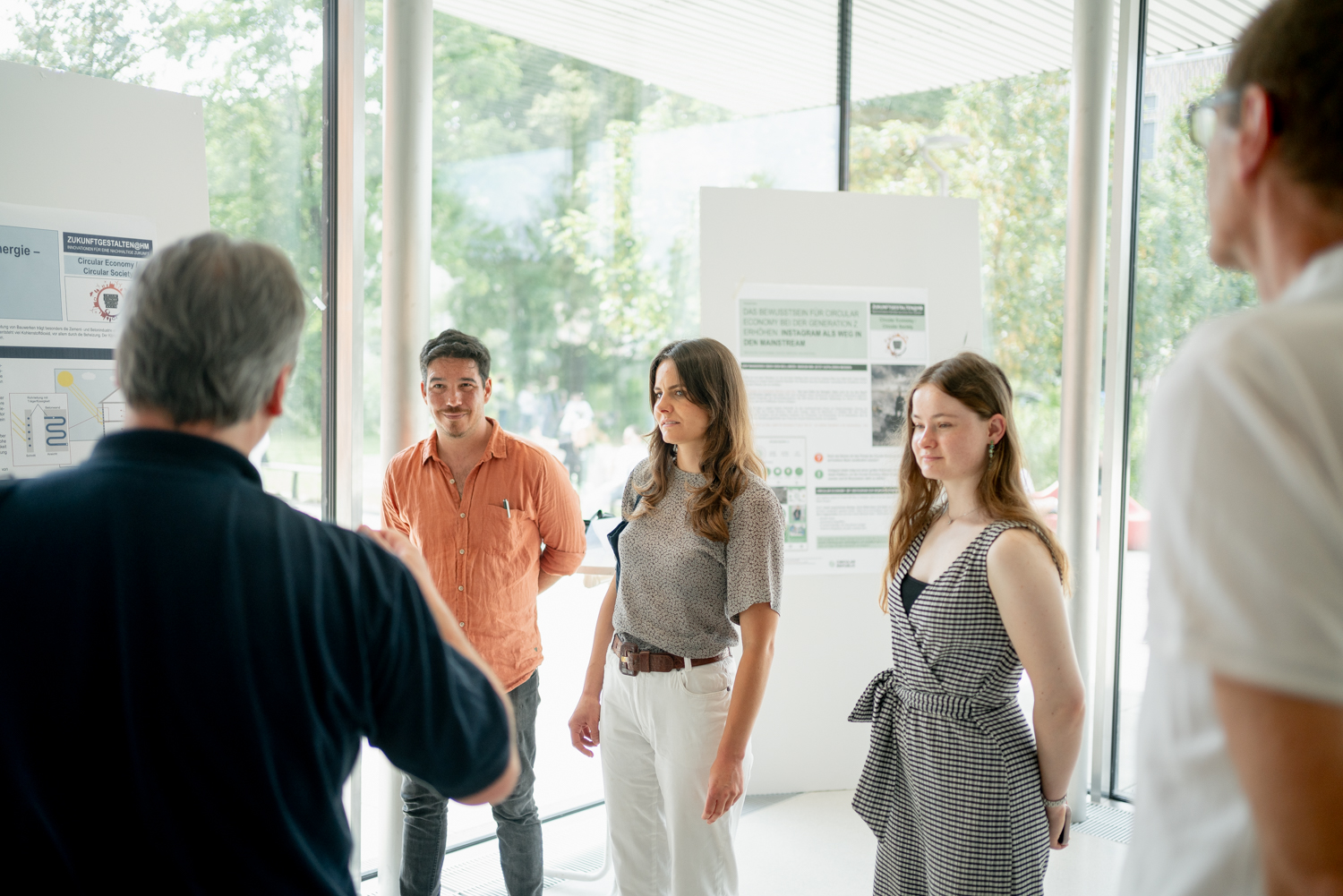
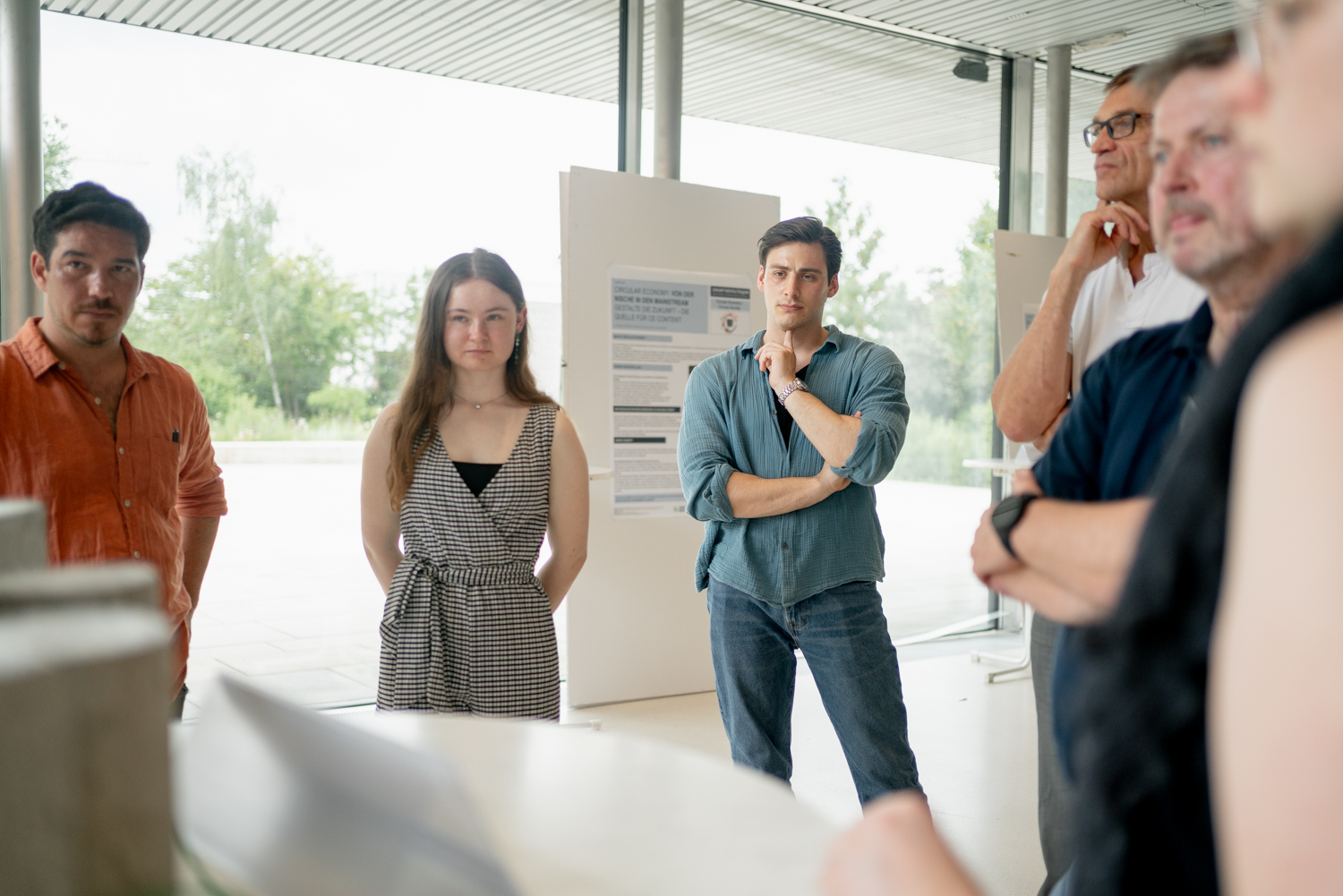
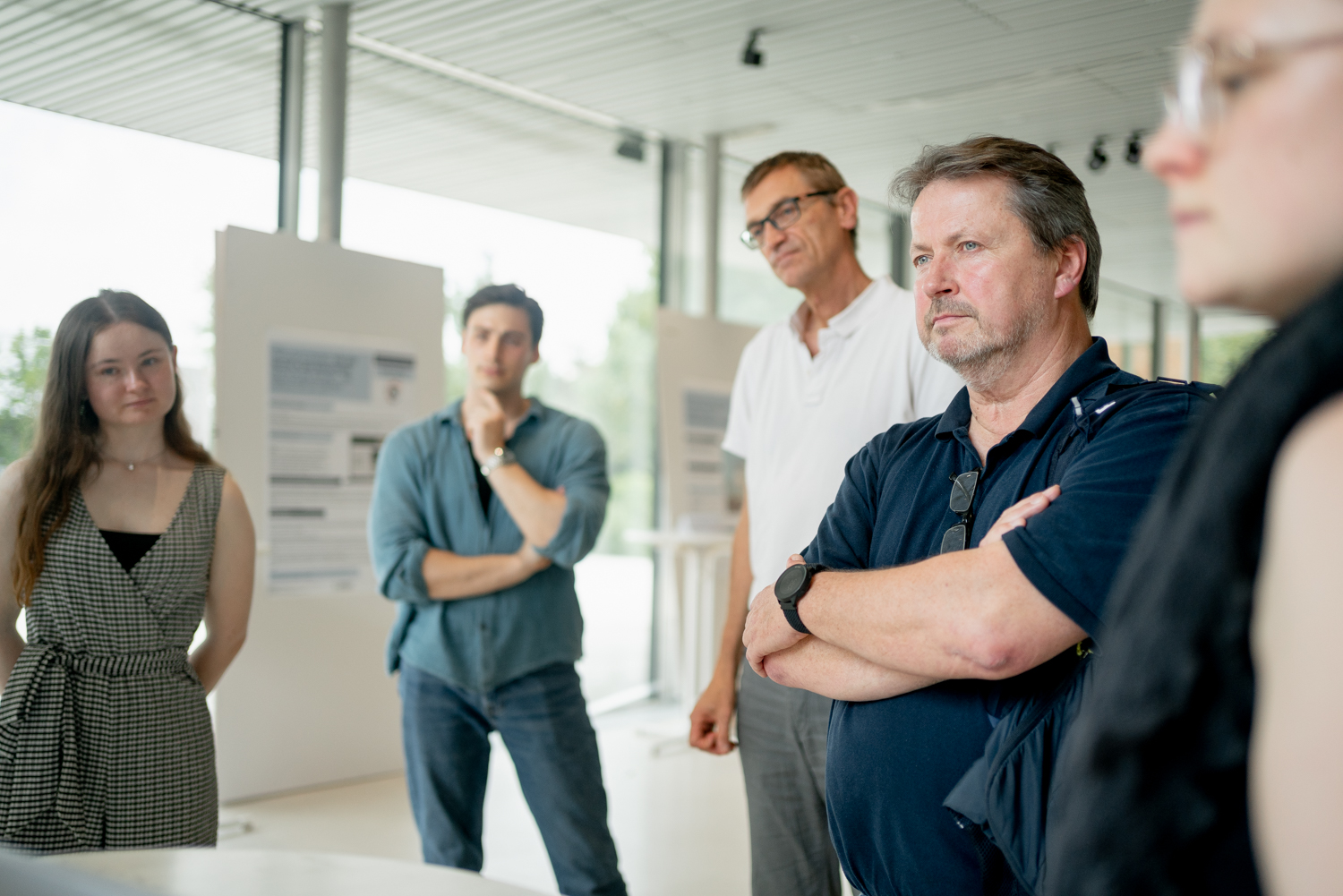
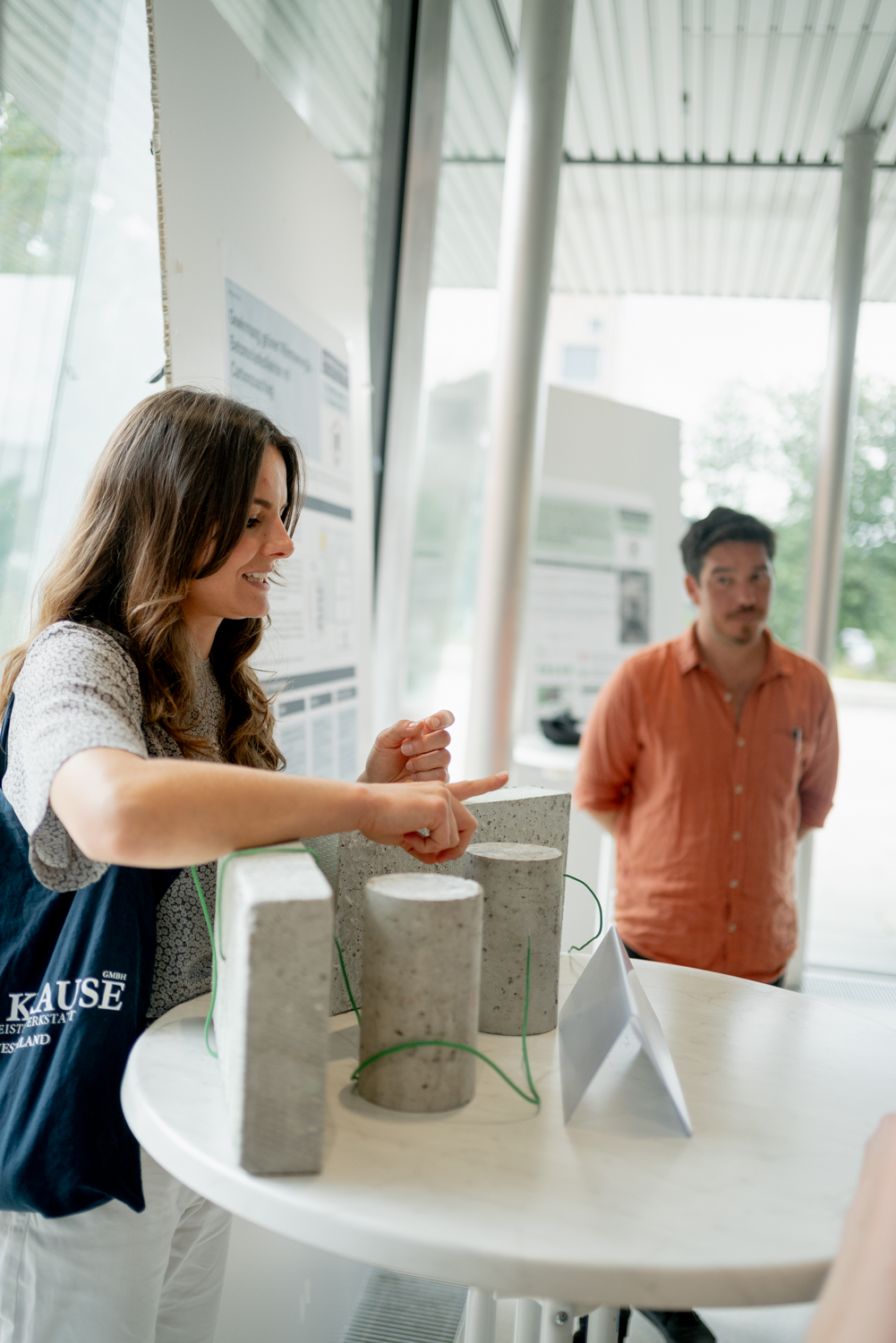
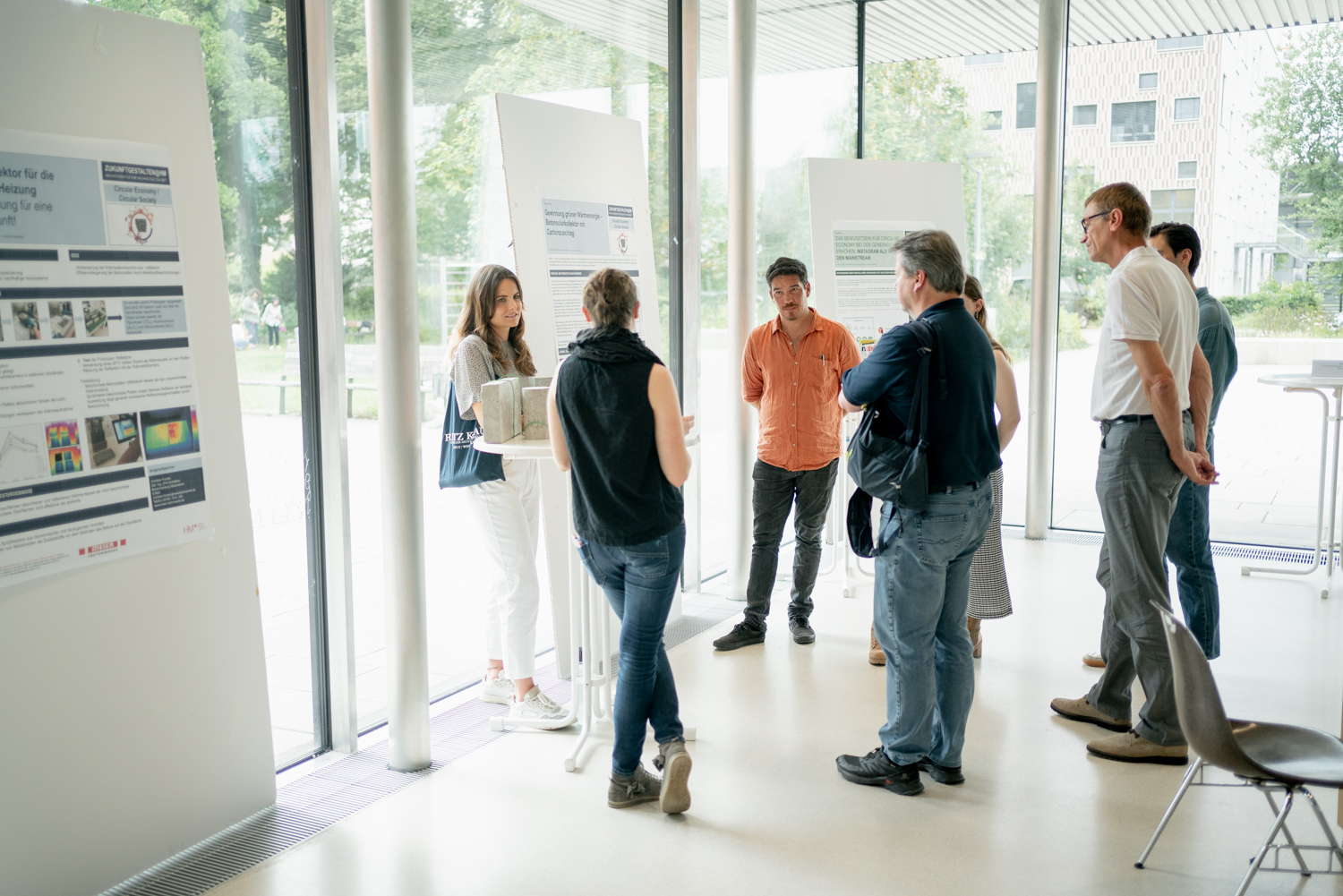
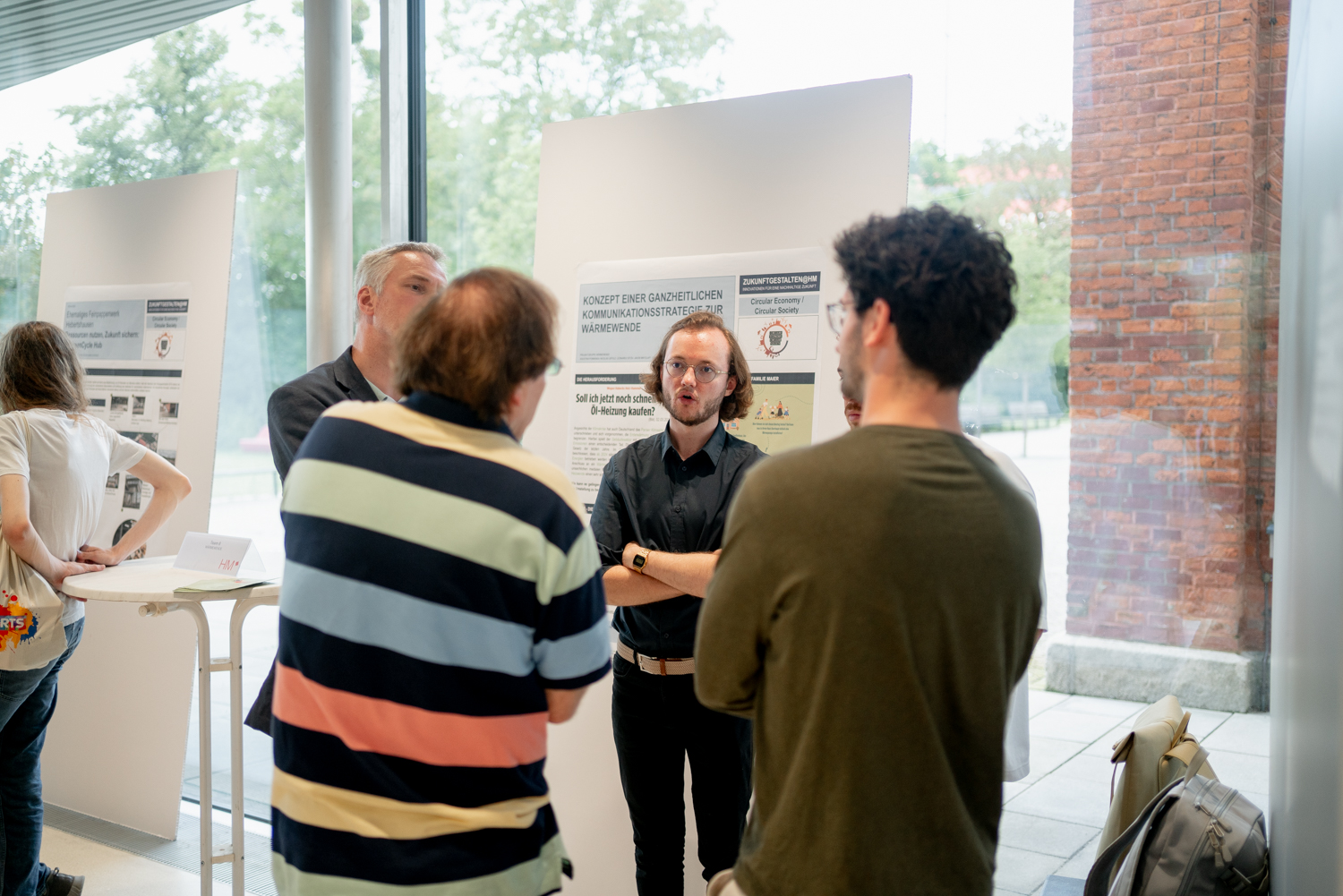
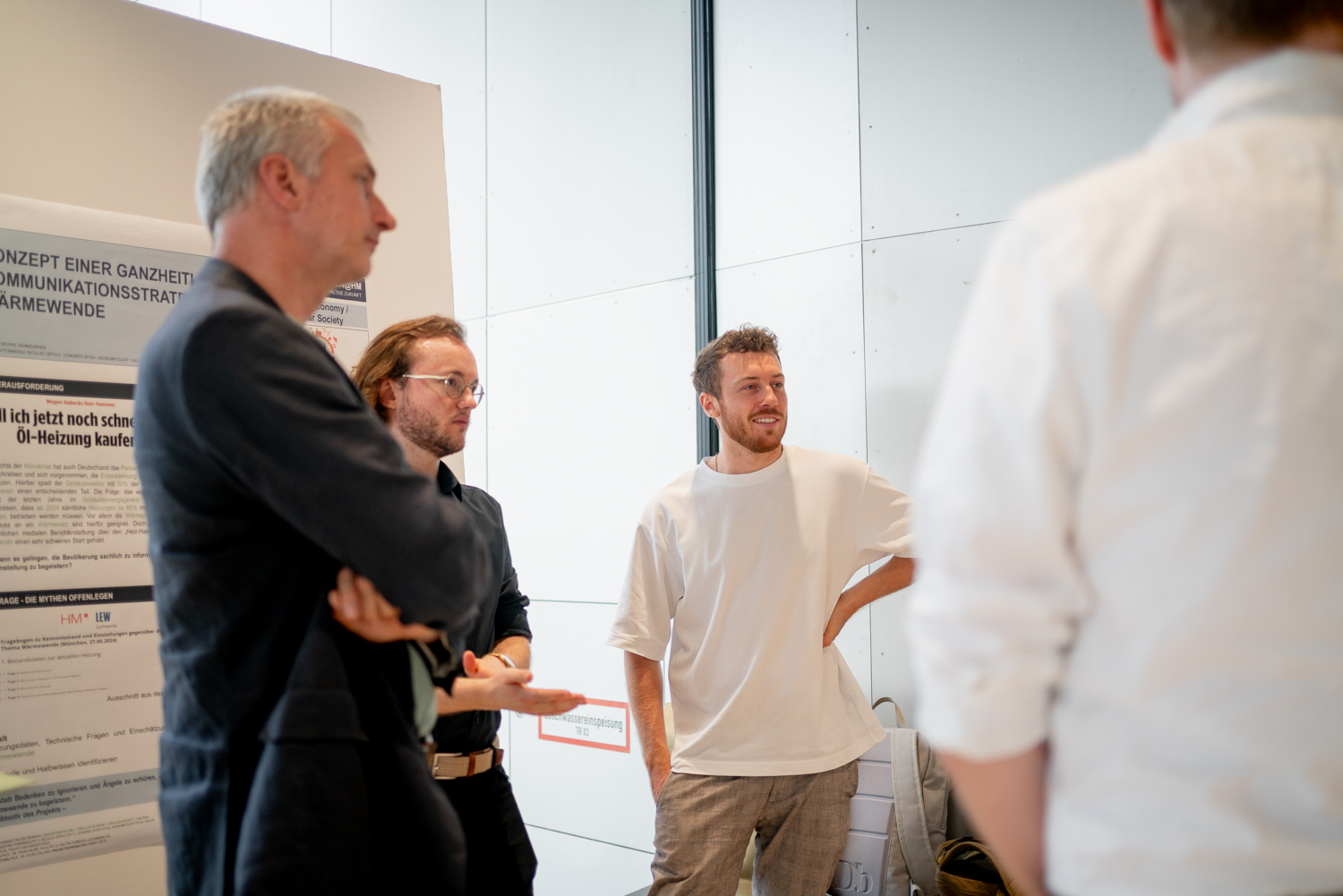
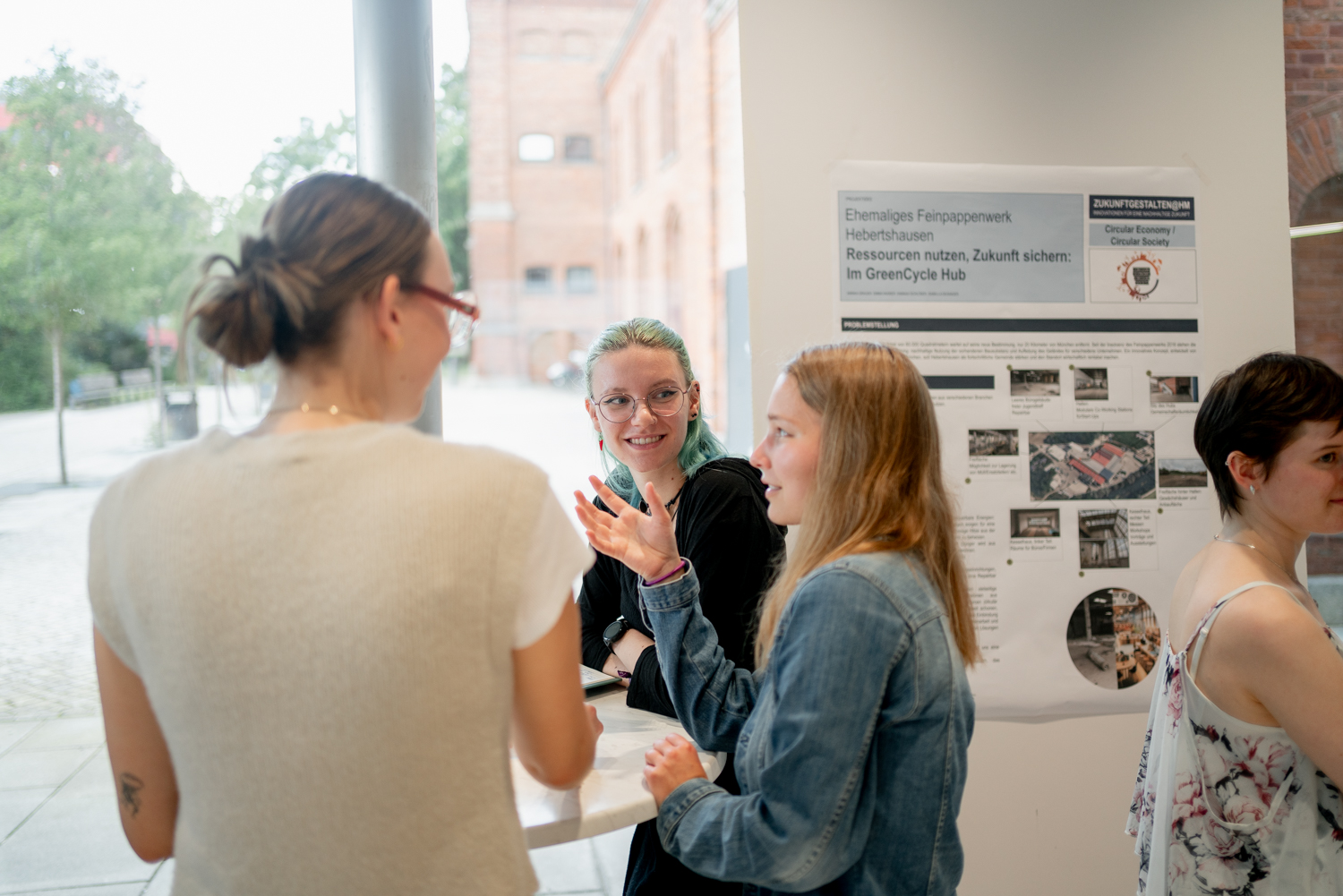
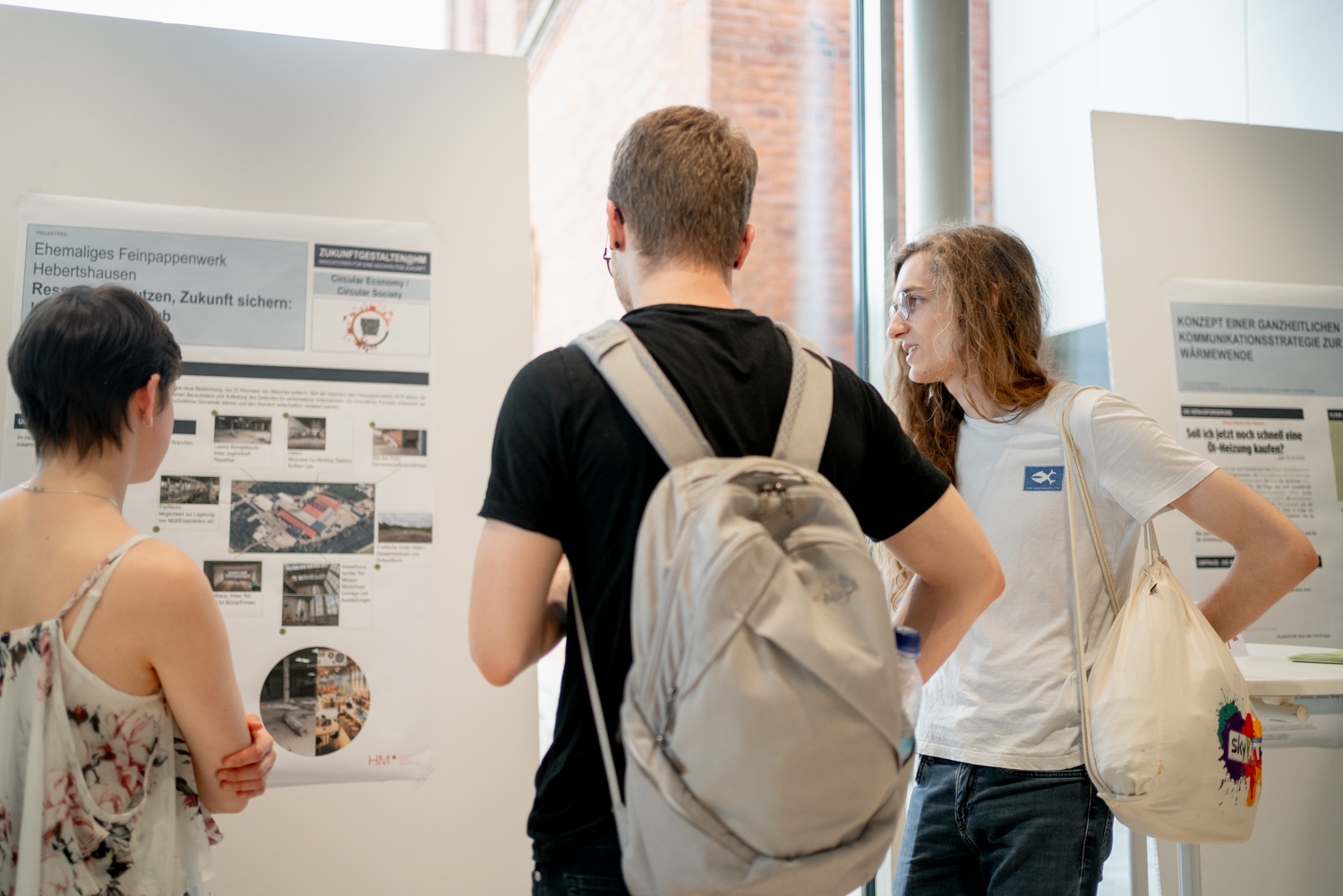
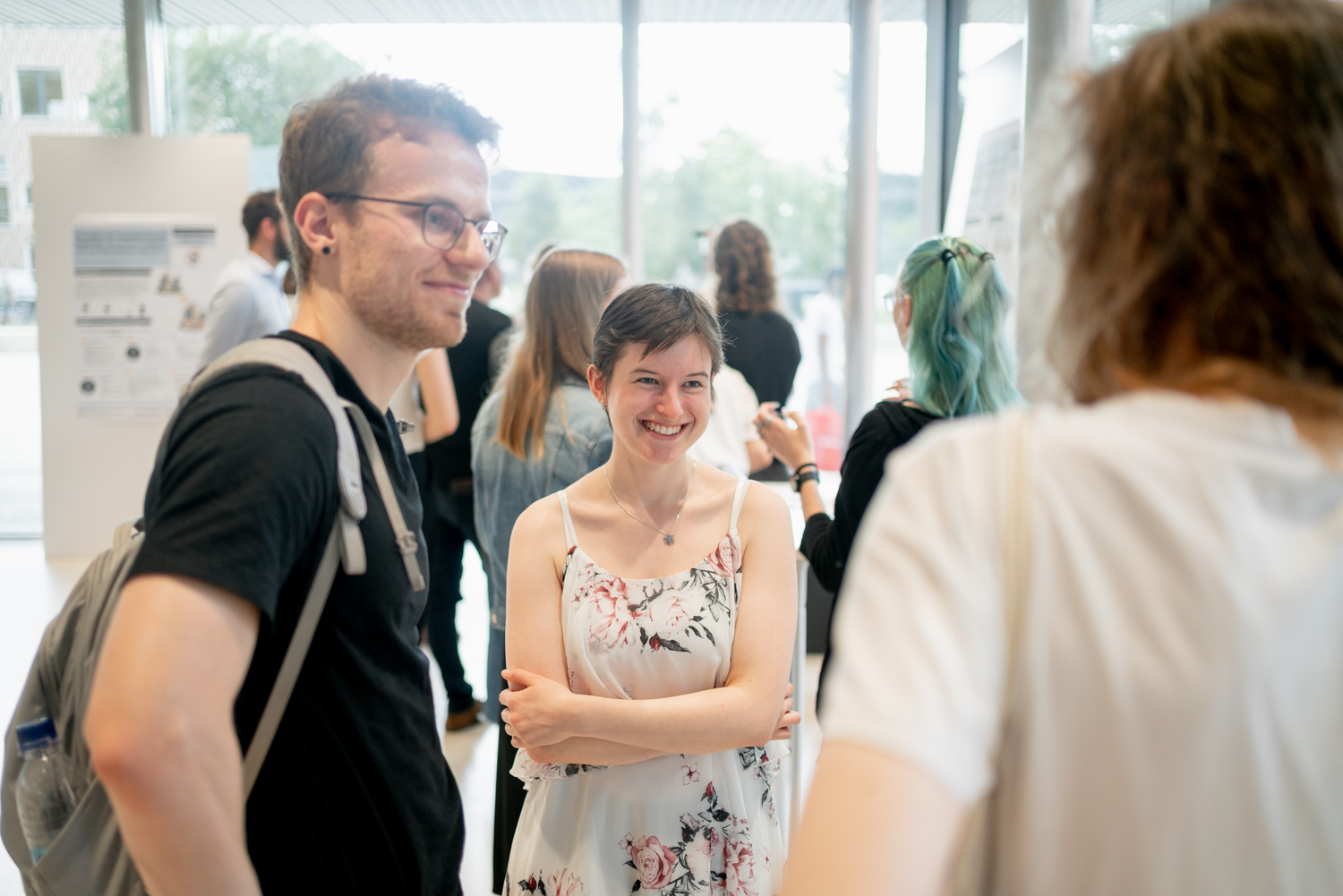
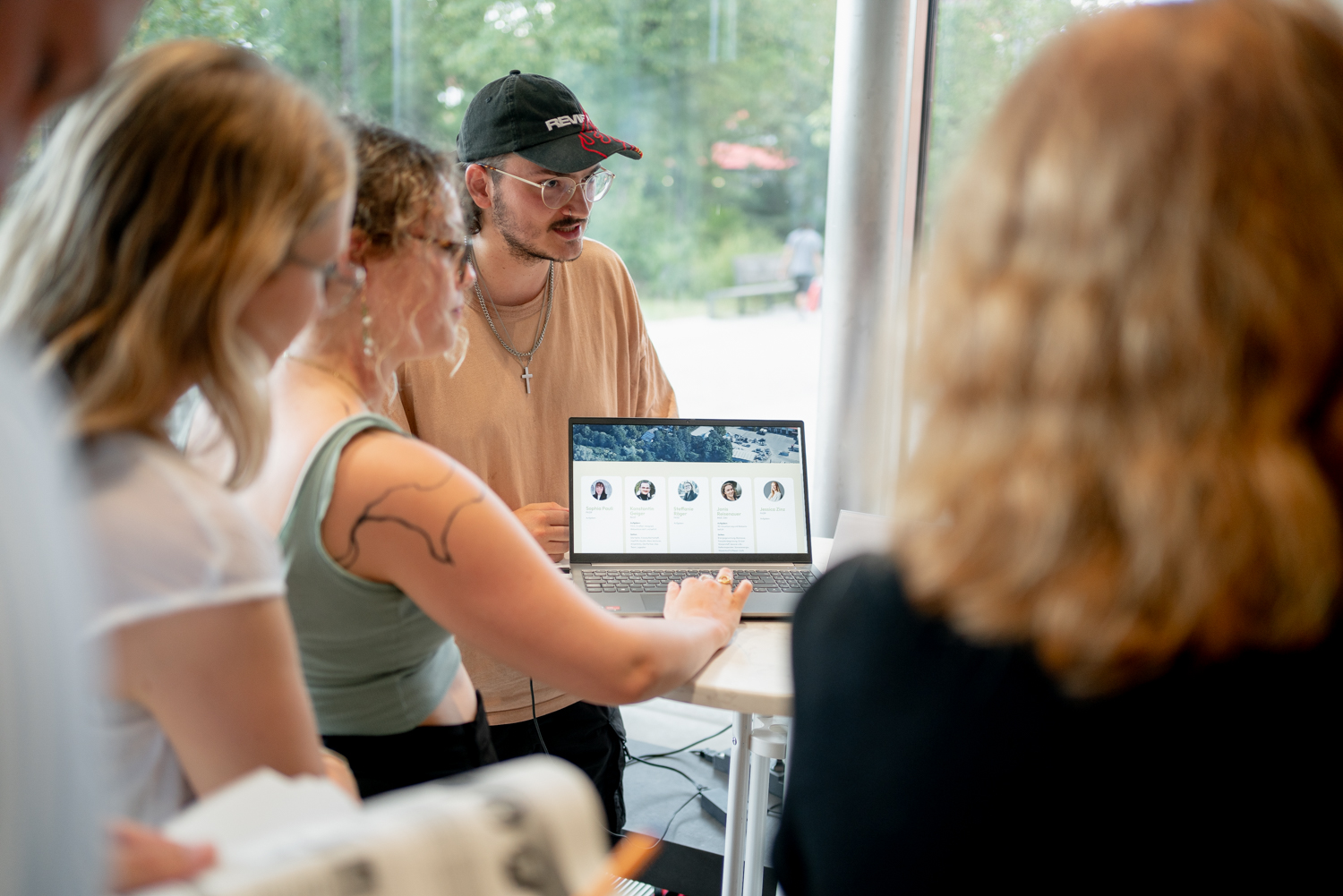
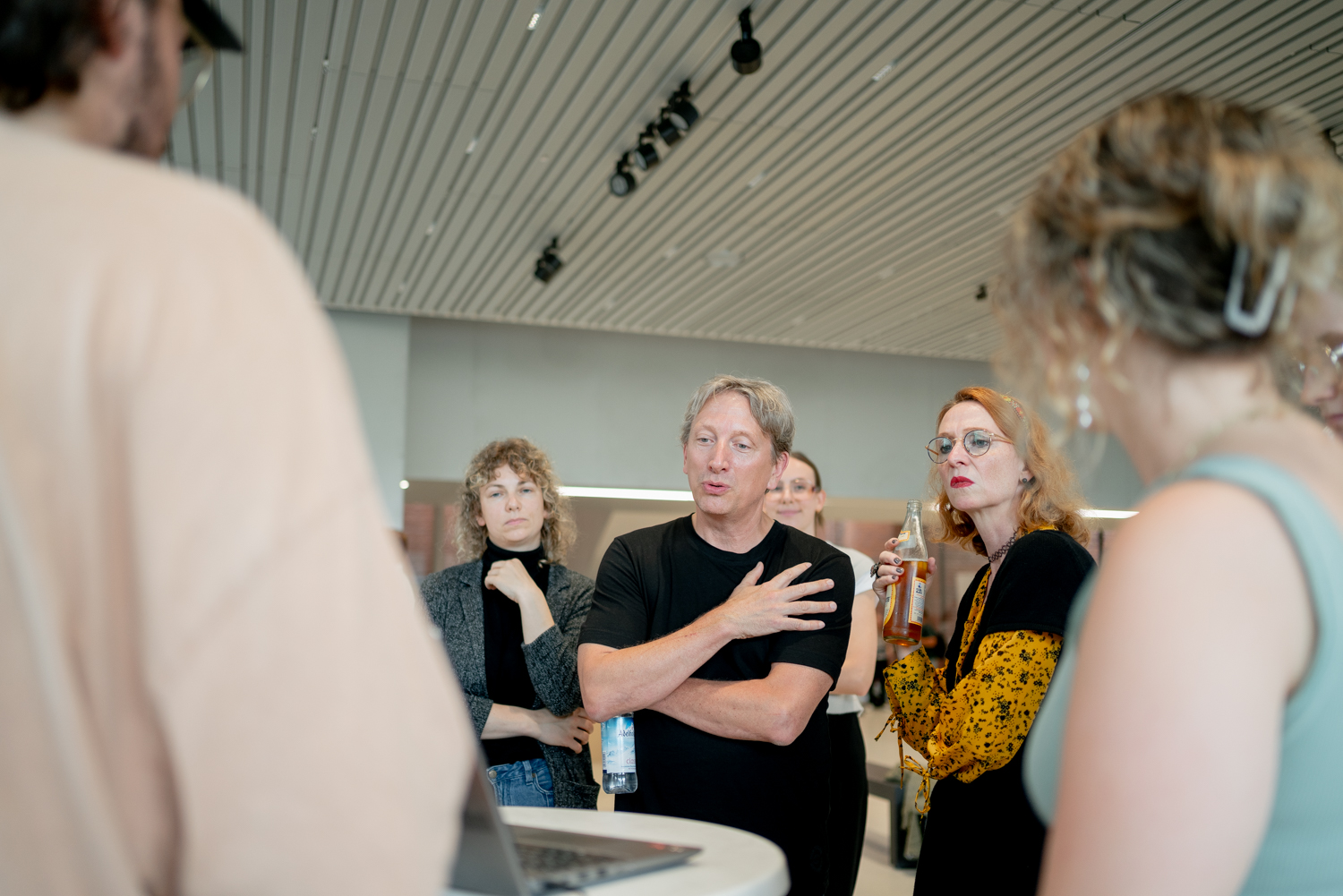
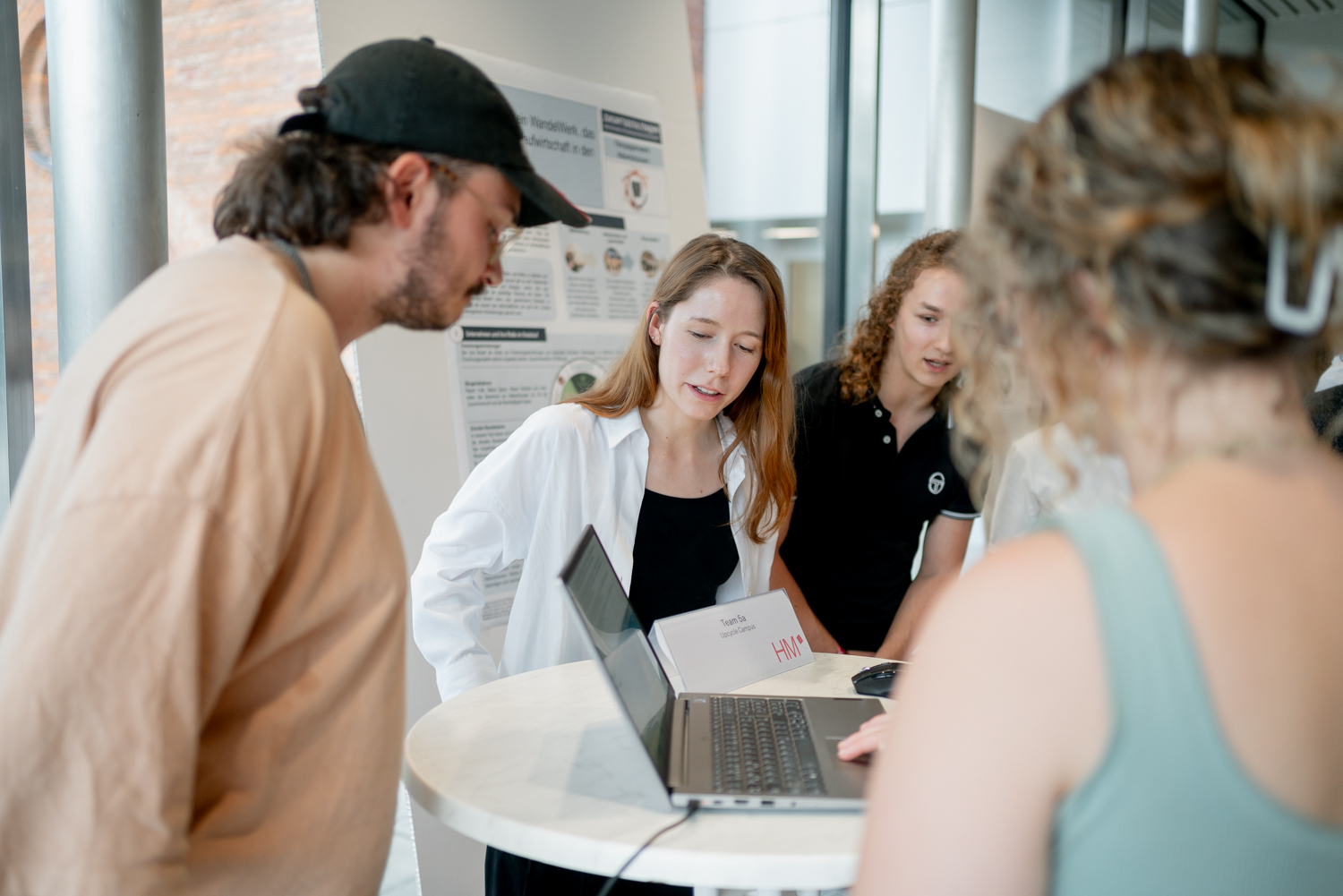
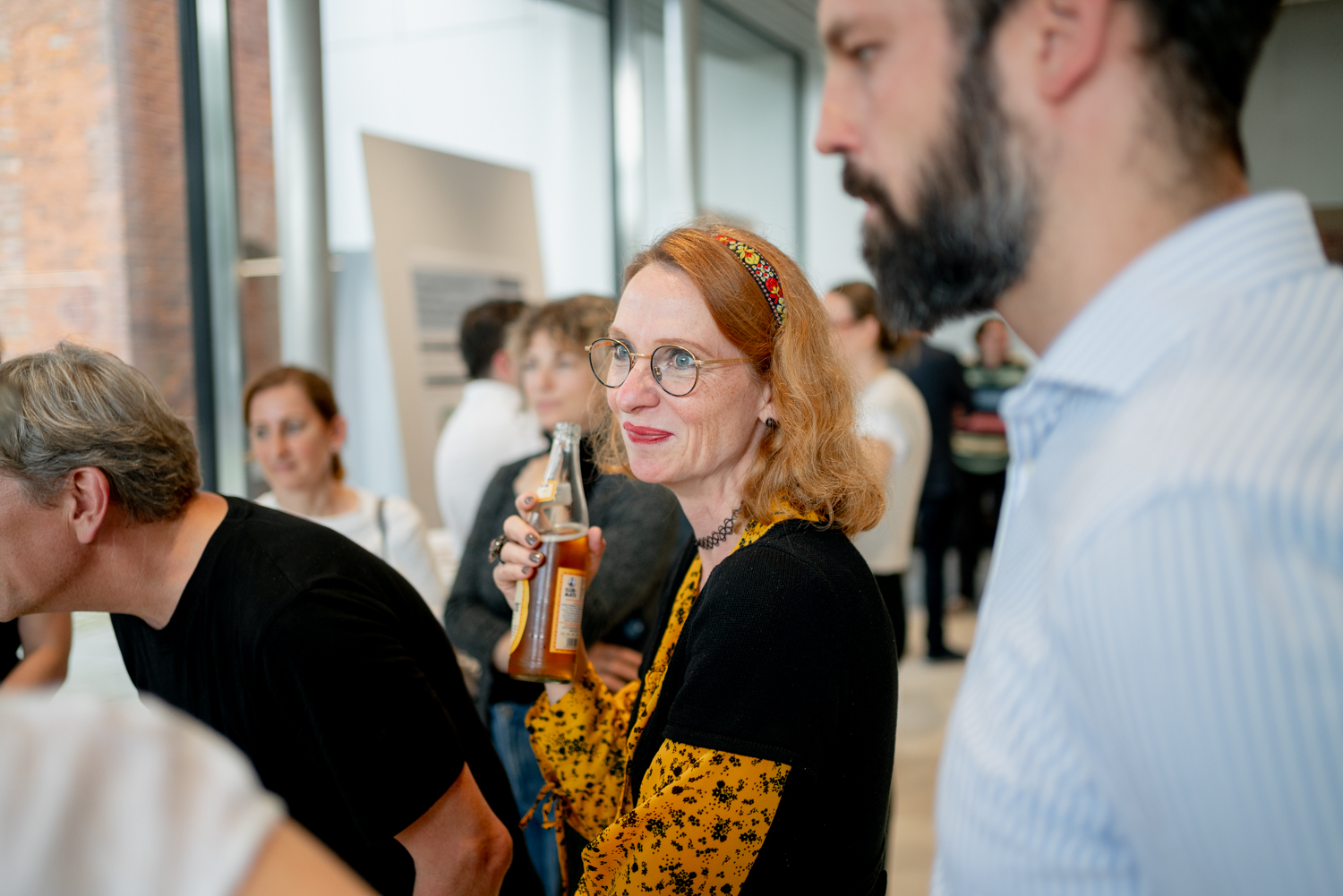
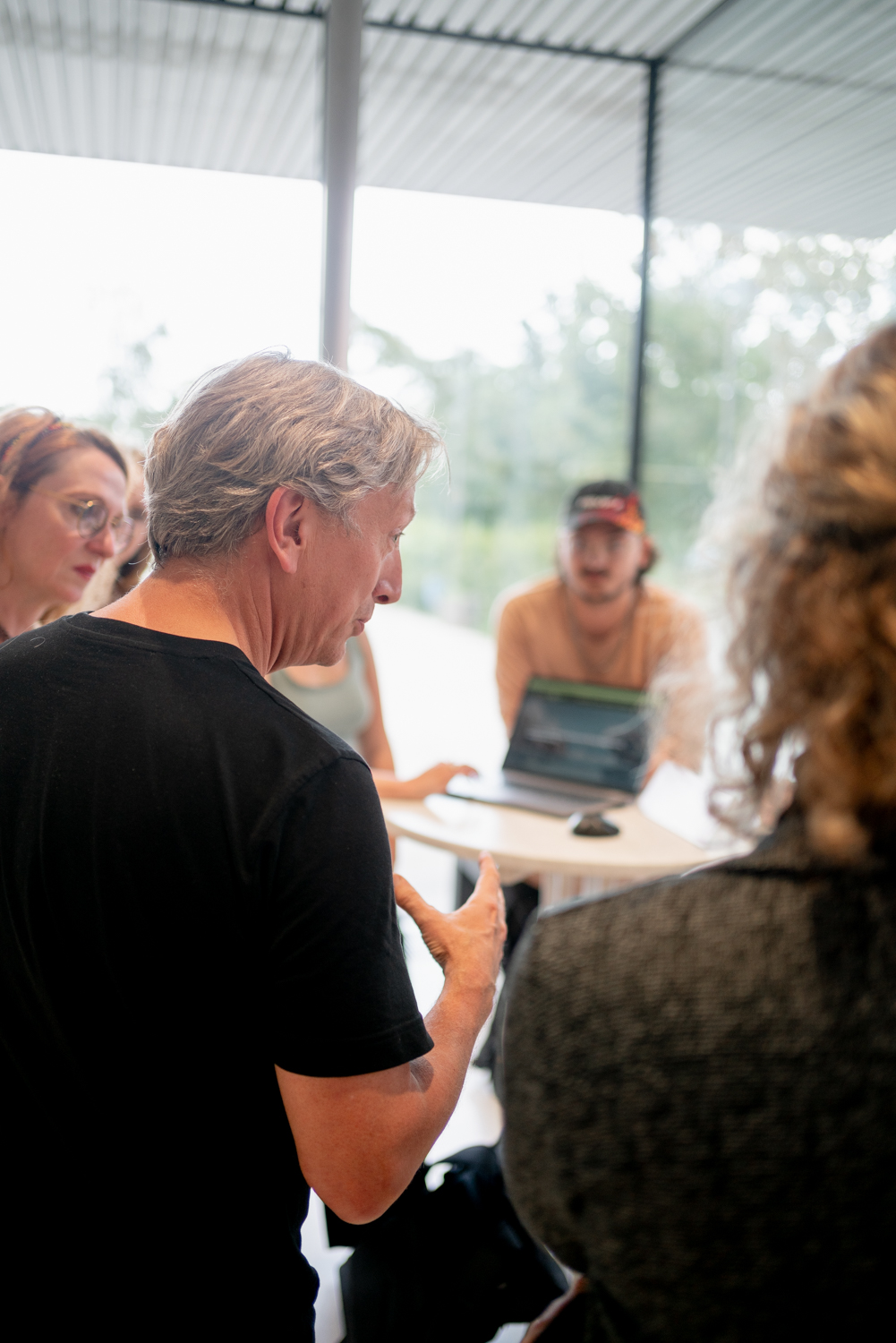
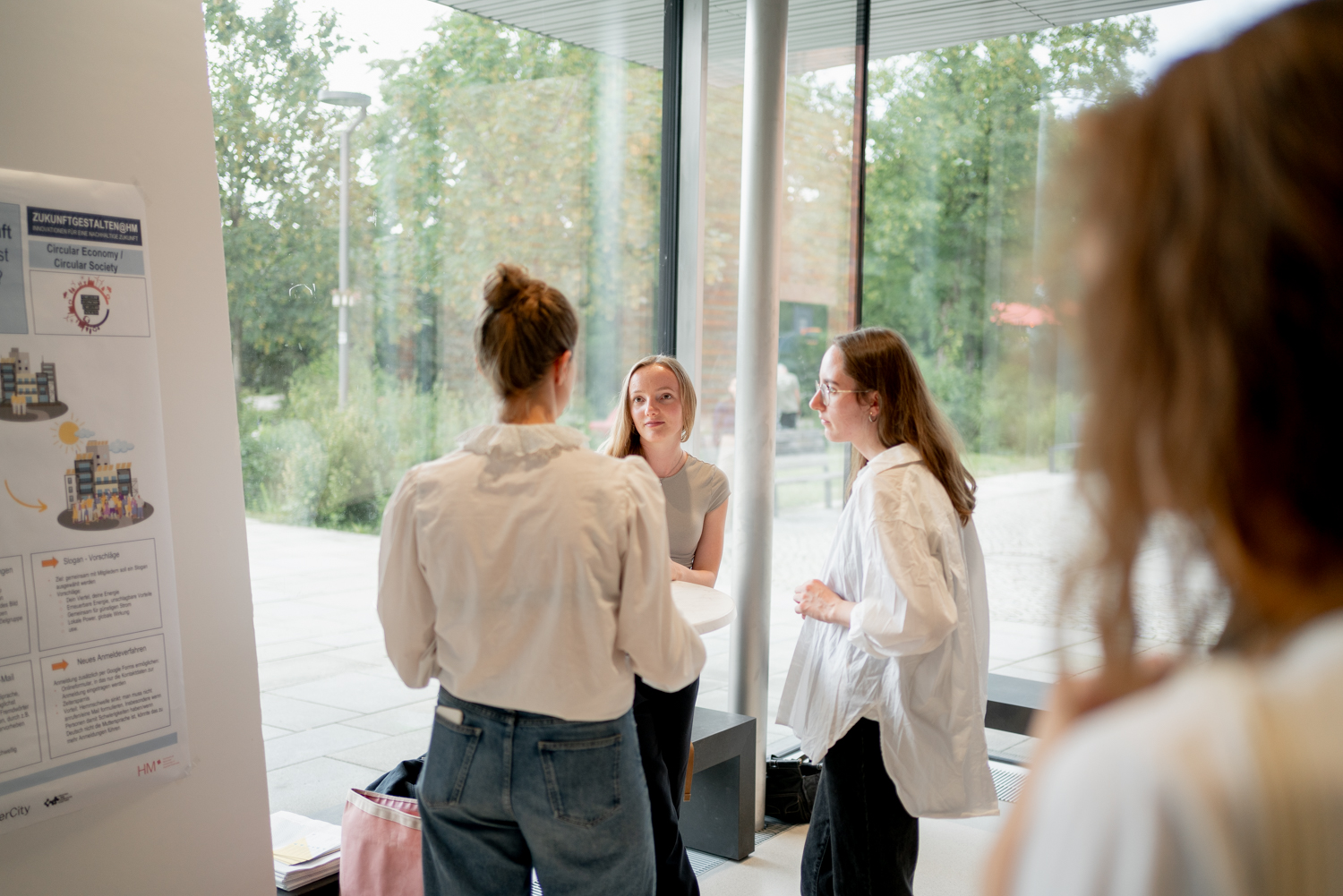
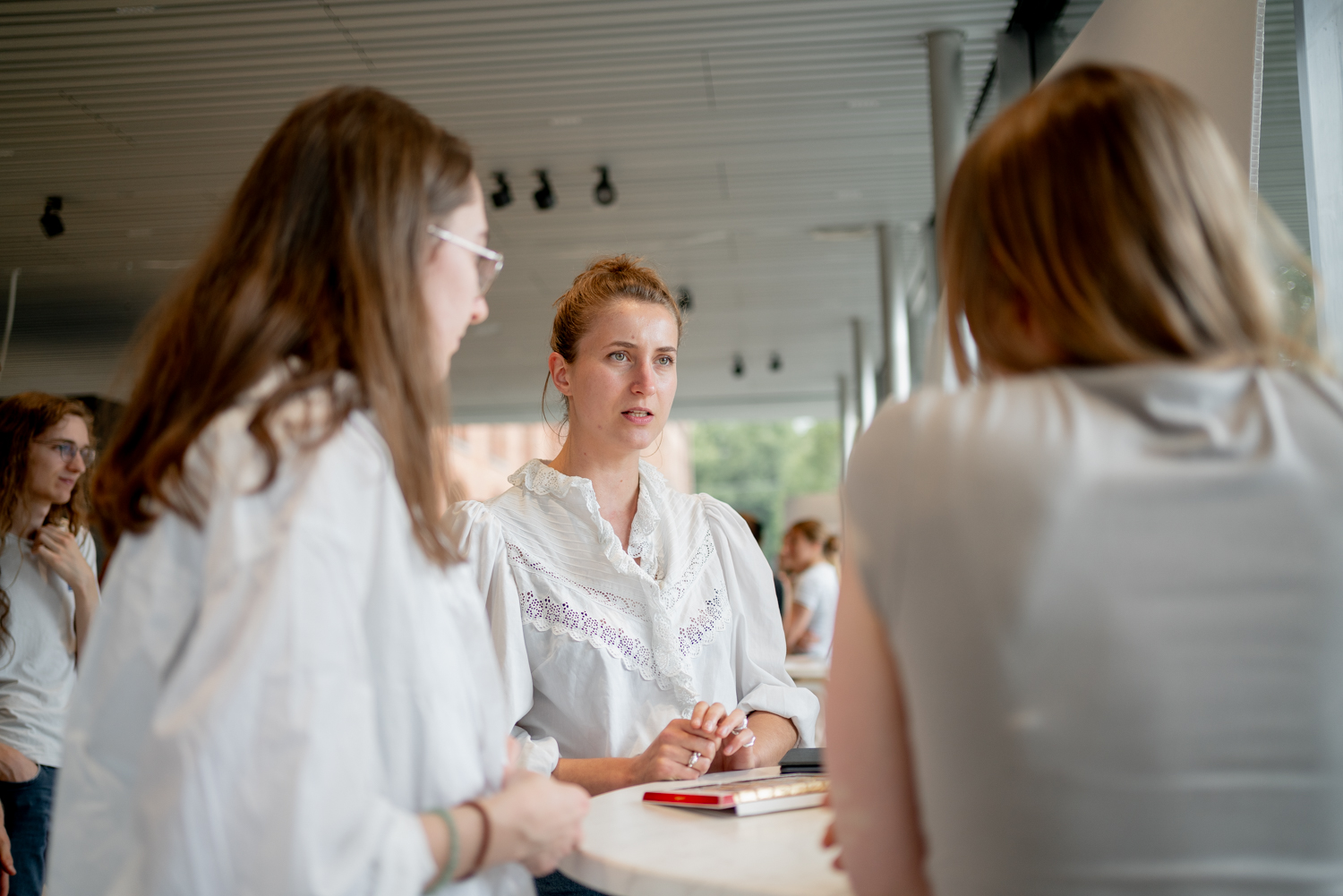
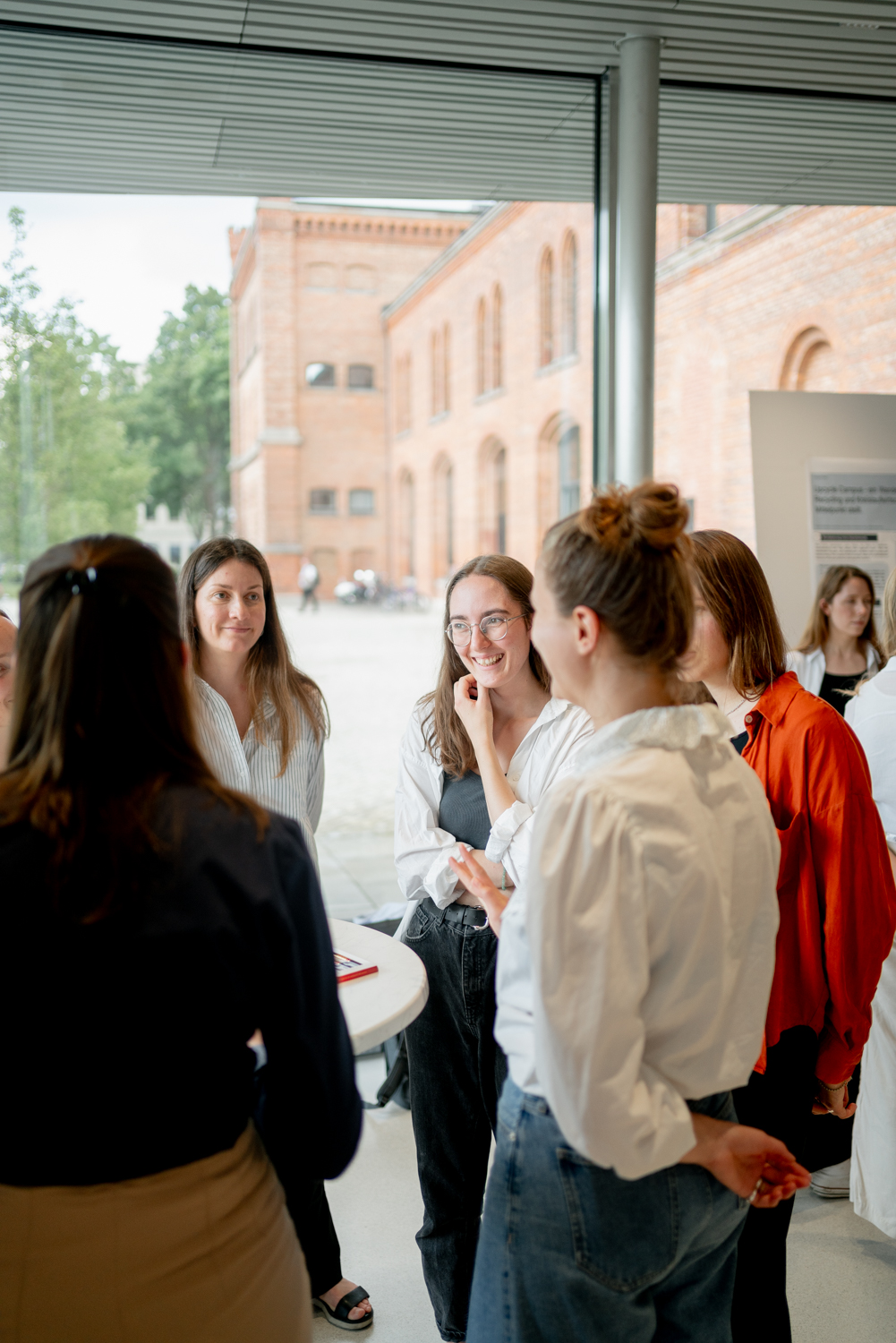
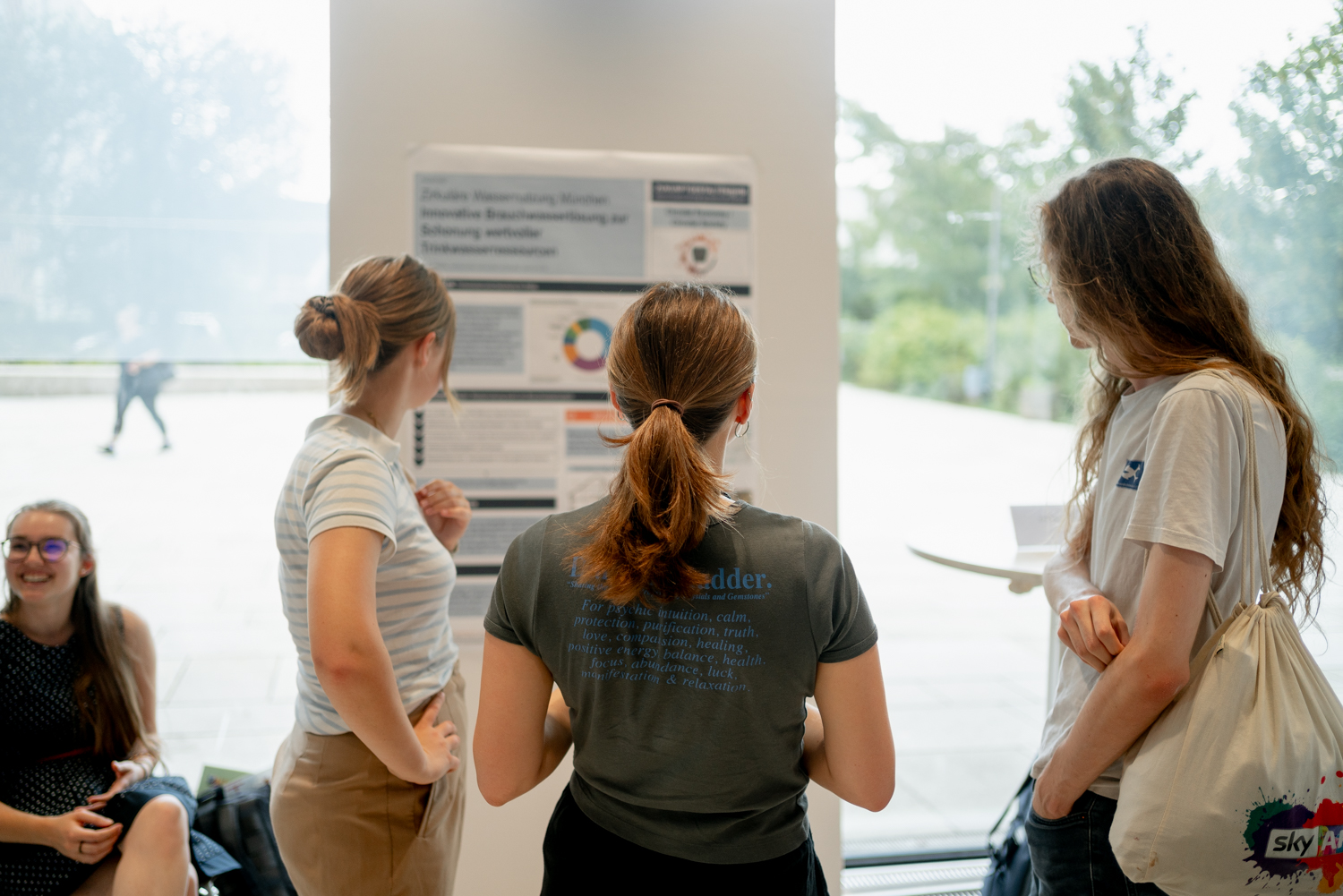
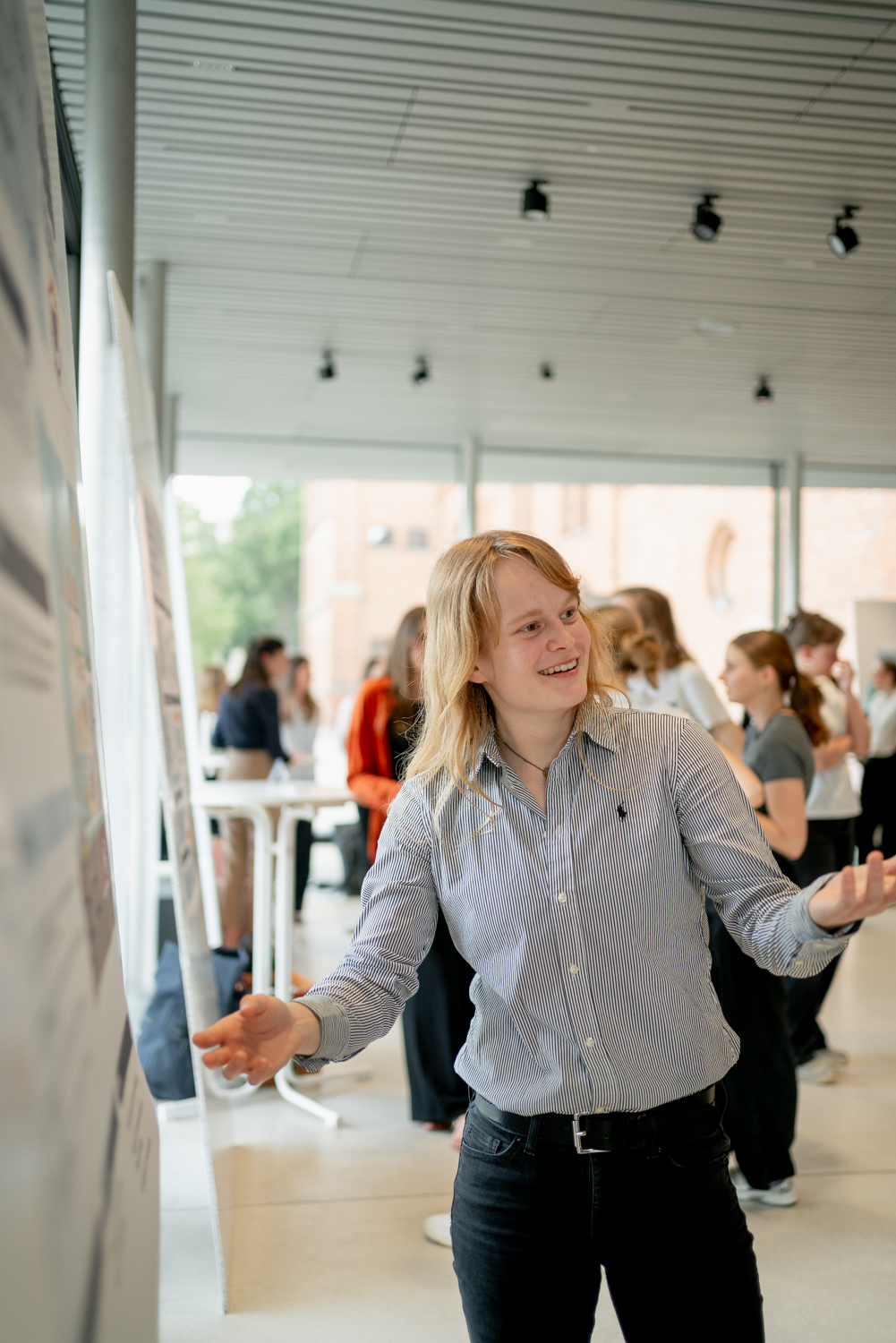
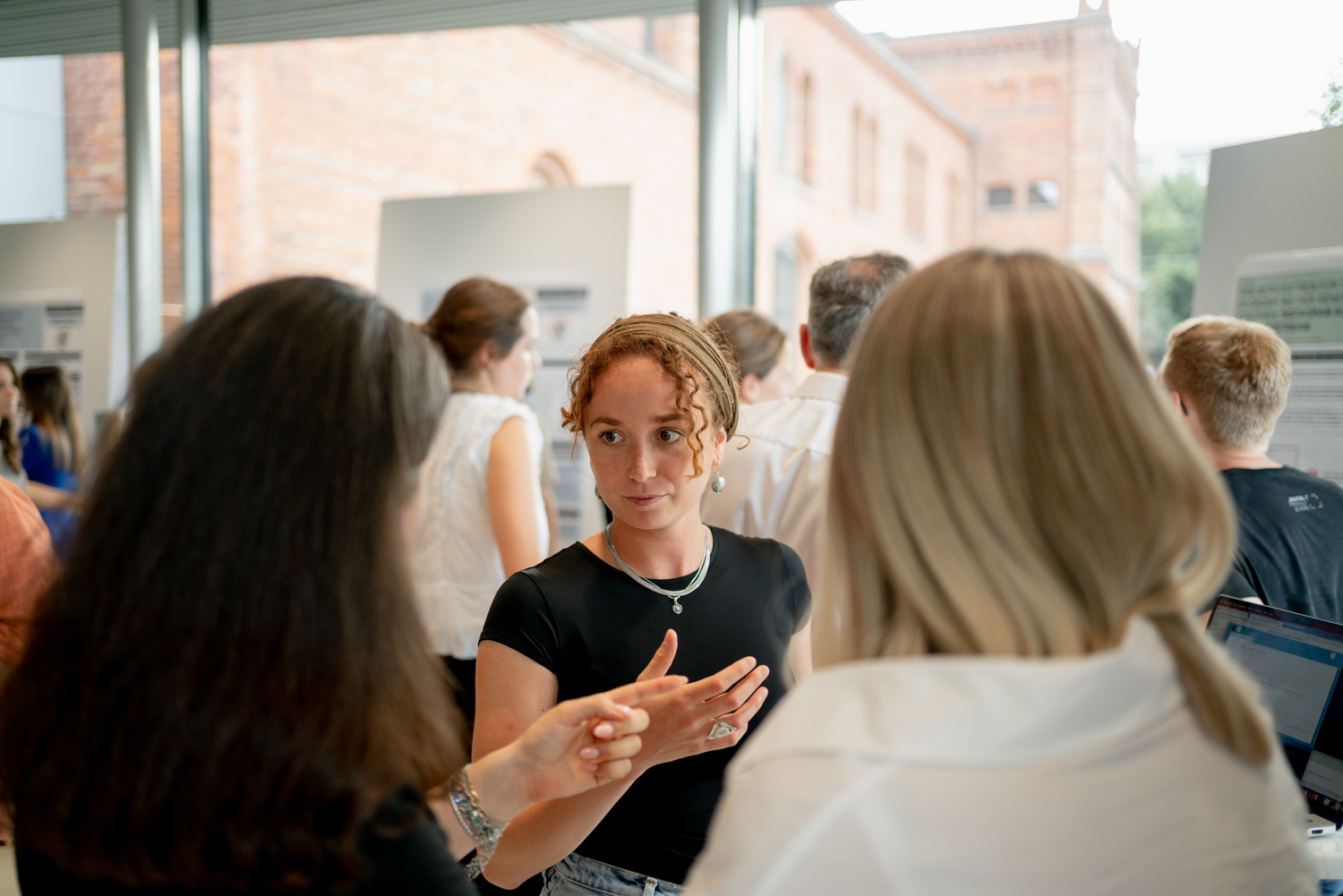
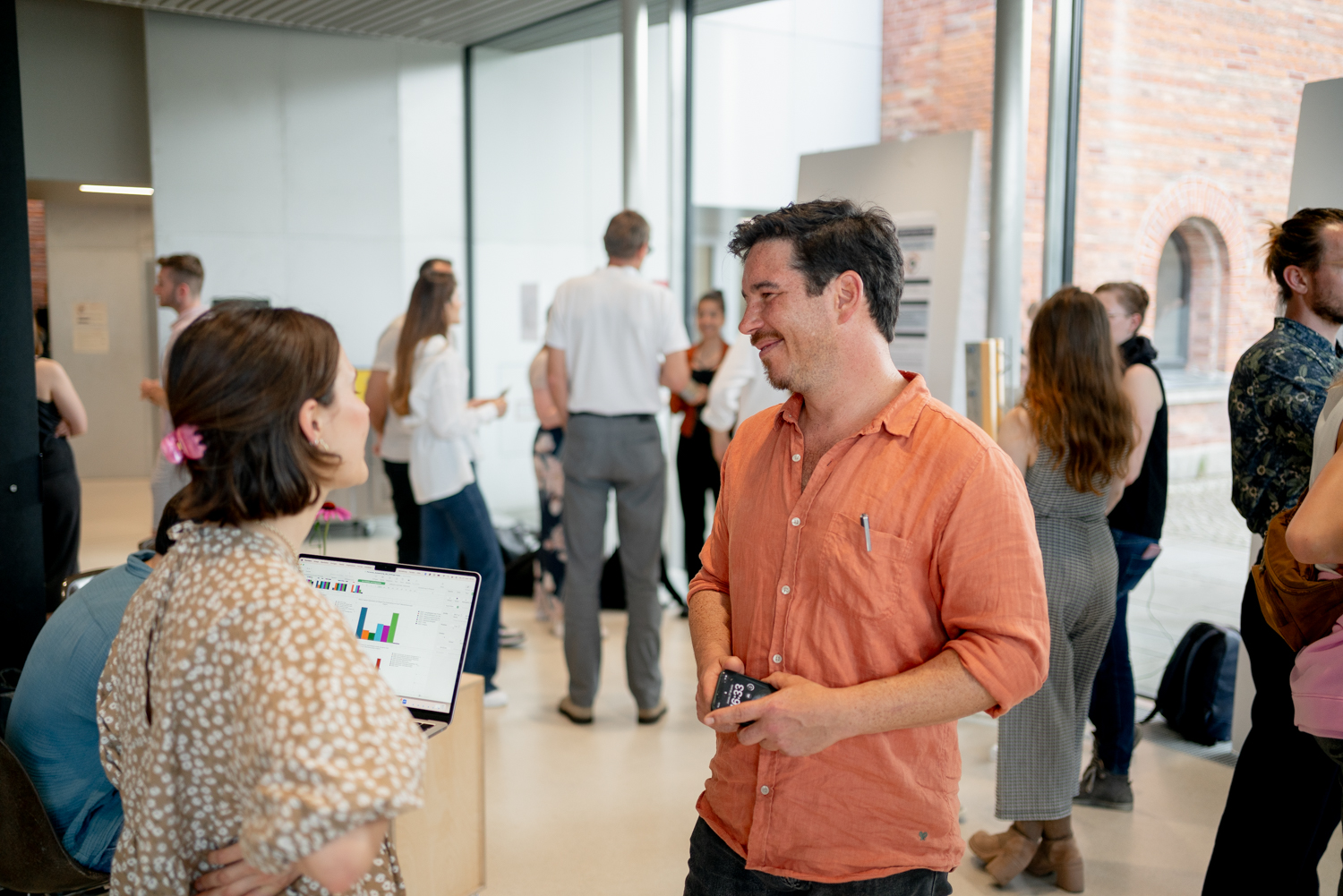
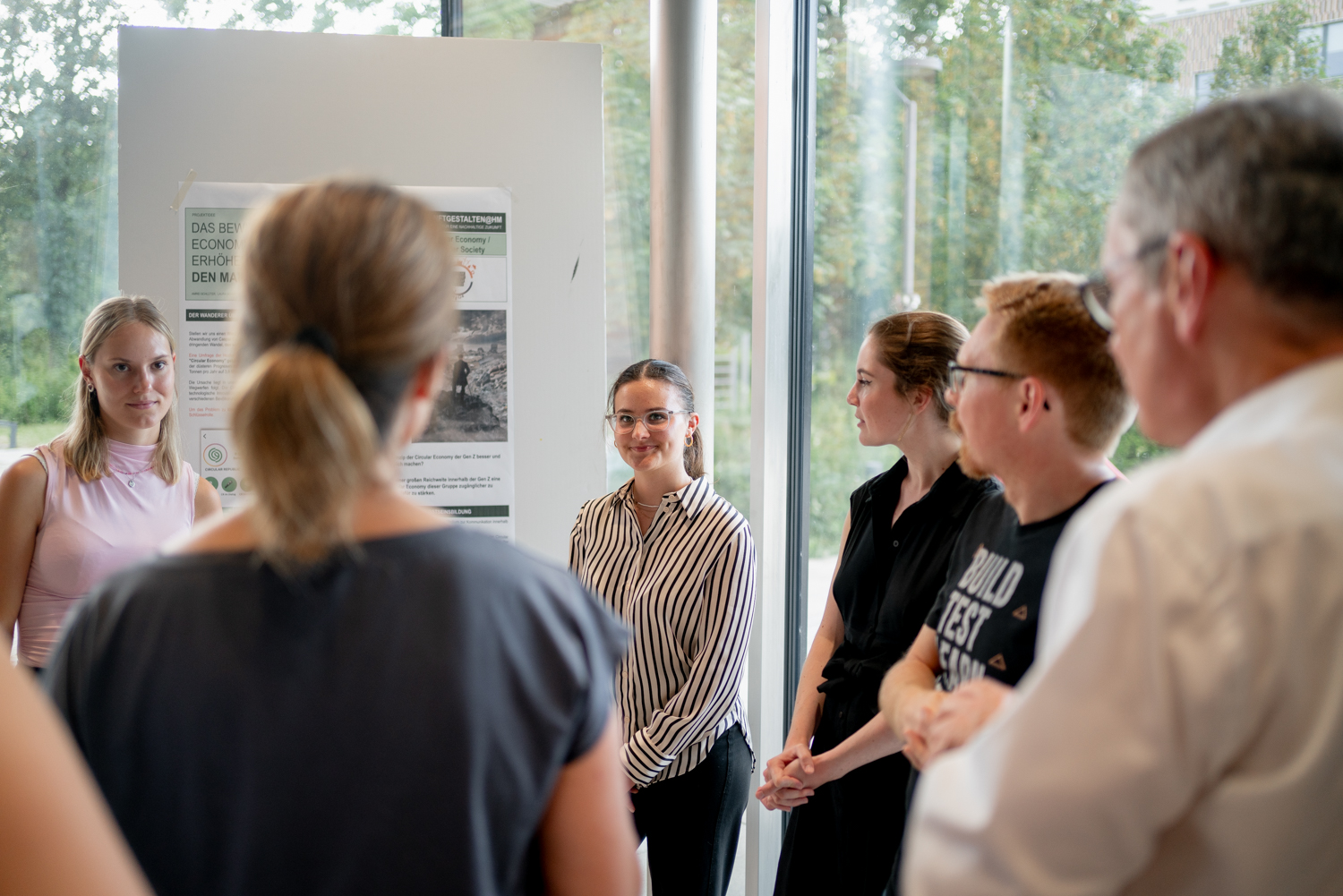
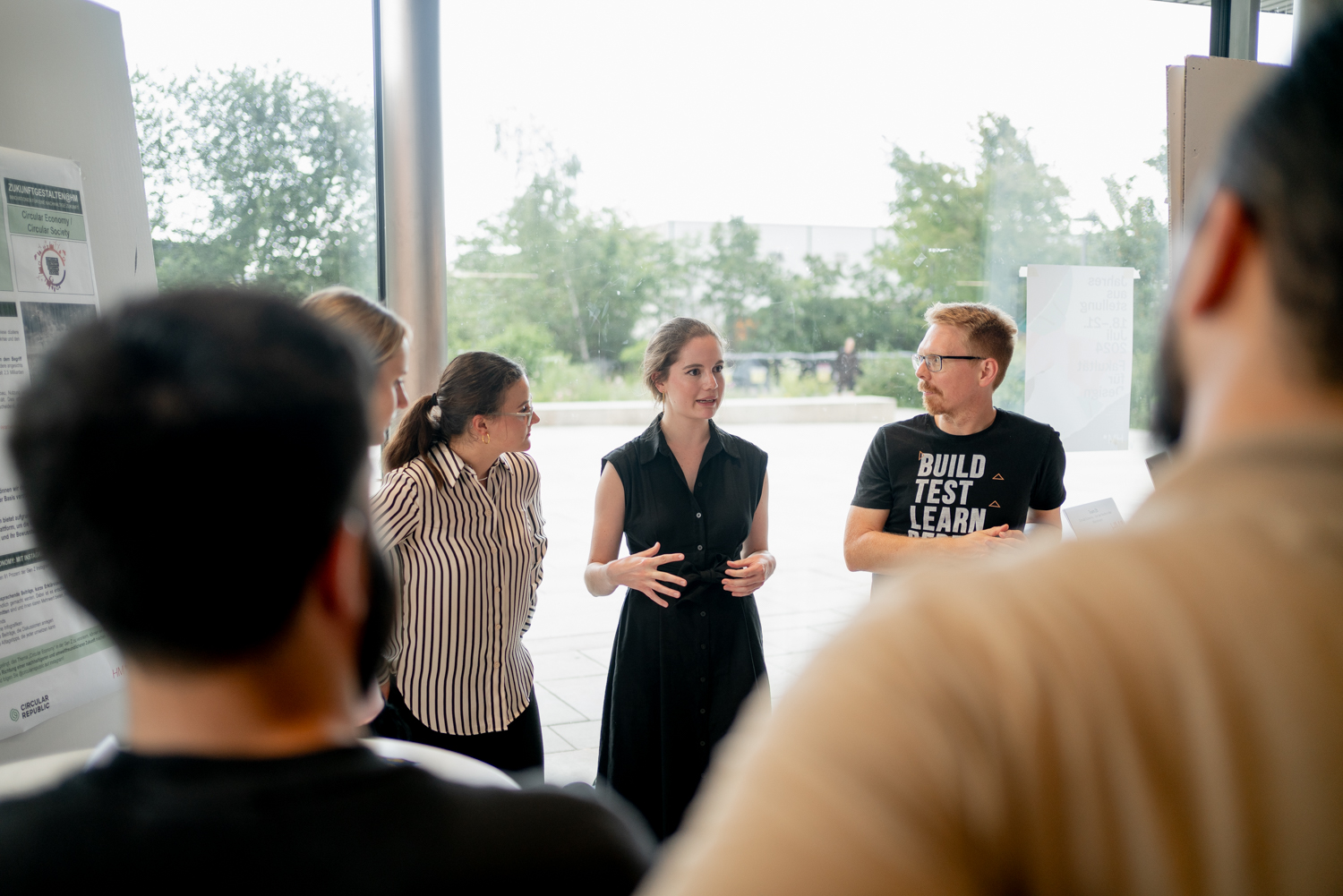
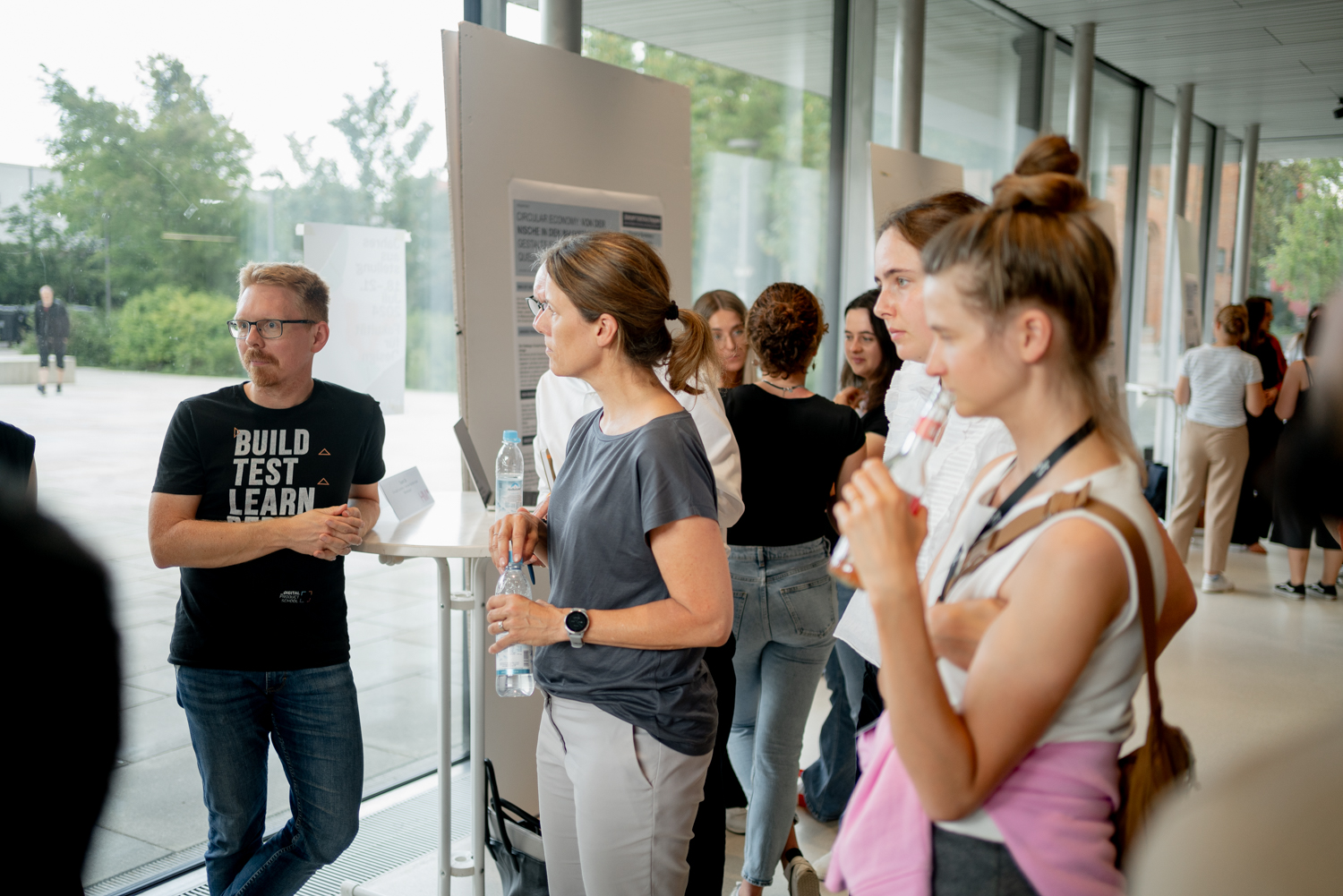
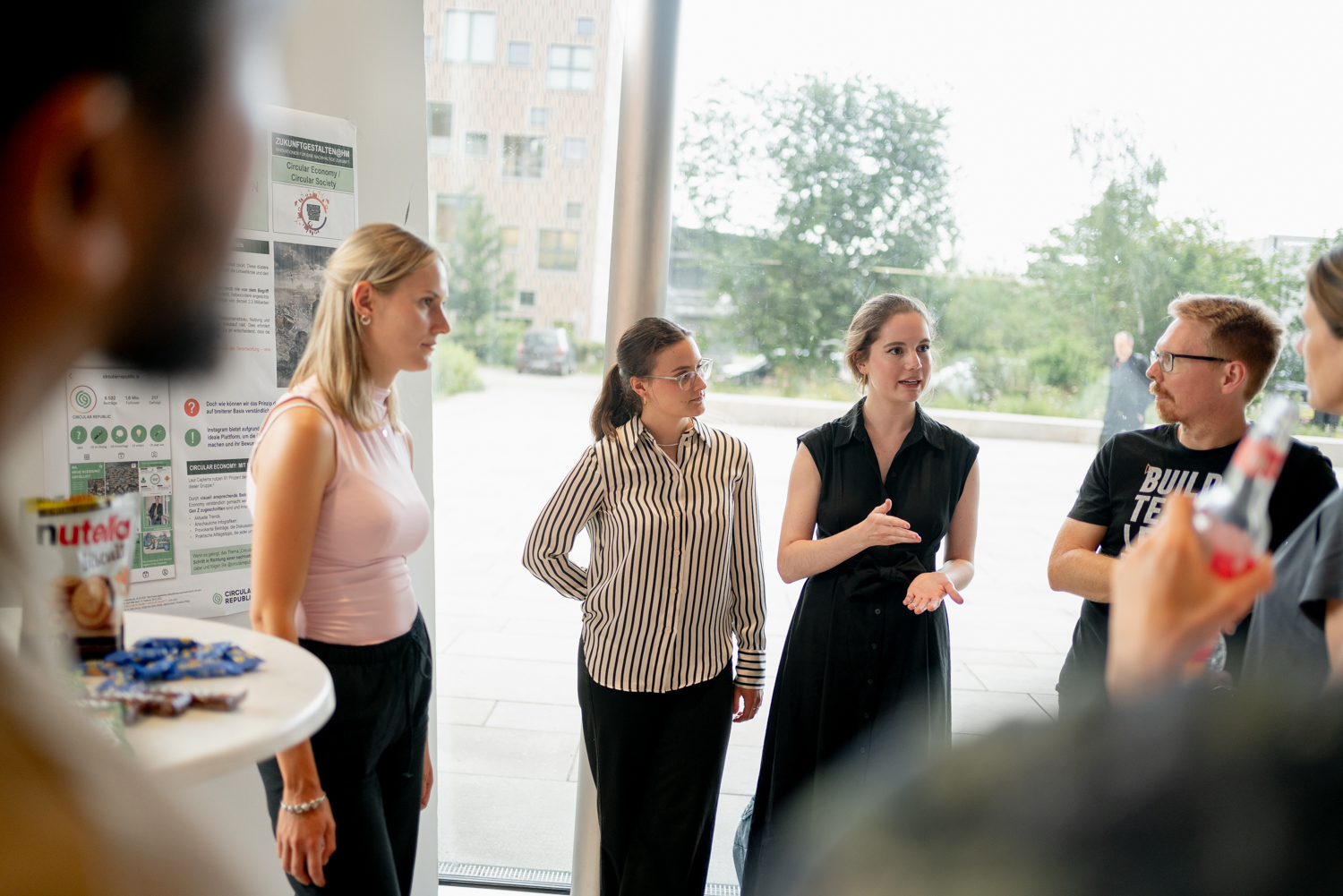
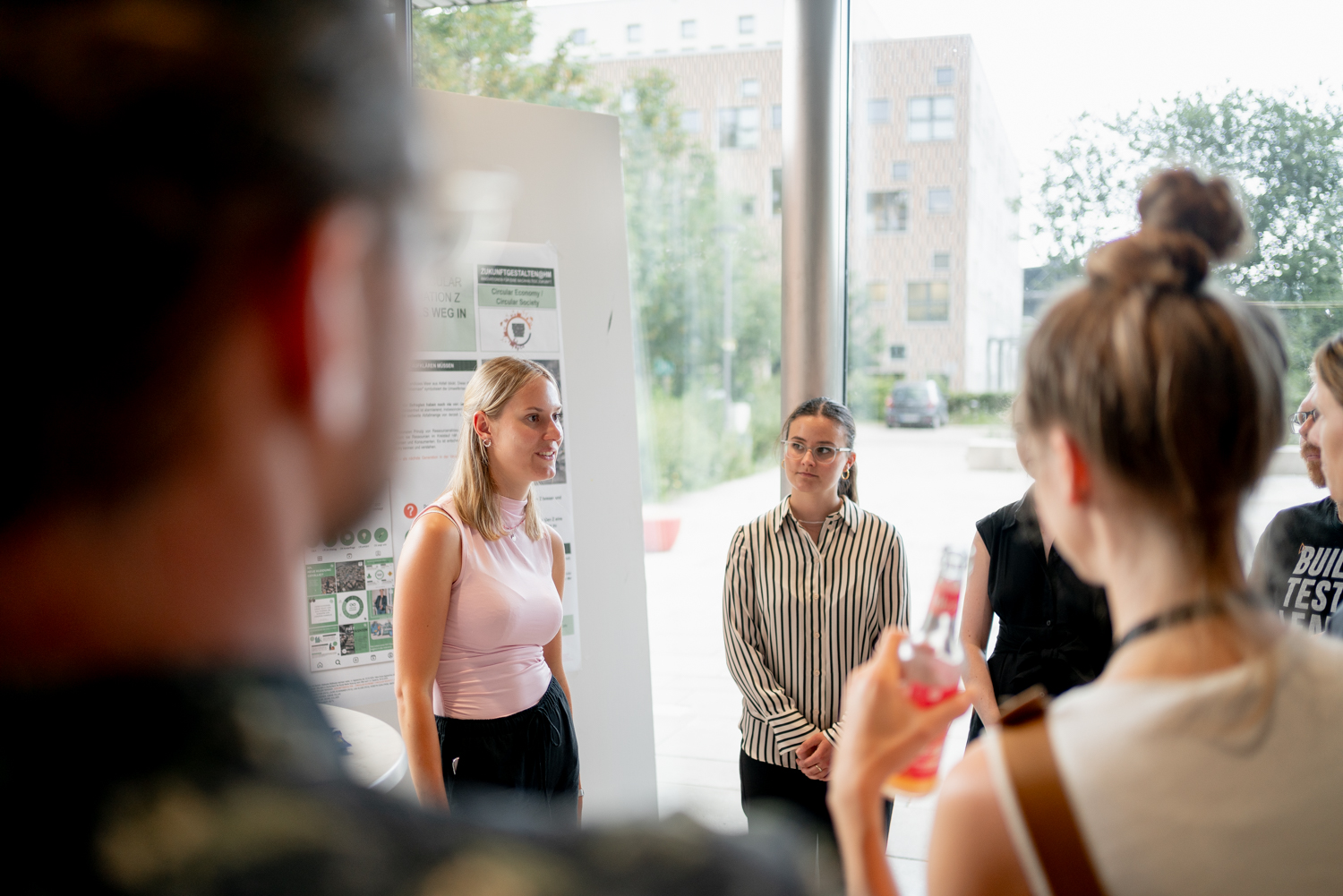
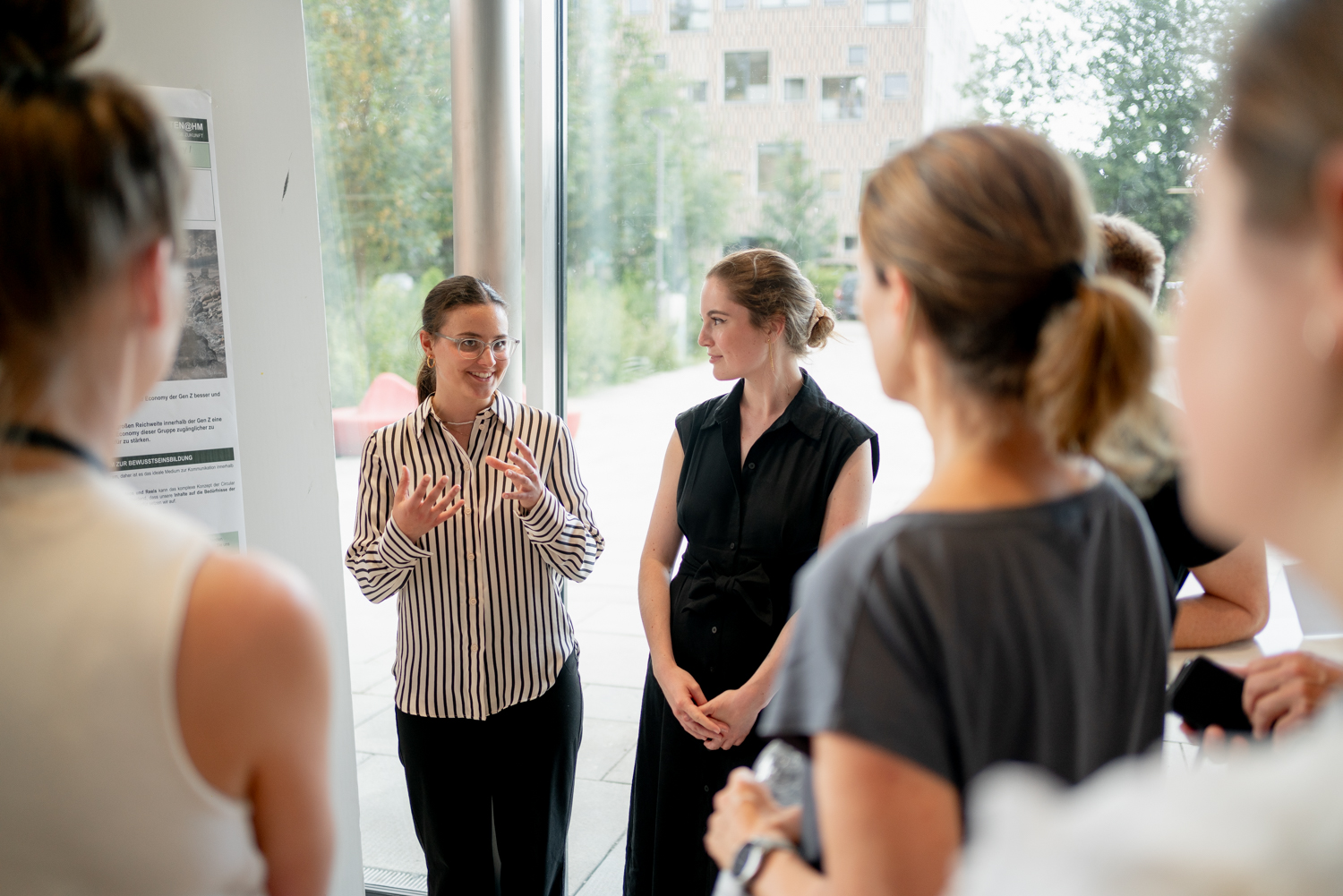
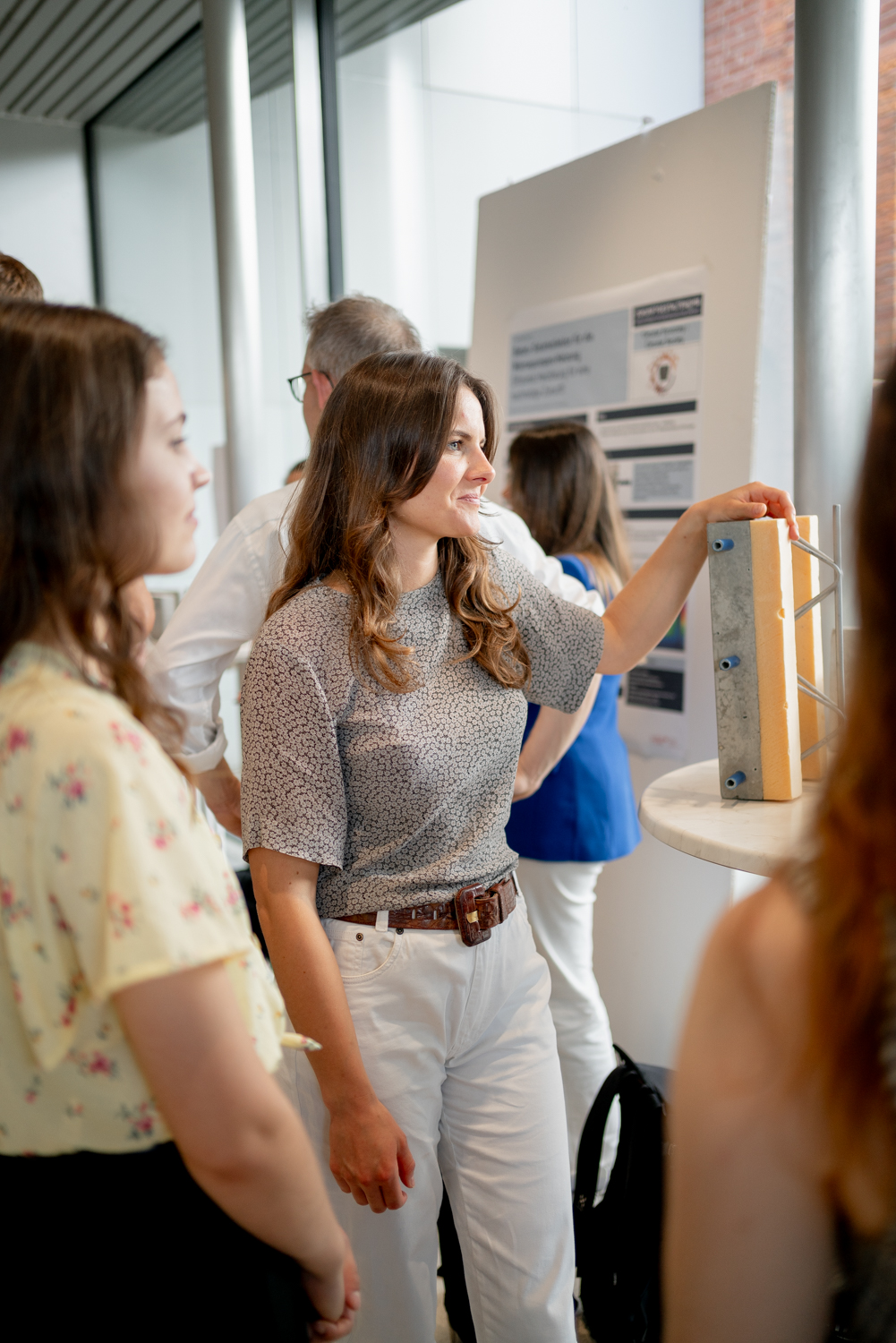
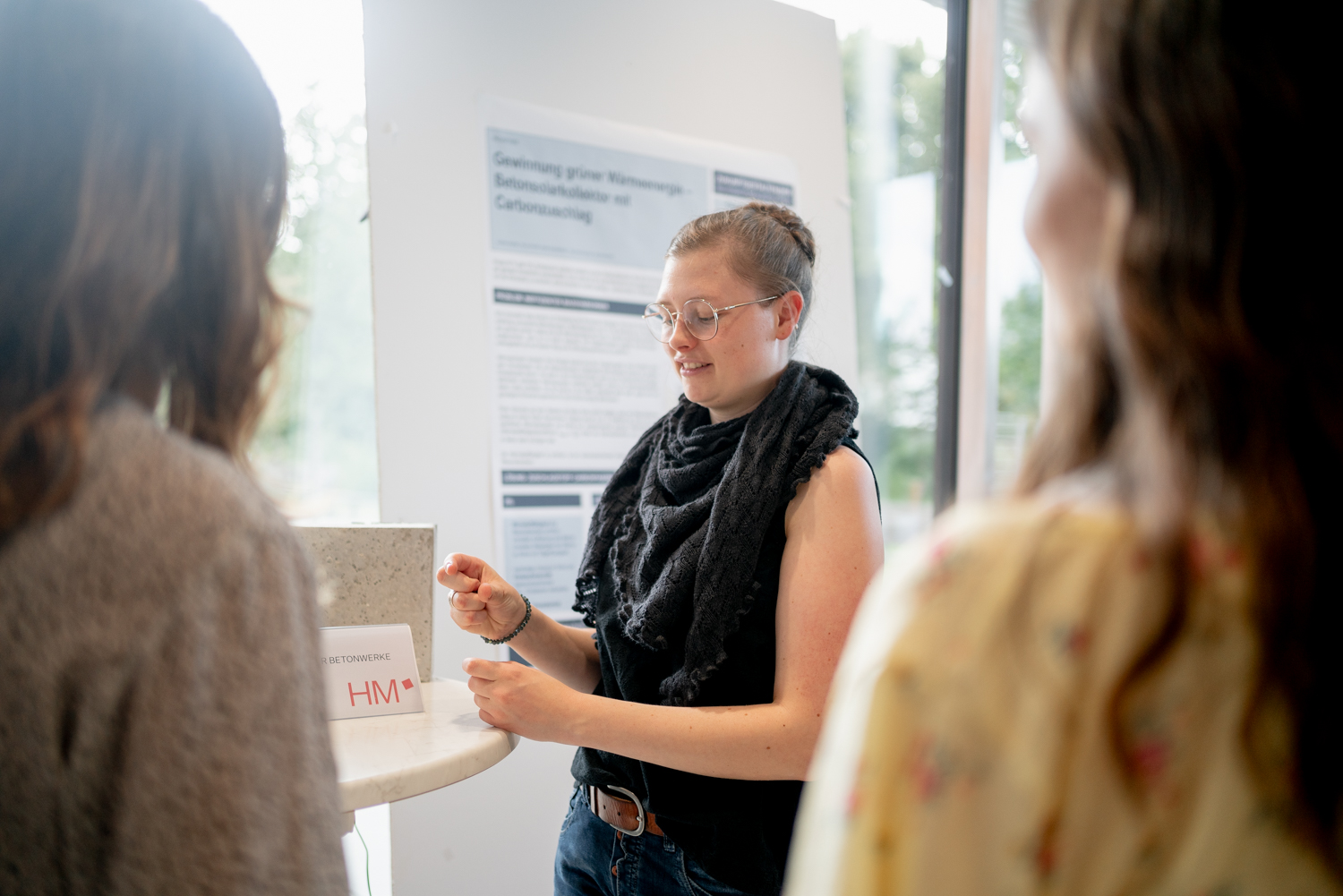
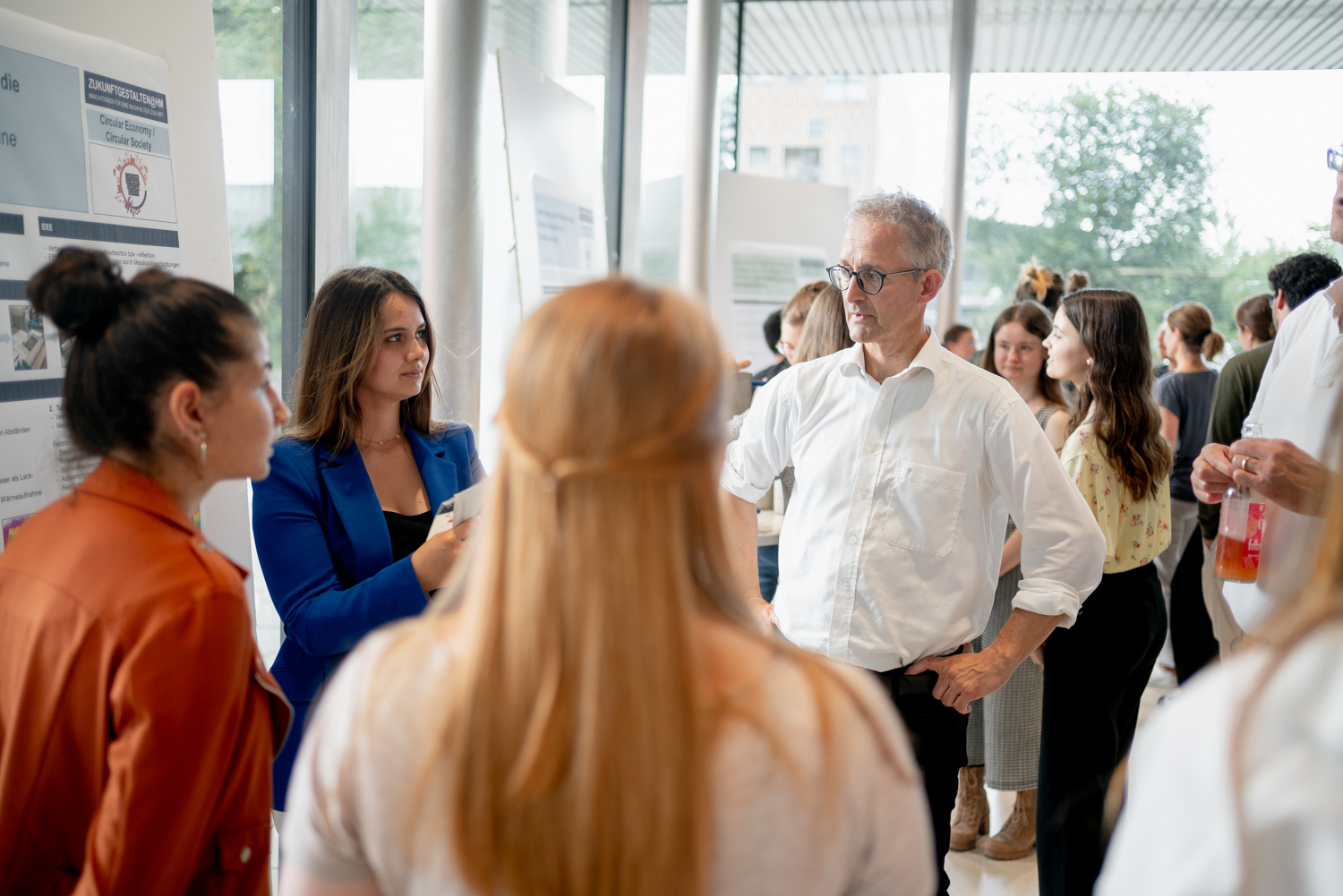
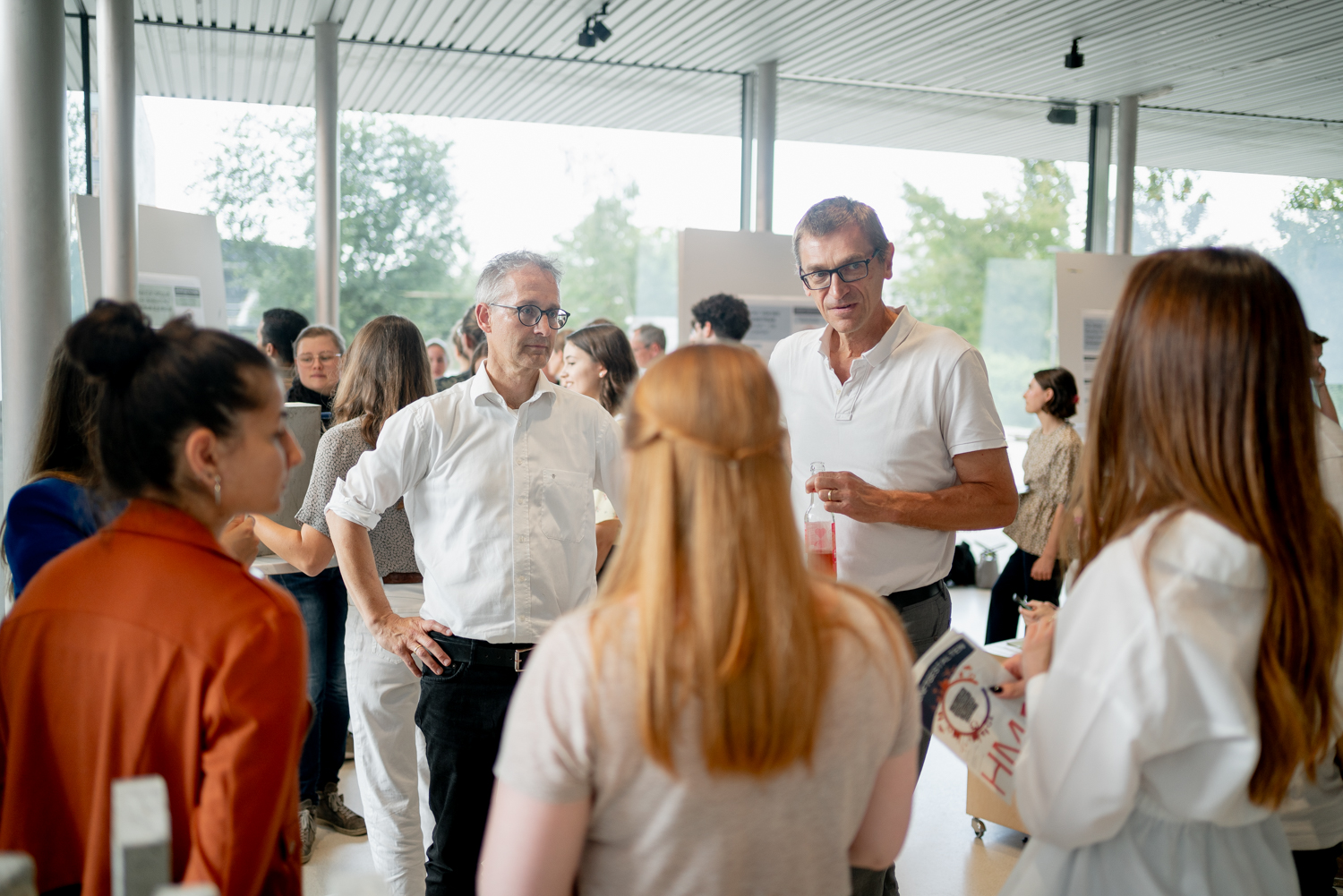
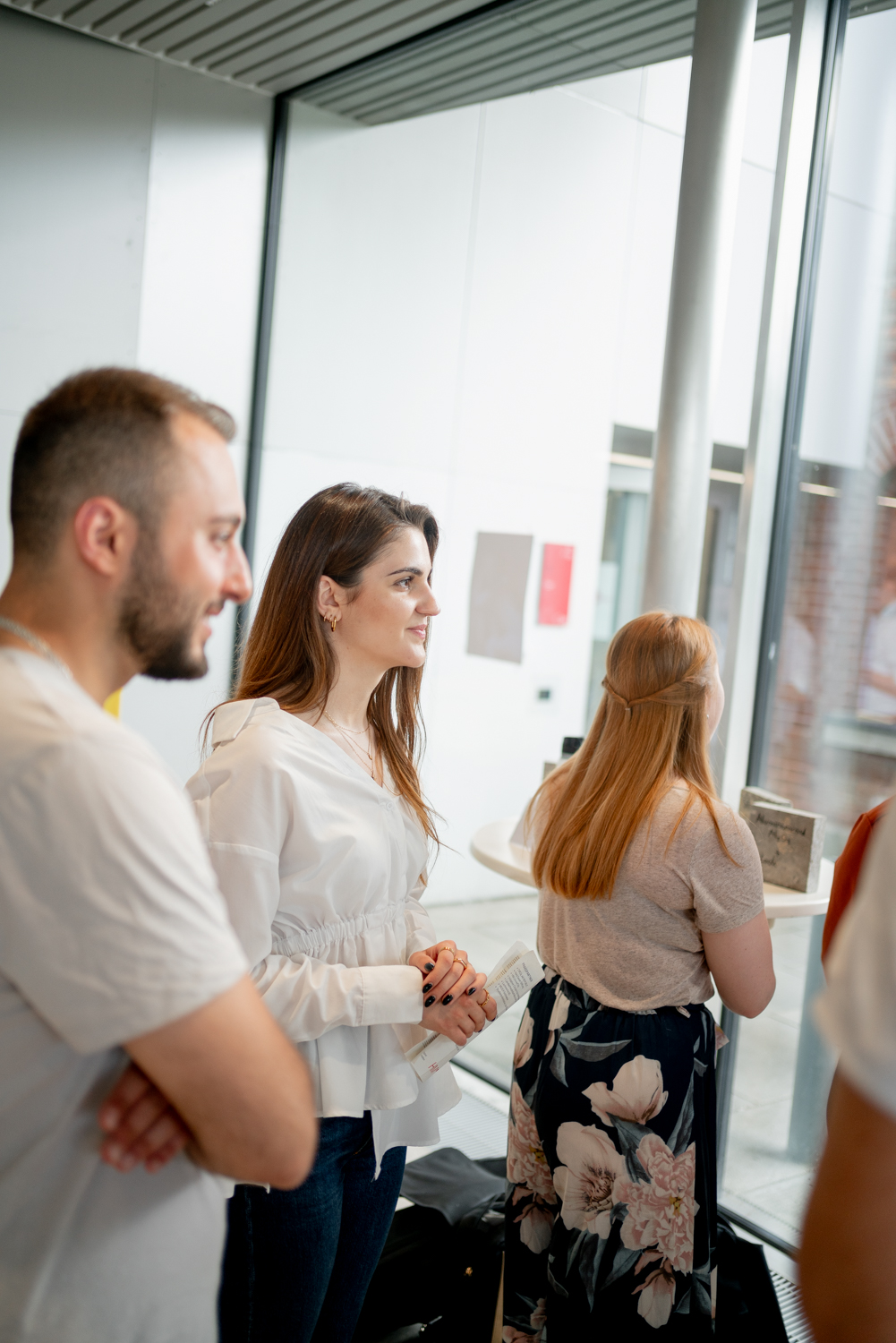
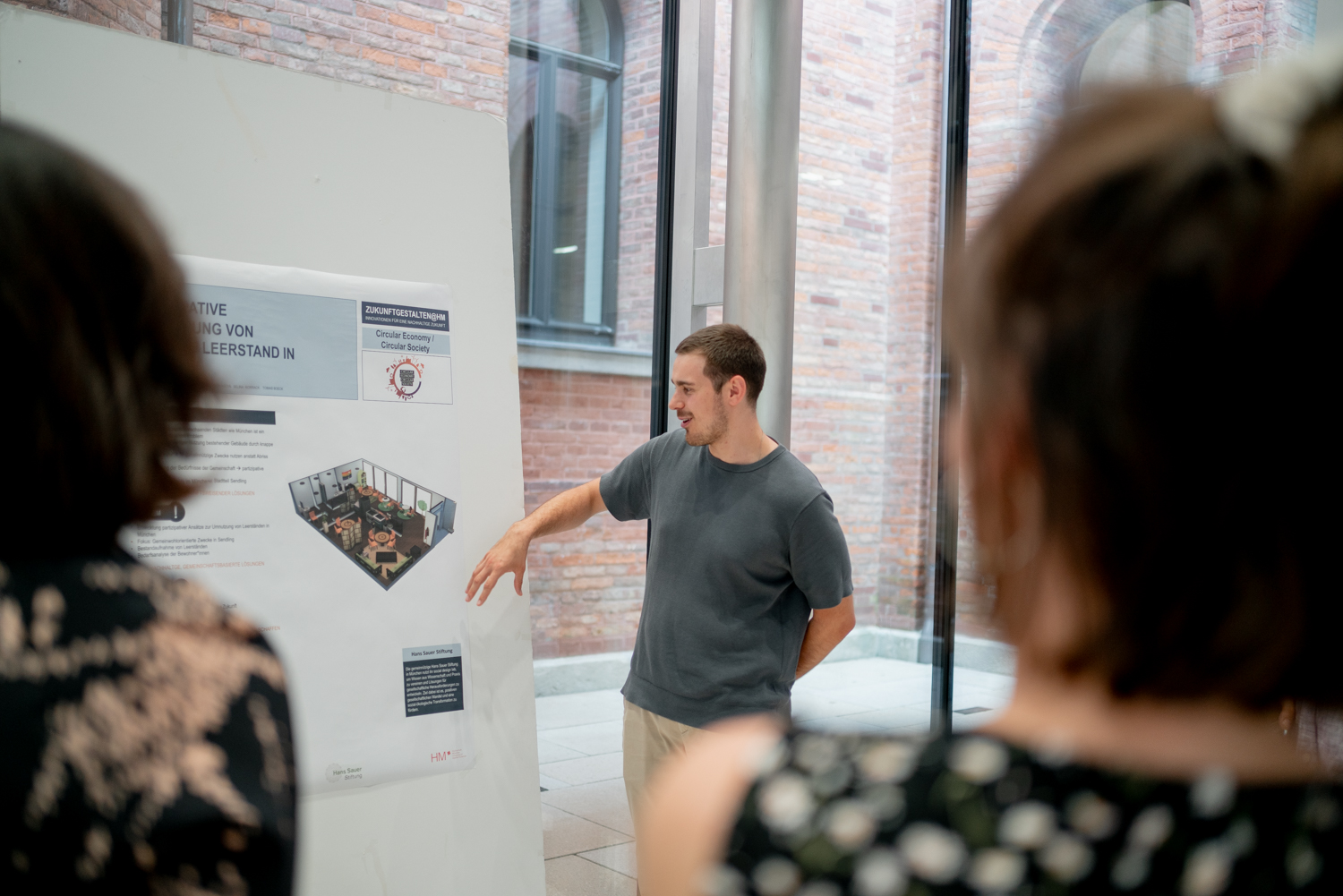
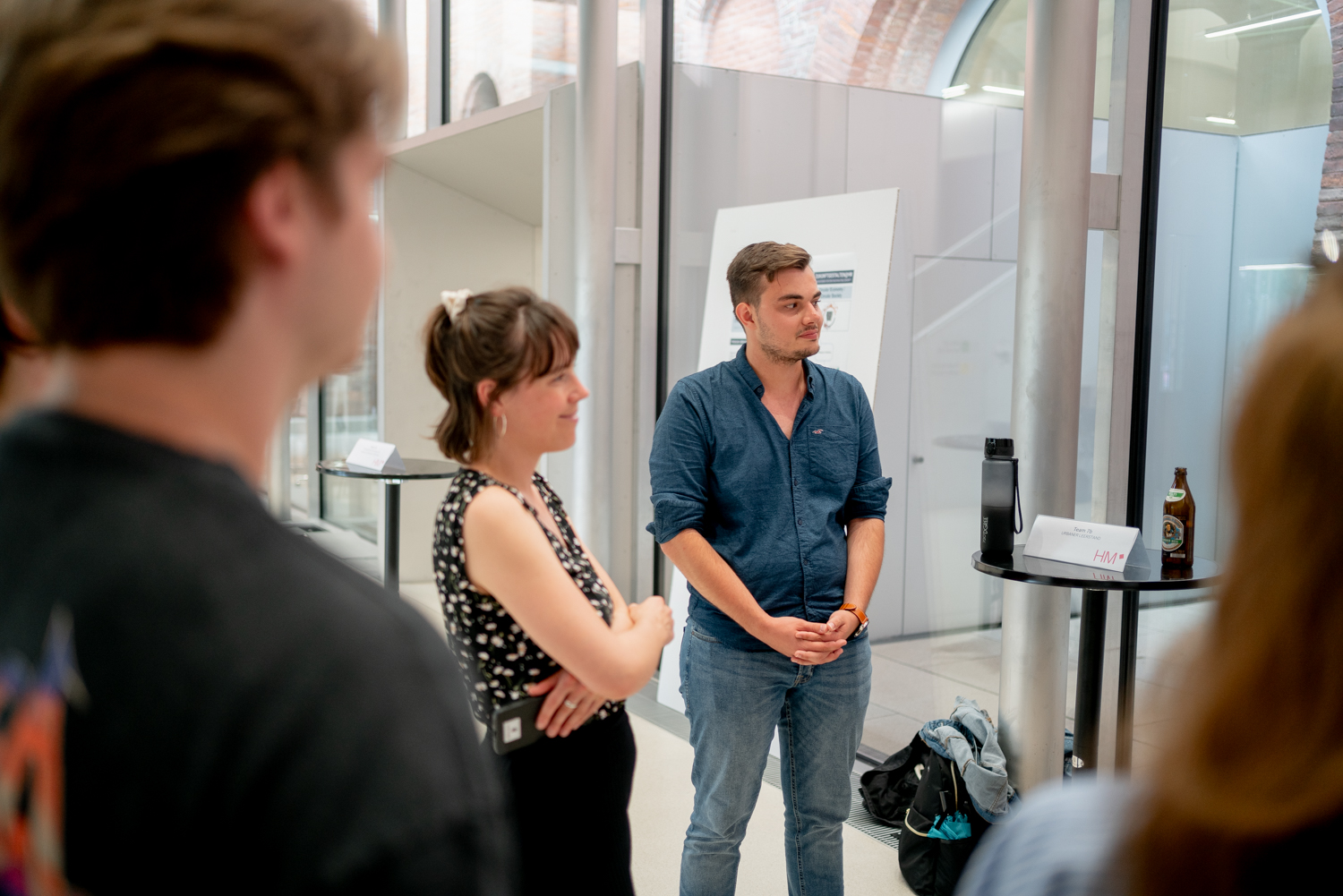
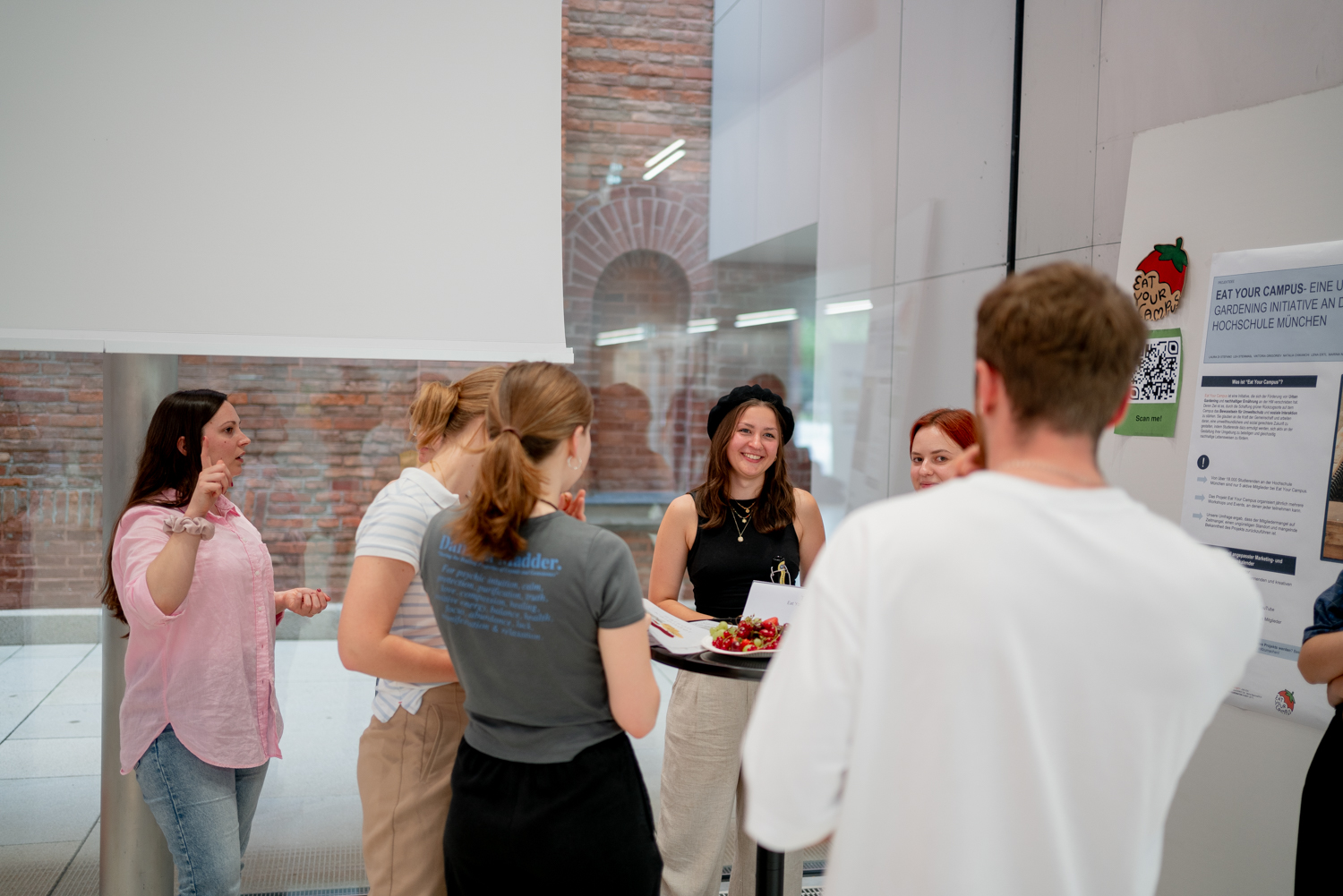
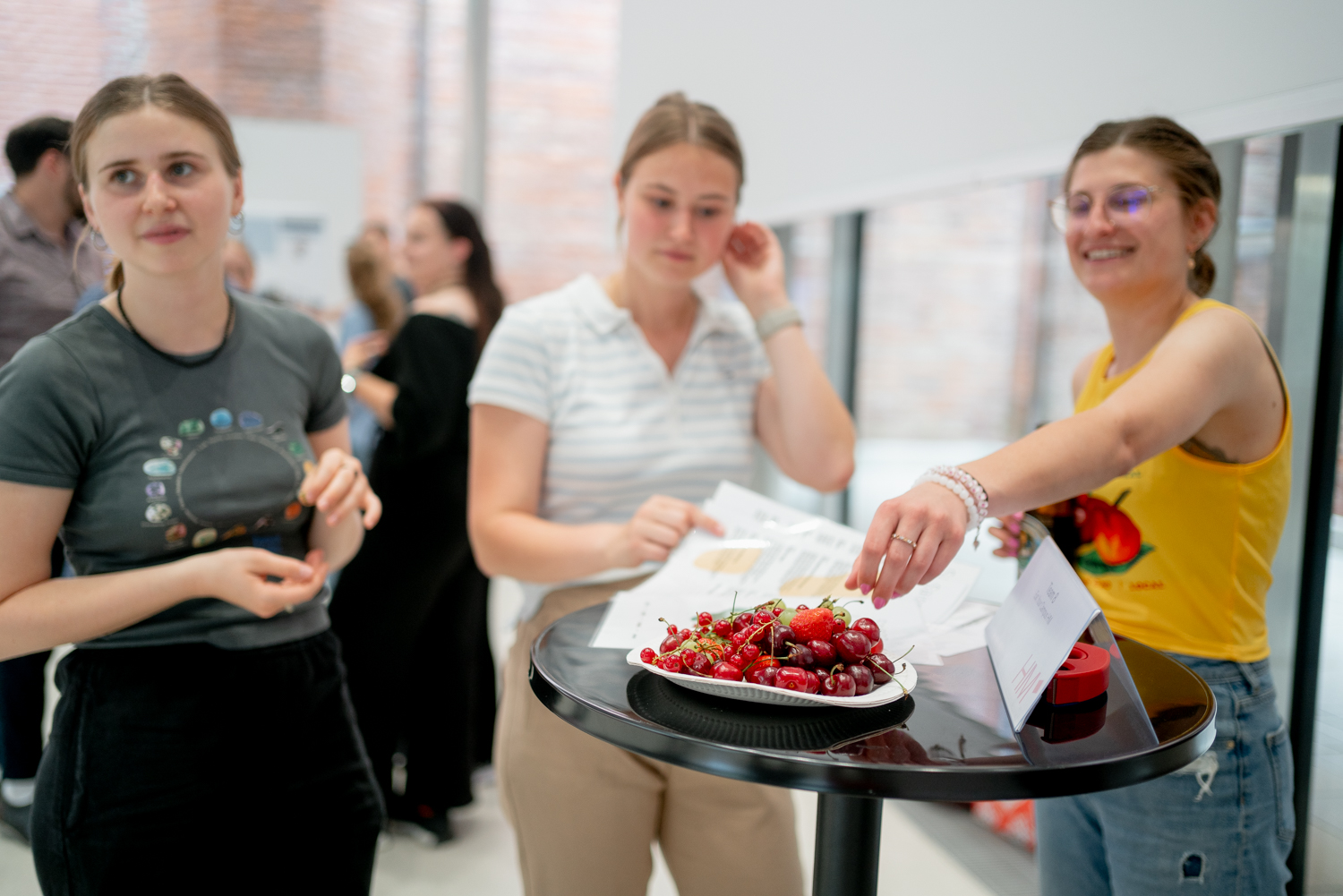
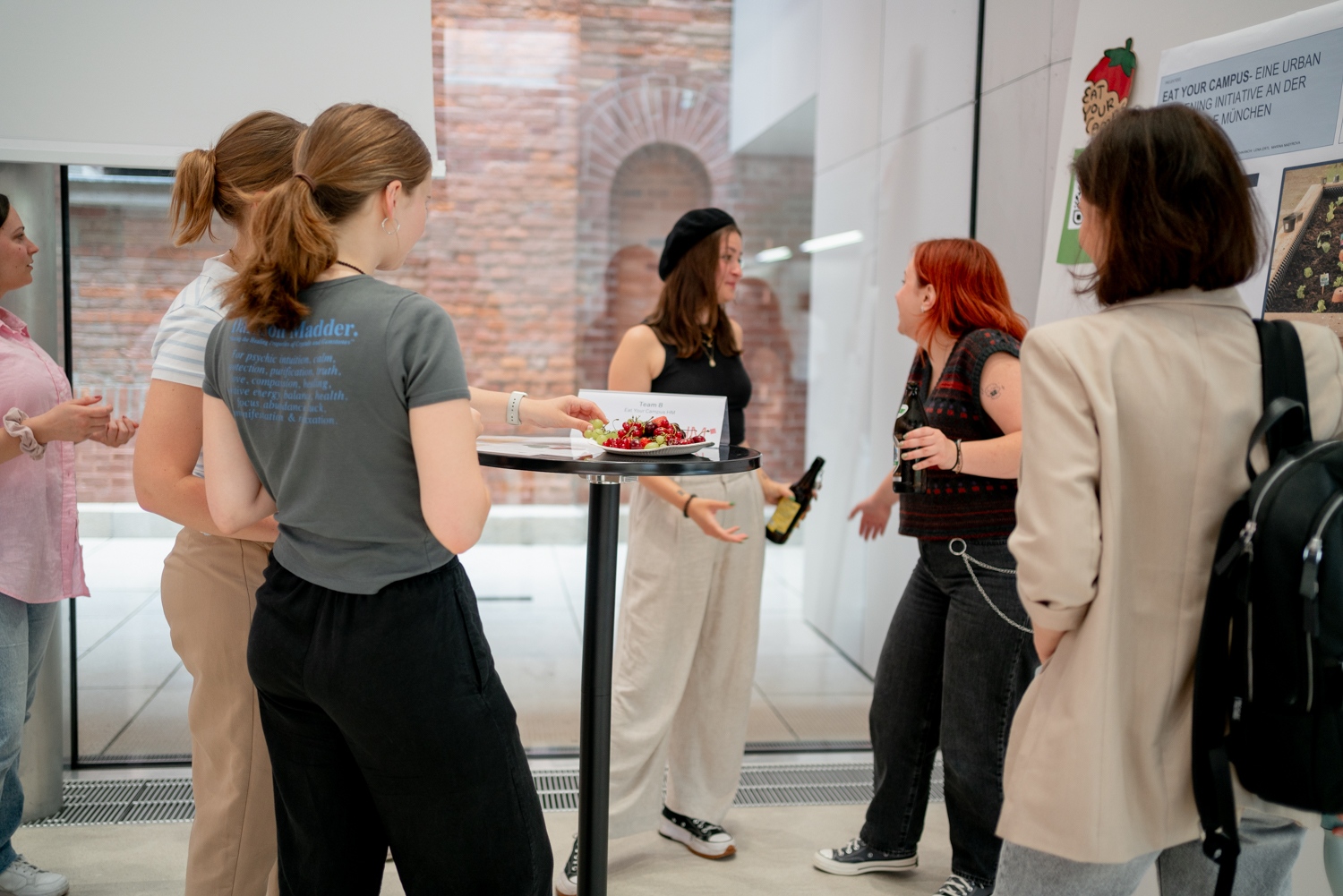
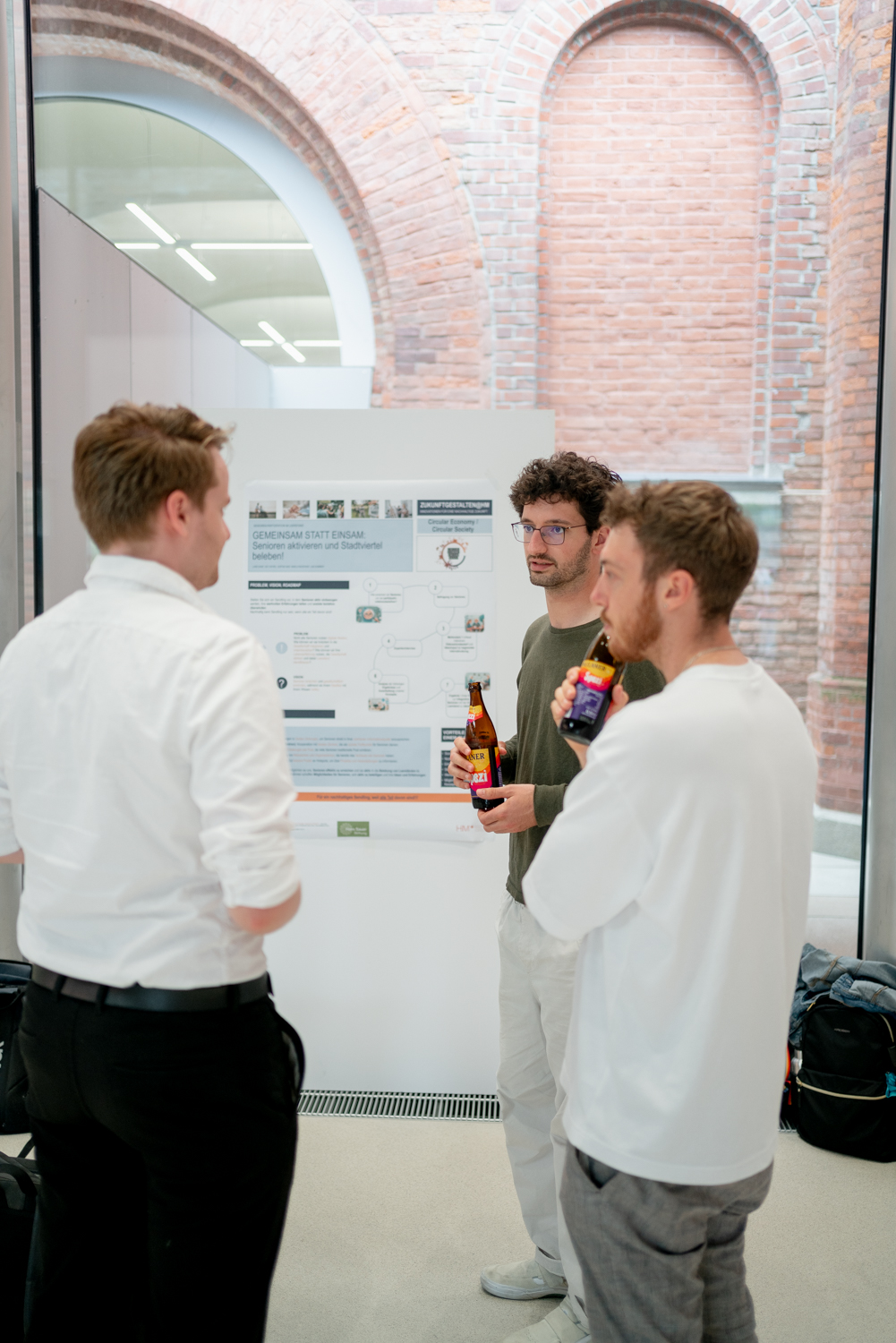
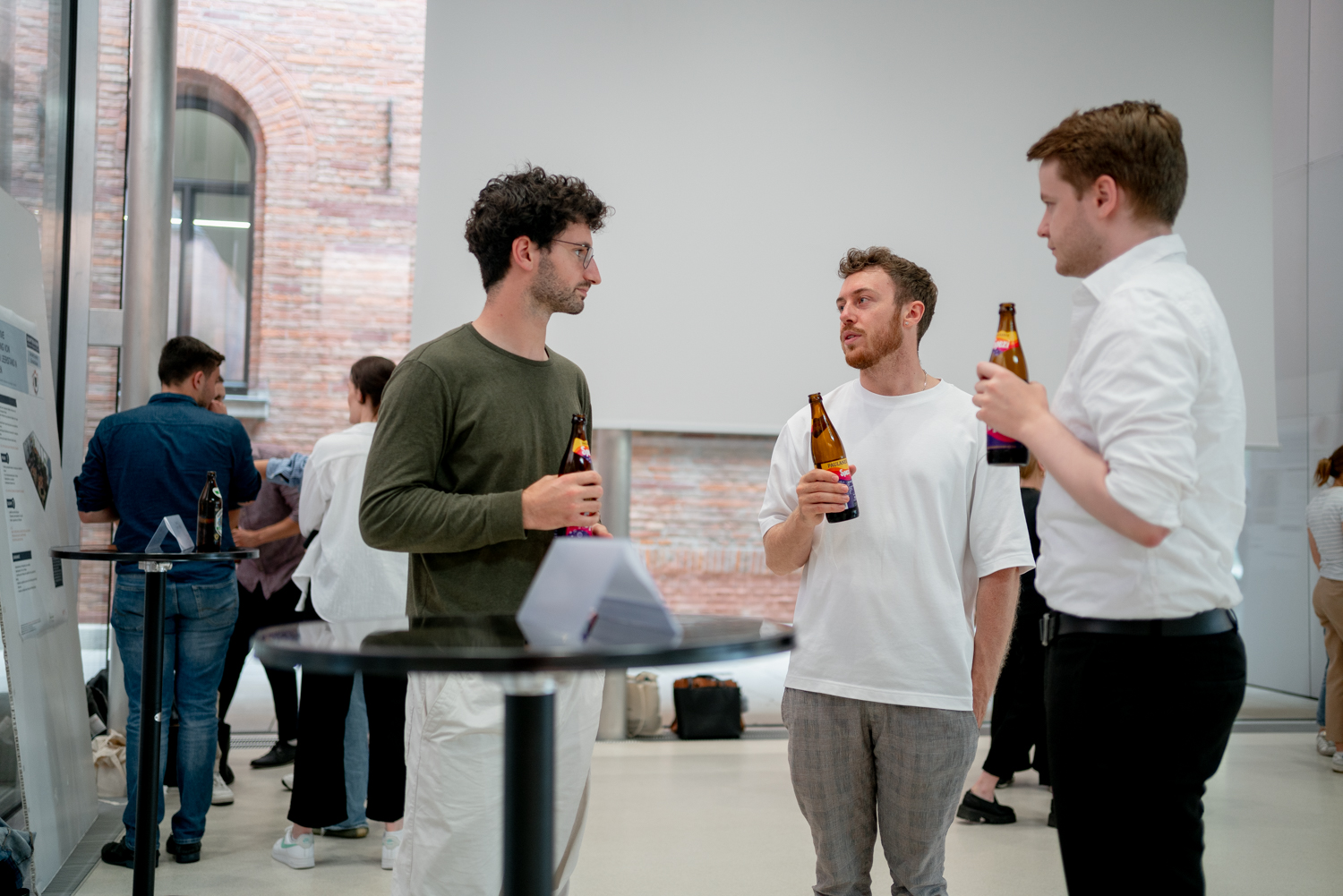
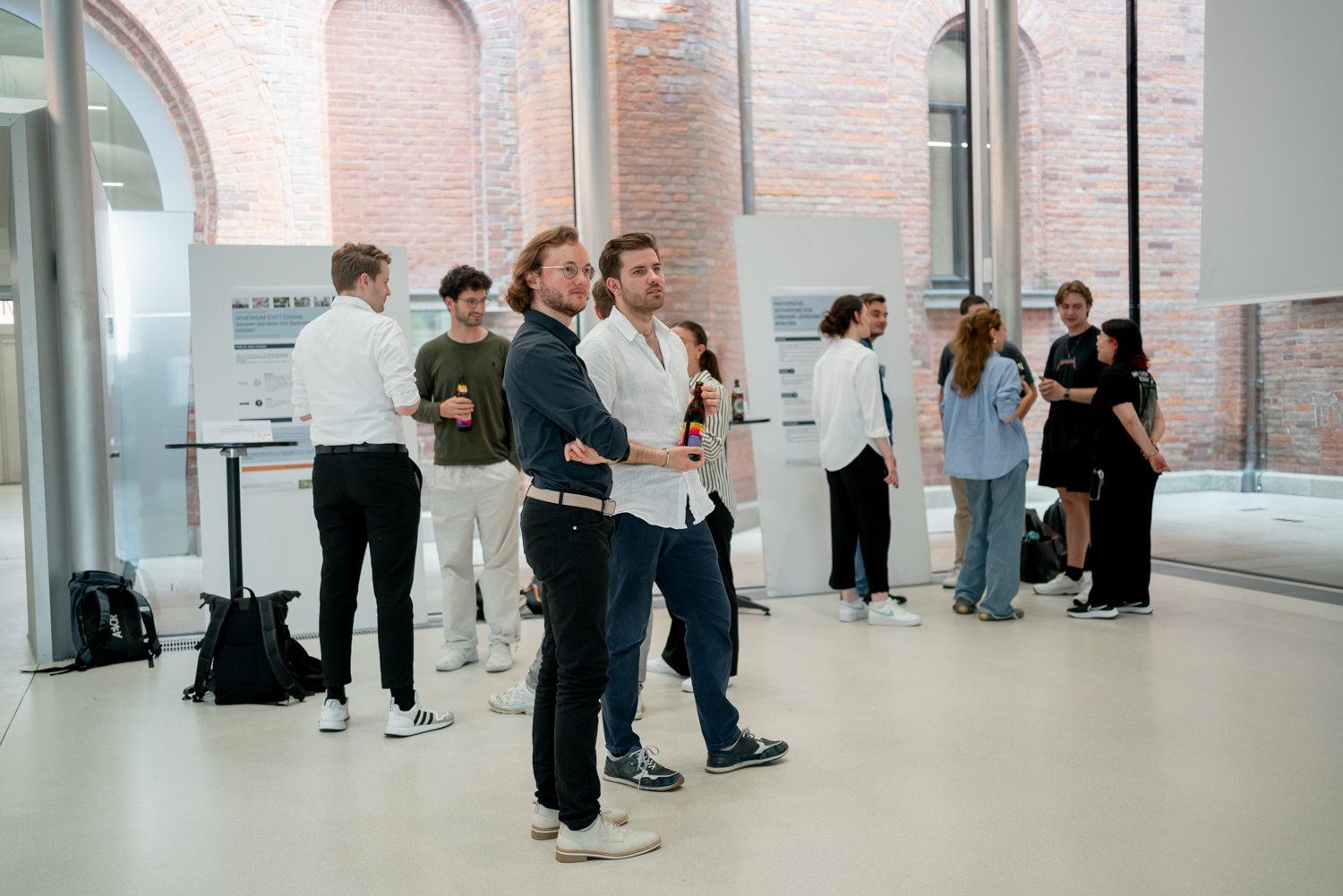
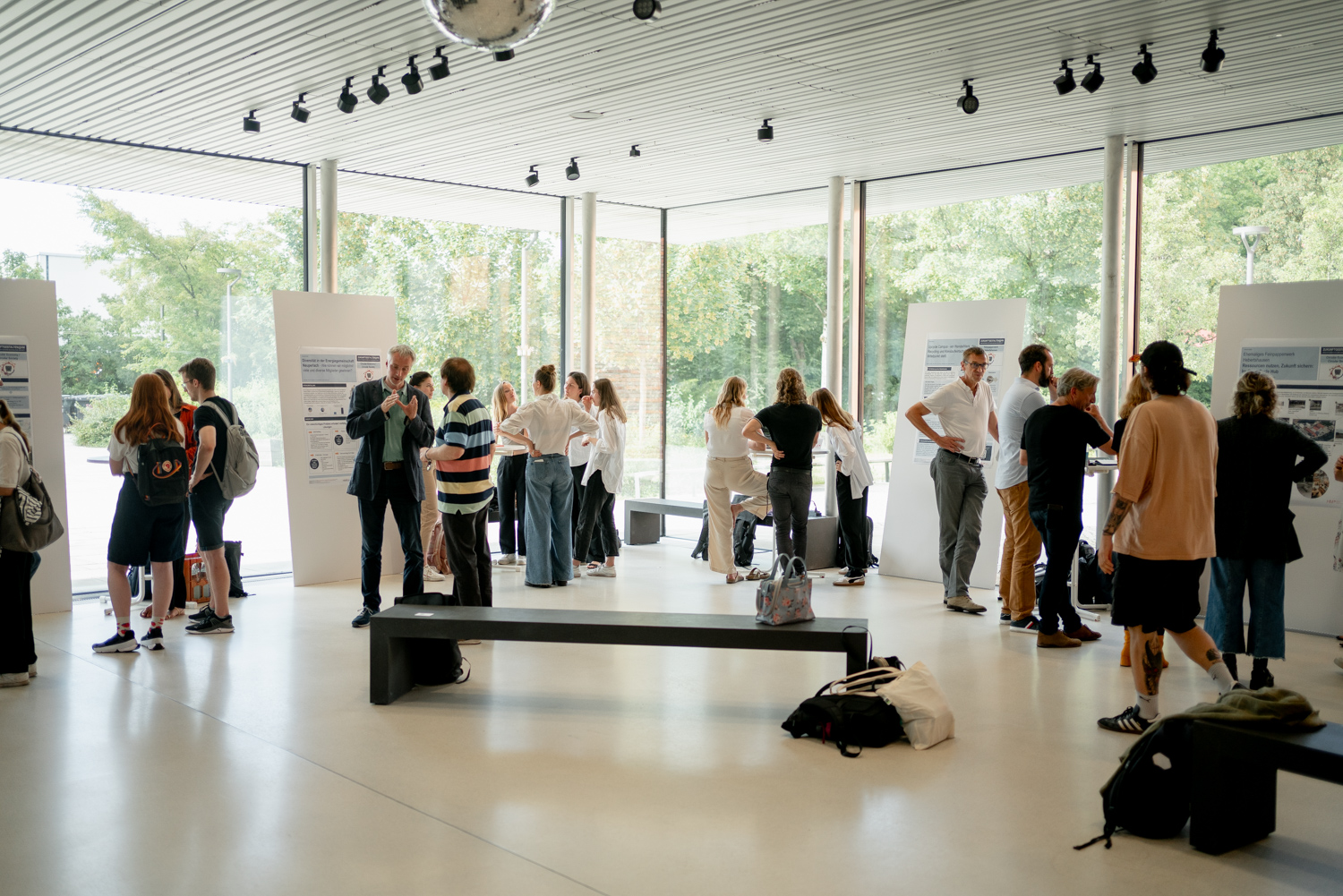
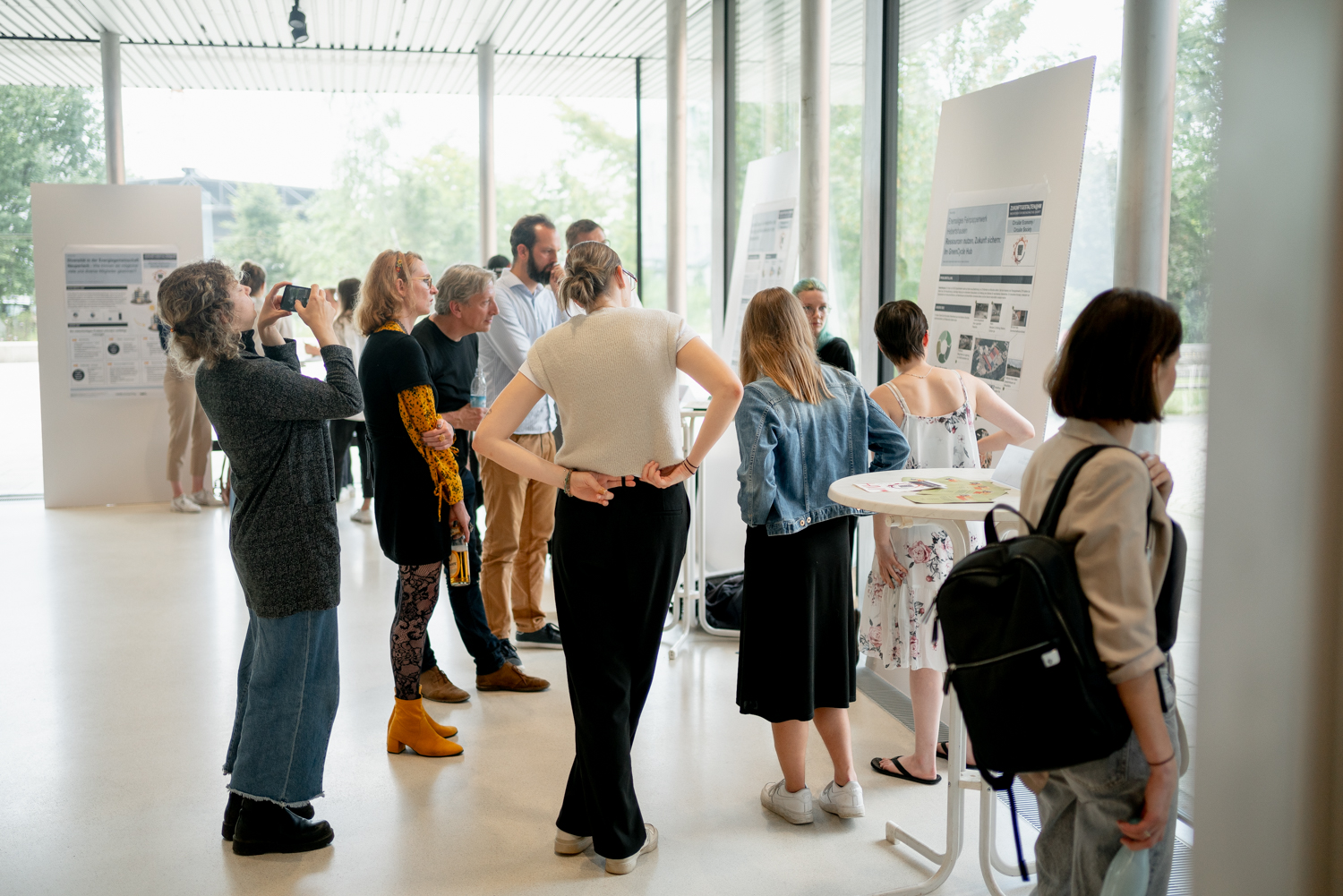
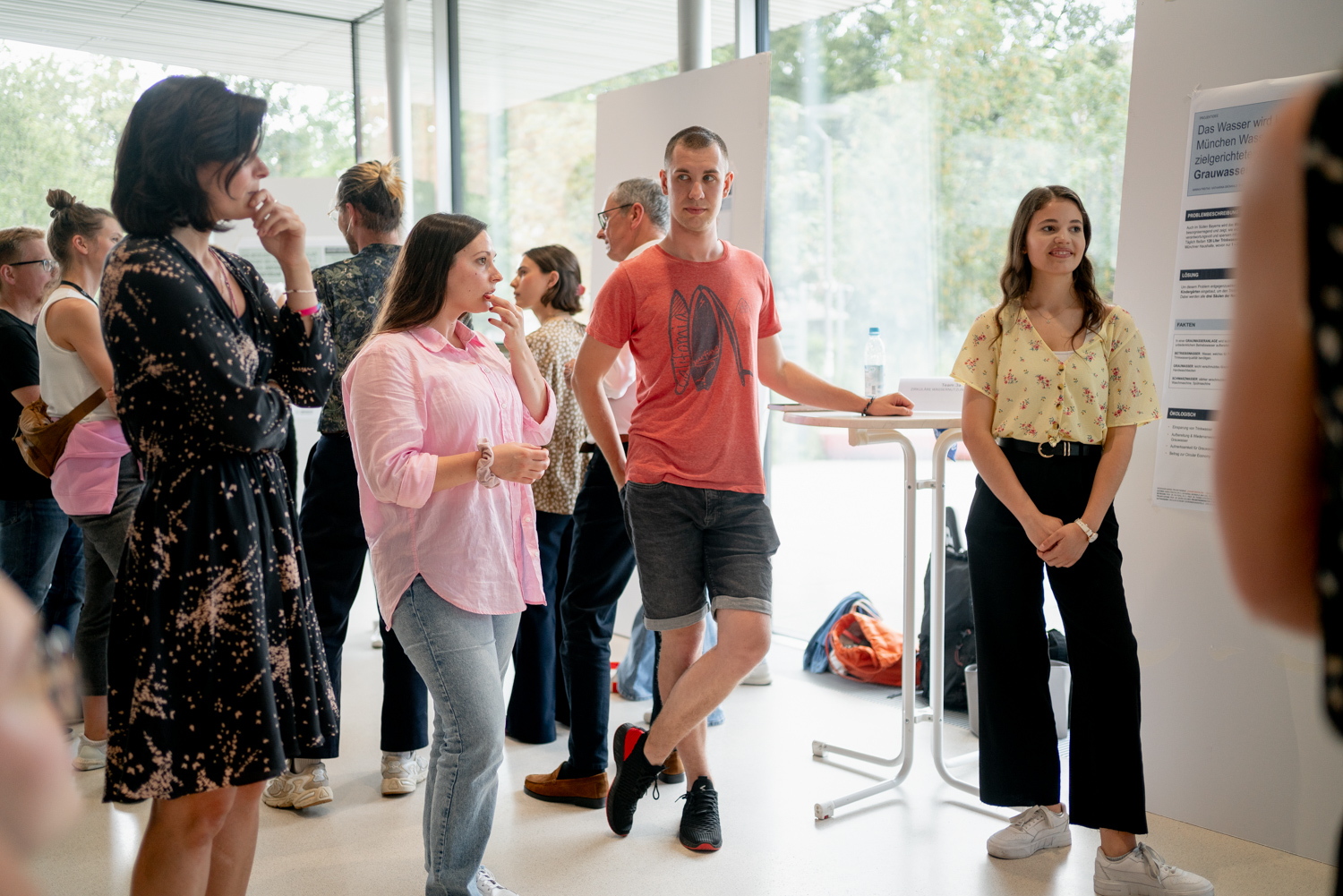
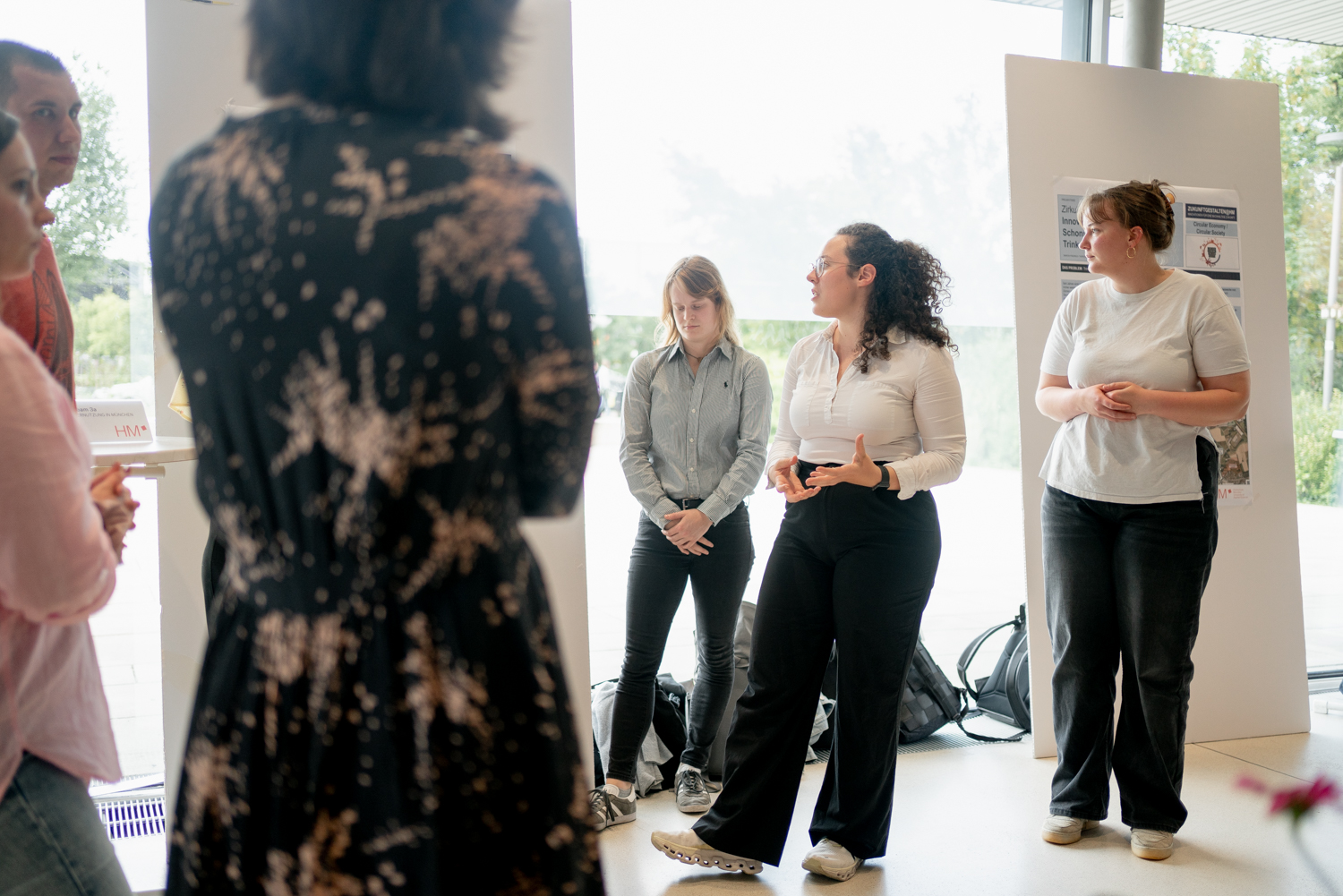
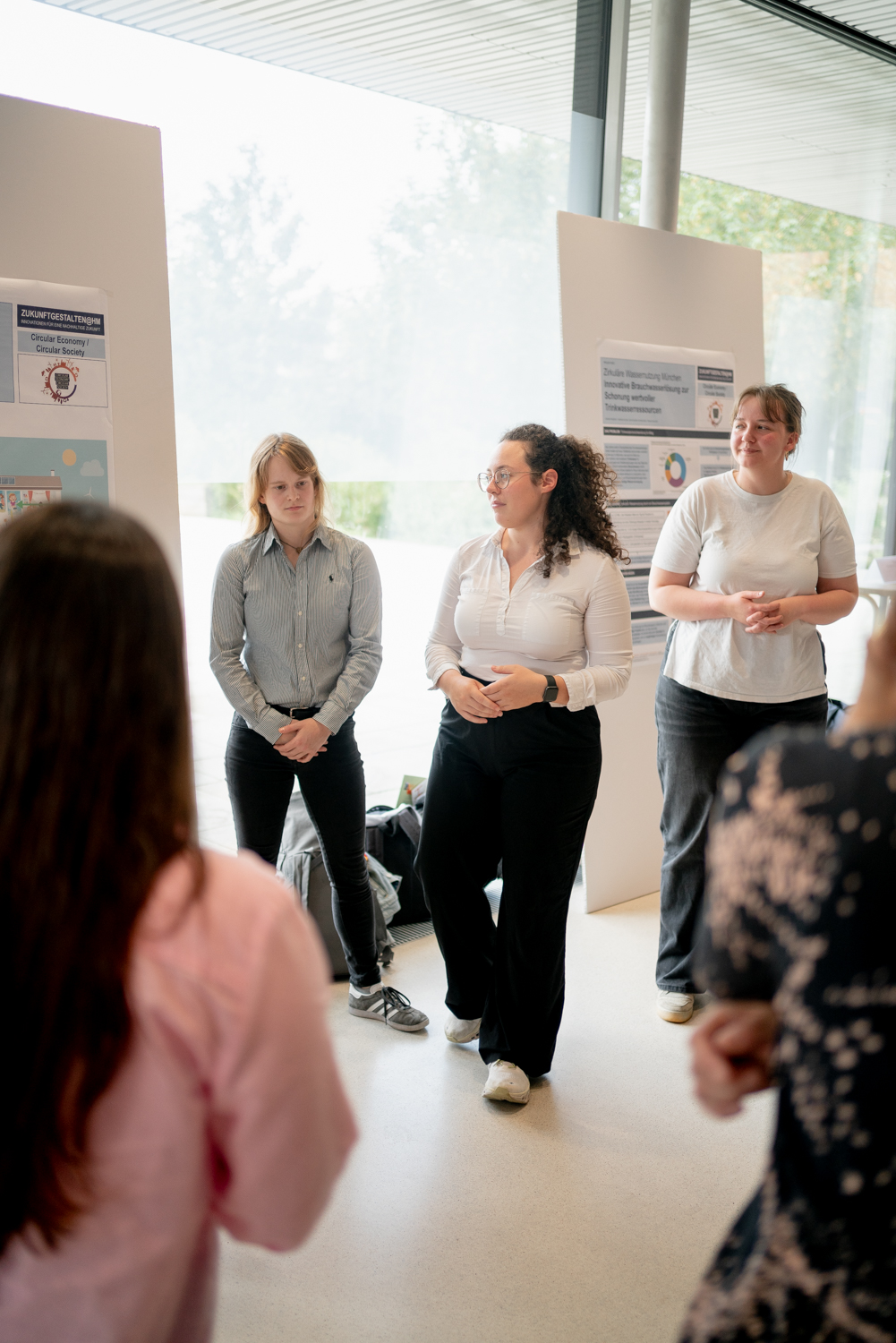
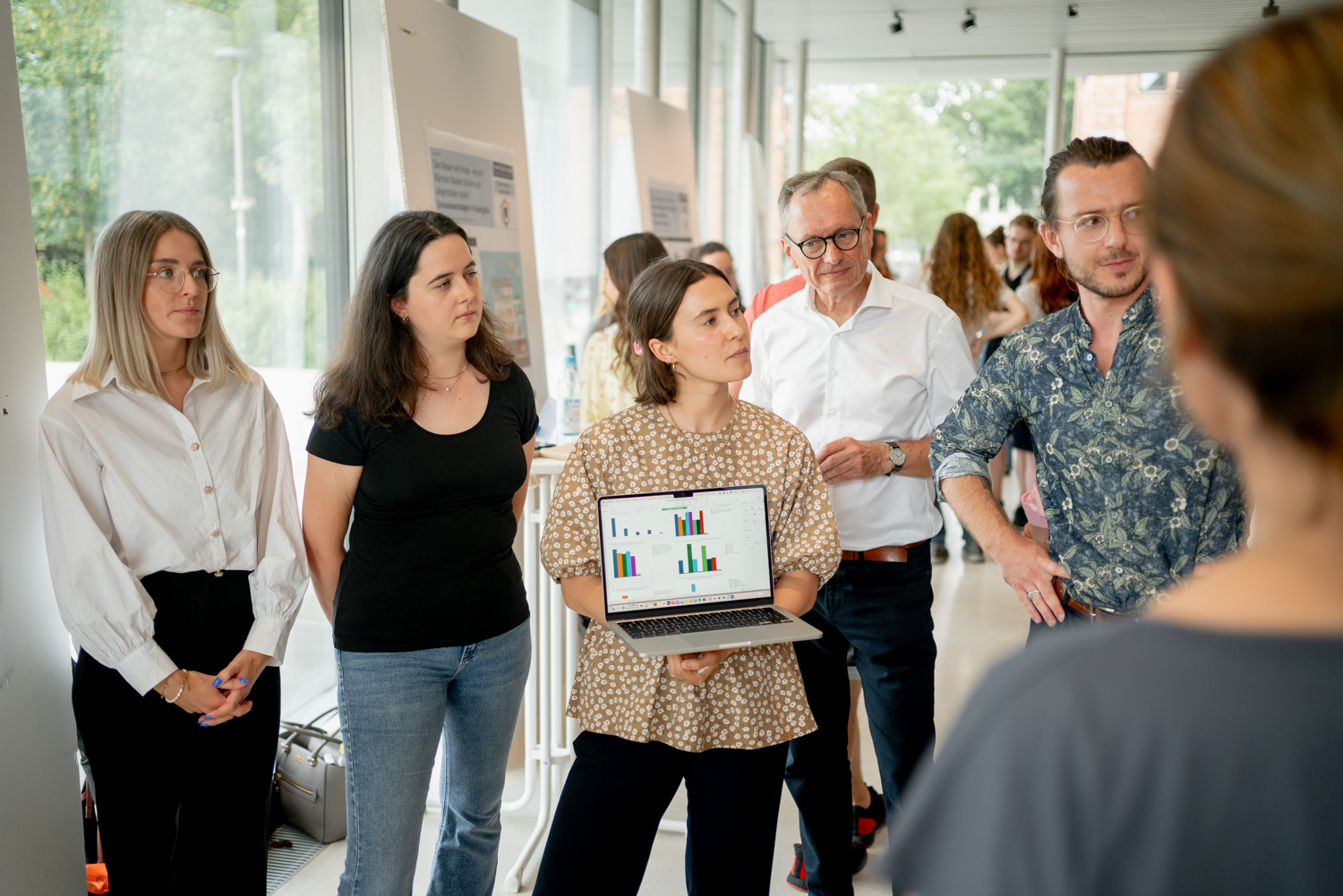
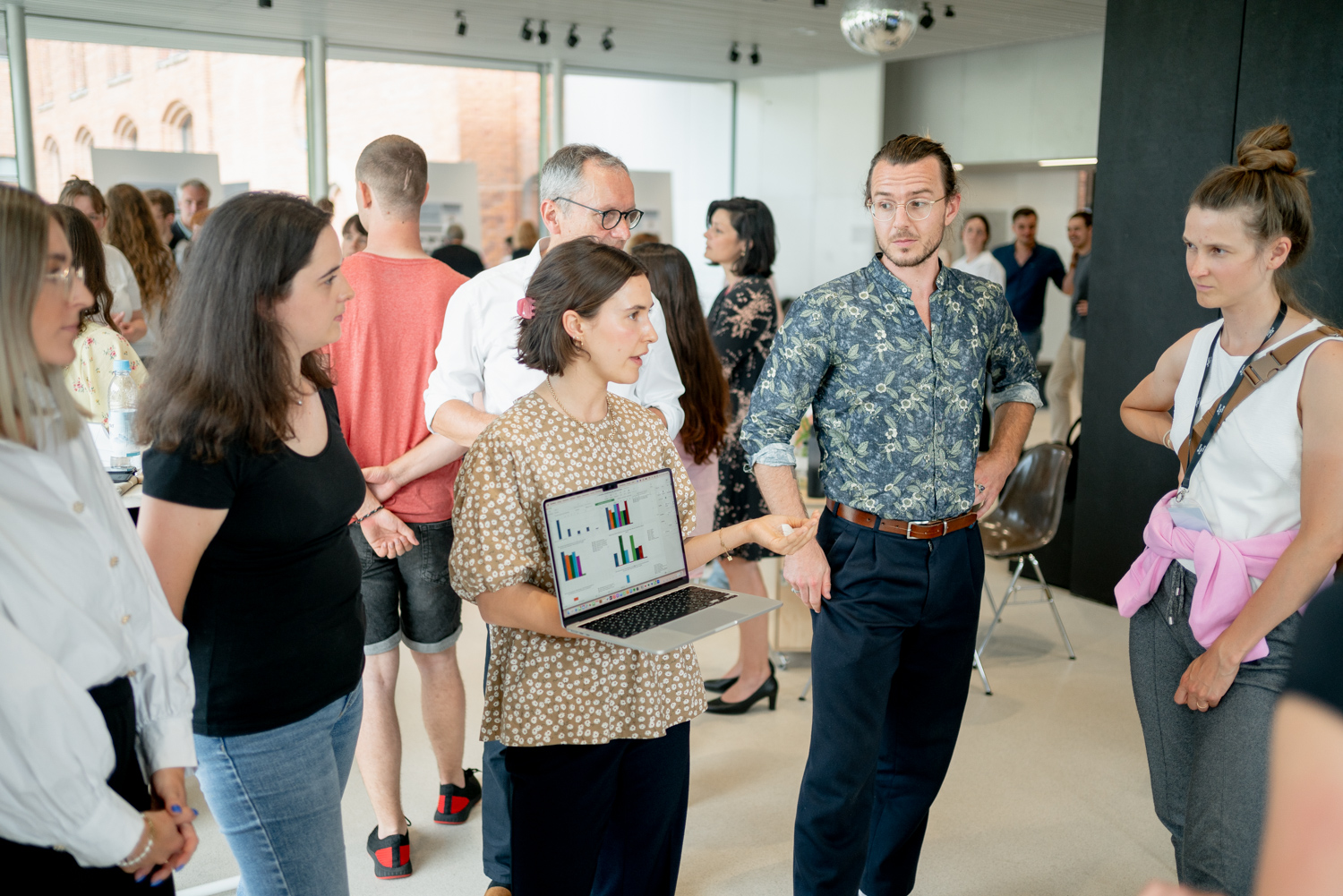
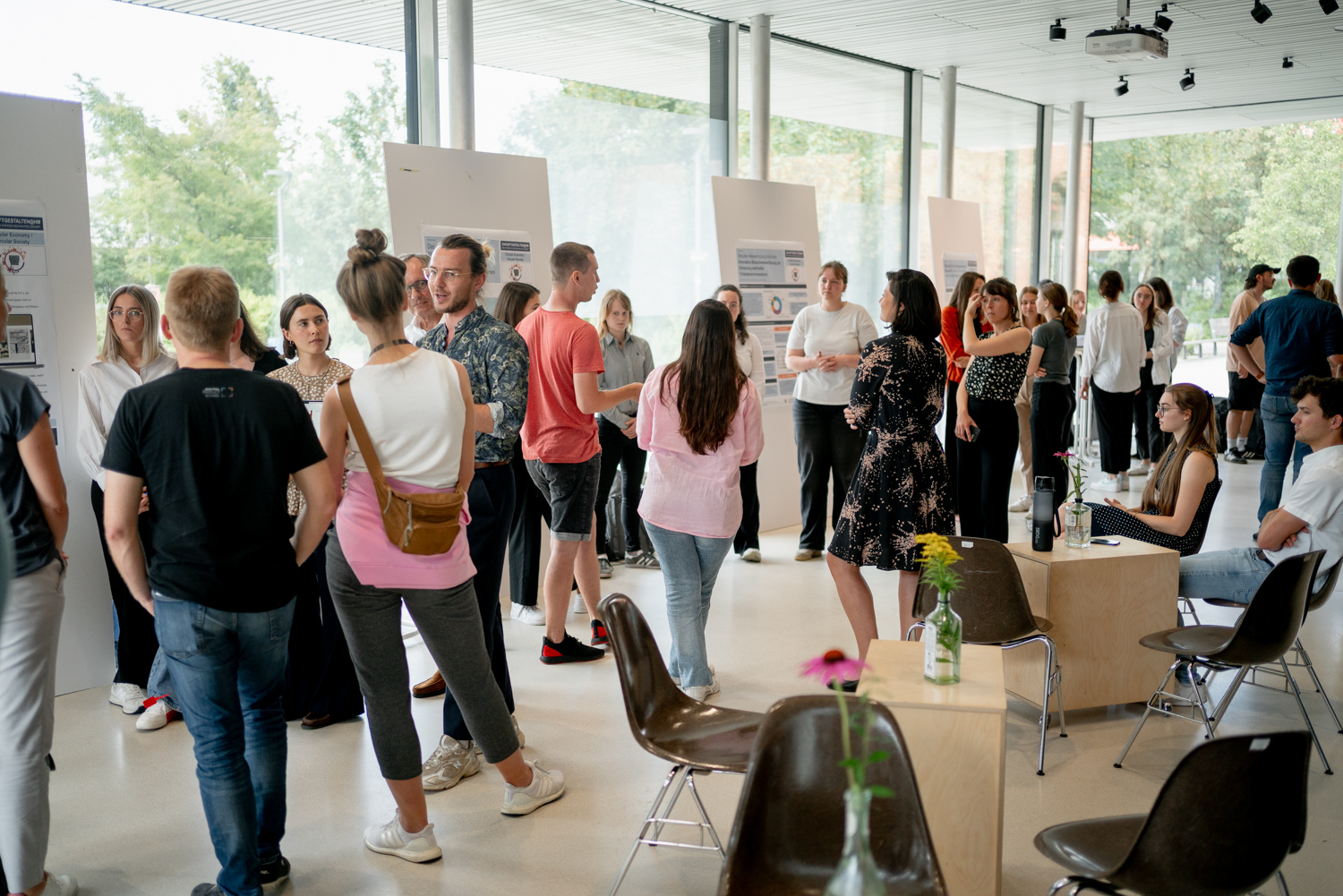
On 27 June, the final presentations of the participating students’ project work took place. The teams first presented their projects in a pitch to fellow students, Professors, practice partners and other guests. The short presentations were followed by a comprehensive poster session, during which the teams explained their projects in detail, answered questions and engaged in discussion with the guests.
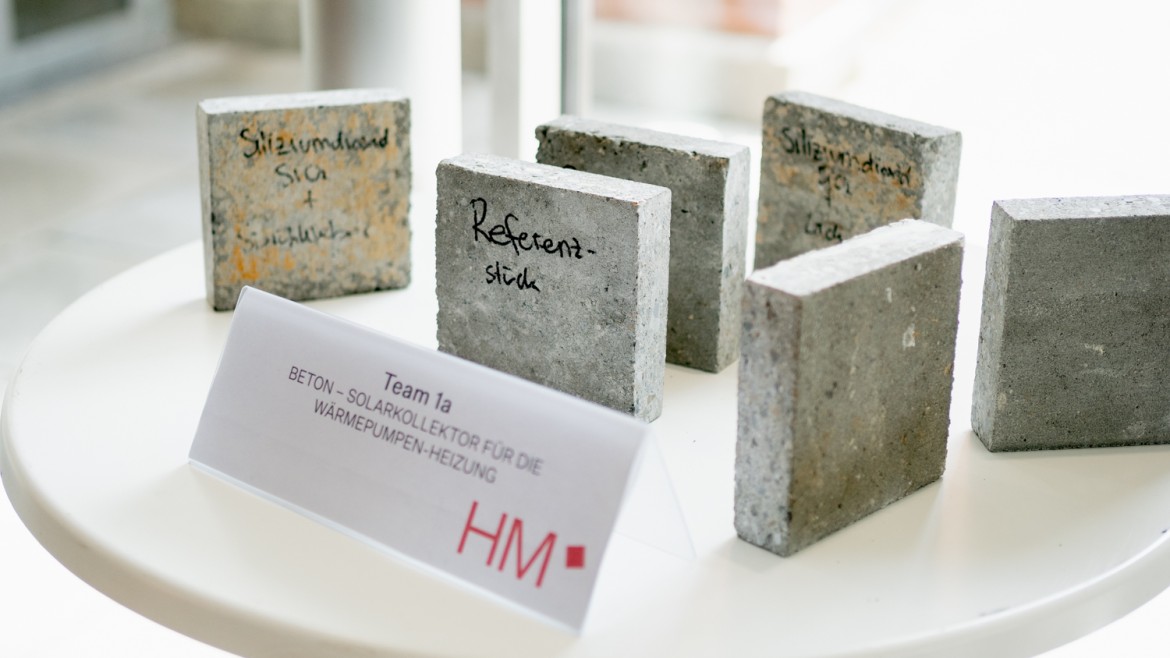
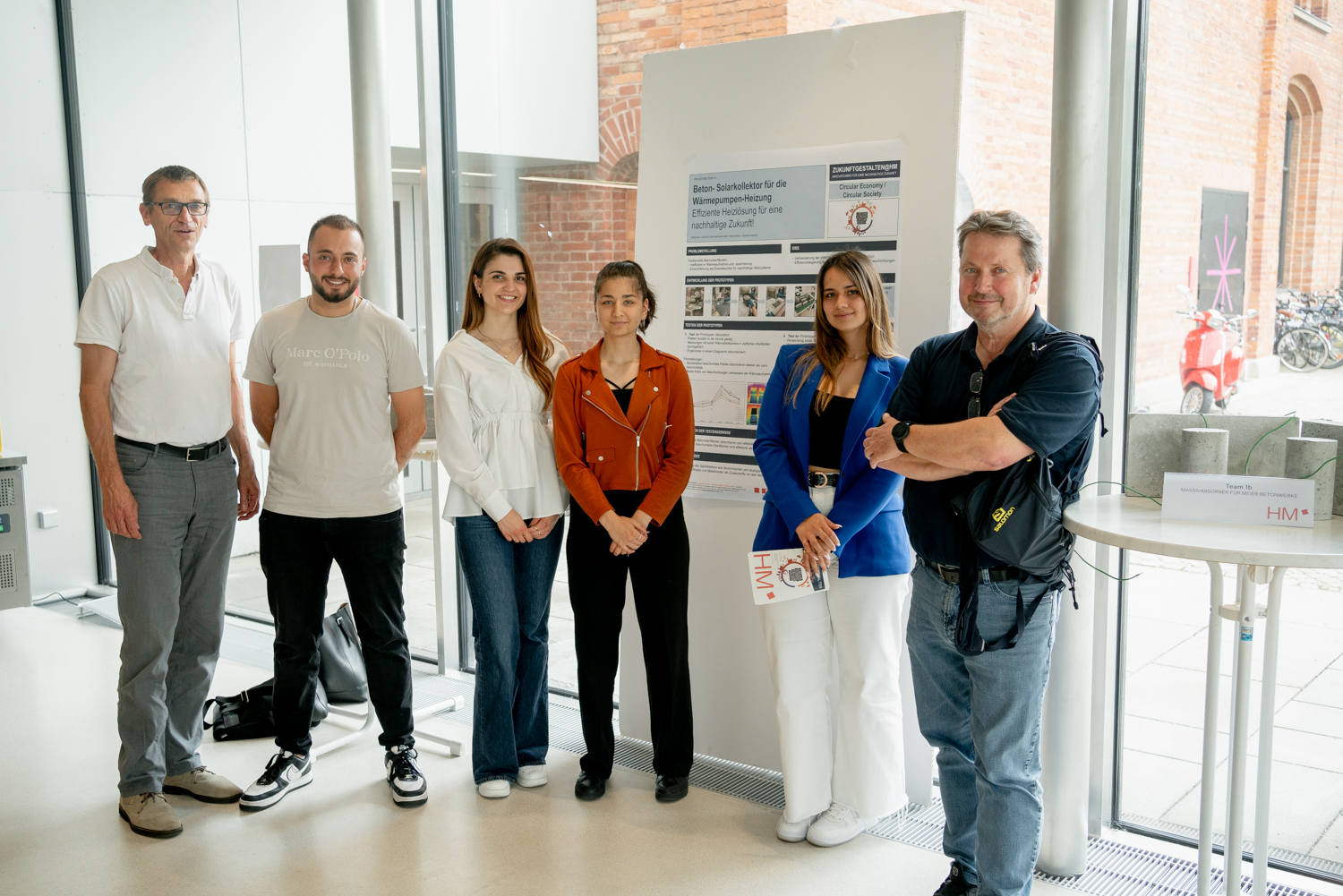
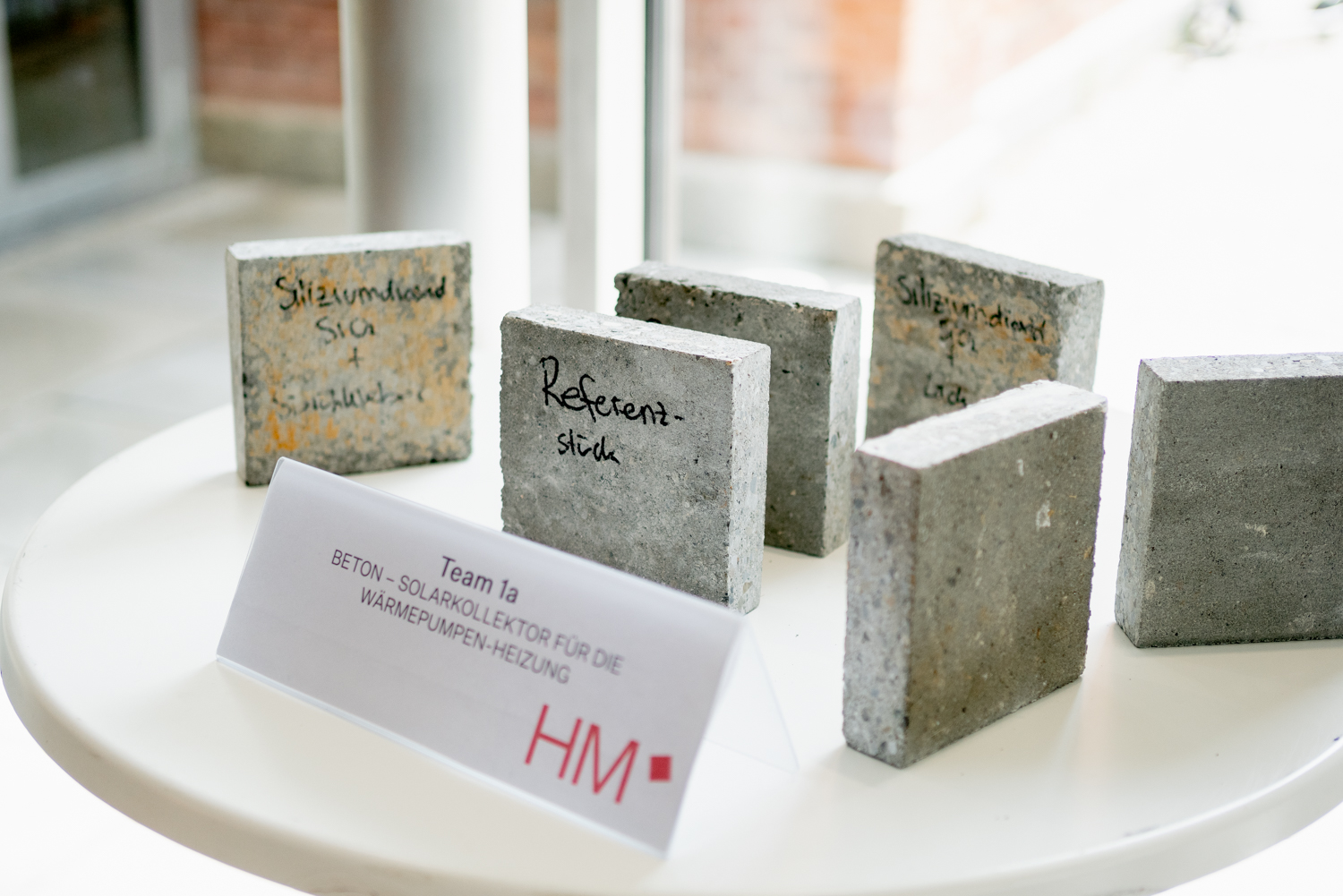
Concrete solar collector for heat pump heating systems
This project centred on the development of a concrete façade element that acts as a solar absorber to collect heat and can be used as a heat source for heating buildings. The aim was to find solutions that would improve the performance of the solar absorber. To this end, the two teams, working in collaboration with Meier Betonwerke, investigated various concrete solar absorbers that make efficient use of solar energy. Also with a focus on energy efficiency in the construction sector, the potential for using façades to generate energy – for example, by means of a heat pump in concrete construction – was investigated through the addition of carbon fibres.
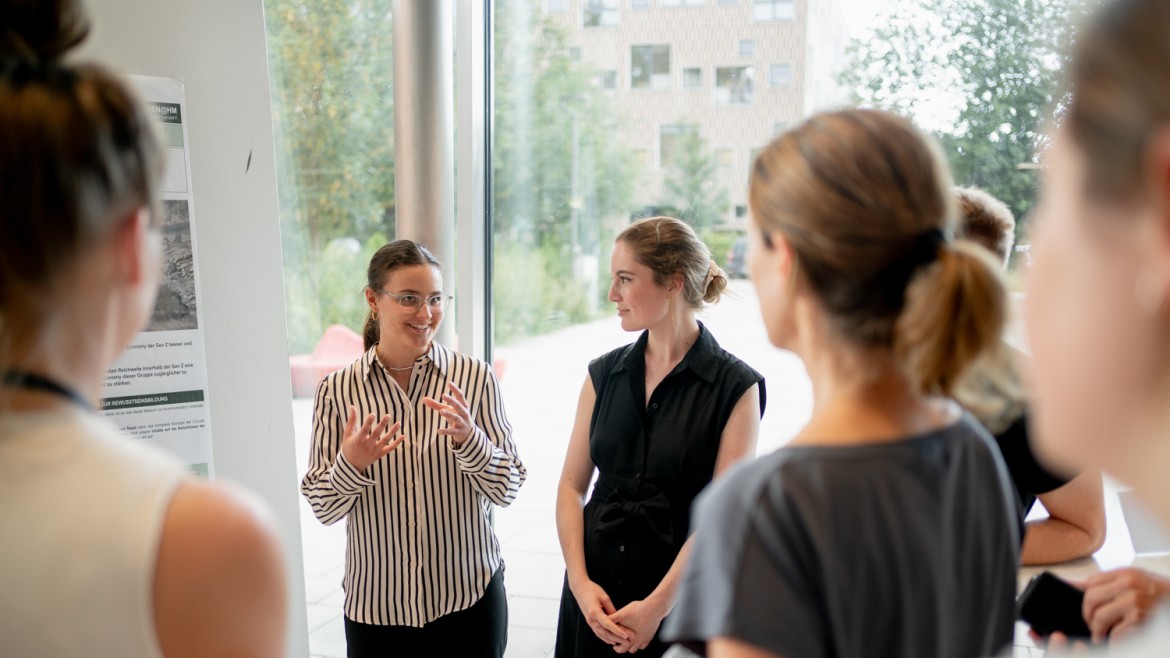
The Circular Economy: From Niche to Mainstream
The students, who explored the topic of the circular economy using UnternehmerTUM’s Circular Republic platform, have developed approaches and concepts. These aim to raise awareness of the circular economy, educate people and provide information via social media. Through narratives and various channels, the aim is to bring the circular economy out of the ‘expert bubble’ and convince people of the importance of using resources responsibly.
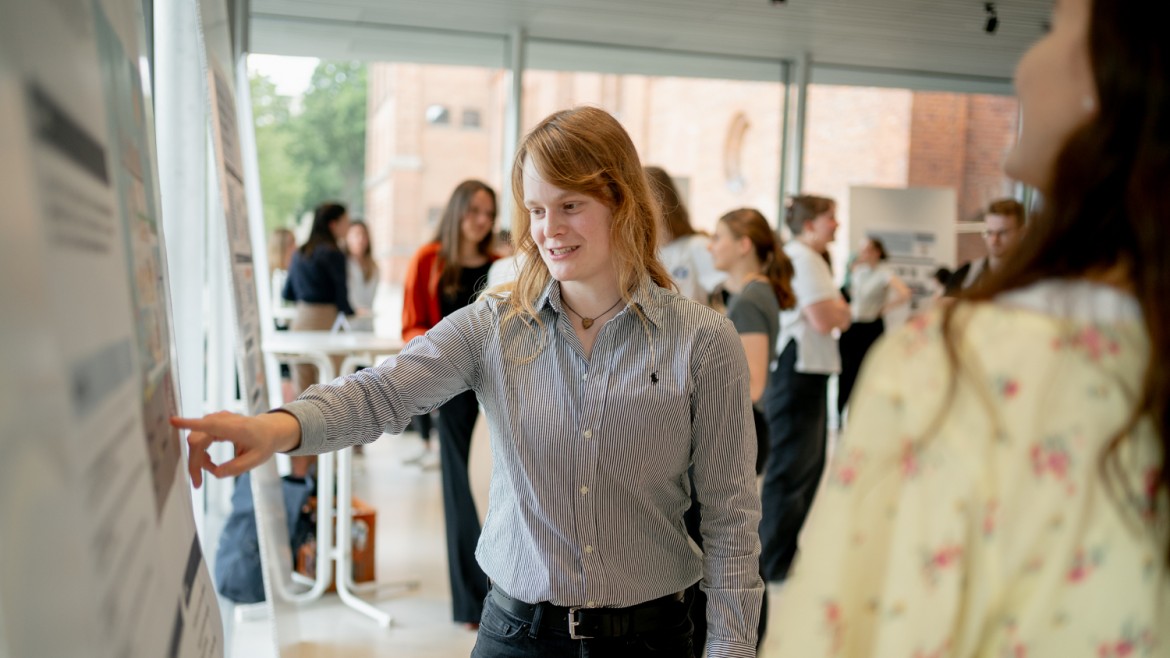
Water is becoming scarce – how can Munich use water in a more circular and targeted way?
The aim of this project was to investigate how the City of Munich could use water more efficiently by reserving drinking water solely for drinking and using locally treated service water for other purposes – those that do not require drinking-water quality. The Circular Economy Coordination Office – CEKS for short – a support unit within the Department for Climate and Environmental Protection of the City of Munich, was responsible for this. The students devised a project to treat wastewater from a brewery and reuse it in an adjacent new-build development. The second group, meanwhile, focused on greywater systems in childcare centres. This enables water to be reused and conserved, and is accompanied by awareness-raising and educational activities on climate protection for children.
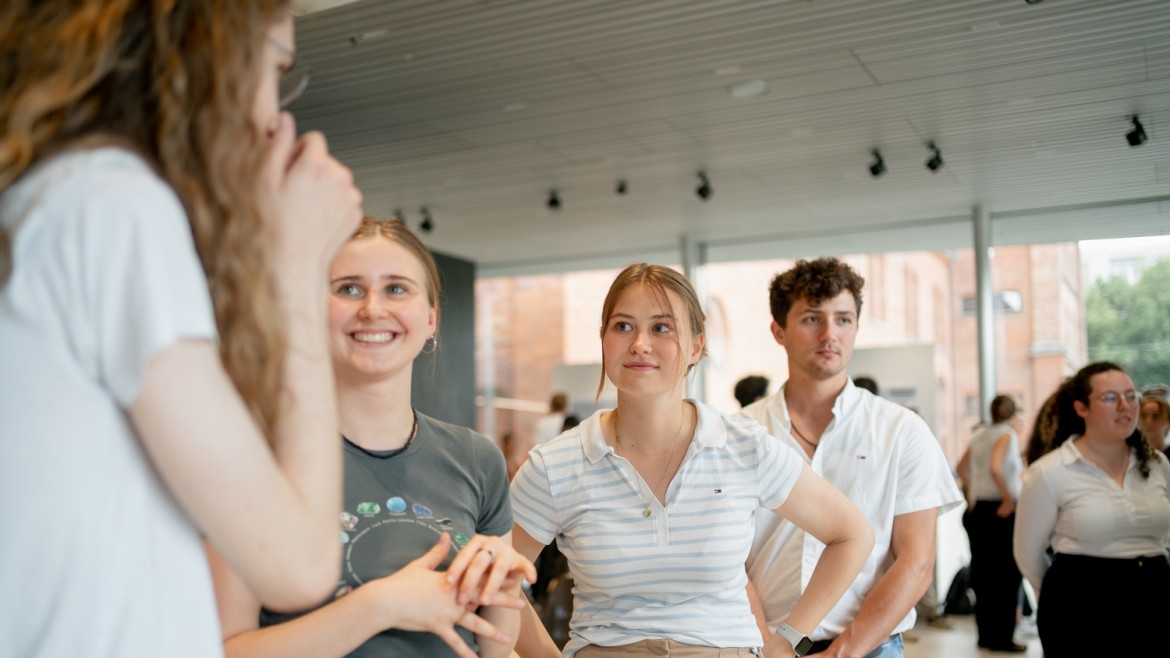
Diversity in co-creation formats – promoting diverse perspectives in urban development
The ‘Creating NEBourhoods Together’ project (NEBourhoods for short) is one of the six European New European Bauhaus flagship projects funded by Horizon Europe. Under the theme of ‘diversity’, the students worked with HM:UniverCity at Hochschule München to develop solutions for a more diverse energy co-operative.
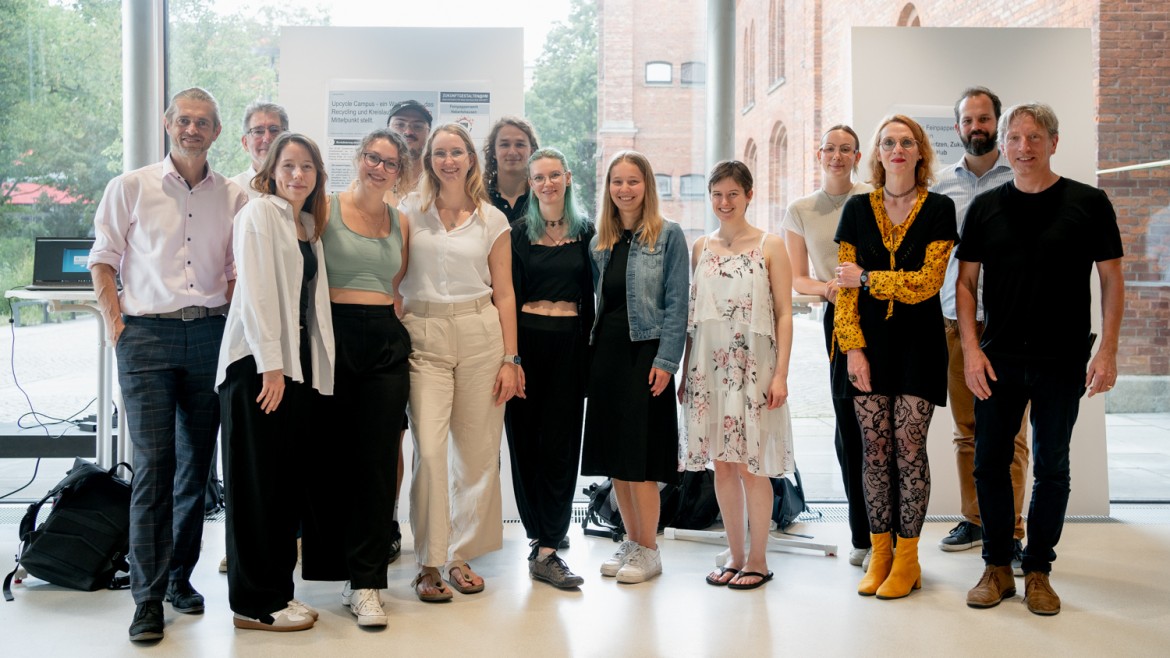
Former Hebertshausen Fine Cardboard Factory
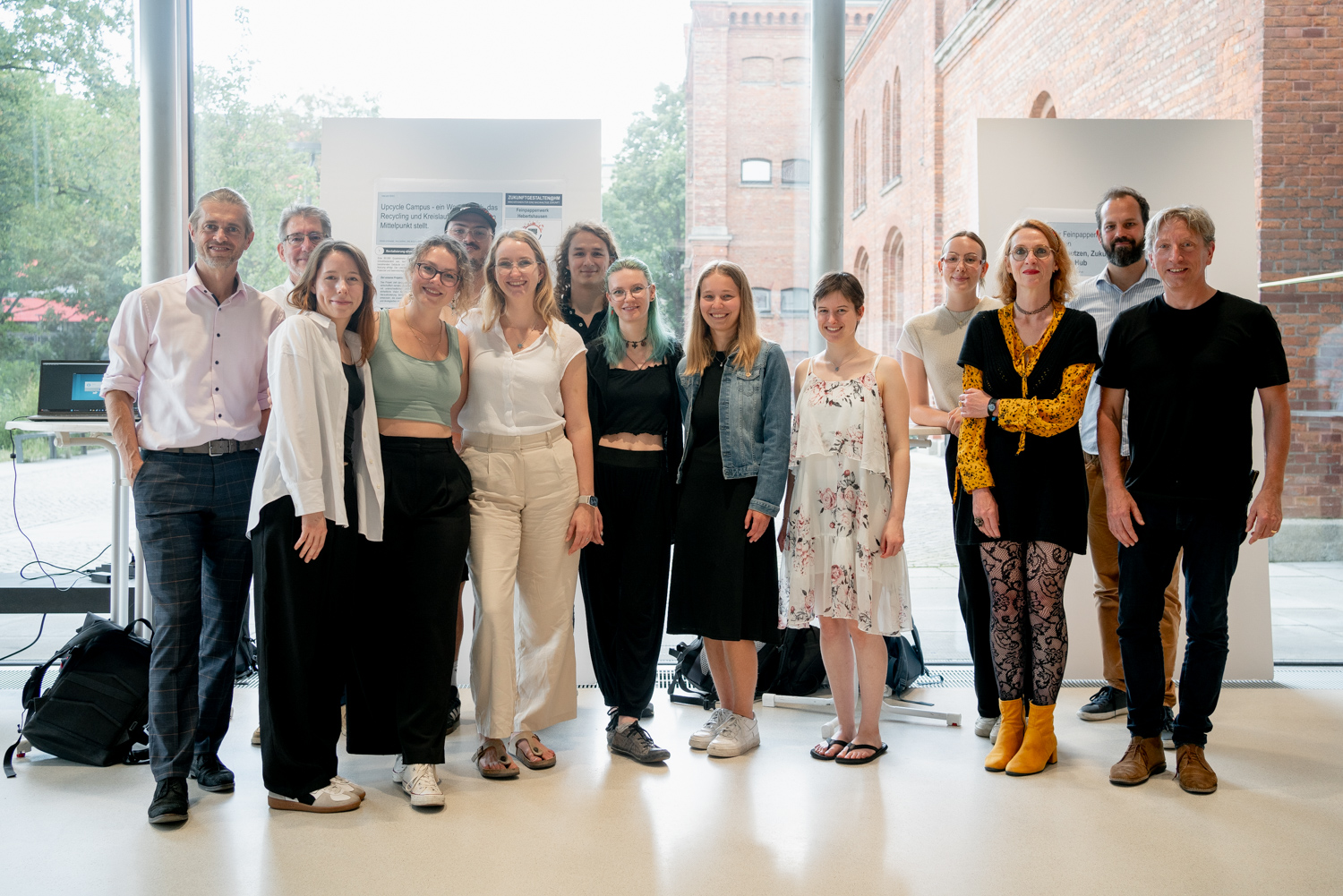
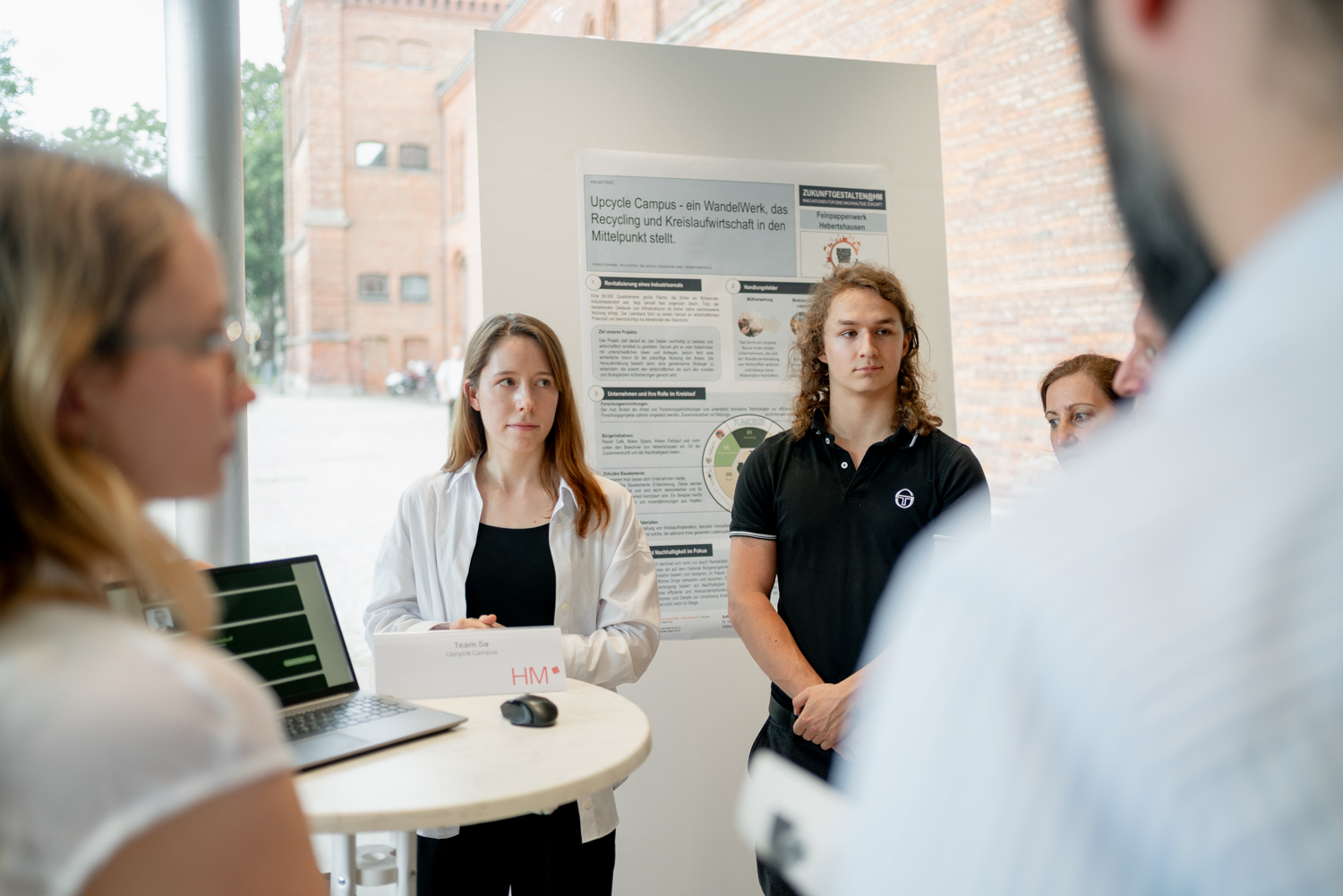
An interdisciplinary ecosystem is to be created at the former Hebertshausen fine cardboard factory. The first companies from the circular food industry (e.g. aquaponics systems) have already set up on the factory site. The fine cardboard factory can be transformed into an ‘Upcycle Campus’, serving as a centre for recycling and community engagement. Another idea is the innovative GreenCycle Hub, a kind of co-working space for a diverse range of businesses. As the local council is already very active in the areas of sustainability and civic engagement, the mayor of Hebertshausen showed great interest in the concepts put forward by the two teams and is in contact with them to develop these ideas further.
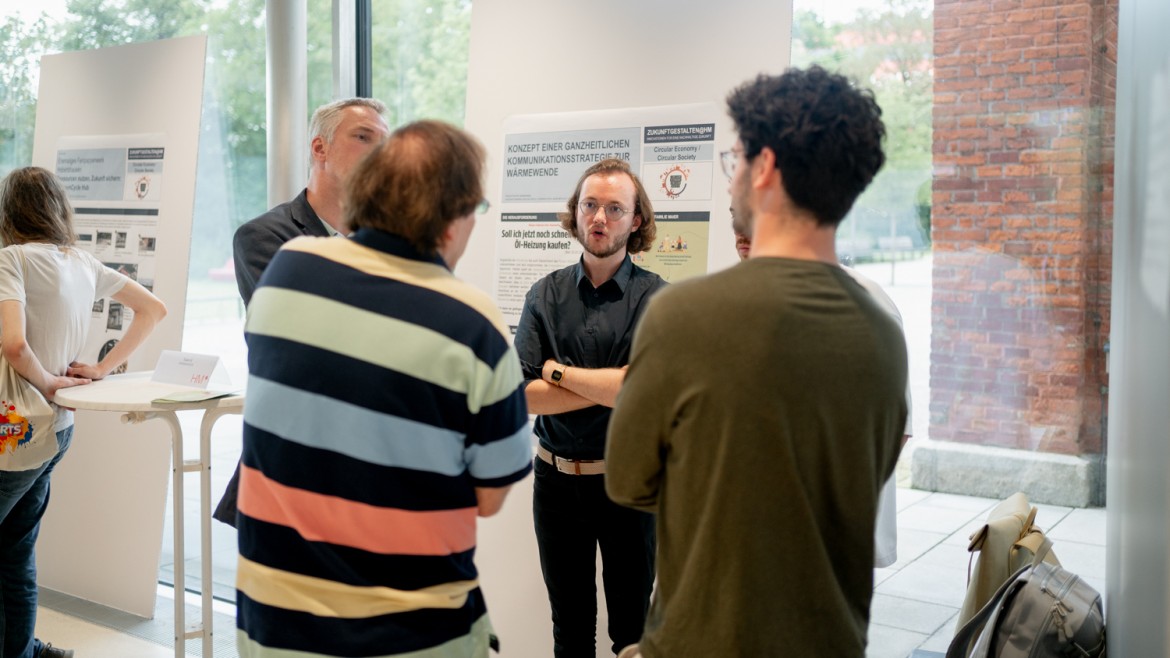
Actively supporting the implementation of the heating transition at local authority level
Local implementation through municipal heating planning poses significant challenges for local authorities and energy suppliers. The aim here is to bring a sense of objectivity to what is sometimes a heated debate and to draw up a plan that engages both citizens and elected representatives alike, and develops solutions rather than fuelling fears. The team, which worked with Lechwerke AG on forward-looking heating solutions, provided information on alternative heating systems that do not rely on fossil fuels, with a view to reducing heating costs and playing a part in the heating transition.
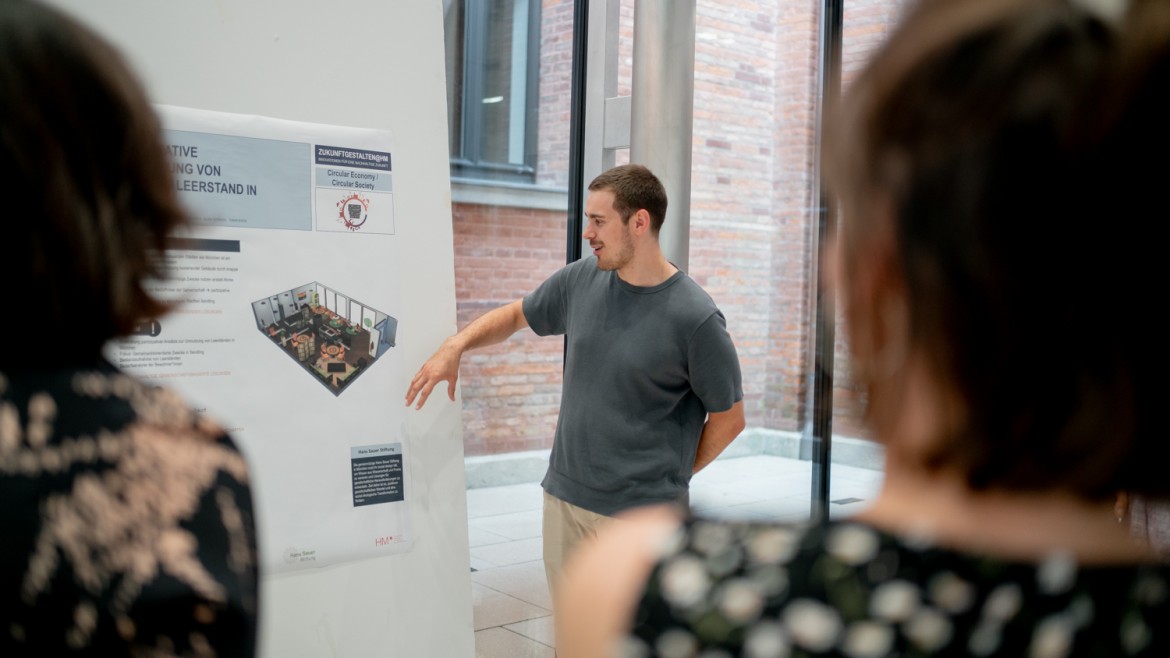
Participatory regeneration of urban vacant properties in Munich
The aim of the project was to revitalise and repurpose vacant buildings in Munich for the public good. In collaboration with the Hans Sauer Foundation, these teams presented concepts for the redevelopment and use of vacant urban properties in the Sendling district of Munich. Through discussions with older people and young people, it was possible to identify vacant buildings and spaces in Sendling. At the same time, the need for their use was assessed.
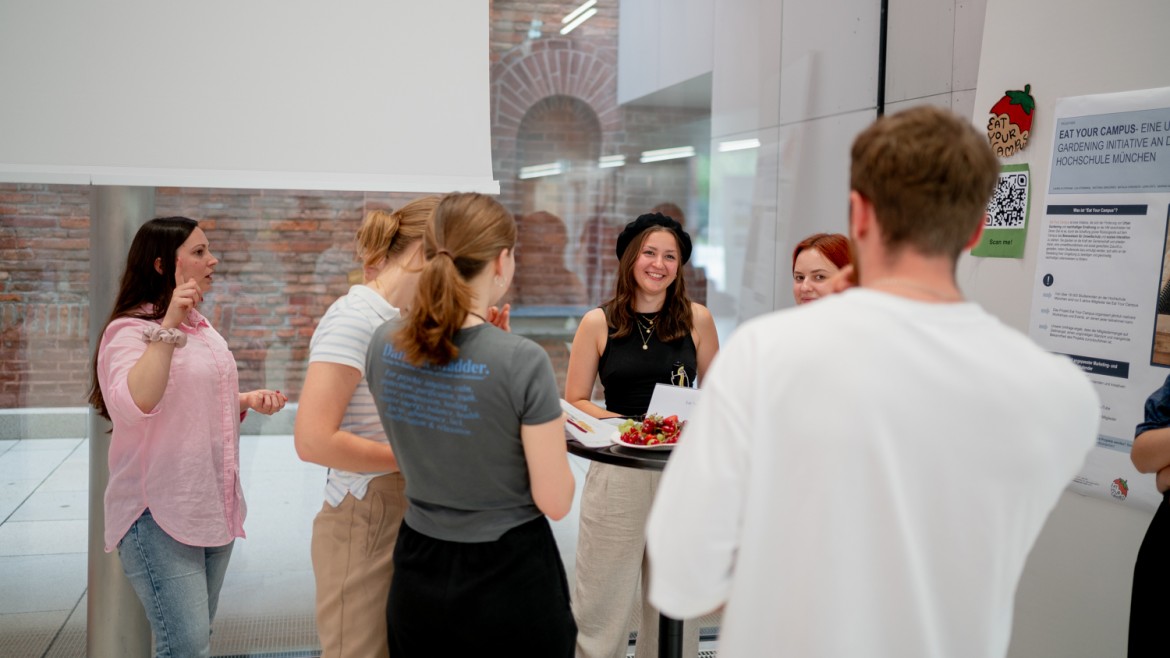
Continuation of the EatYourCampus student project
EatYourCampus is a student-led urban gardening initiative founded in 2022 at Hochschule München by students on the Social Innovation Management degree programme. “Eat Your Campus” promotes environmental awareness and social interaction. A marketing and activities calendar, along with a promotional video, are designed to get more students excited about the project.
This year’s practice partners and challenge organisers
CIRCULAR REPUBLIC gGmbH
“Circular Economy: From Niche to Mainstream”: What narrative and which channels can we use to bring the circular economy out of the experts’ bubble?
Hans Sauer Foundation
: Revitalisation and repurposing of vacant buildings in Munich’s Sendling district for public-interest purposes.
HM:UniverCity
– Creating Neighbourhoods Together: How can participatory neighbourhood development succeed?
Hebertshausen
Circular Hub Initiative: An interdisciplinary ecosystem is to be created at the former Hebertshausen fine board factory. The first companies from the circular food industry (e.g. aquaponics systems) have already set up on the site of the fine cardboard factory. What approaches can ensure that the redensification of a former industrial site is both sustainable and future-proof?
City of Munich
The Circular Economy Coordination Office – CEKS for short – is a support unit within the City of Munich’s Department for Climate and Environmental Protection. It supports and facilitates the reduction of resource consumption in Munich. How can the City of Munich use water more efficiently by reserving drinking water solely for drinking and using locally treated service water for other purposes that do not require drinking-water quality?
Lechwerke AG
: Actively supporting the implementation of the heating transition at local authority level. How can we support the public in the transition to new heating systems, whilst involving local authorities and energy suppliers?
MEIER Betonwerke
: Development of a concrete façade element that acts as a solar absorber to collect heat and can be used as a heat source for heating buildings.
Student initiative: EatYourCampus
How can the EatYourCampus project’s presence at the university be strengthened, not only to raise its profile but, above all, to develop a way of ensuring the project’s long-term sustainability?