World Climate Conference in Egypt – COP27
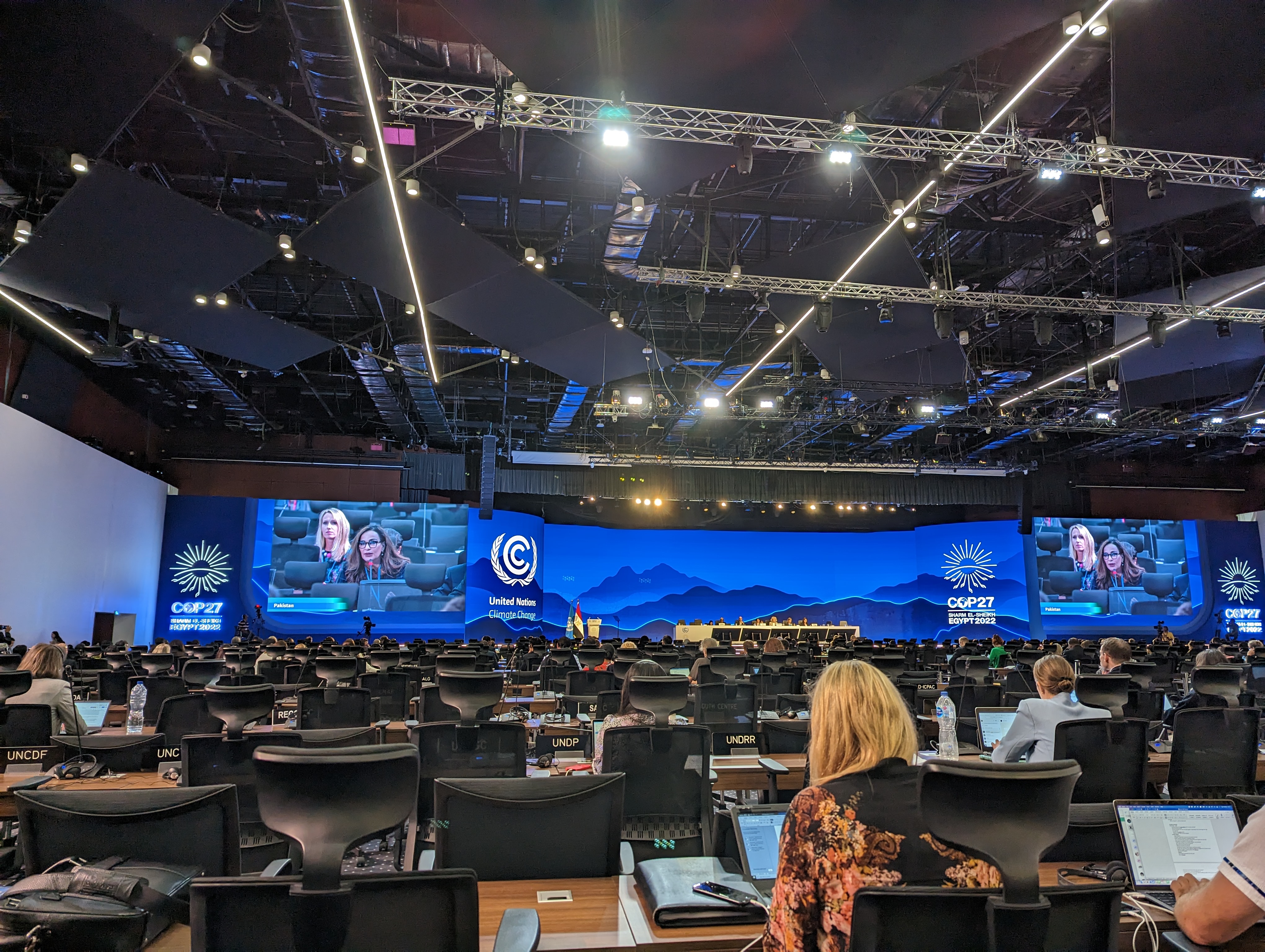
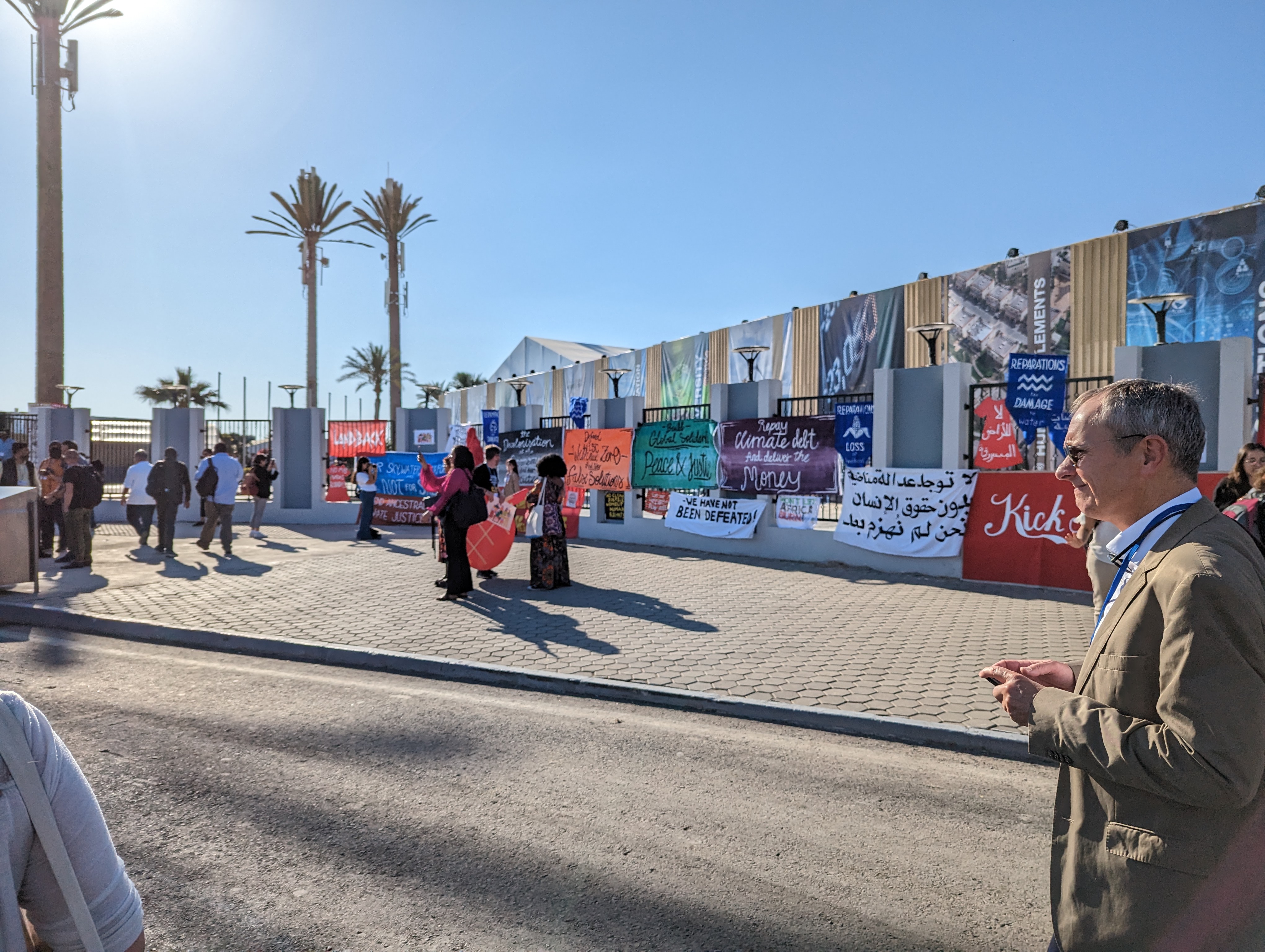
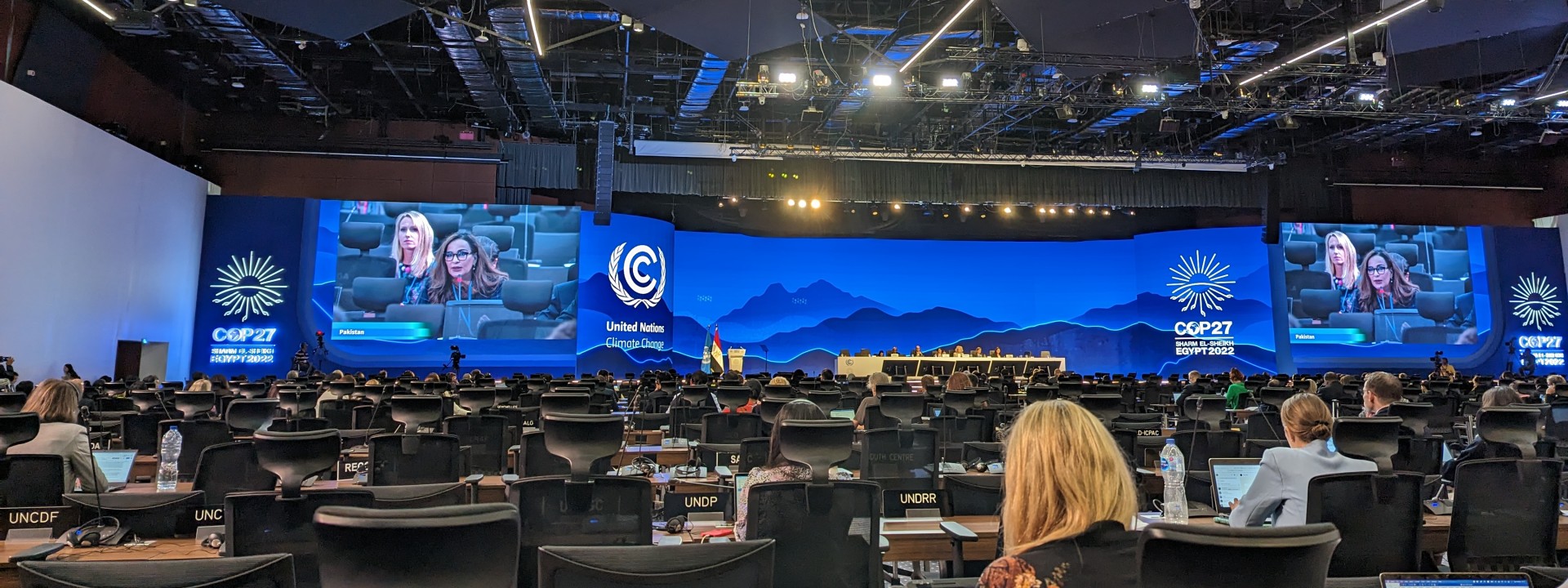
COP27 – the Conference of the Parties – is the 27th United Nations Climate Change Conference, which took place in Sharm El-Sheikh (Egypt) in 2022. The United Nations organised this event to bring people together to discuss the current situation regarding climate change. Under the slogan #togetherforimplementation, the 197 participating countries focused primarily on how to slow down global warming. The question of how to deal with the consequences of climate change was also a key topic of discussion among those present.
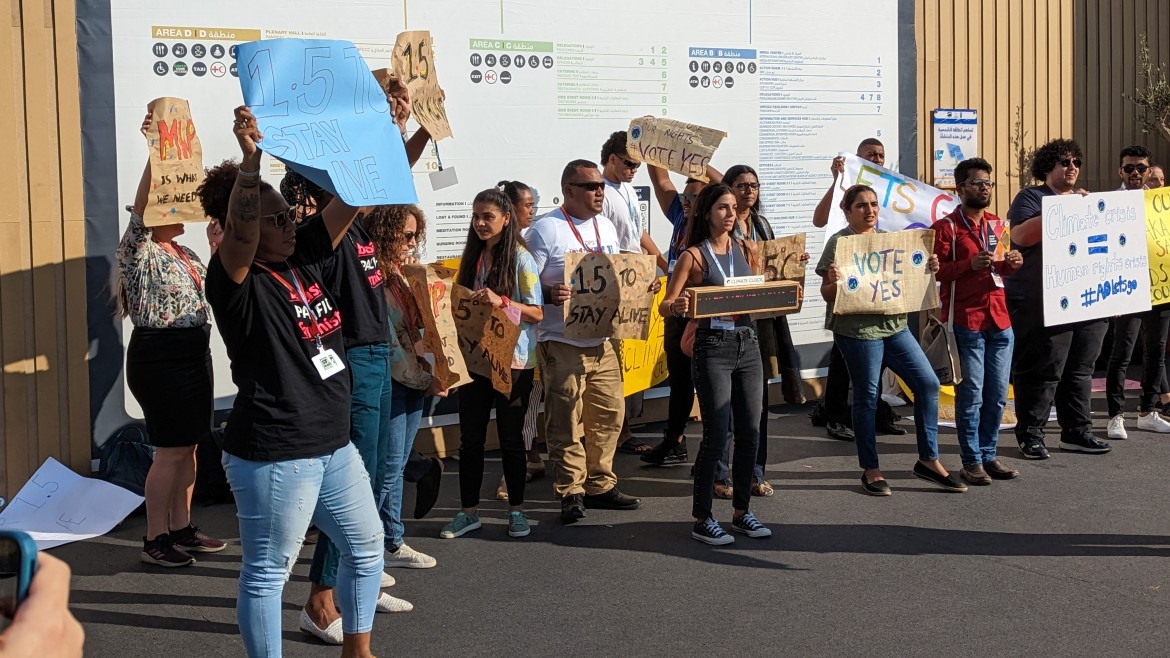
Objectives of the Climate Conference
Looking back at previous COPs, it quickly becomes apparent that, at the end of the conferences, precise commitments and action plans to ensure compliance with the 1.5-degree target were rarely developed. However, this year was set to be different: a concrete aim was to develop rules and mechanisms that would turn words into action in order to reduce global warming. Alongside the mitigation target, there were three further main objectives. Under the heading of ‘adaptation’, the aim was to establish an expanded global action plan for adapting to climate change. Furthermore, the issue of funding was one of the key objectives, as developing countries suffer most from the negative impacts of climate change. Consequently, US$100 billion is to be made available to the affected countries by 2025 to compensate for the damage incurred to date. All these objectives can only be achieved if cooperation is pursued to ensure the representation of all relevant stakeholders, particularly vulnerable groups.

HM heads to COP27
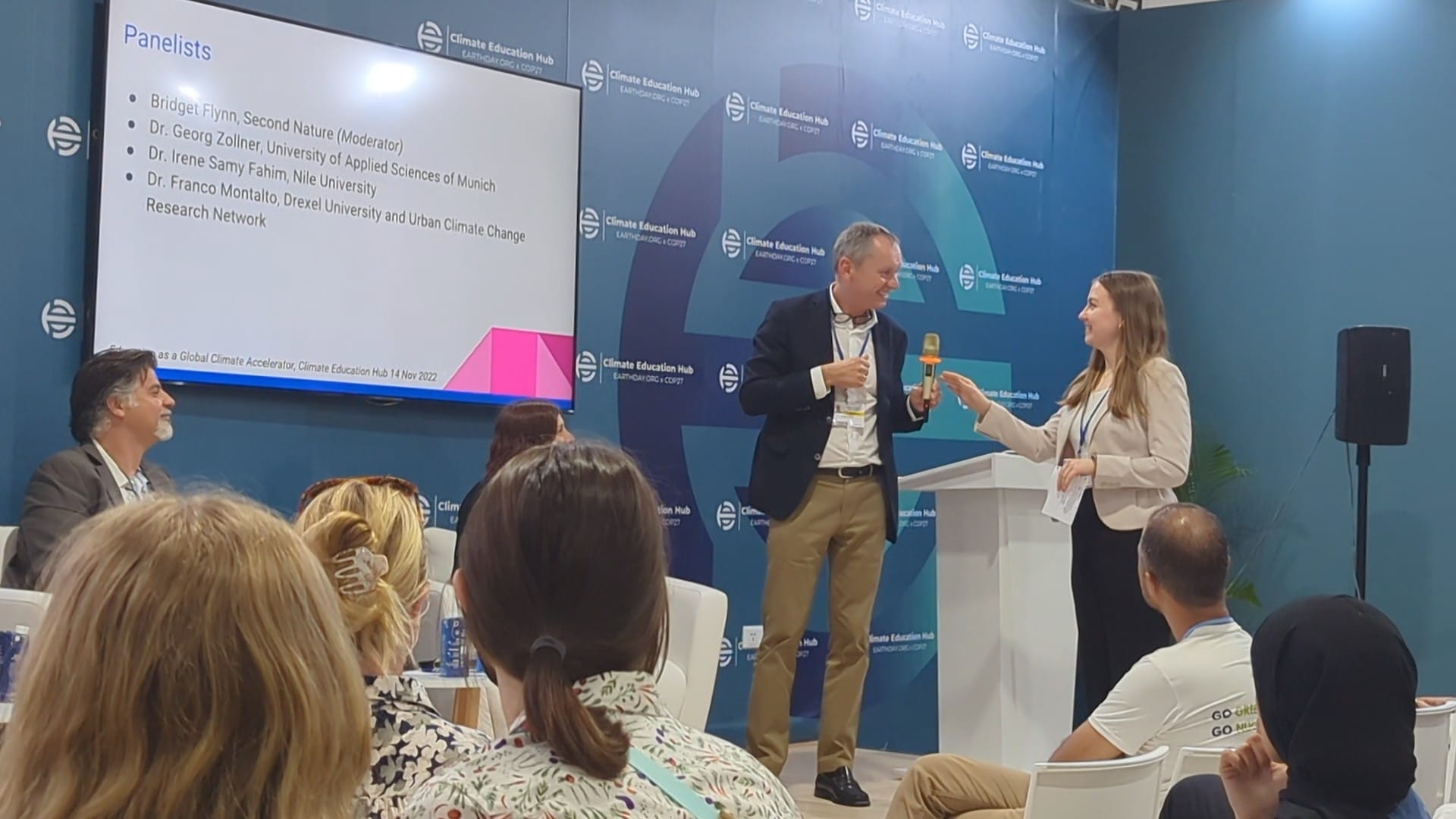
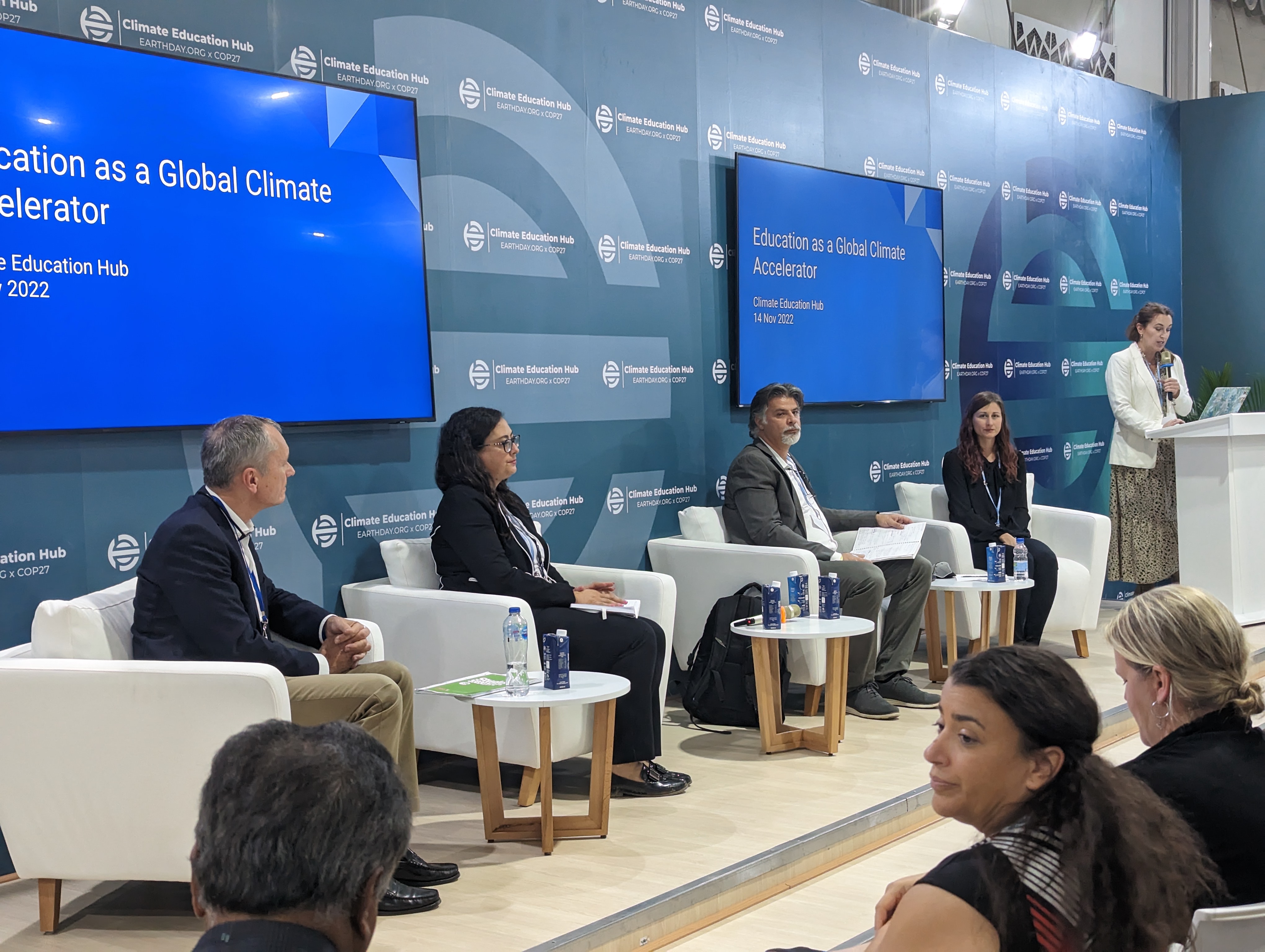
The 12-day UN Climate Change Conference took place from 6 November to 18 November, with just under 35,000 registered participants, including government representatives, observers from non-governmental organisations, scientists and journalists. As Hochschule München is one of the few universities in Germany to hold observer status – an initiative spearheaded by Prof. Dr.-Ing. Thomas Ackermann – a delegation from the university travelled to Egypt during the second week of the conference.
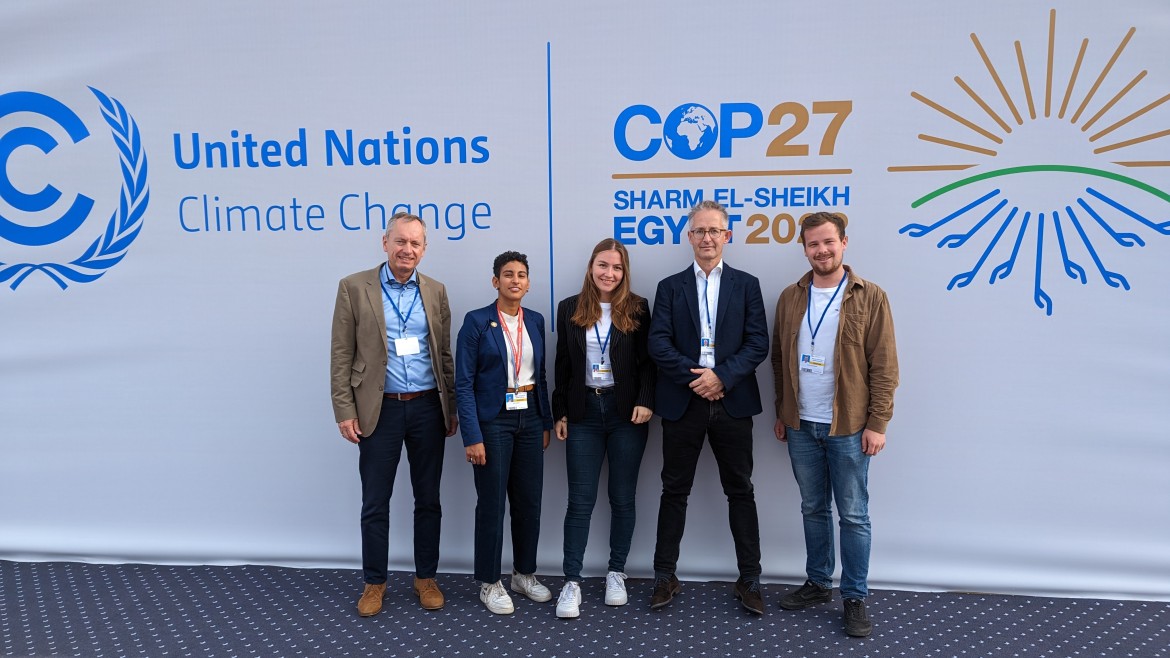
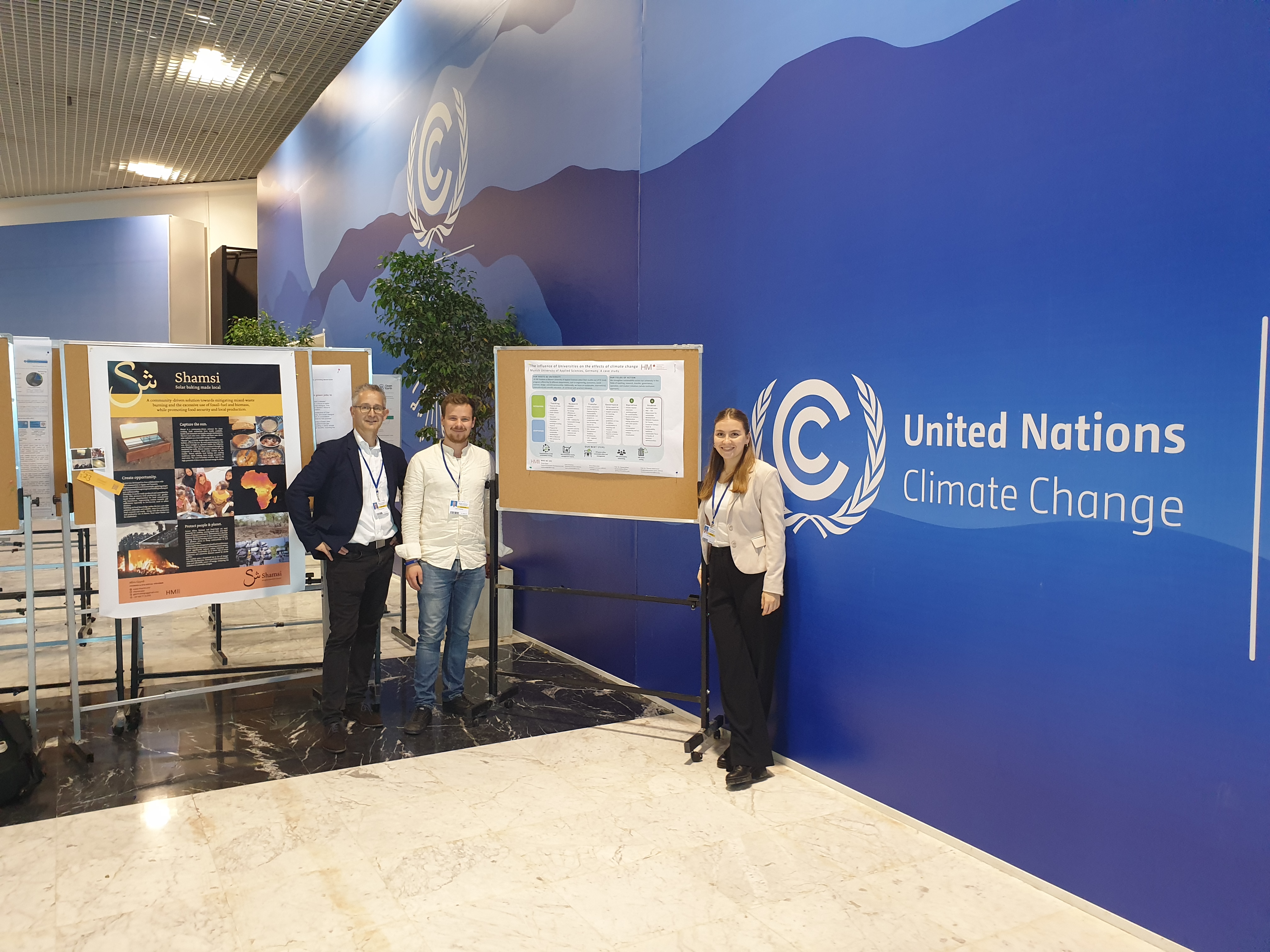
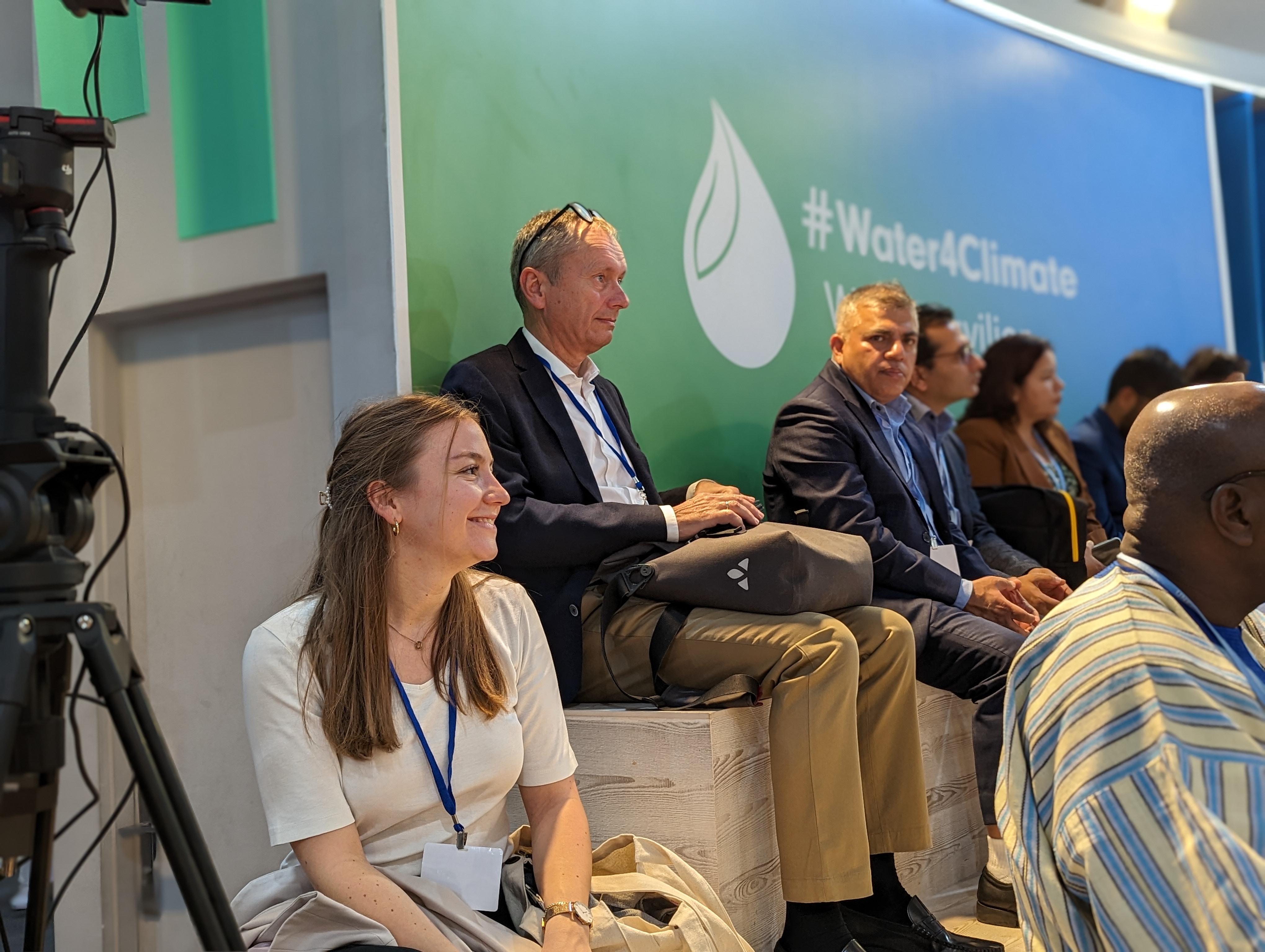
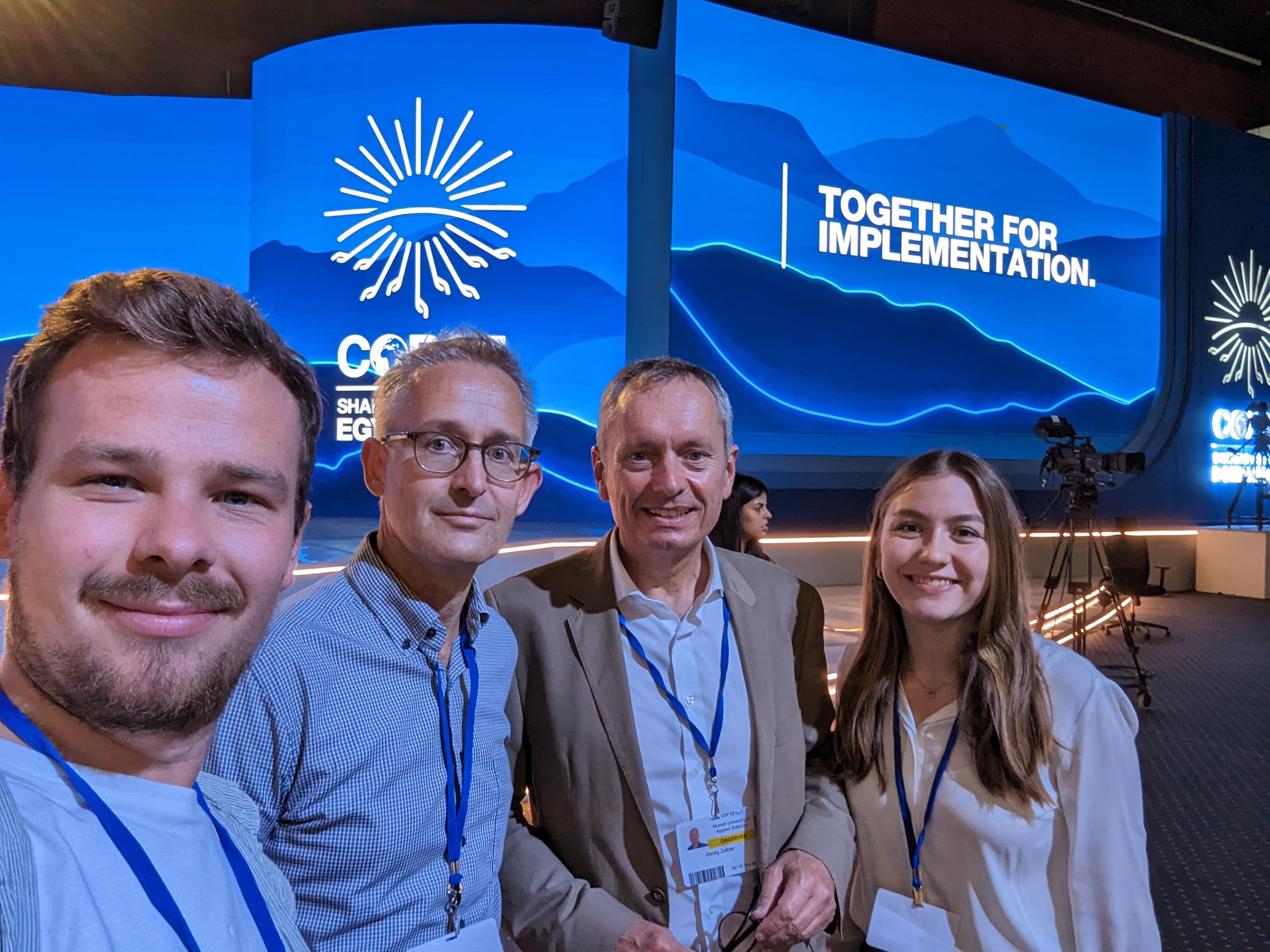
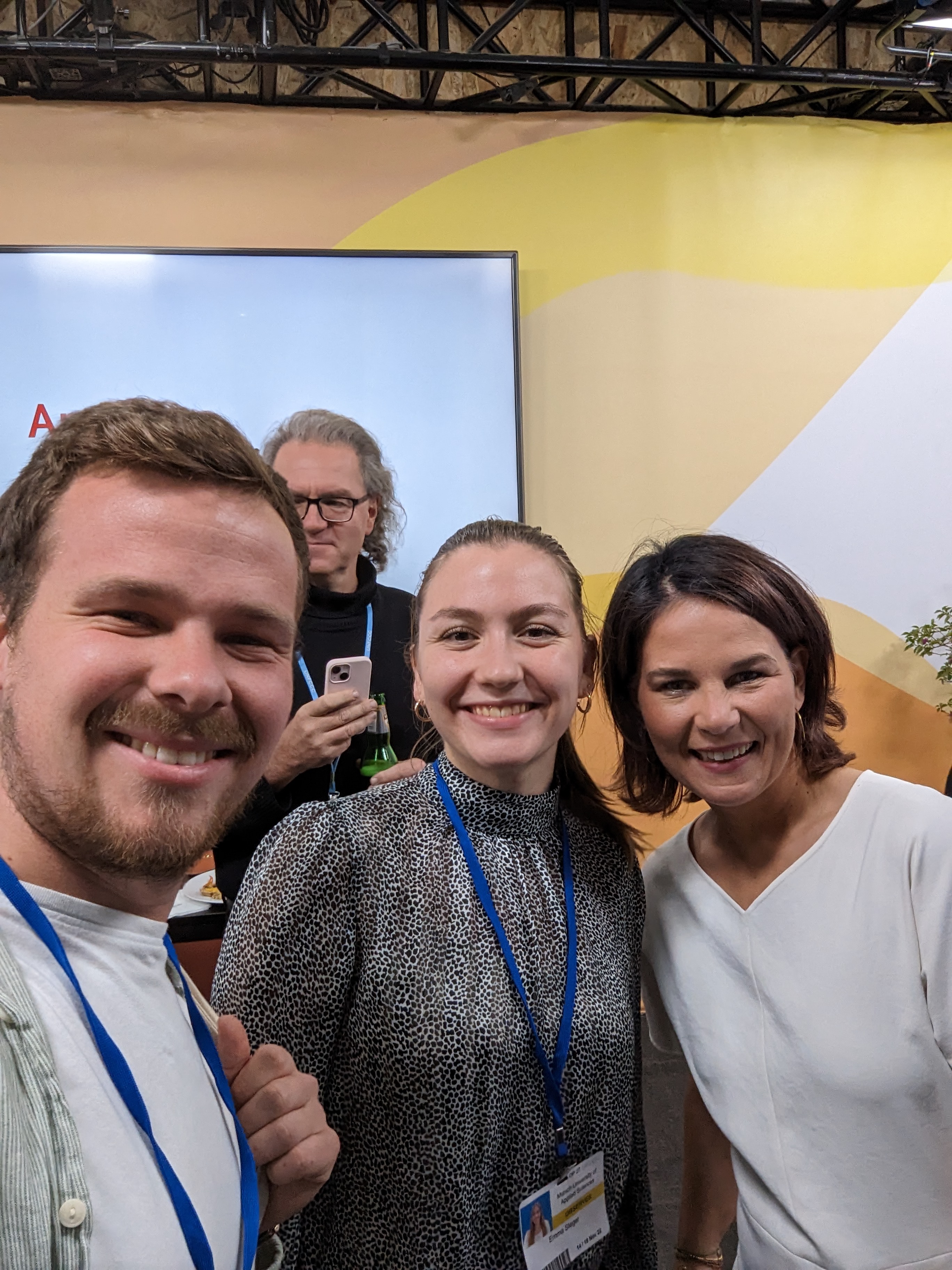
The five-member team, comprising students, alumni and professors (Prof. Dr.-Ing. Thomas Ackermann, Professor at the Department of Civil Engineering; Mira Gayed, alumna of the Department of Design; Emma Steger, Head of the Referat für Nachhaltige Entwicklung (a student-led department for sustainable development) and student at the Department of Tourism; Leon Unewisse, student at the Department of Civil Engineering; Prof. Dr Georg Zollner, Professor at the Department of Business Administration), was given the opportunity to promote exchange and networking with international stakeholders. Thanks to the participation of numerous stakeholders from around the world, the team was able to learn from examples of best practice, gaining knowledge in the field of sustainability that is also relevant to our university. The expertise gained through presentations and events at the conference serves as inspiration for implementing further sustainable measures at Hochschule München (HM) and for initiating climate-related projects with practice partners. As a result, Hochschule München has been able to embed Bildung für Nachhaltige Entwicklung (Education for Sustainable Development) – one of the central objectives of the Higher Education Innovation Act – across all faculties in its teaching.