World Climate Conference in Azerbaijan – COP29
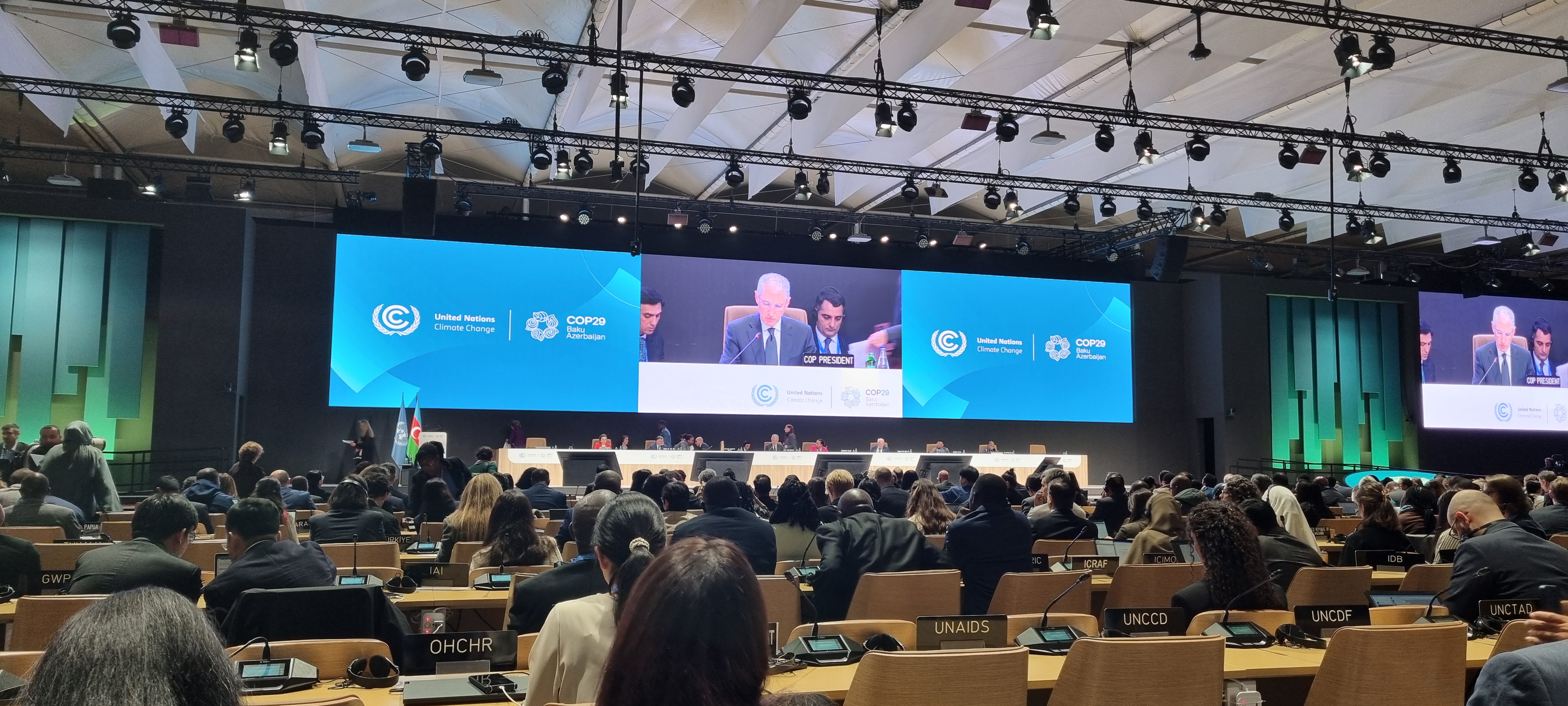
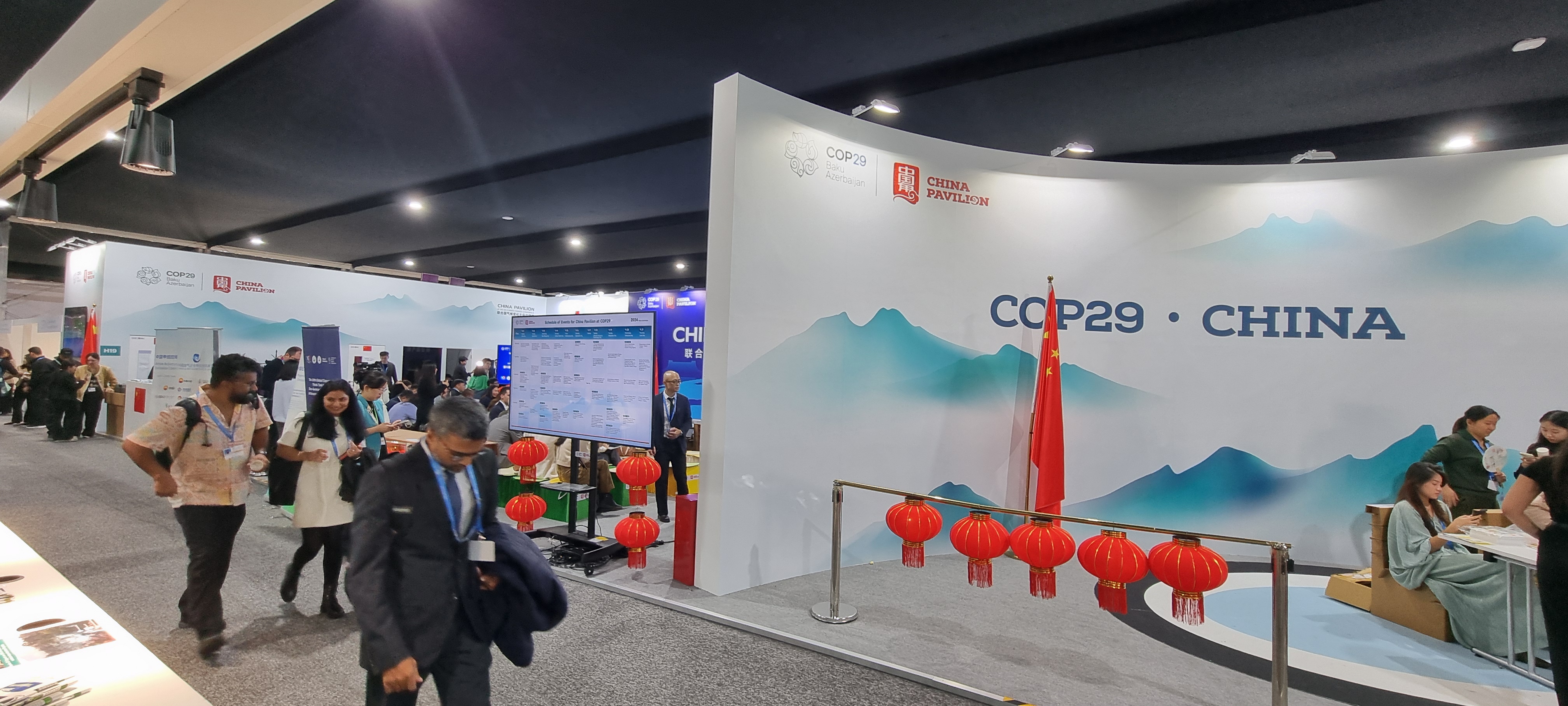
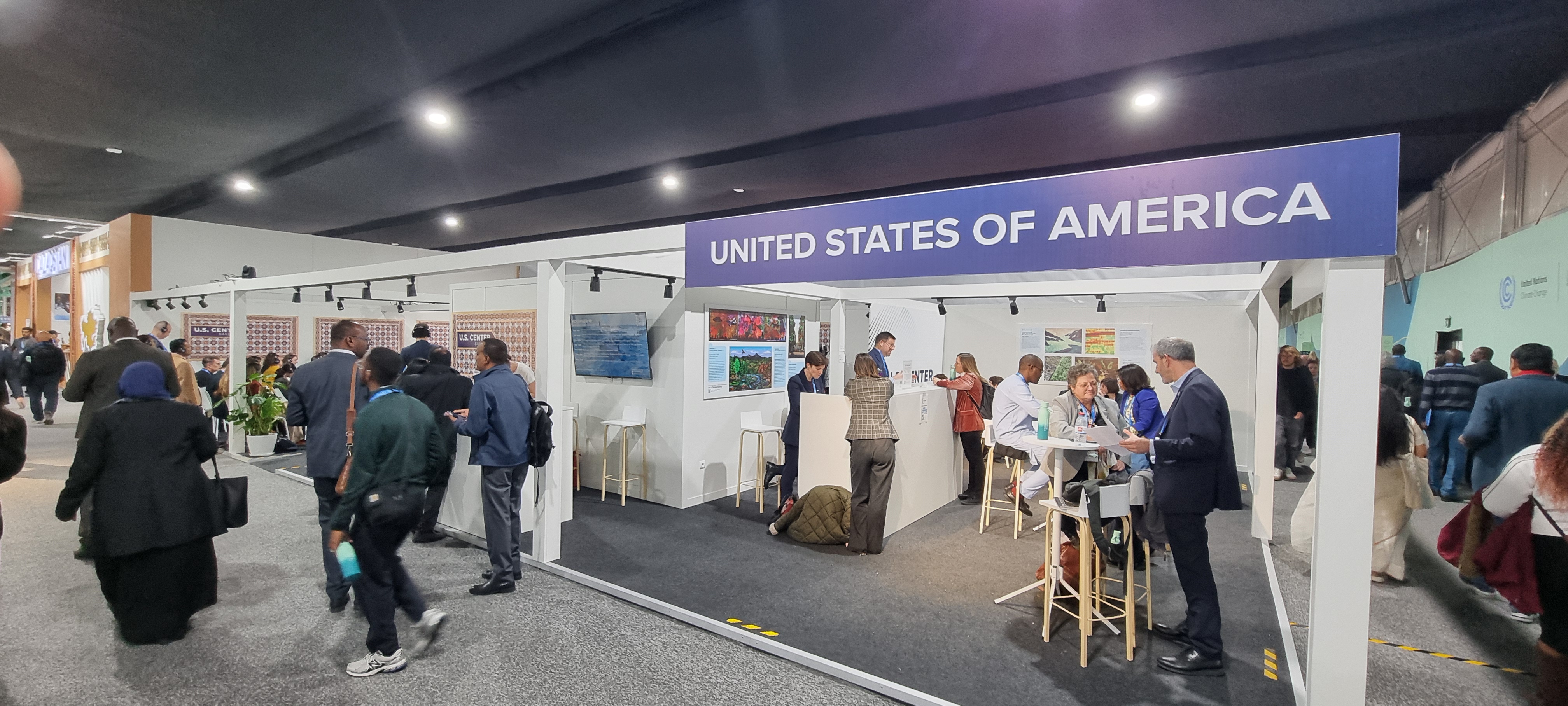
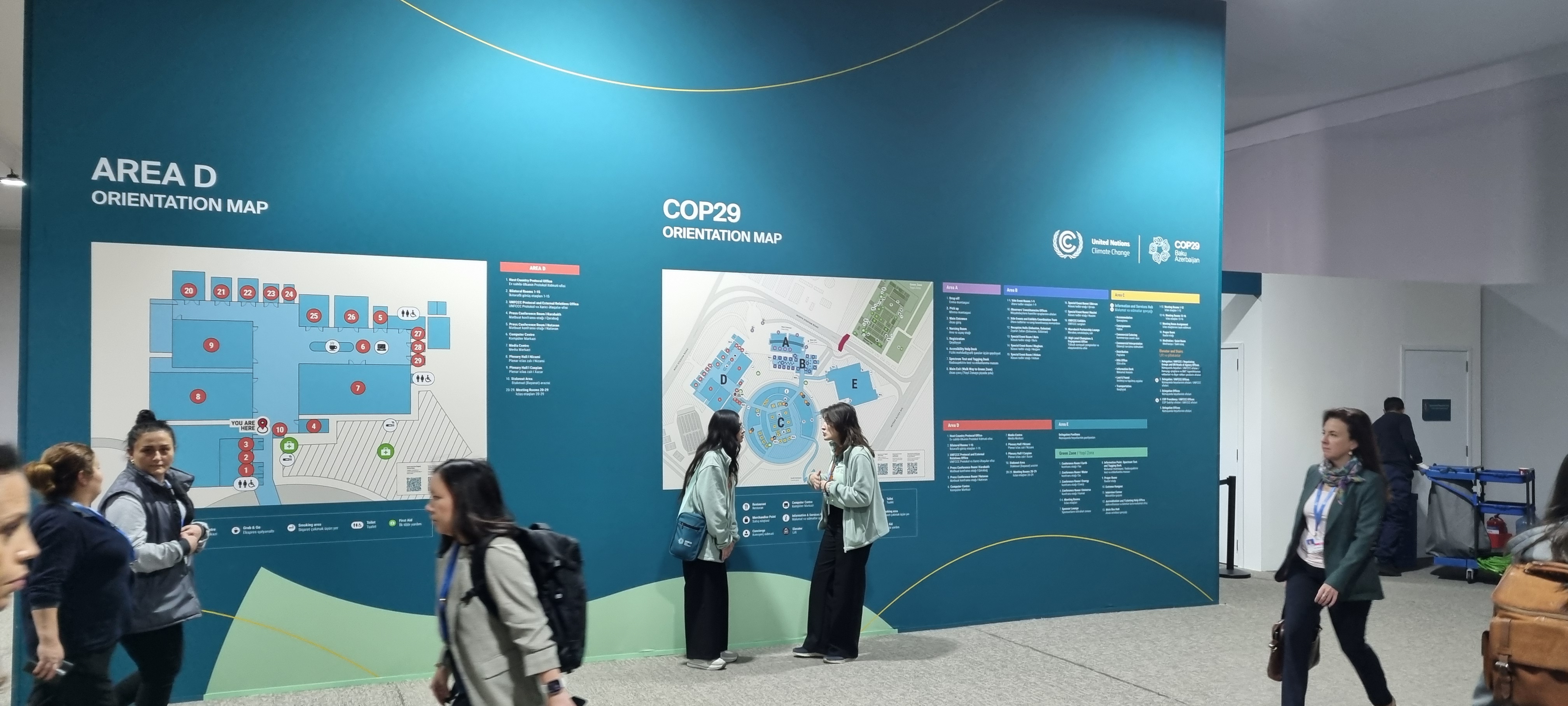
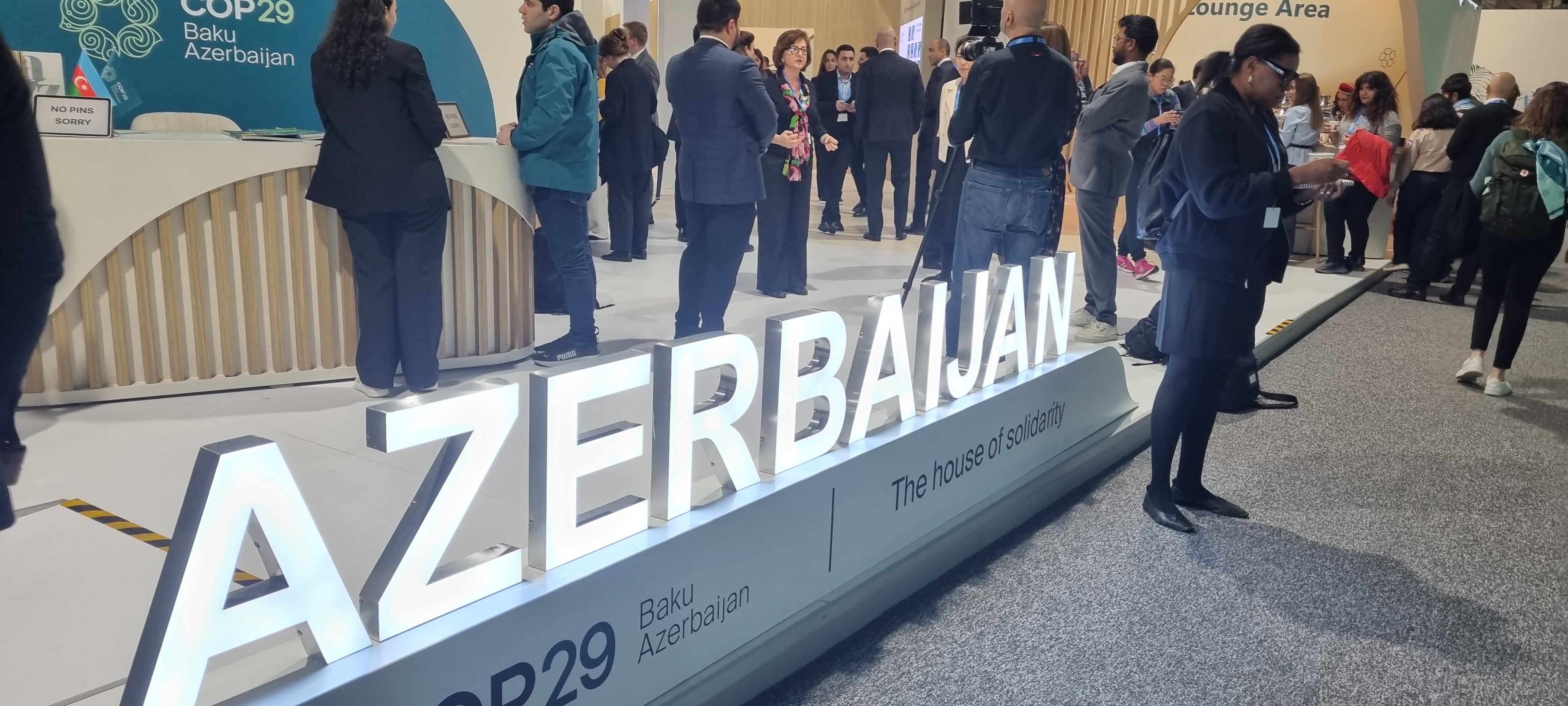
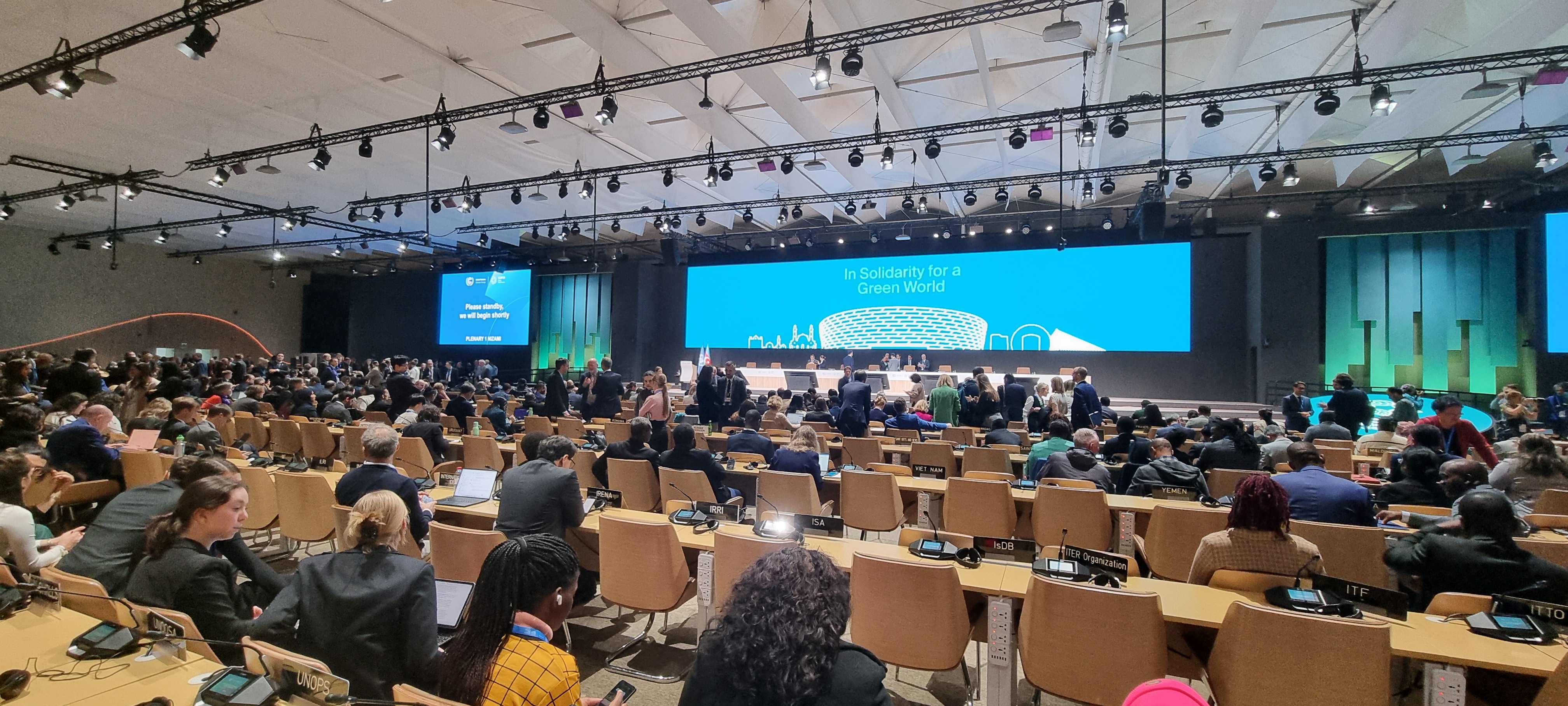
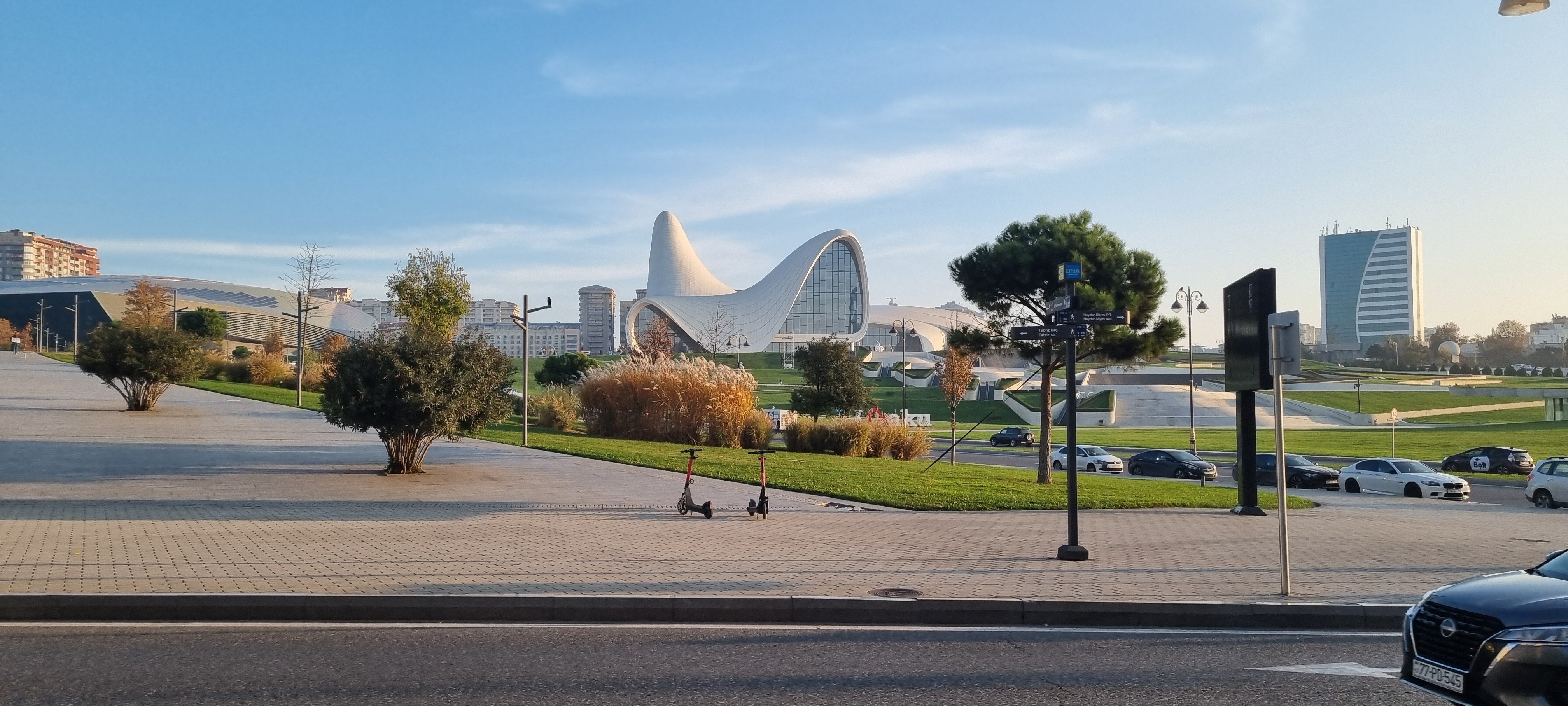
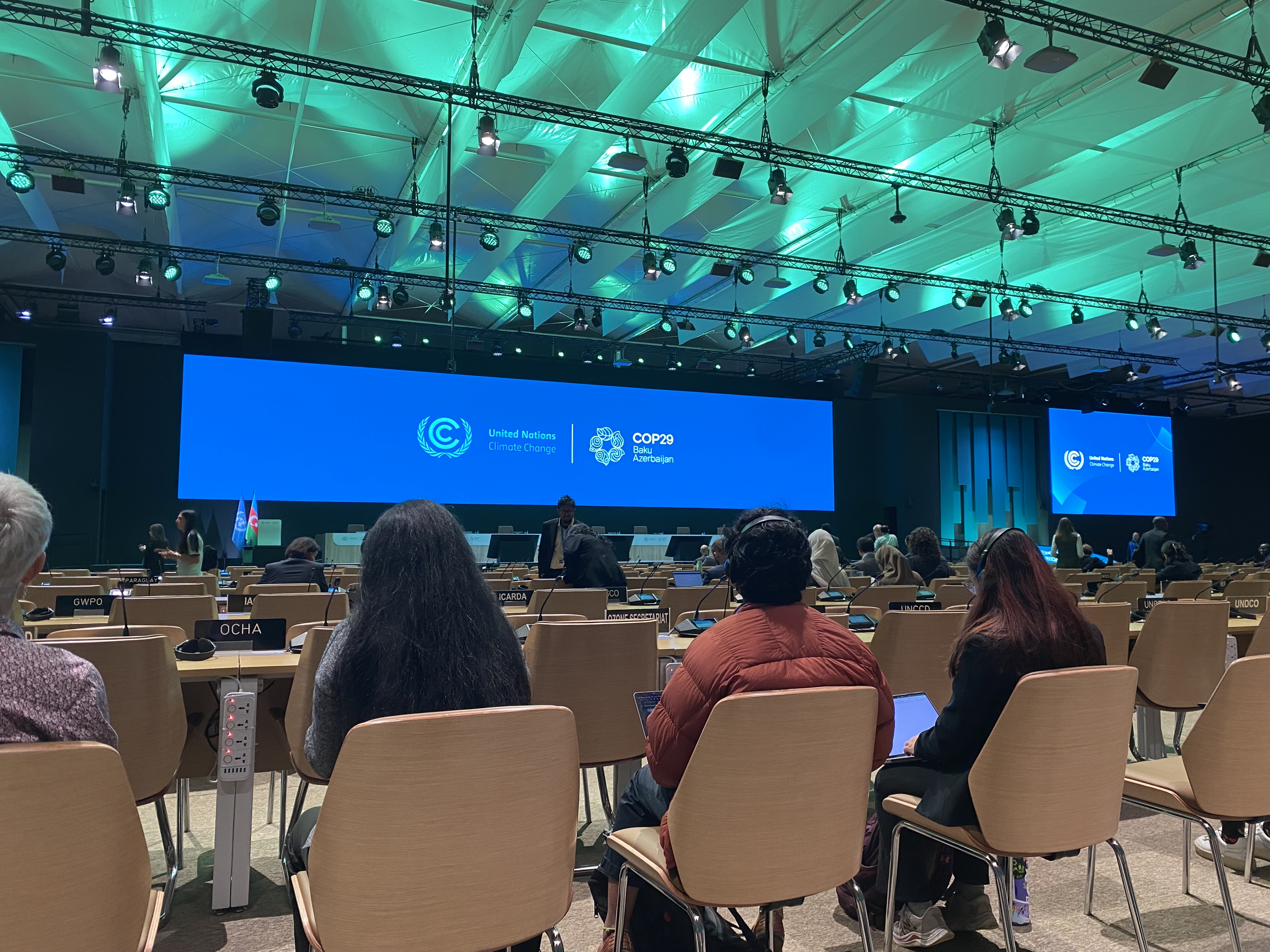
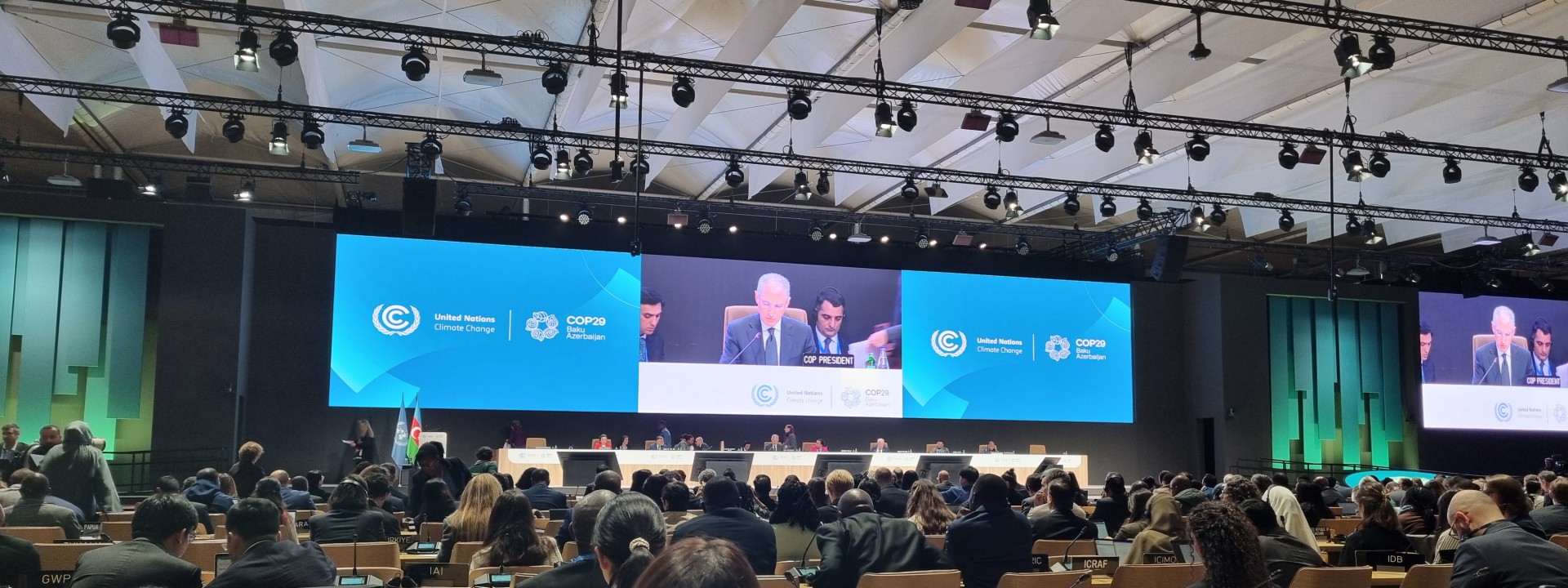
The 29th United Nations Climate Change Conference (COP29) took place in Baku, Azerbaijan, from 11 to 22 November 2024. The aim of this annual conference, attended by representatives from almost 200 countries, is to discuss, agree on and jointly develop global measures to tackle climate change. This year, the focus was particularly on climate finance: the delegates agreed to significantly increase financial support for climate mitigation and adaptation measures in developing countries
Objectives of the Climate Conference
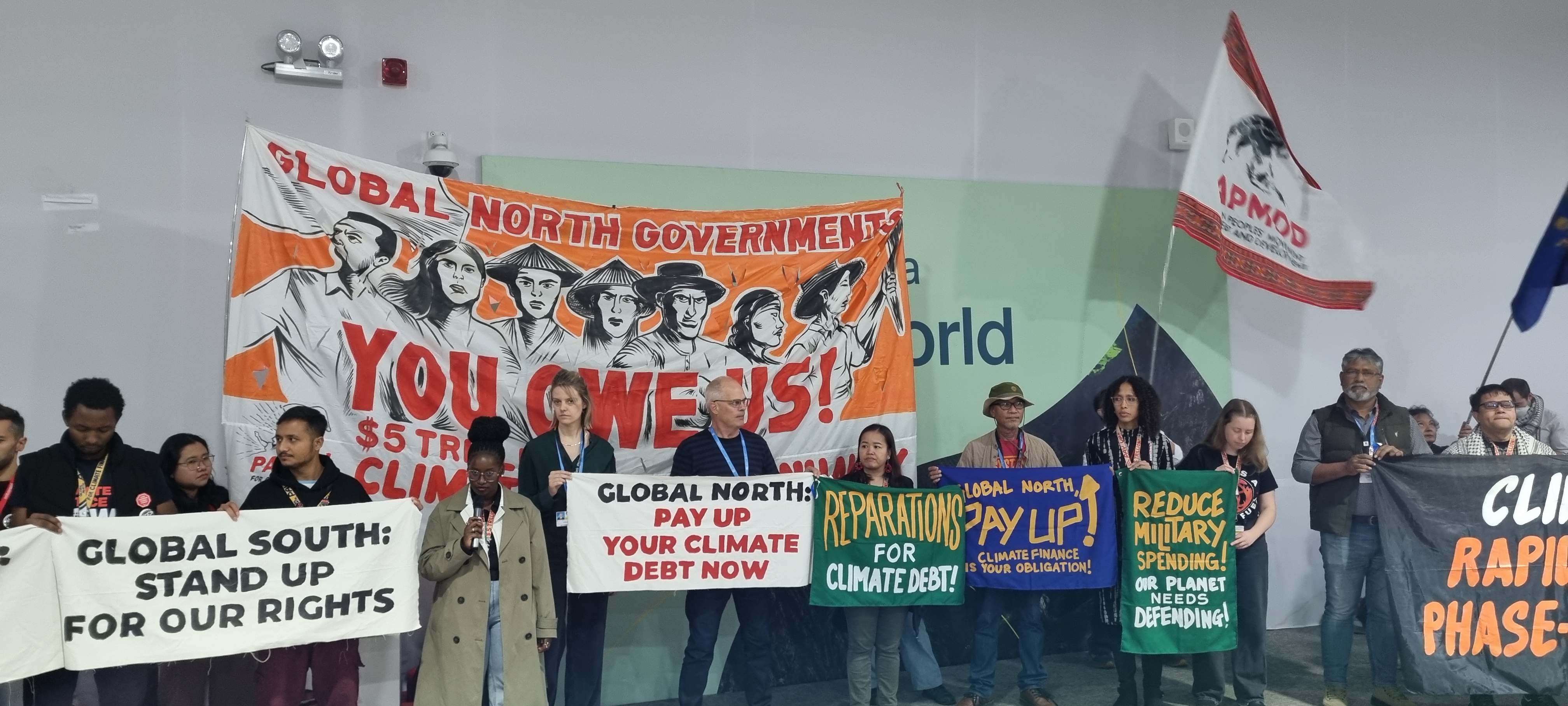
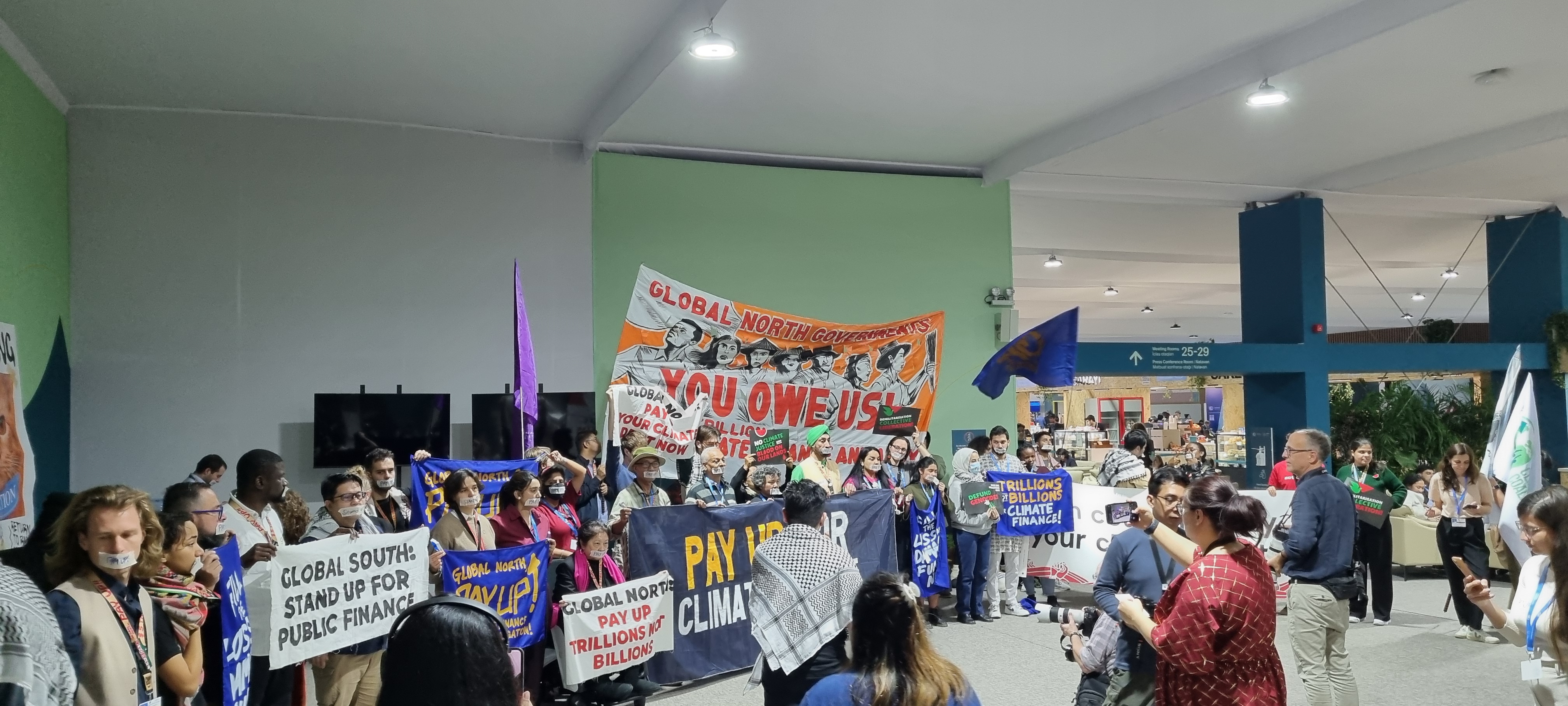
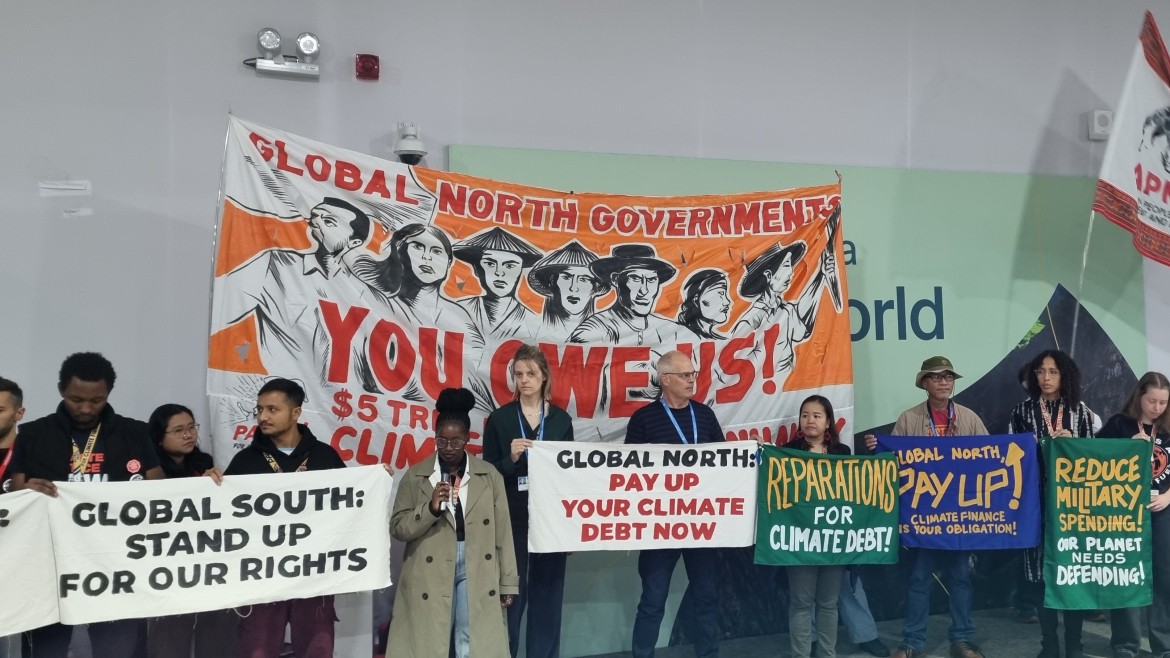
Specifically, it was agreed to provide US$300 billion annually by 2035 to help poorer countries cope with the impacts of climate change. Whilst this agreement represents significant progress, it fell far short of the demands made by developing countries, which had originally called for annual aid of around US$1.3 trillion. In addition, new, detailed rules for international emissions trading were established at the conference to make the global carbon market more transparent and effective. Despite this progress, the agreement was viewed critically by various parties, particularly because the agreed level of funding was deemed insufficient.
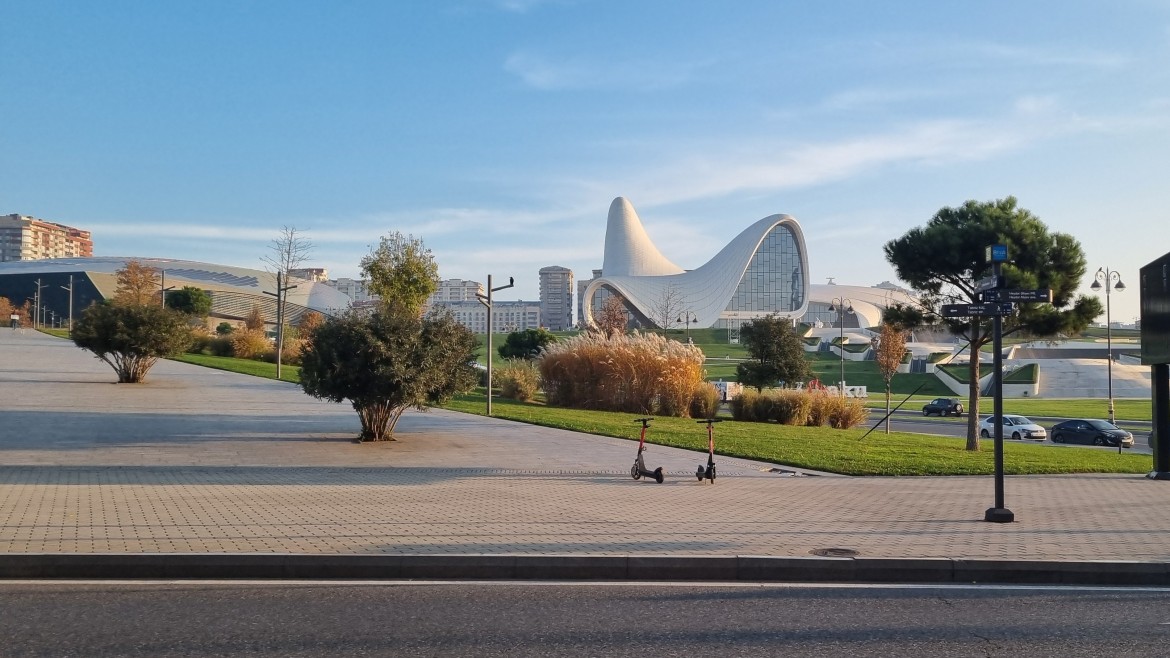
HM heads to COP29
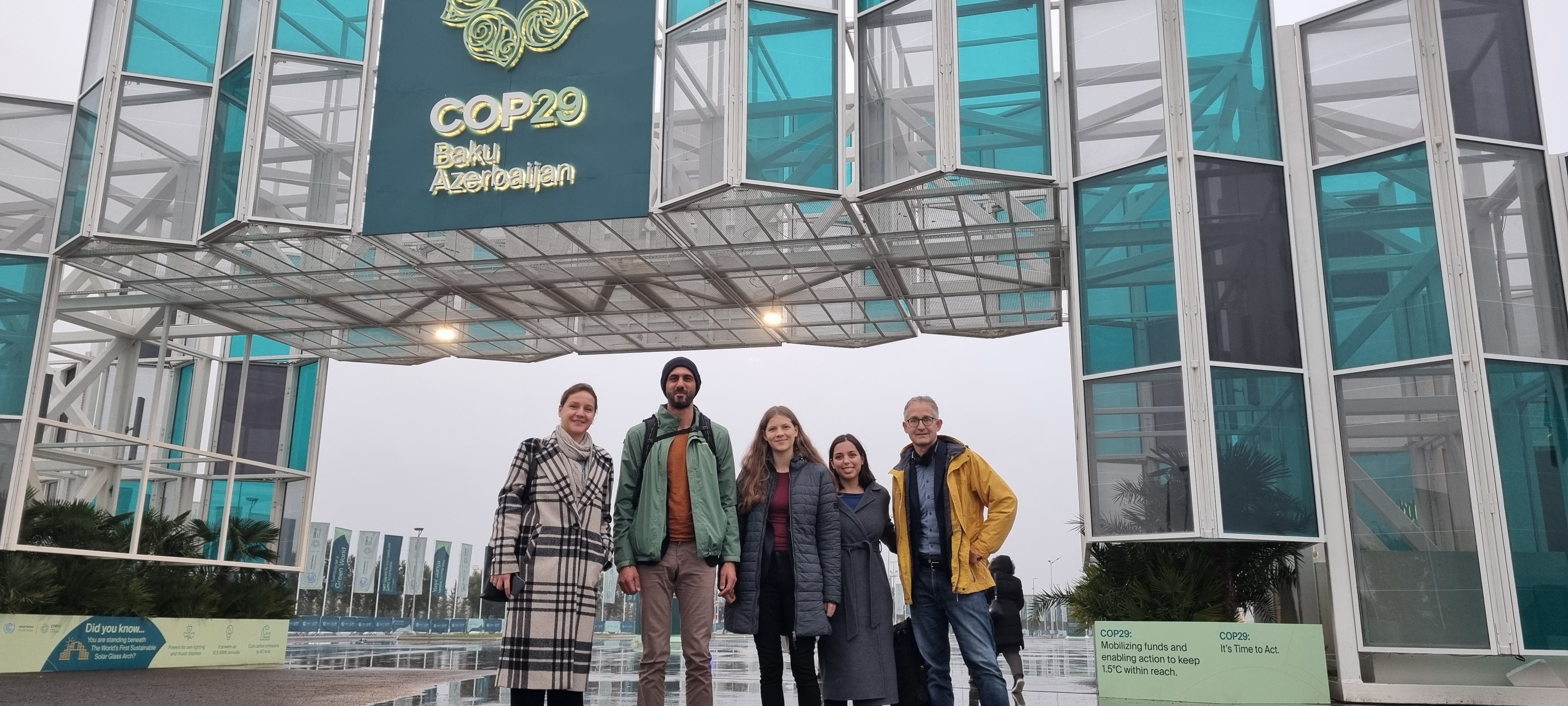
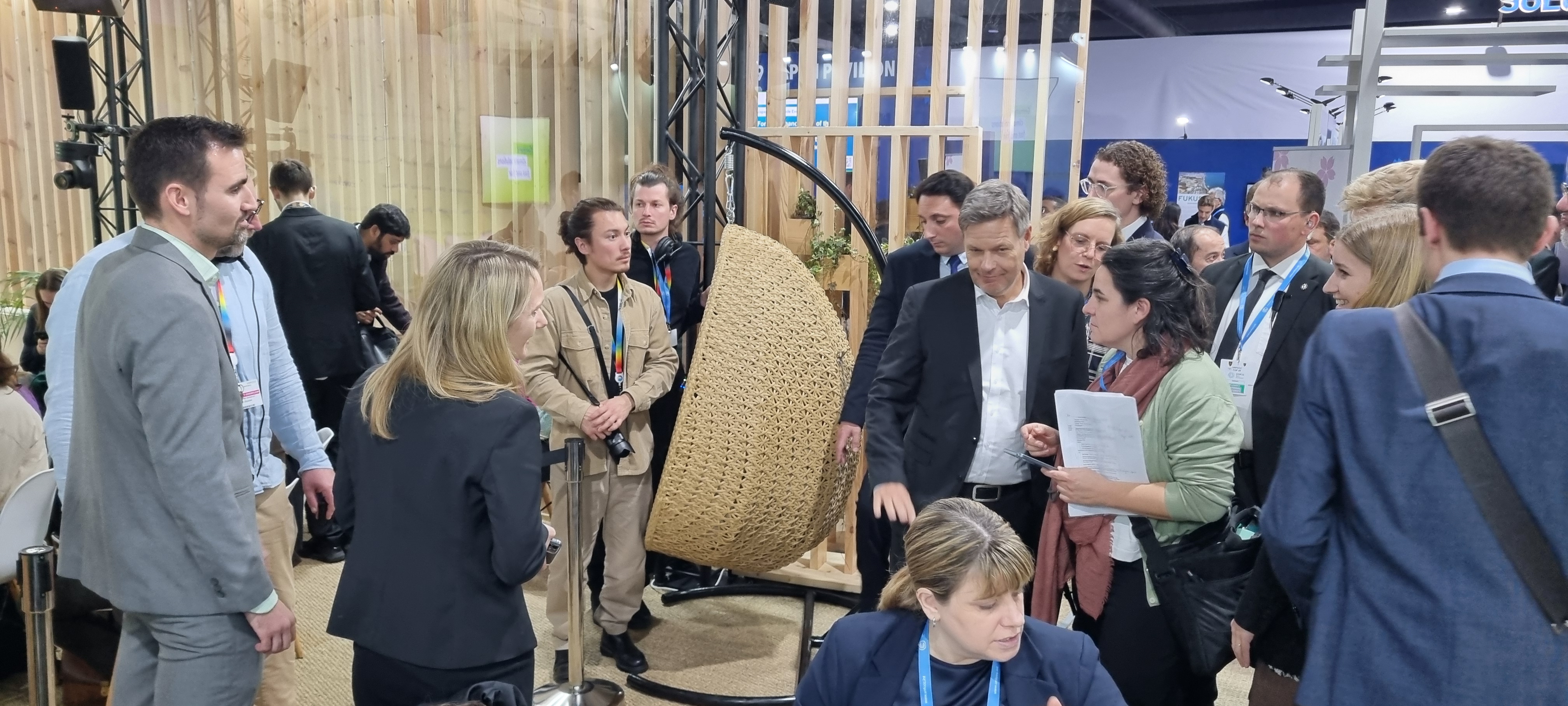
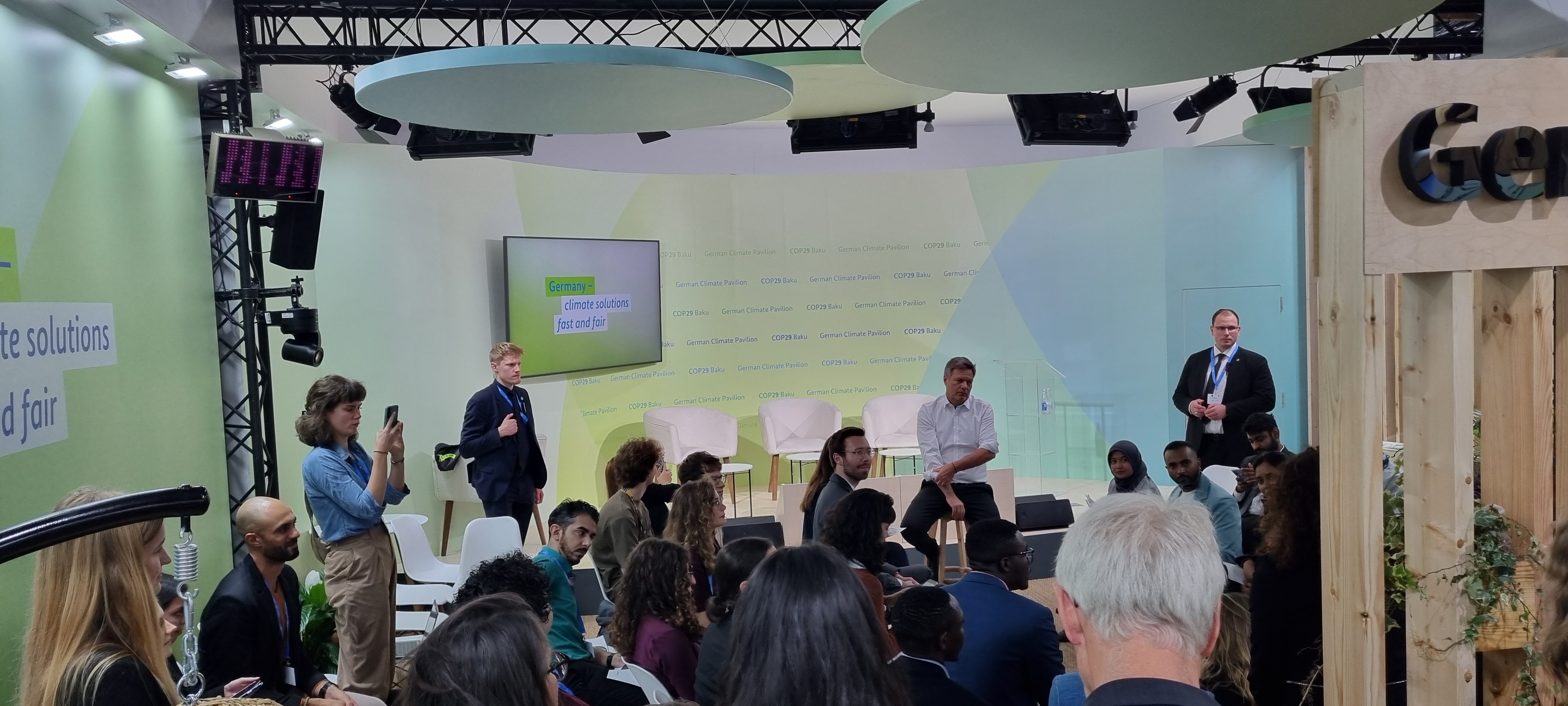
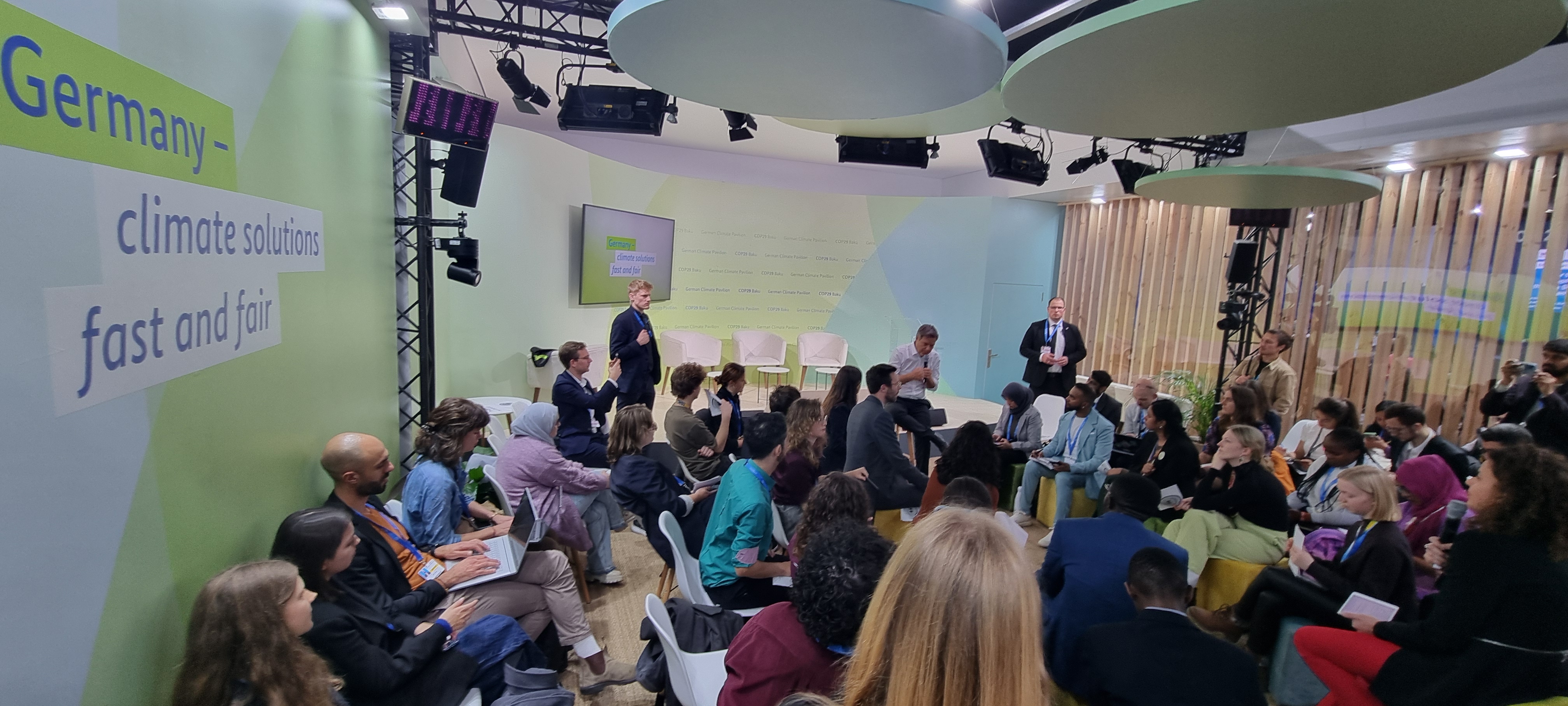
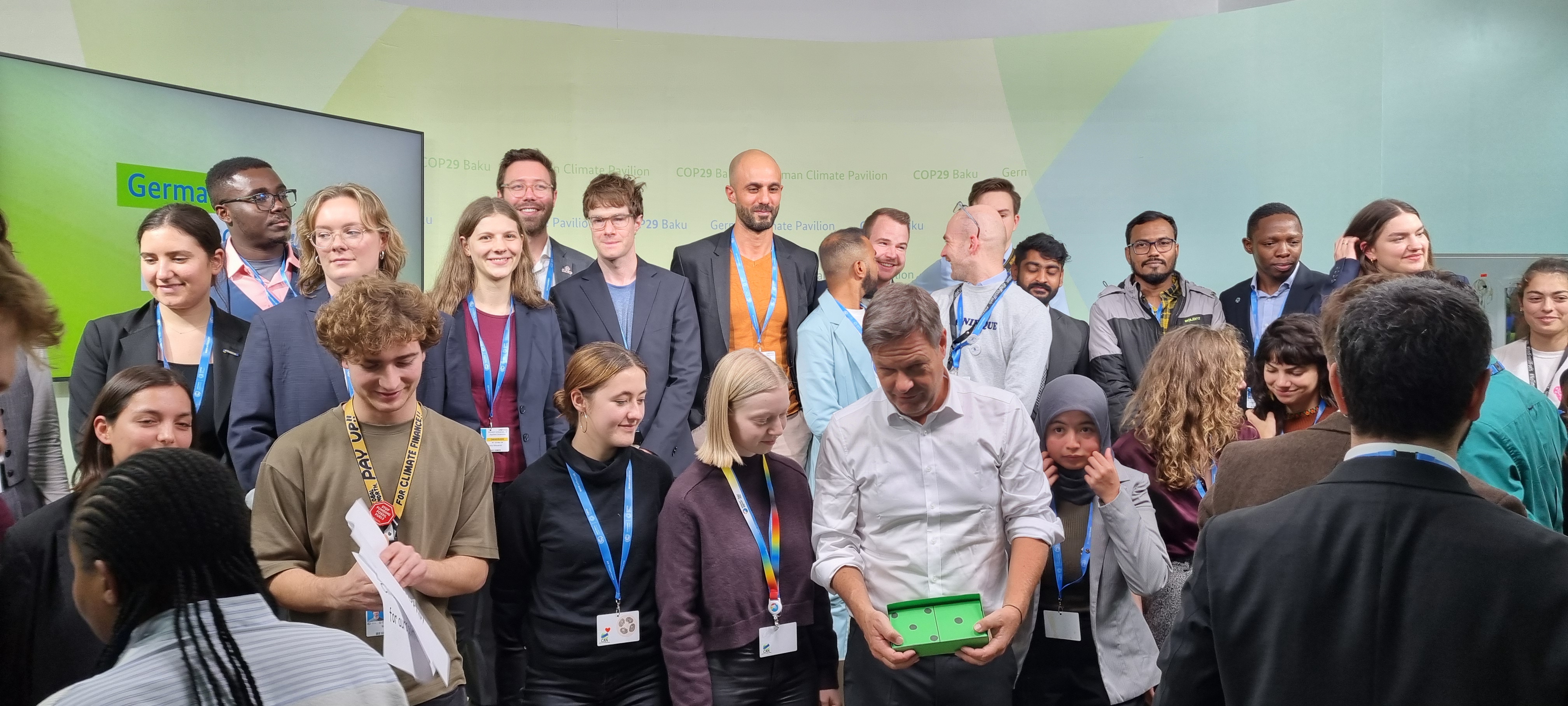
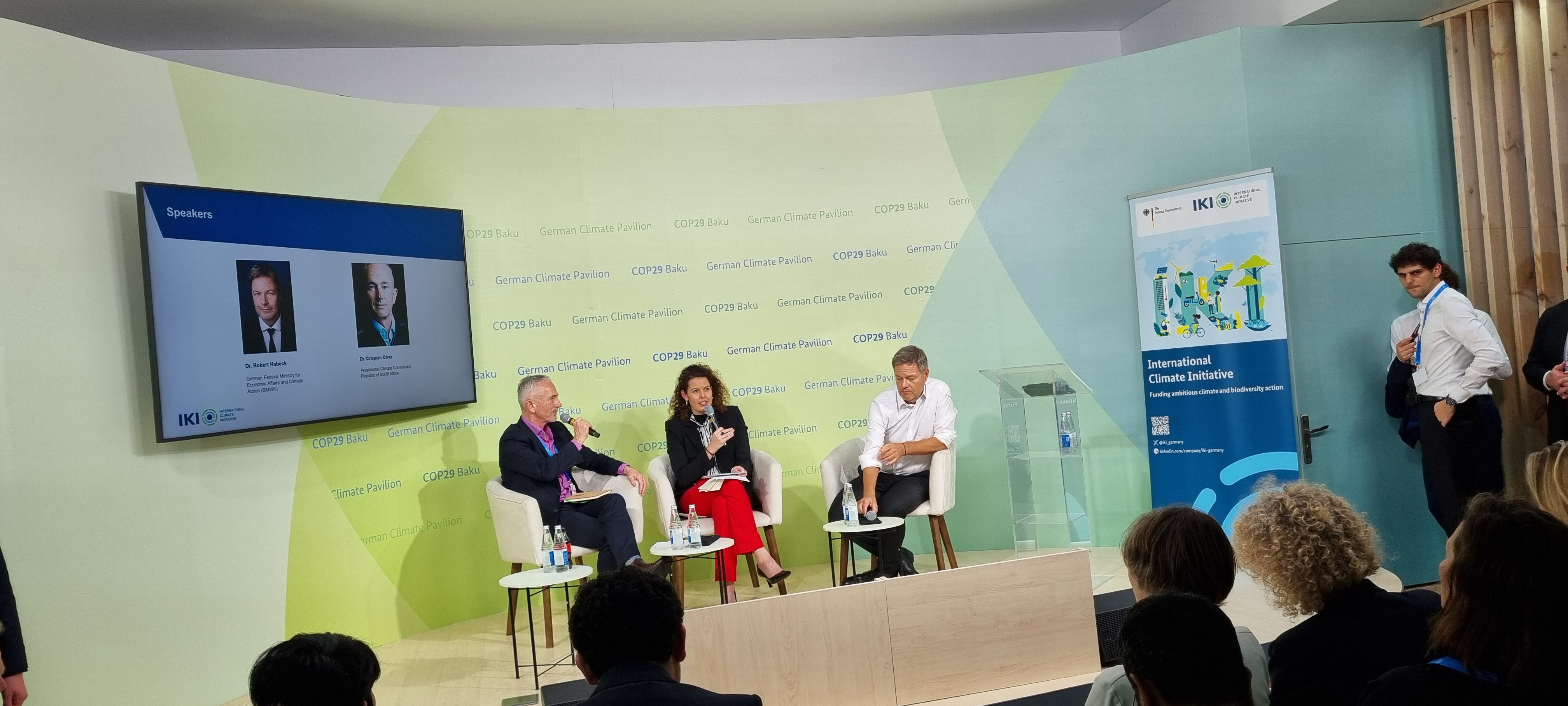
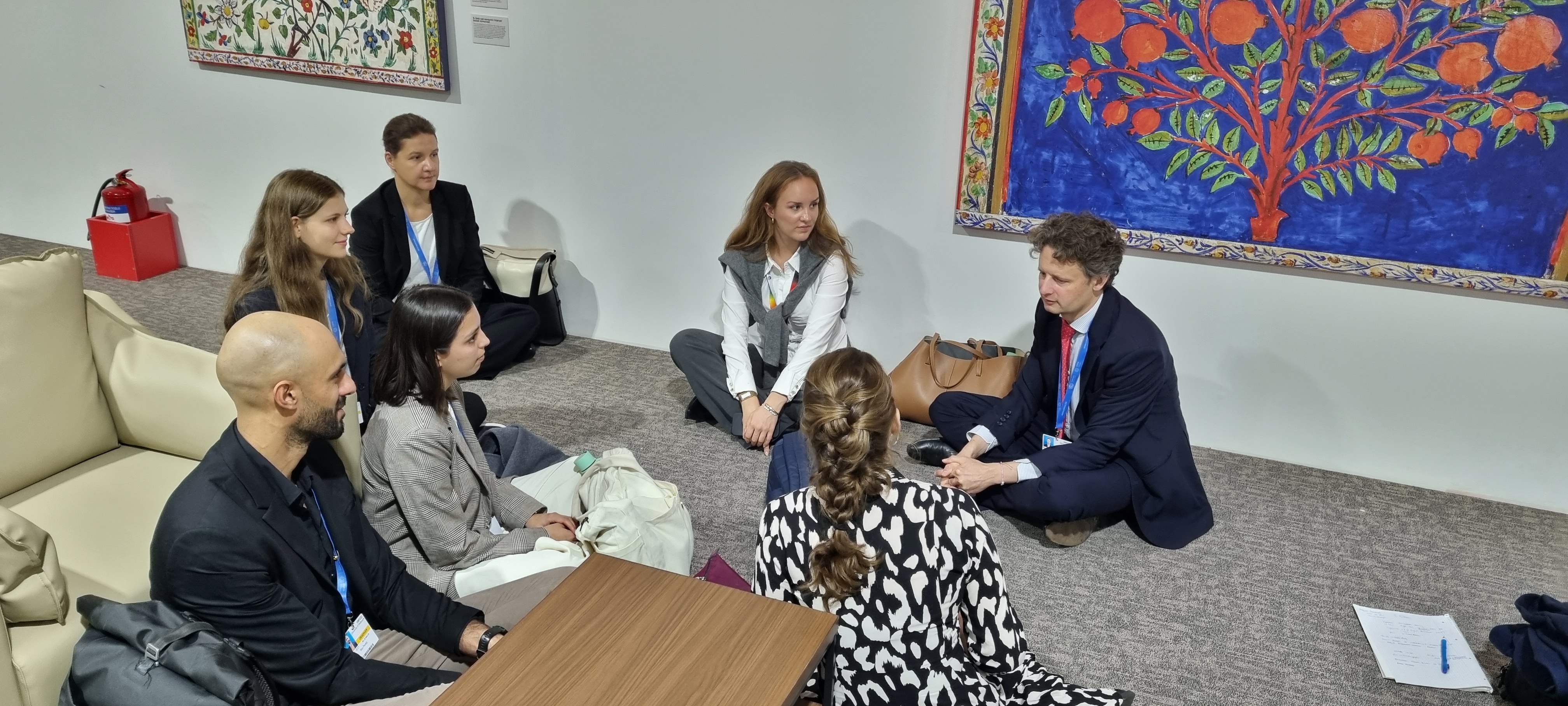
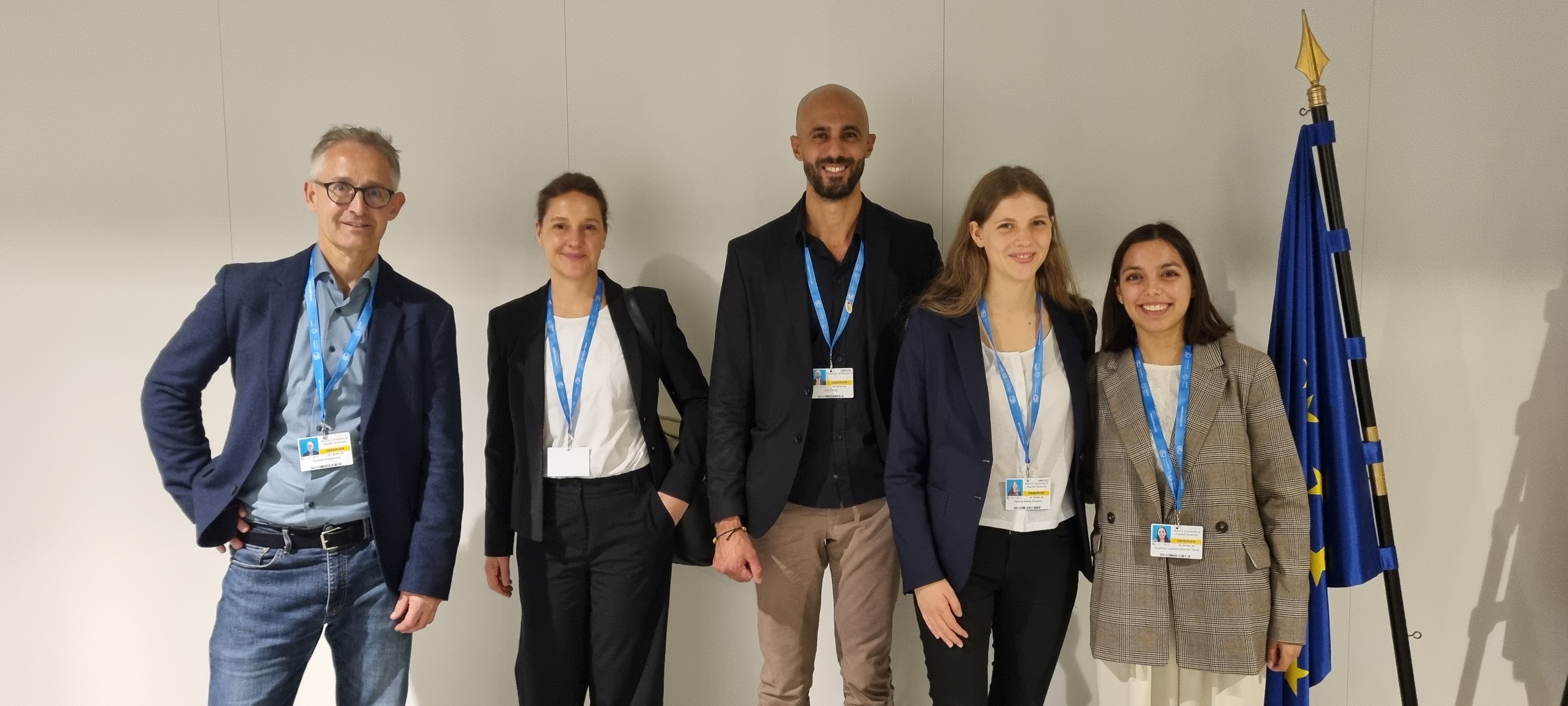
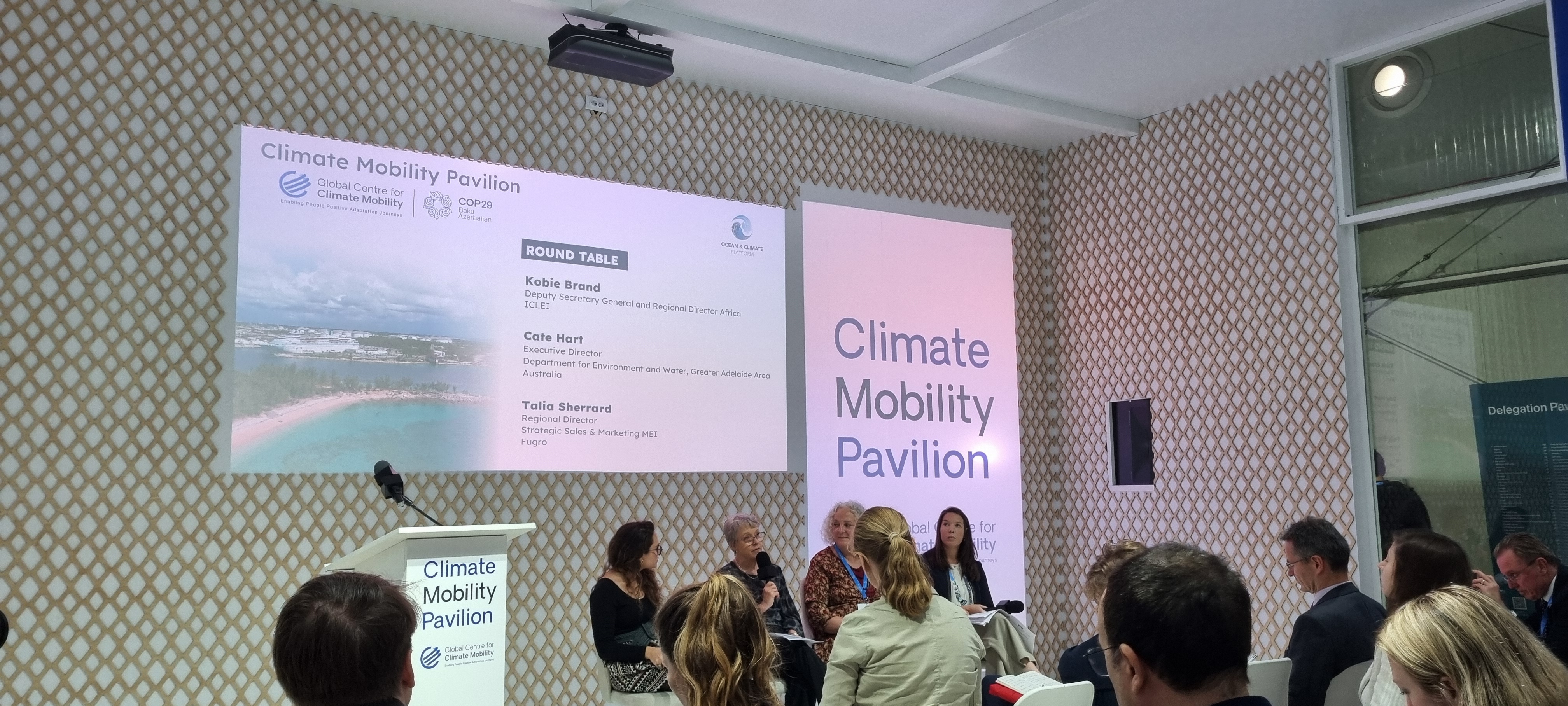
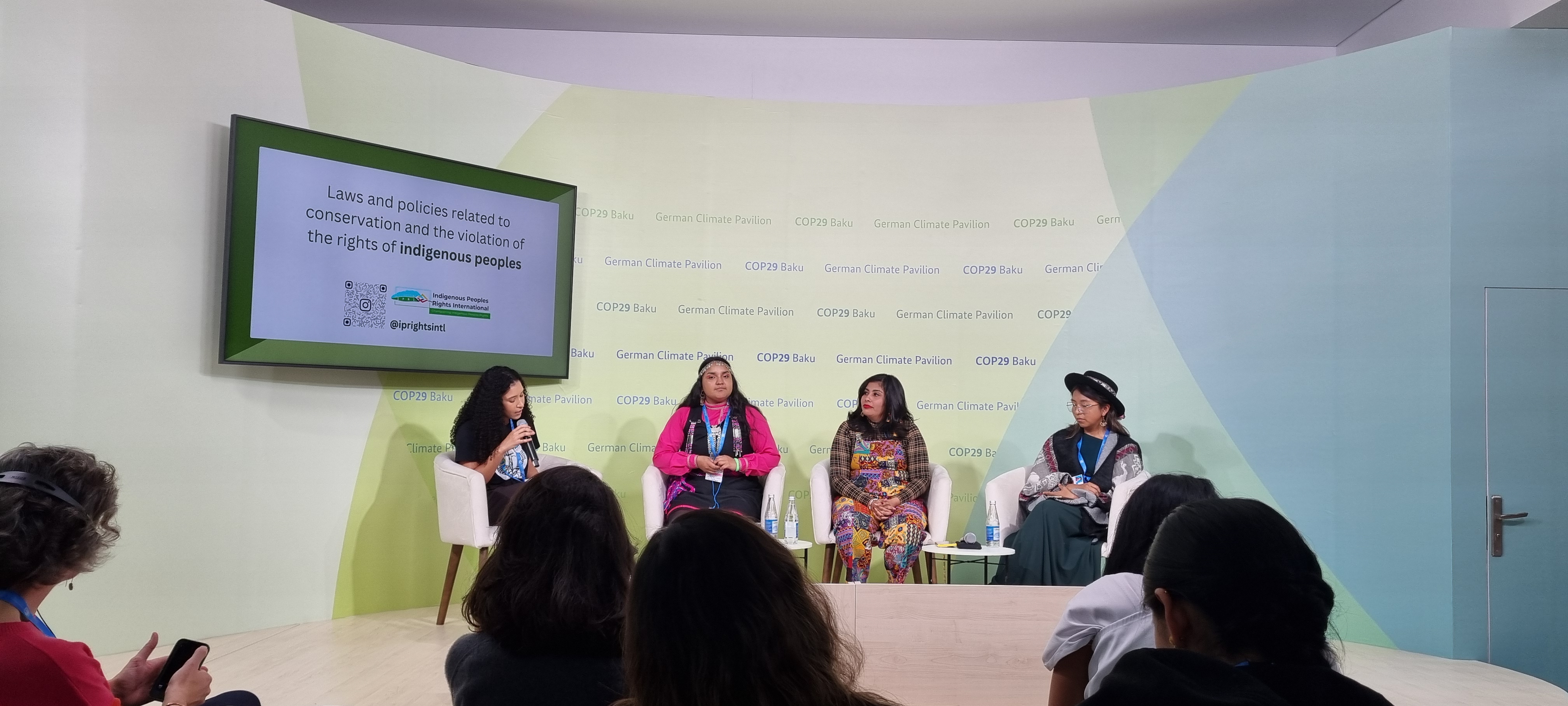
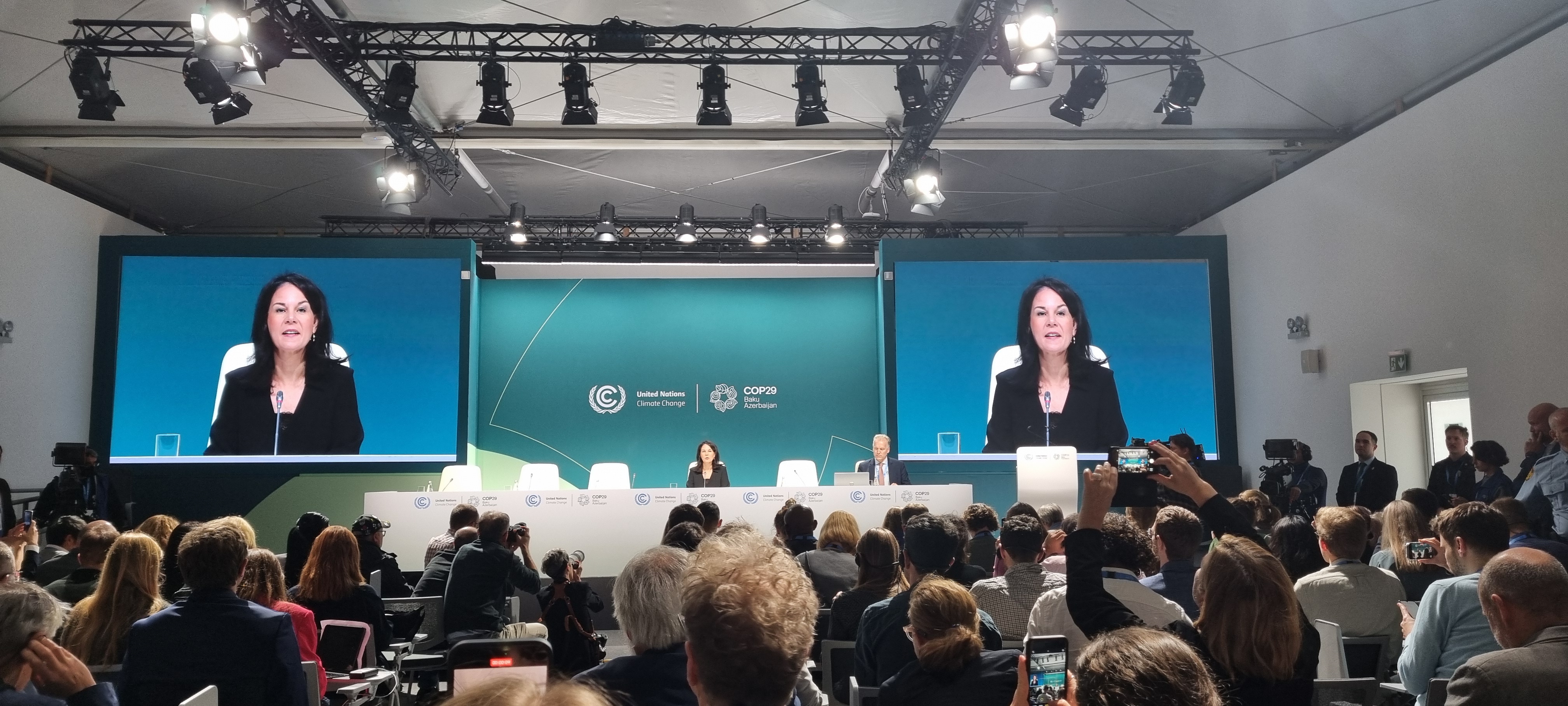
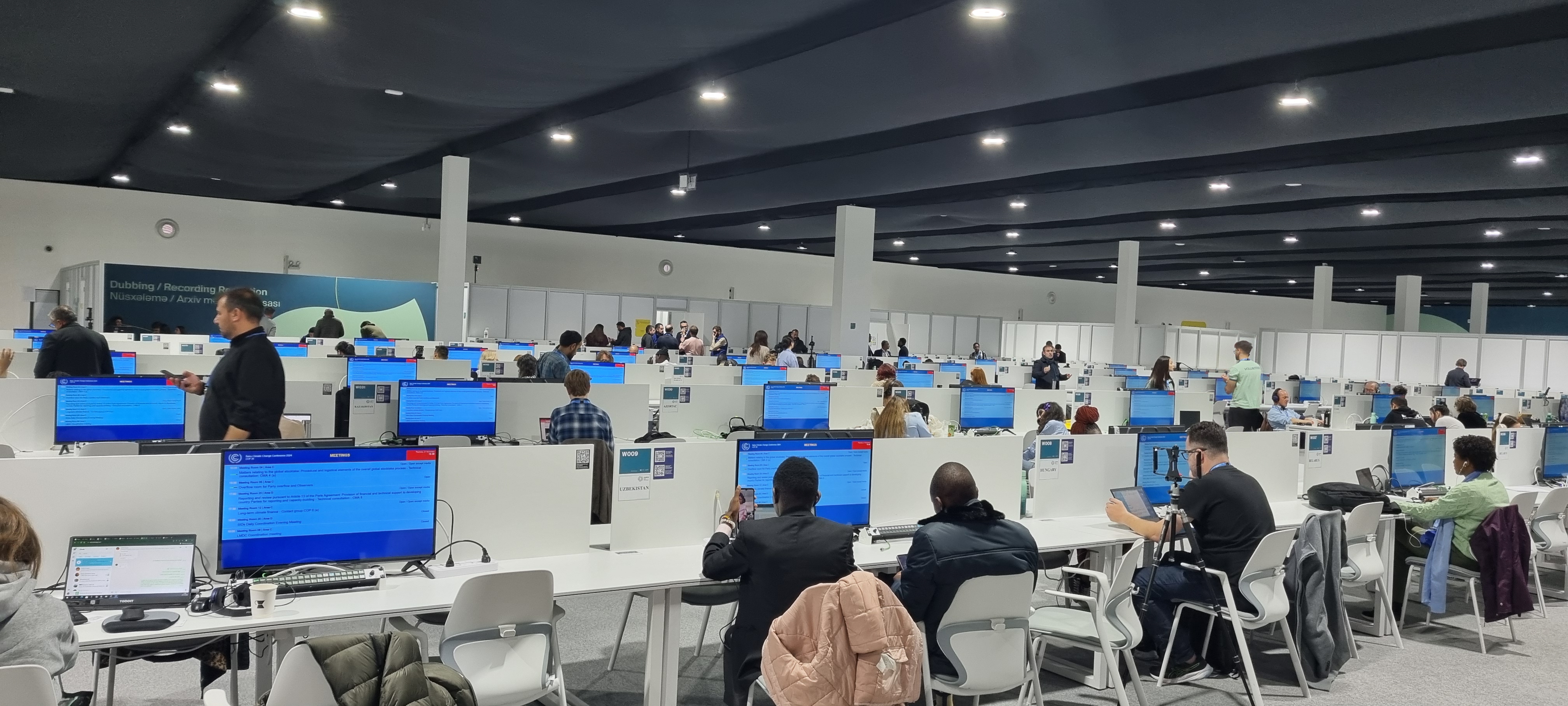
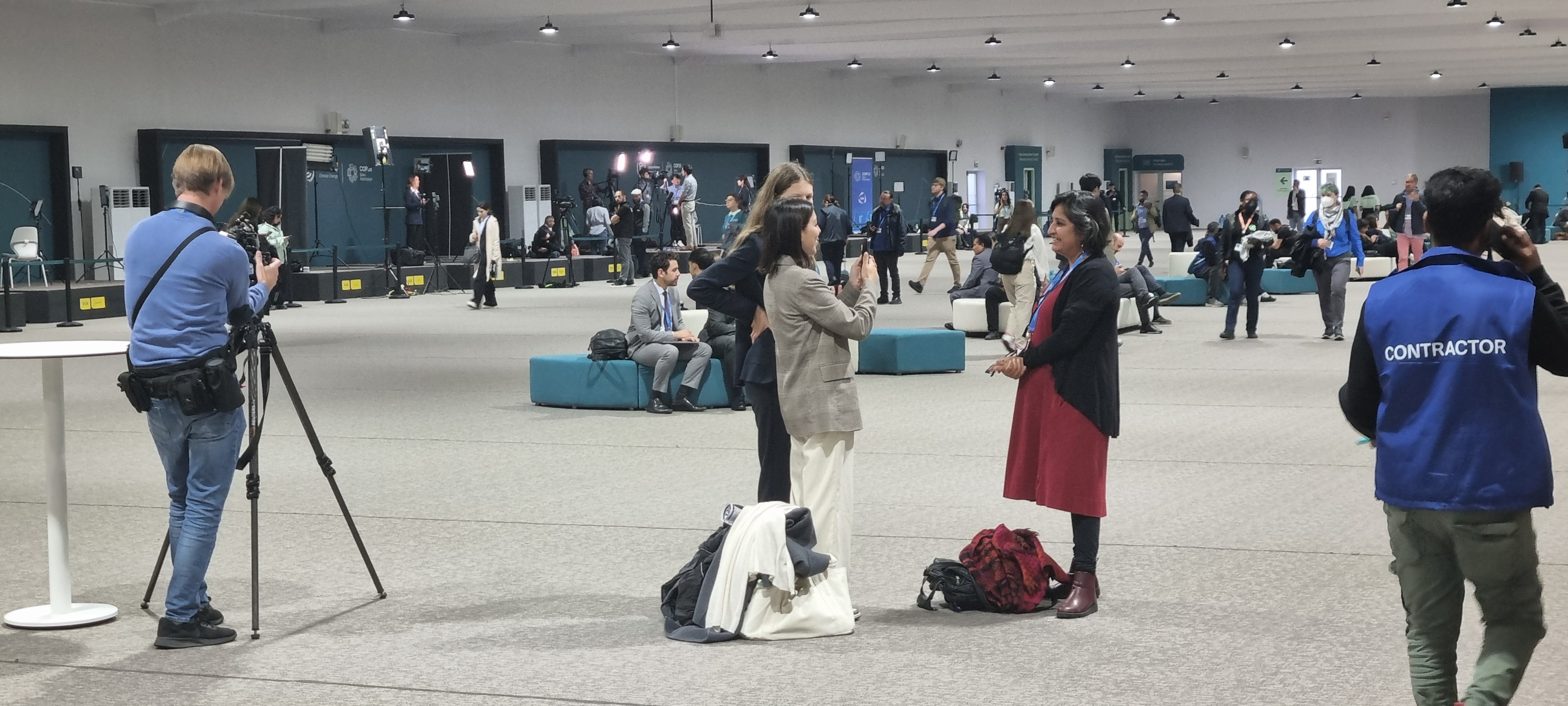
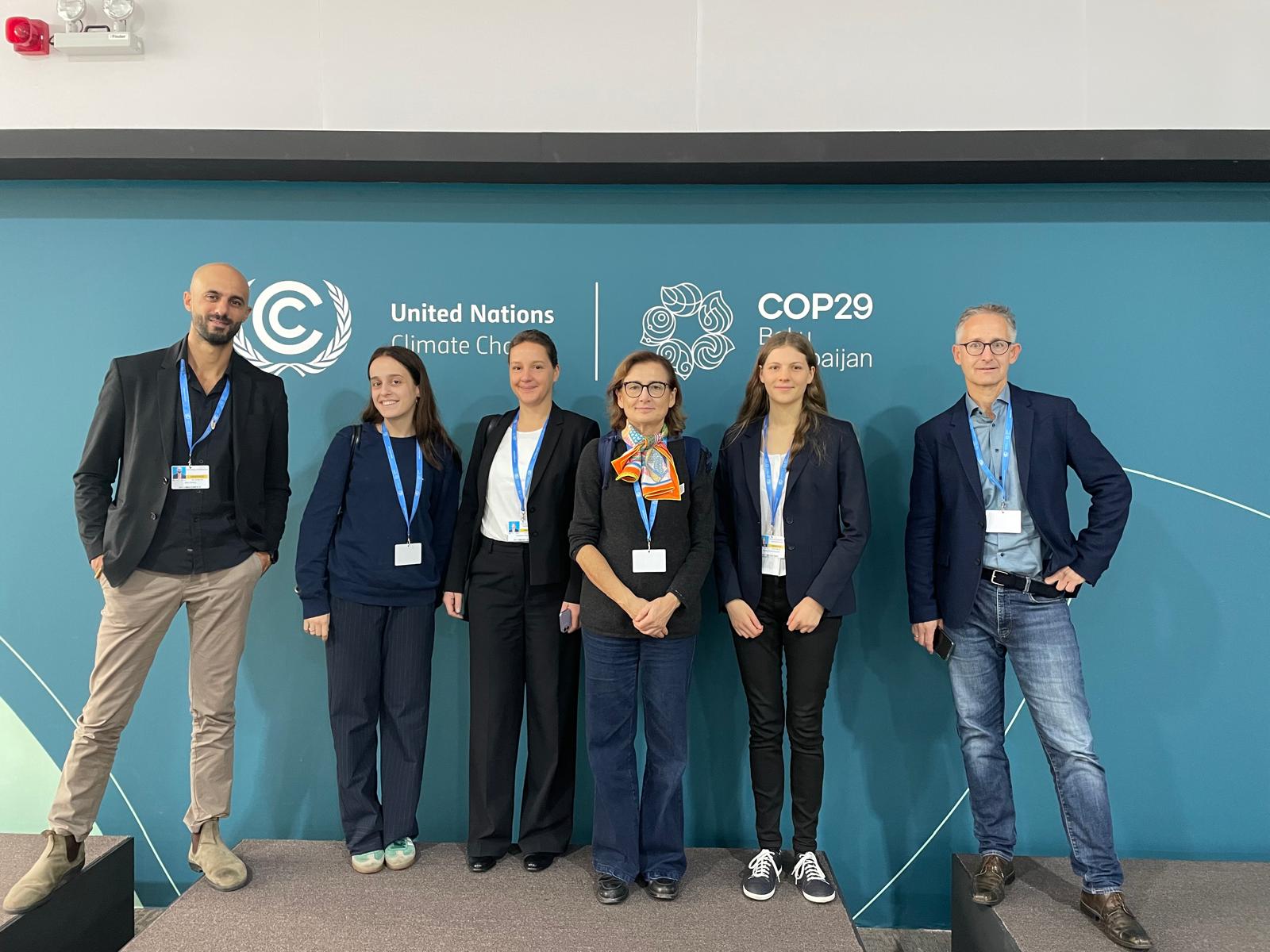
From 18 to 22 November 2024, a delegation from Hochschule München attended the 29th Conference of the Parties (COP29) in Baku as observers. Two professors and three students followed the negotiations, press conferences and panel discussions. A particular highlight was the meeting with the German delegation, which provided fascinating insights into international climate policy.
The aim of taking part was to report on the COP and to inform the public about the progress and challenges facing global climate policy.
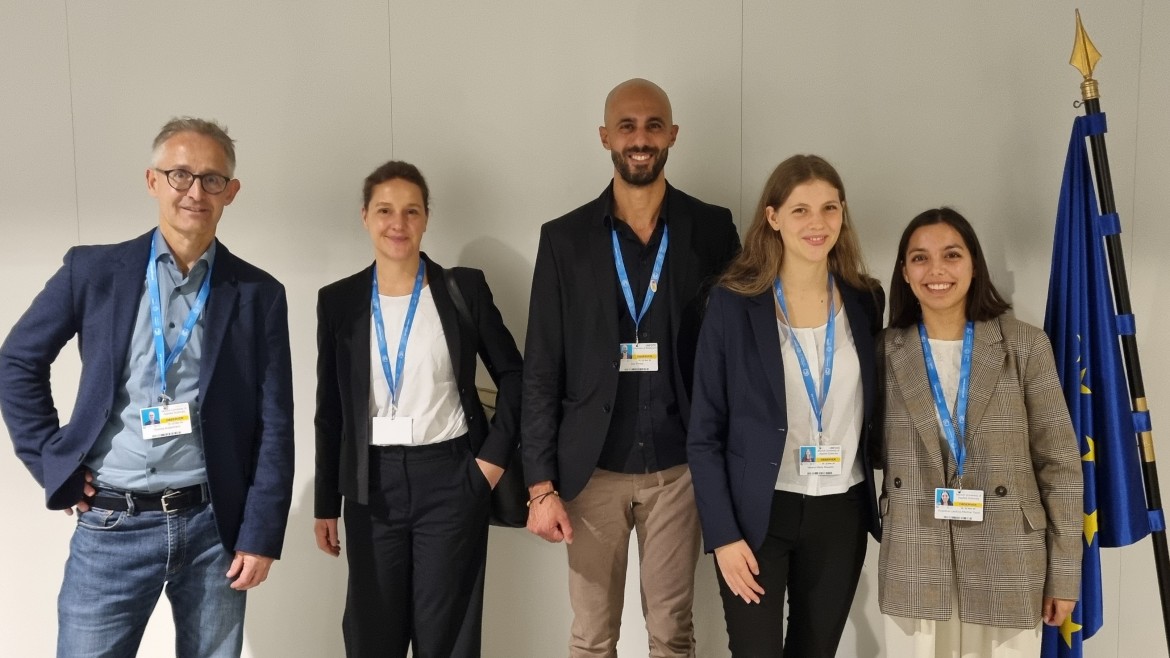
The five-member team of students and professors (Prof. Dr.-Ing. Thomas Ackermann, Department of Civil Engineering; Professor Dr Susanne Wende, Department of Electrical Engineering and Information Technology; student Ben Perez; student Verena Maurer; student Laeticia Afschar Yazdi) was given the opportunity to foster exchange and networking with international stakeholders. Thanks to the participation of numerous stakeholders from around the world, the team was able to learn from best-practice examples, gaining insights into sustainability-related knowledge that is also relevant to our university. The background to this participation also includes the university seminar “Shaping International Climate Protection – The Role of HM at UN Climate Change Conferences” and HM’s observer status.
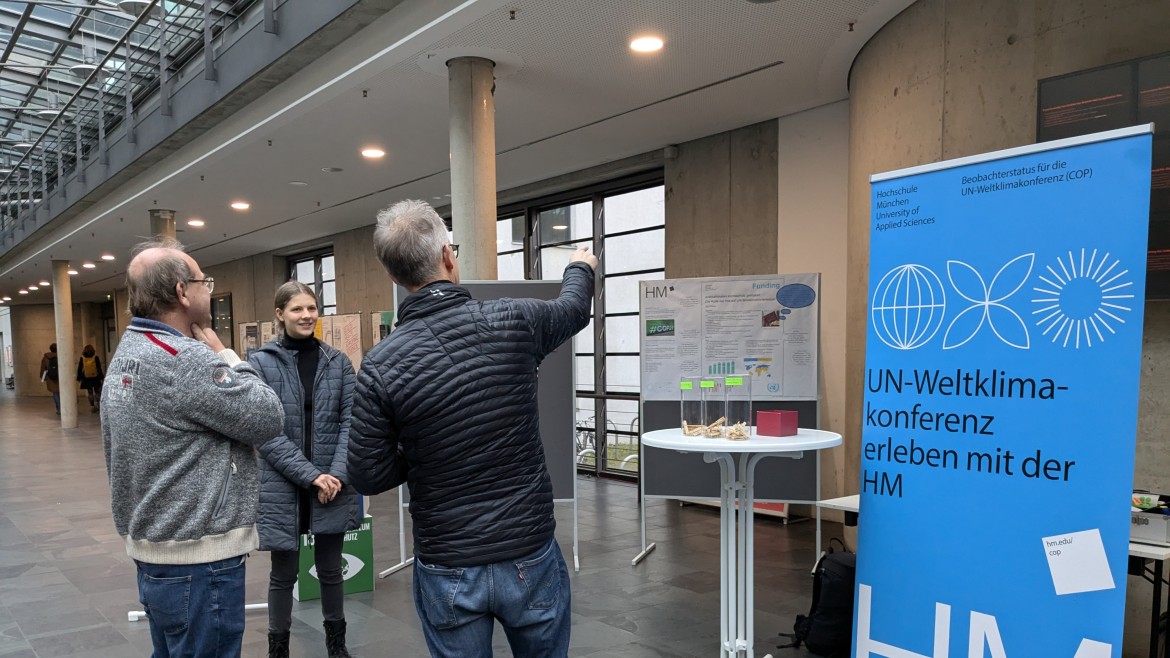
Hands-on reporting
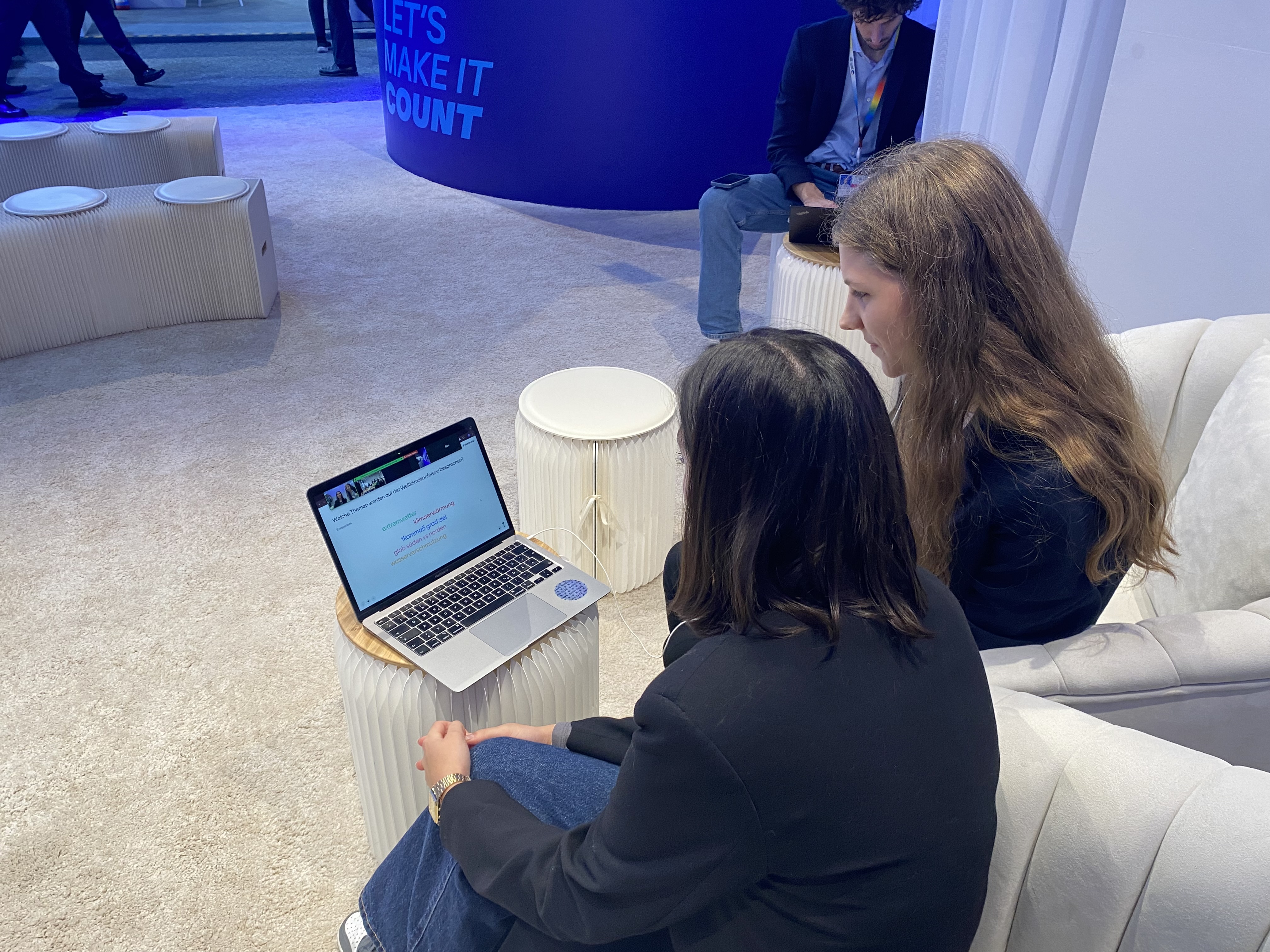
As part of the plan for participating in the UN Climate Change Conference, particular emphasis was placed on interactive and engaging reporting, with the aim of bringing the conference experience to life directly on campus. This included a social media strategy, a live stream from Baku and interactive information stands. At the information stands, game-based educational approaches and the HM delegation’s first-hand accounts helped to make the relevant COP topics more accessible. Through participatory methods, visitors were also able to reflect on their hopes and expectations for the UN Climate Change Conference and discuss key issues such as knowledge transfer, financing and adaptation to the impacts of climate change.