Press release
Between aspiration and reality: Where does the German mechanical engineering sector stand in terms of sustainable Transformation? (Press Release 32/26)
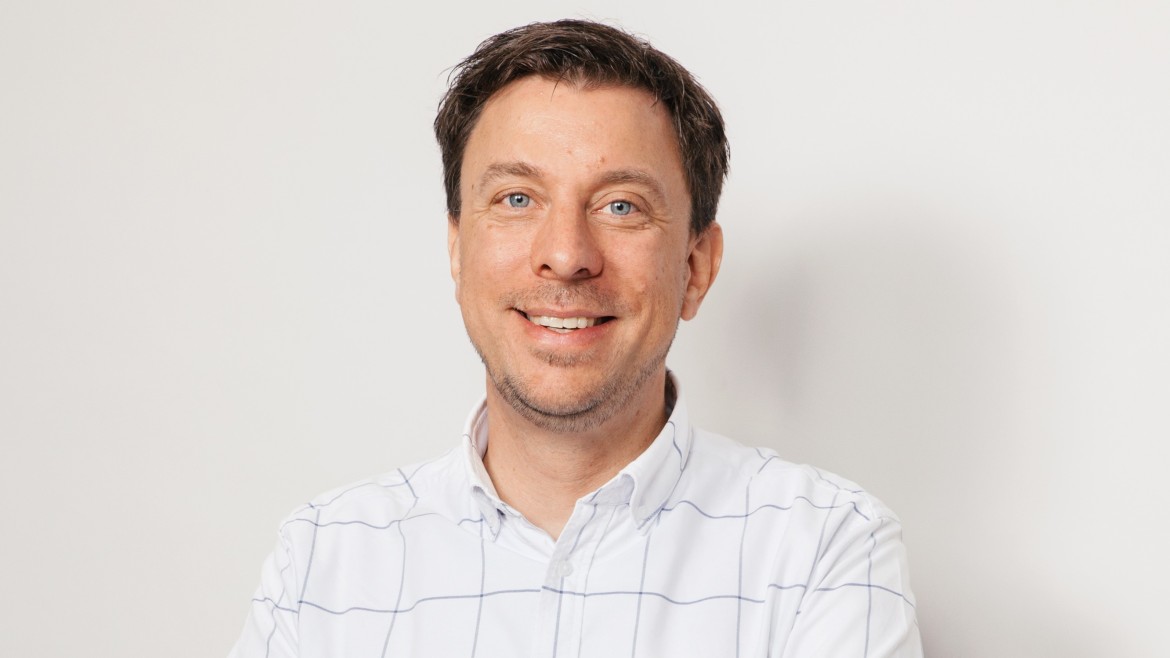
Study on the current integration of sustainability considerations into product development and production
21/09/2026
Munich, 21 September 2026 – New legislation requires companies to have a precise understanding of their products’ environmental footprint. For many mechanical engineering firms, this poses a challenge. This is demonstrated by a joint study conducted by Prof. Dr.-Ing. Markus Klein of Hochschule München (HM) and Prof. Dr.-Ing. Arthur Seibel of Leuphana University Lüneburg. The survey involved 18 companies of varying sizes and from different sectors, the majority of which were from the mechanical engineering, automotive and aerospace industries. The result: sustainability is mostly driven by external requirements such as regulations and customer demands. And in most companies, simple Excel solutions continue to be the predominant method used for assessment.
Two rounds of surveys involving 18 companies
For the study, Klein and Seibel conducted a survey of sustainability officers from 18 companies, the majority of which are based in the Munich and Lüneburg regions. First, an online questionnaire was used to assess the current state of integration of sustainability aspects into product development and production; this was followed by in-person interviews to explore the findings in greater depth. The study examined the extent to which sustainability is already embedded in product development and production, which methods and tools are used in this context, and where there is a need for further development.
Excel spreadsheets remain the most important tool
Almost all the companies surveyed take sustainability requirements into account: large corporations often already have sustainability firmly embedded in their processes and structures, whilst small and medium-sized enterprises usually only take action when customers or legislation require them to do so. Specifically: 89 per cent cite material compliance requirements – that is, compliance with regulations on substances such as the EU’s REACH chemicals regulation – as the most important external driver. 78 per cent act primarily in response to specific customer requests, whilst 72 per cent do so because of the EU taxonomy. However, owner-managed companies in particular also act on their own initiative.
Sustainability is most frequently taken into account when selecting materials and in the design phase, and less frequently during industrialisation and mass production. When it comes to assessment, 83 per cent of companies rely on in-house Excel spreadsheets, significantly more than on specialised software or enterprise resource planning systems. The respondents themselves rate the clarity and practicality of these tools as rather low, whilst considering the effort required – particularly for data management – to be high. Data gaps are particularly significant when it comes to taking into account the usage phase and the end of a product’s life cycle, known as ‘end-of-life’: reliable figures are often lacking here, meaning that companies have to rely on estimates. “Many companies are reaching the limits of their current methods and tools because the effort involved is high and the availability of relevant data is low,” explains Prof. Dr.-Ing. Markus Klein (HM).
Recyclable products: the biggest challenge
In practical terms, the study’s authors recommend simpler, AI-supported tools for sustainability assessment that can be used as early as the initial stages of development, as well as better integration of data from the supply chain, design and production. Furthermore, companies should standardise their assessment methods and data exchange more closely in order to reduce the workload. The study identifies the further development of circular design approaches – whereby products are designed from the outset with reuse and recycling in mind – as the most important next step in research; according to the results of the survey, this is the area with the greatest need for development.
Sustainable transformation in the German mechanical engineering sector
The study ‘Sustainable Transformation in the German Mechanical Engineering Sector’ was produced as a collaboration between HM and Leuphana University of Lüneburg. It was led by Prof. Dr.-Ing. Markus Klein, Head of the bachelor's degree programme in Sustainable Engineering at the Department of Mechanical, Automotive and Aeronautical Engineering at HM, and Prof. Dr.-Ing. Arthur Seibel from the Institute of Production Engineering and Systems at Leuphana University of Lüneburg. The aim was to assess the current state of sustainability integration in product development and production within the German mechanical engineering sector and to identify research needs.
We would be happy to arrange an interview with HM Professor Markus Klein.
Contact: Ralf Kastner on T 089 1265-1922 or by email .