
Why do poor people die earlier than rich people?
People living in poverty are exposed to less healthy living and working conditions. They tend to have a lower self-esteem and fewer supportive social networks that could help improve their health. Furthermore, they are more likely to receive poorer medical care and to engage in less healthy behaviours.
Professor Christian Janßen from the Department of Applied Social Sciences at Hochschule München is conducting research on this topic. The Mindsnacks team asked him a few questions about it.
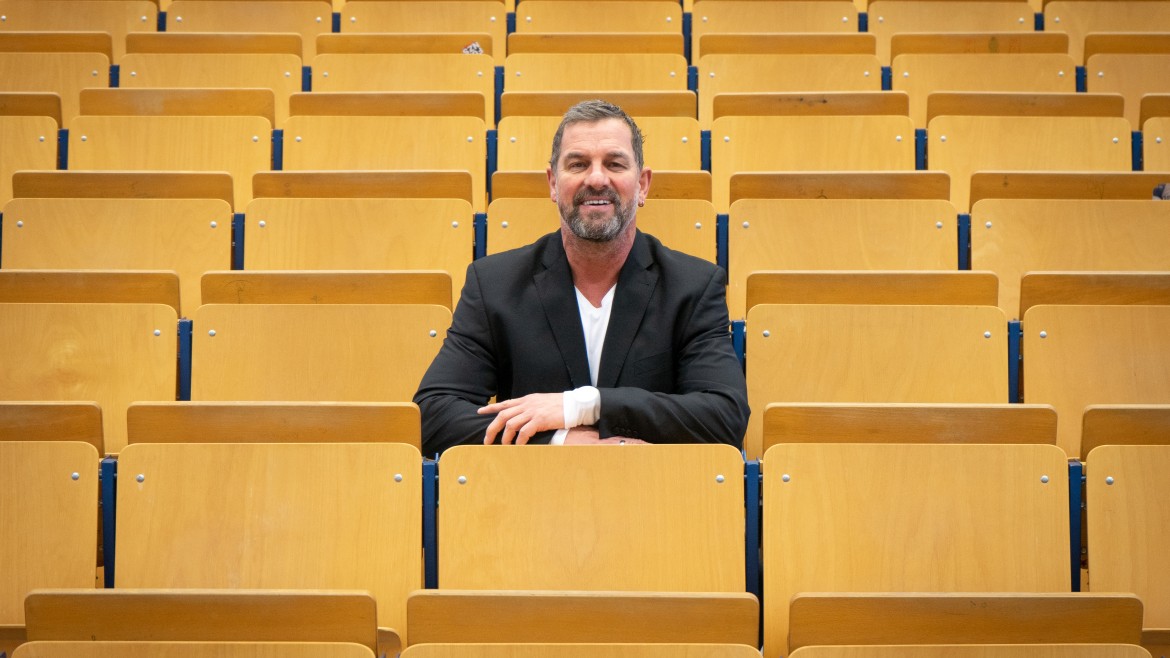
Why do poor people die earlier than rich people?
Poor people die earlier because they are exposed to more harmful environmental factors in their homes (e.g. traffic noise, car exhaust fumes, fewer green spaces and mould in their homes) and at work (e.g. dust and noise, physical and mental strain, including that caused by precarious employment). They generally have fewer resources that promote good health, such as a positive attitude towards their own health and the knowledge that they can influence it themselves. At the same time, they receive less support from social networks when they fall ill. Furthermore, their access to medical care and the uptake of preventive measures are often poorer. This is evident, for example, in appointment booking, communication and compliance (i.e. following medical advice). The most important reason, however, lies in differences in health-related risk factors such as weight, smoking, alcohol, exercise and diet. On average, people living in poverty adopt less healthy behaviours across all these areas.
How significant are the differences in life expectancy?
Current studies by the Robert Koch Institute show a difference of 4.4 years for women and 8.6 years for men between people classified as ‘poor’ (i.e. earning less than 60% of the average income) and those earning more than 150% of the median income. These differences have been documented in all Western industrialised nations since the 1970s.
What would need to change so that poor people do not die earlier than rich people?
Preventive measures need to be rethought and implemented so that they reach the areas where they are most urgently needed, thereby reducing inequalities in health-damaging behaviours. Specific measures include, for example, urban planning that takes into account health-promoting living conditions for all sections of the population from the outset. Or workplace health promotion that takes account of social differences in workplace stress and seeks to address them. Actively promoting social networks, such as community work or neighbourhood support schemes, can also help. Finally, an early approach in schools, for example through health education, promises to instil in children a positive attitude towards their own bodies and health as a preventive measure.
Still not full?
Ask the Mindsnacks team or keep browsing our Mindsnacks website.