
How can we protect homes from climate change?
The impact of extreme weather events on buildings – such as flooding – can be modelled using 3D simulations. An assessment tool identifies vulnerabilities in and around a building. Homeowners, planners and public authorities can use the results to implement targeted construction measures to make buildings more resilient, i.e. more climate-resilient.
Dr. Ahmed Khoja is conducting research on this topic as part of a joint project with Professor Natalie Eßig from the Department of Architecture.
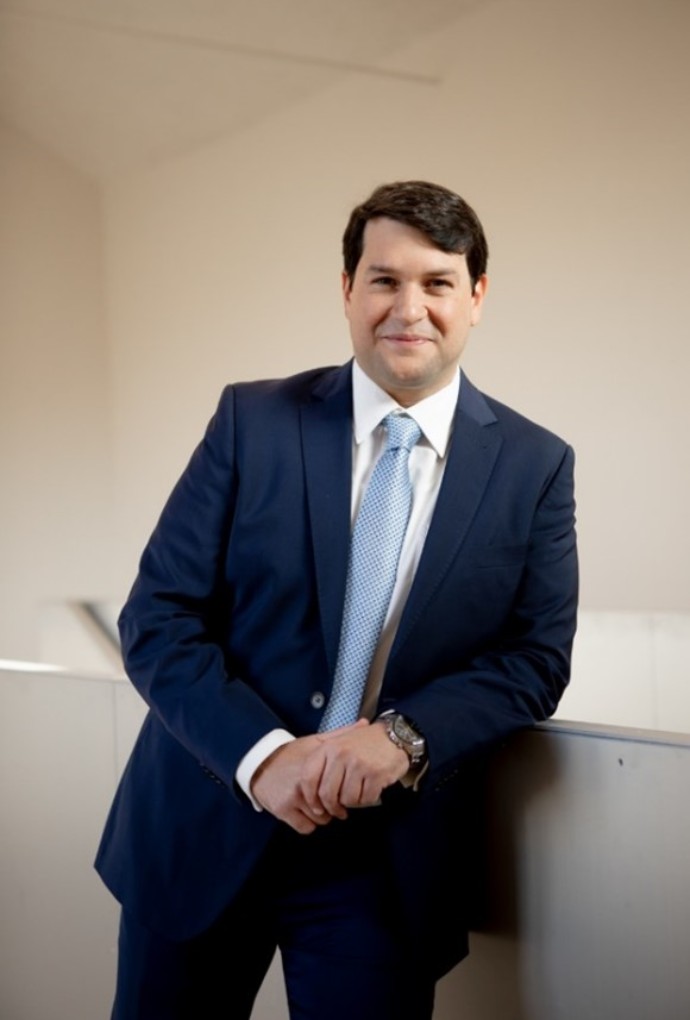
In your opinion, how will climate change affect our built environment in the future?
Climate change is leading to more frequent and extreme weather events, such as heatwaves, heavy rainfall and storms. This is increasing the demand for climate-adapted construction methods, materials and infrastructure. Resilient buildings and neighbourhoods are becoming crucial to safeguarding quality of life, safety and economic stability in the long term.
What exactly is meant by ‘climate-resilient architecture’?
Climate-resilient architecture designs buildings to withstand extreme weather events and remain fully functional afterwards. The measures range from heat-resistant insulation to water-retaining green roofs, but are always adapted to local conditions. The aim is to design buildings in harmony with nature and to create stable, sustainable structures for the long term.
What can each of us do to make buildings more climate-resilient?
Even simple steps such as green roofs, rainwater harvesting or a more conscious approach to energy use can make a big difference. However, it is not just the availability of the relevant technologies that is crucial, but above all the knowledge of how to use them effectively. This is precisely where we encounter a shortfall that I refer to as ‘climate adaptation illiteracy’ – a lack of familiarity with practical adaptation measures and their application. This is at the heart of my ‘Climate Adaptation Literacy’ concept – an approach I am currently researching in order to bridge precisely this gap.
In what ways do you hope your research will help make our buildings, our built environment and our cities more climate-resilient in the long term?
I want to help shape cities in such a way that they integrate seamlessly into natural cycles and can respond flexibly to climate change. My research explores how people, technologies and the built environment work together synergistically to enhance resilience and sustainability. This creates long-term synergies between the built and natural environments and delivers genuine added value for future generations.
Those interested can find an article on the current research project by Dr. Ahmed Khoja and Prof. Dr. Natalie Eßig in the latest issue of HM Magazine’s Appyling Science.
Ask the Mindsnacks team or keep browsing our Mindsnacks website.