Career-integrated study of engineering acoustics
Prepare yourself for a career with a future and benefit from our network of experts. Study acoustics at Mittweida and Hochschule München, which have jointly developed the career-integrated master's degree programme in Engineering Acoustics as a collaborative course.
Contact and Advice
The degree programme at a glance
- Qualification: Master's degree in science (M.Sc.), 90 ECTS
- Standard period of study: 4 semesters + 1 semester for the Master’s thesis
- Start: winter semester
- Application period: from 15 April, usually until 15 July (via Mittweida University of Applied Sciences)
2,450 euros per semester during the standard period of study, plus semester fees in Mittweida and Munich (see the fees schedule (available in German only); tuition fees are tax-deductible)
| semester | Place of study | Organisation of Studies |
|---|---|---|
| 1. and 2. | Mittweida | Monthly 3-day intensive sessions (Thu–Sat) during the lecture term |
| 3 and 4. | Munich | |
| 5. | freely selectable | Time for the Master’s thesis; location and dates to be agreed with the Supervisor |
- studies in the natural sciences or engineering
- Bachelor's or Diplom degree
- at least six semesters of theoretical study
- at least 180 ECTS
- or an equivalent qualification
In principle, students on career-integrated studies should be in employment; the studies are specifically designed to suit this situation. Proof of relevant professional experience is not required.
The qualification goals of the career-integrated Master’s degree programme in Engineering Acoustics include, amongst other things:
- Methods for
- Carrying out metrological investigations in the fields of acoustics and vibration engineering
- Processing and Analysis of Dynamic Signals
- Psychoacoustic assessment of noise and its impact on human health
- Solving complex acoustic calculation and development tasks using commercial software
- Development of specific products
- Determination and documentation of objective threshold values for describing noise nuisance and noise exposure
- Project management
- Expertise in
- technical acoustics
- Low-noise design and sound insulation
- Vehicle acoustics
- Building and Room Acoustics
- Media Acoustics and Sound Engineering
- Psychoacoustics and Sound Design
- Contract law
- Eligibility for
- Understanding the theoretical physical principles underlying technical acoustics
- independent academic work
- independent learning and the further training of others
- a responsible approach to acoustic issues in society
- senior specialist and management roles
- across all key industries
- among engineering service providers and consultancy firms
- with public authorities, e.g. environmental protection, urban development, planning and assessment
- academic activities at colleges, universities and research institutions
- Eligibility for a doctorate
A total of 300 ECTS credits must be demonstrated in order to be eligible for a doctorate. Both universities therefore offer bridging courses through which any missing ECTS credits can be obtained.
- Joint Degree: Partnership between the Hochschule München and Mittweida
- direct practical relevance
- all lecturers with industry expertise
- ideal for career-integrated study
- consecutive (can be undertaken immediately after the bachelor's degree)
- networked exchange with lecturers and students
- Modules can be studied individually (module-based study)
- Qualifications in automotive, room, building, media and psychoacoustics, low-noise design, sound insulation and simulation
What people are saying about the master's degree p






Who should submit an application?
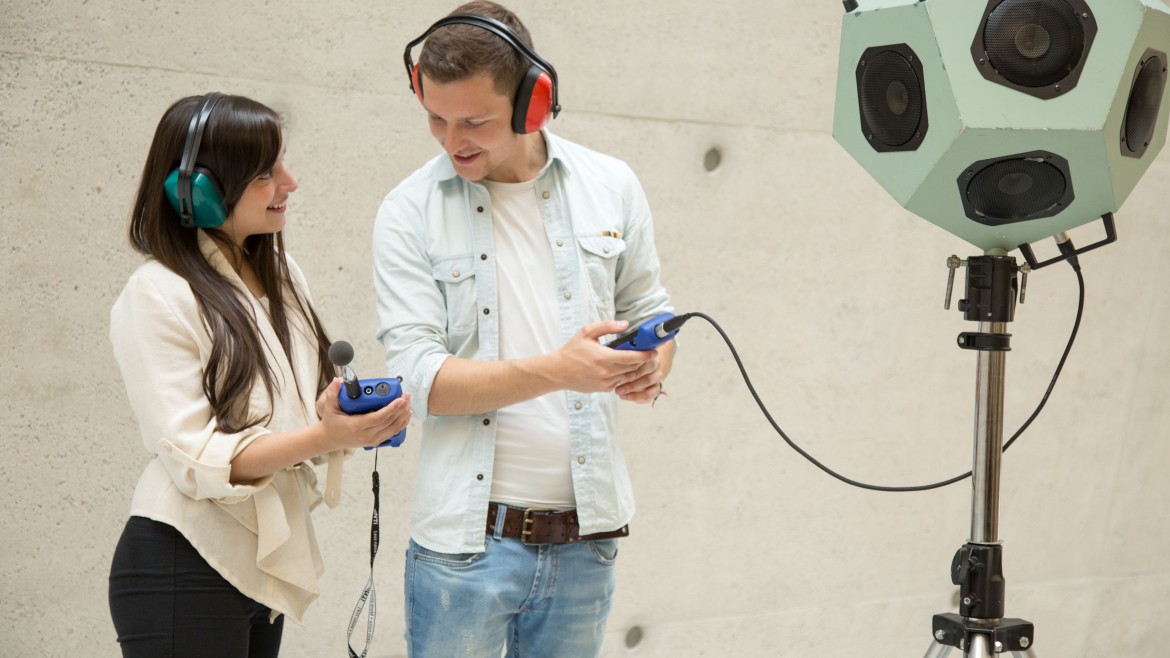
Anyone who has a first degree – preferably in a technical or scientific subject – and has either already started their career or is looking to do so soon, and who is keen to explore the full spectrum of acoustics. Those with experience in acoustics are just as welcome as those new to the field.
Module Overview
| semester | Place | Modules | has academic feasibility as a modular course |
|---|---|---|---|
| 1. | Mittweida | Advanced Mathematics | no |
| Fundamentals of Technical Acoustics | no | ||
| Acoustic Measurement Technology | no | ||
| 2. | Room and Building Acoustics | no | |
| Psychoacoustics | no | ||
| Media Acoustics and Sound Engineering | no | ||
| 3. | Munich | Management and Contract Law | yes |
| Low-noise design and sound insulation | yes | ||
| Vehicle acoustics | yes | ||
| 4. | Simulation methods in acoustics | yes | |
| Seminar on Academic Writing | no | ||
| 5. | freely selectable | final assignment | no |
Would you like to know what the module names mean? Take a look at the individual modules in our detailed module overview.
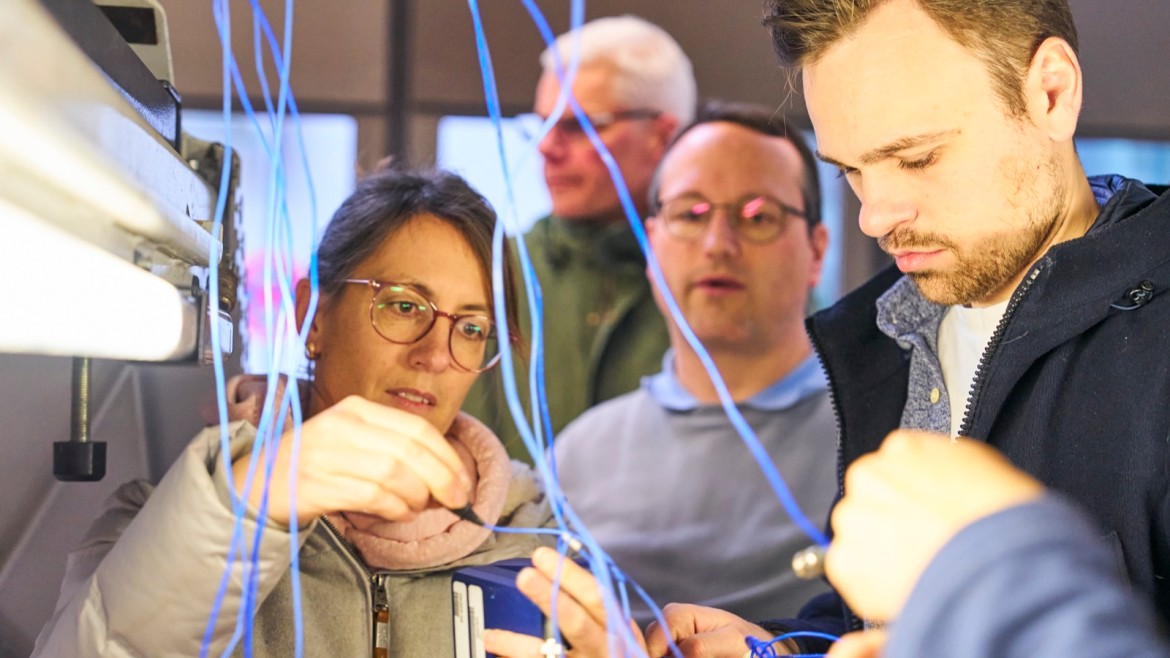

Much more than just dry theory
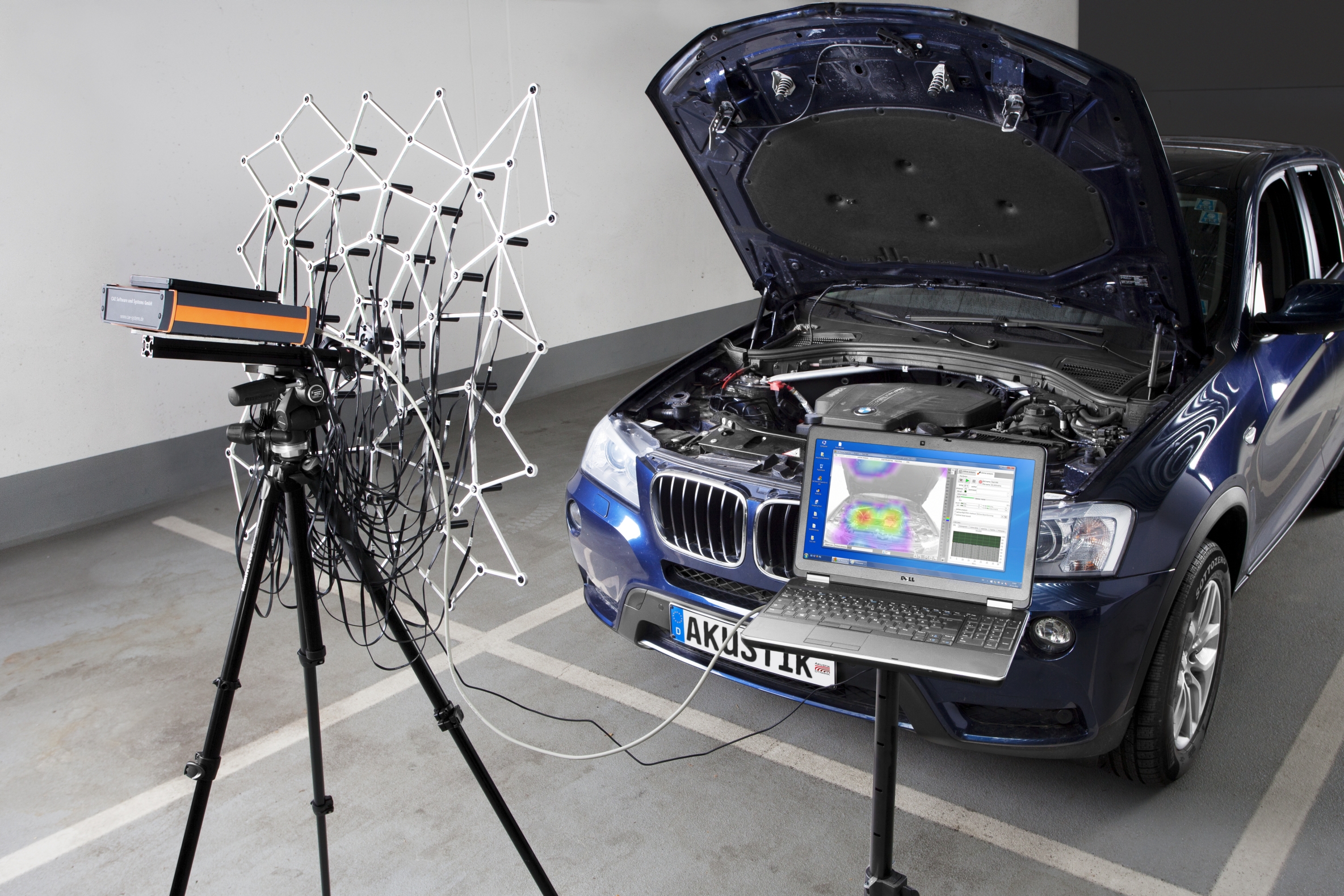
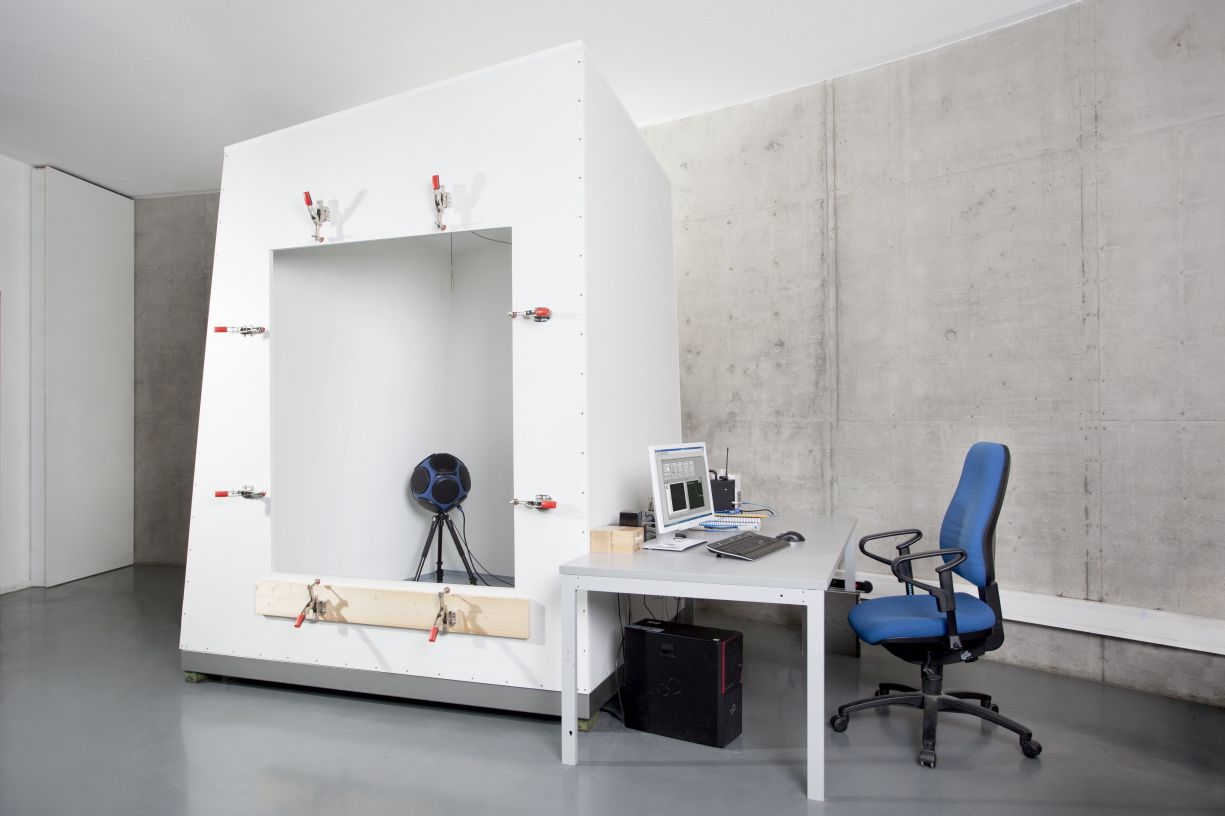
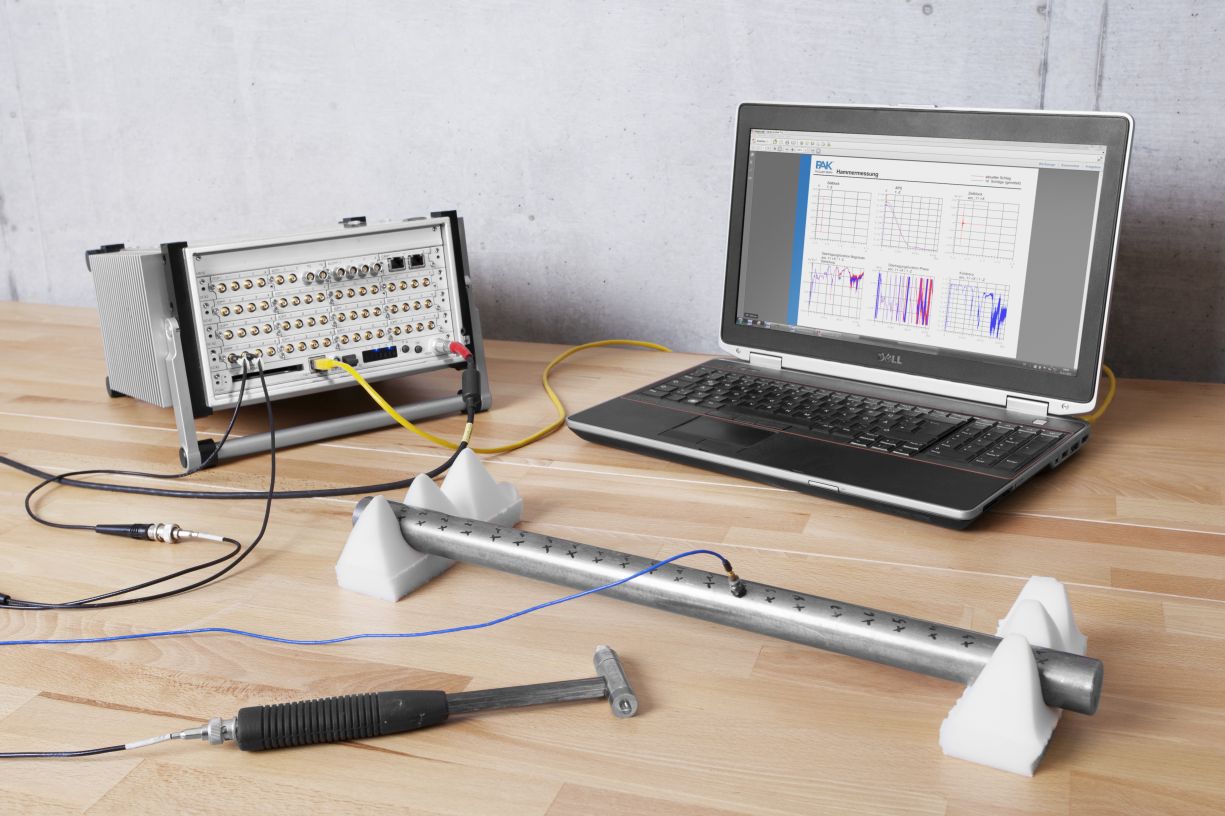
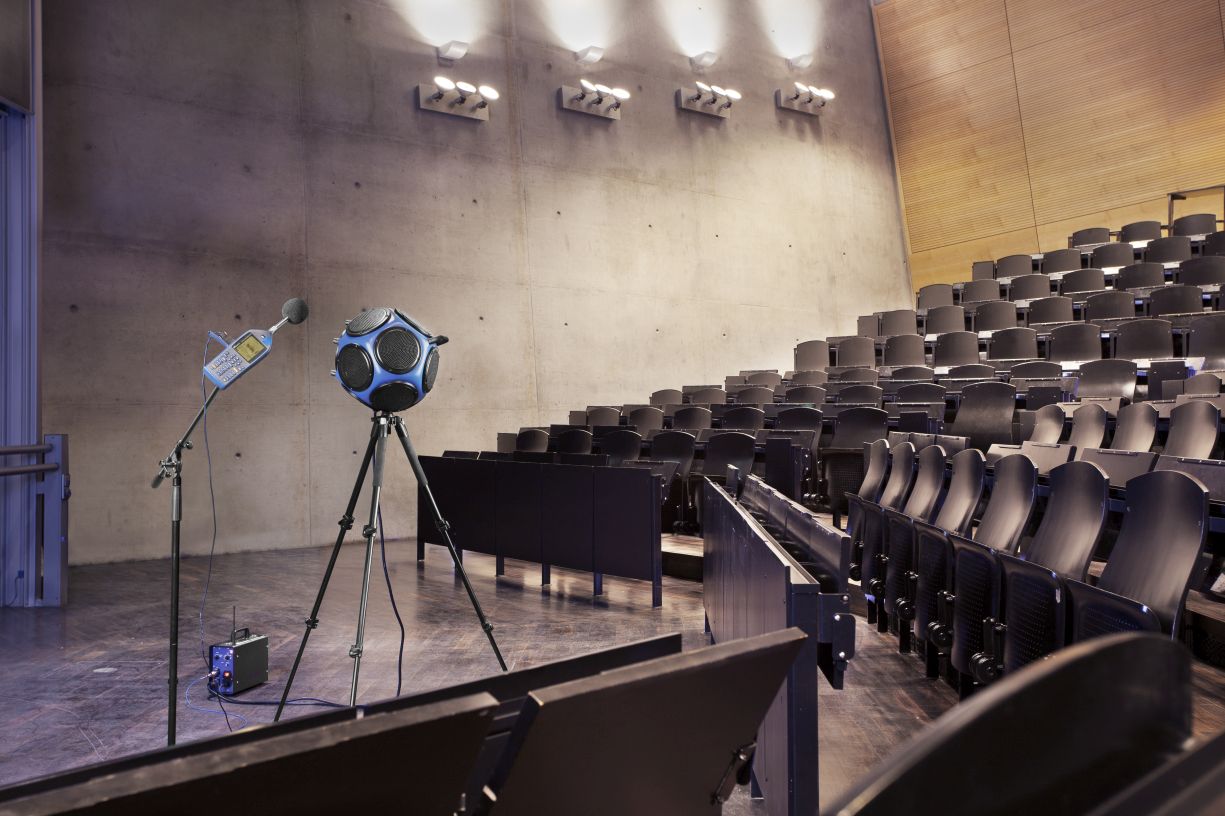
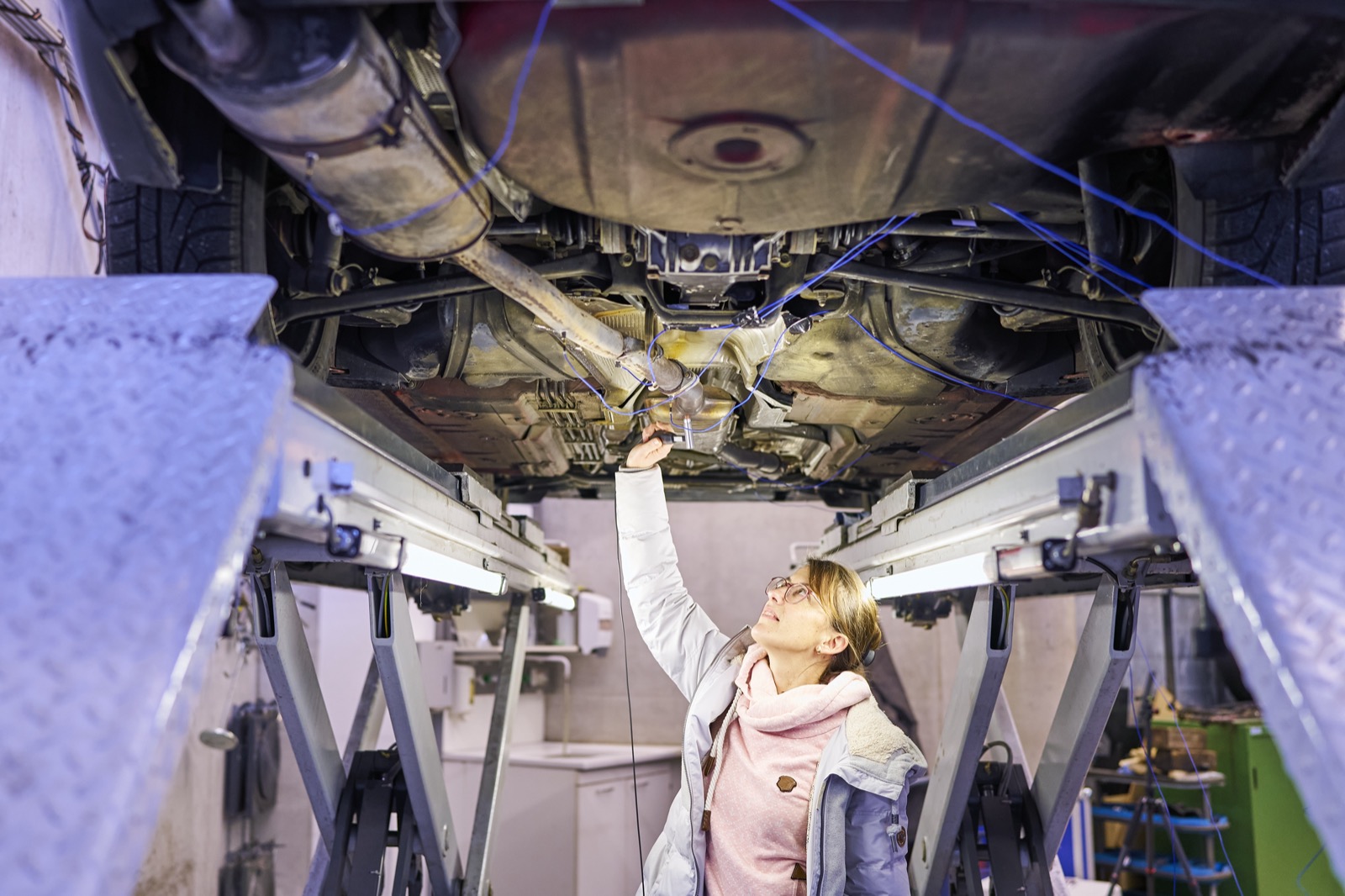
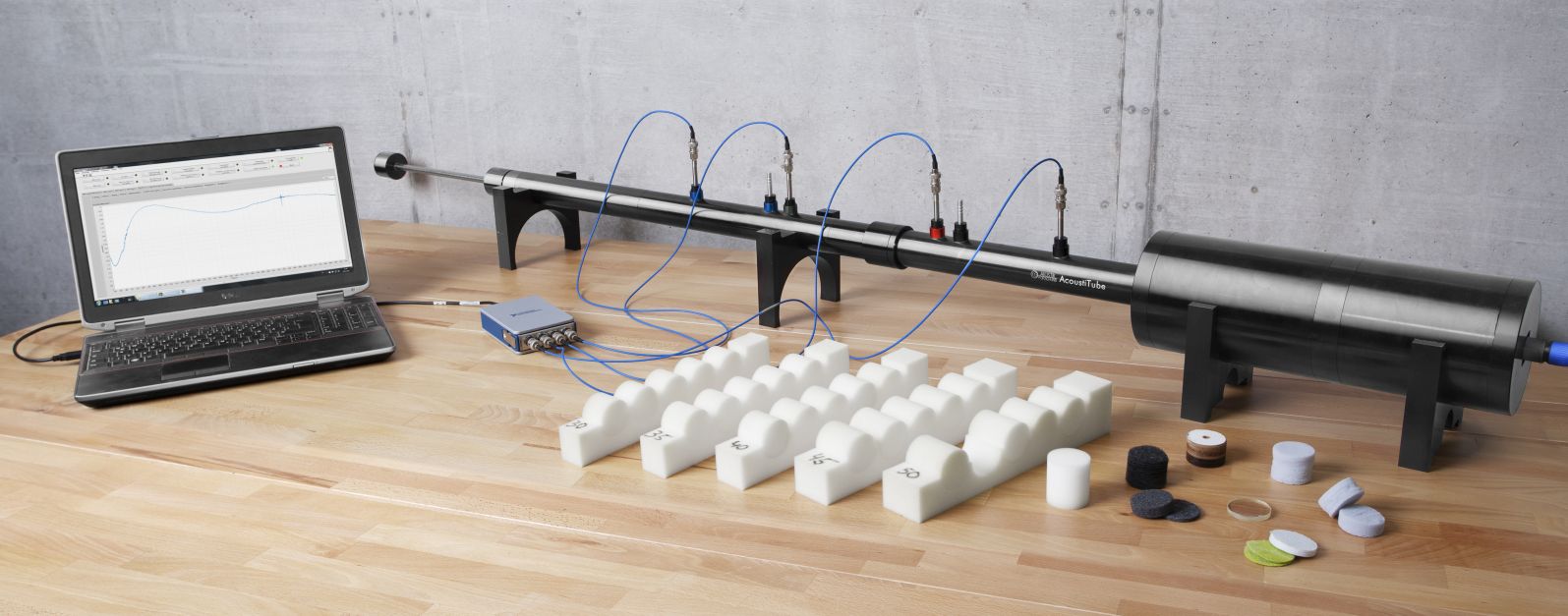
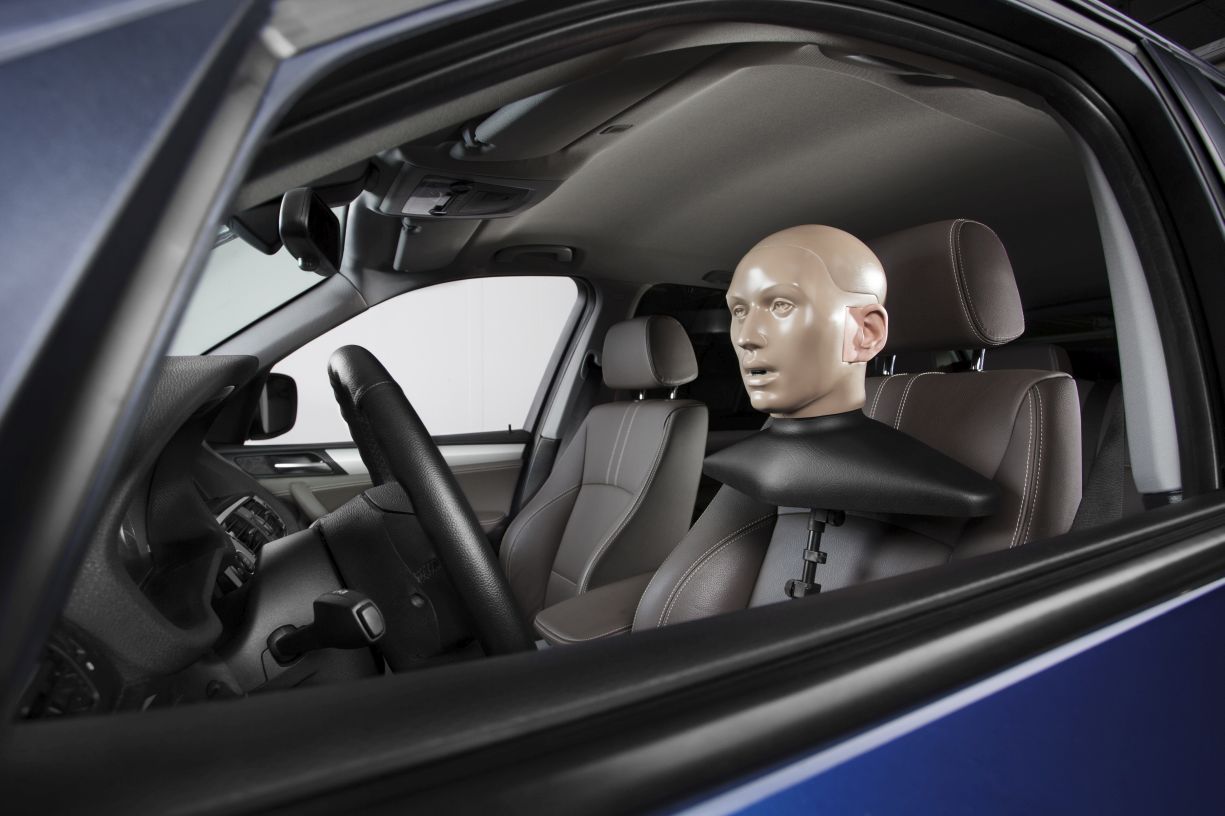
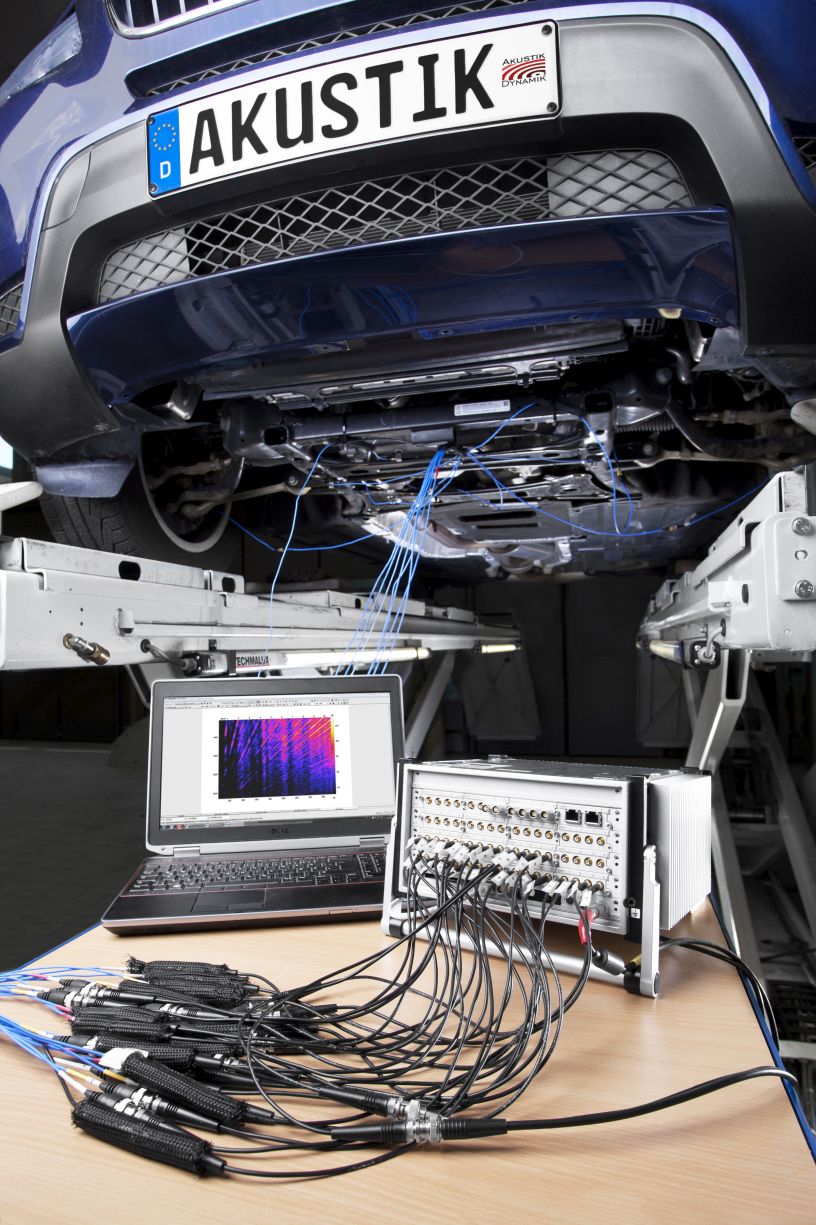
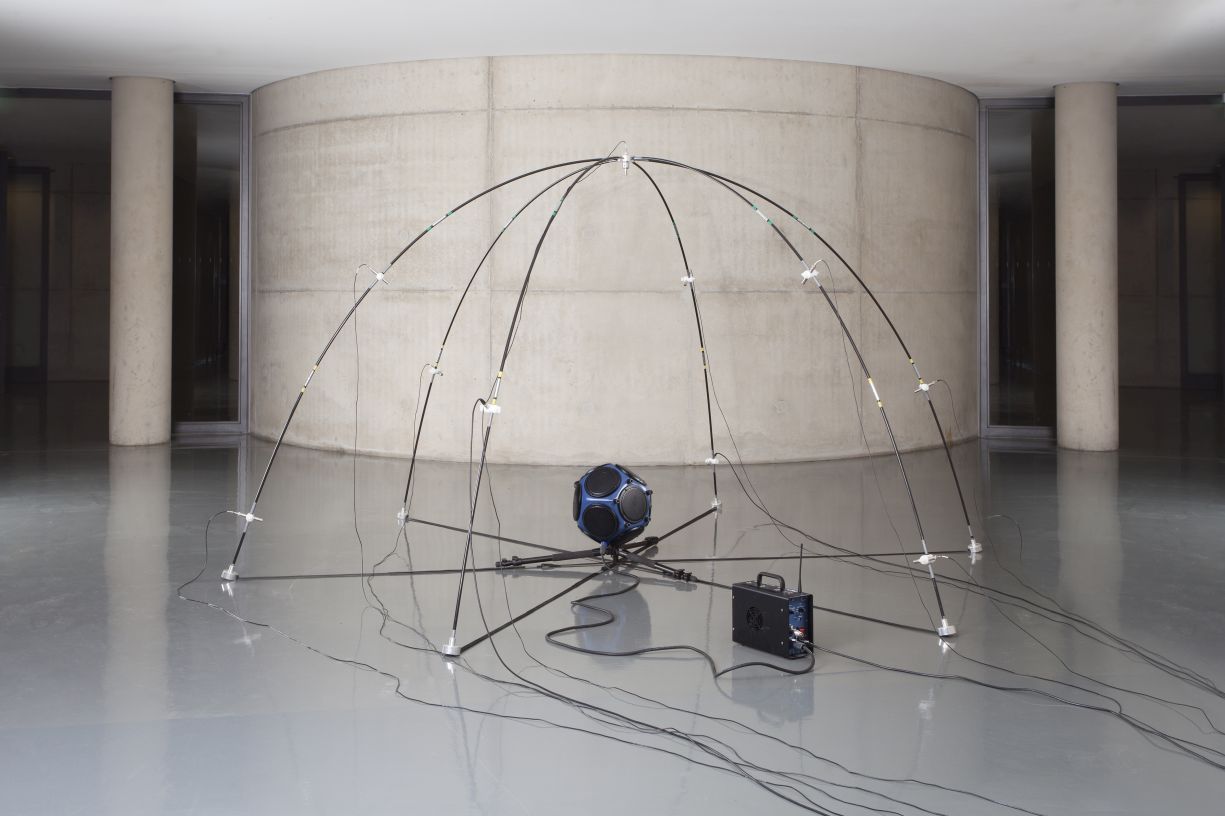
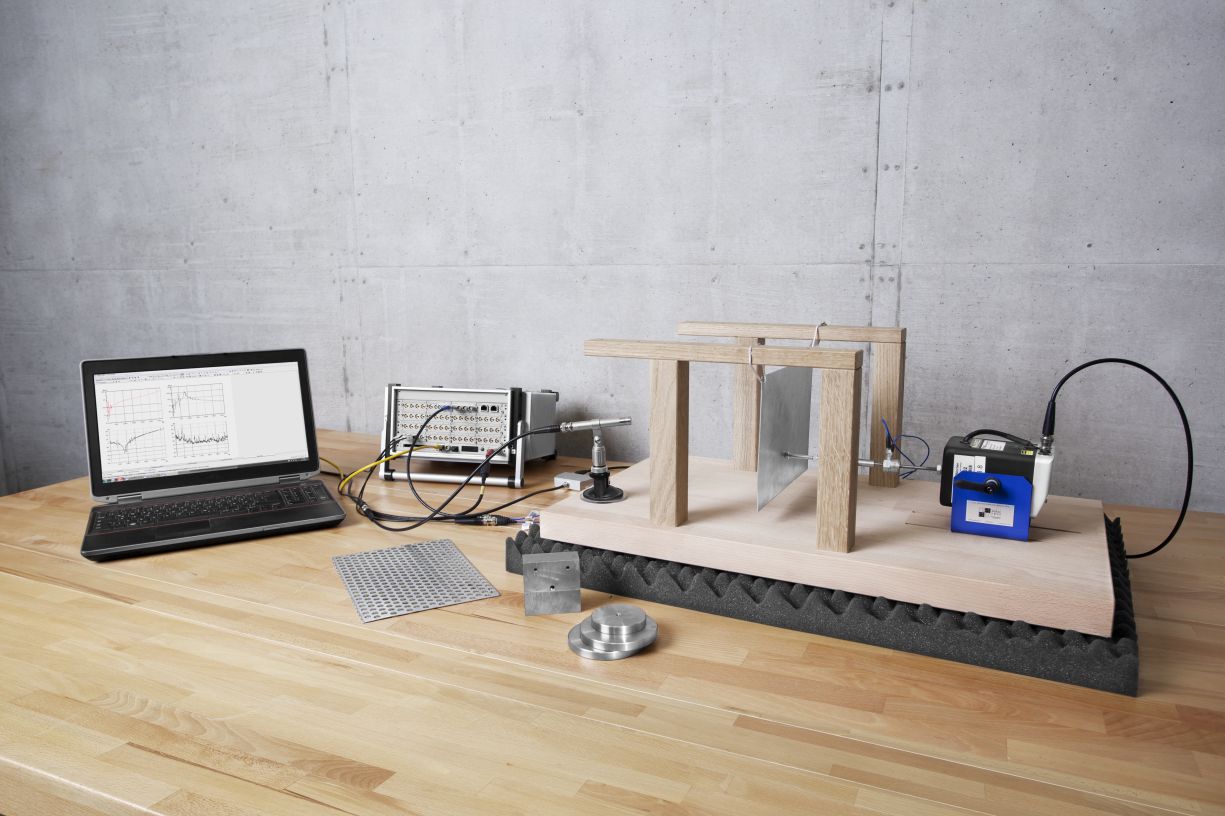
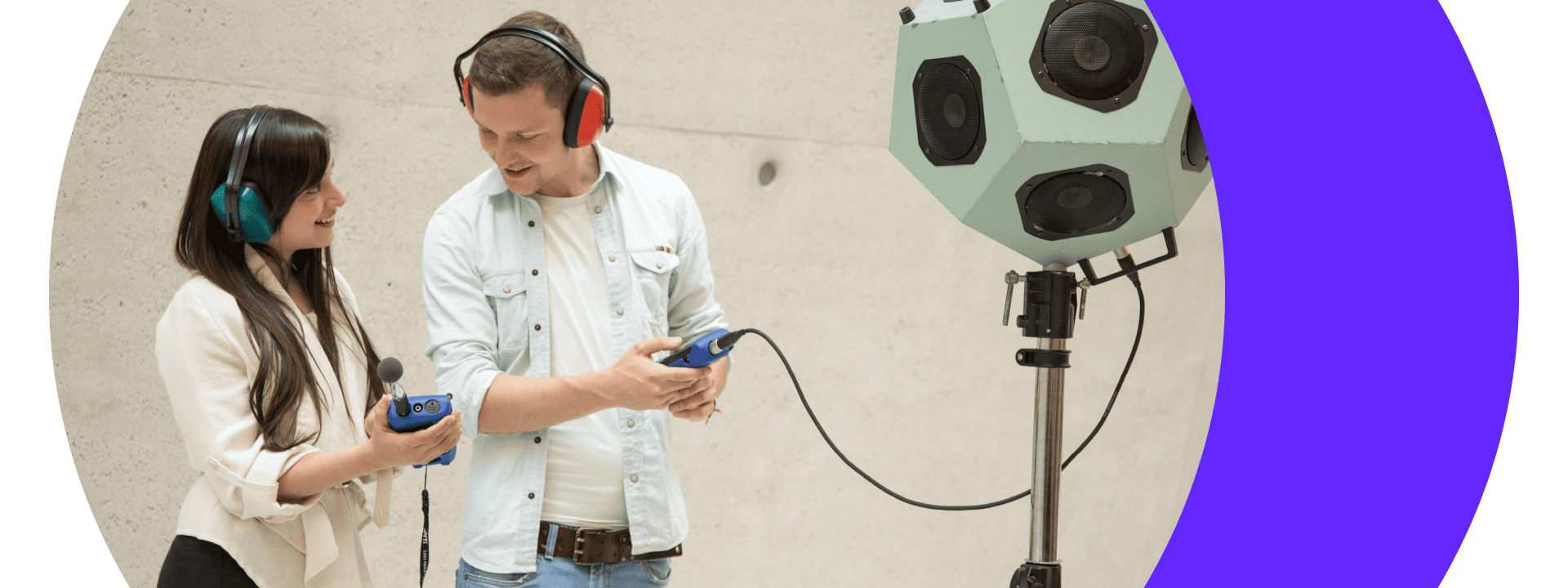
Study acoustics practically and application-orientedly thanks to excellent technical facilities: Students on the master's degree programme in Engineering Acoustics gain experience using a roller test bench, an alpha chamber, in a recording studio and in various laboratories equipped with excellent technical facilities. The Mittweida and Hochschule München campuses complement each other perfectly, enabling the two universities to cover the full spectrum of acoustics.
During their studies in engineering acoustics, students get to know, amongst other things, the Laboratory for Acoustics and Dynamics in Munich and the laboratories for psychoacoustics and technical acoustics in Mittweida. The following gallery provides an insight.
FAQ
Prof. Jörn Hübelt from the podcast “Akustik & Drinks”
Prof. Jörn Hübelt from the podcast “Akustik & Drinks”
Prof. Jörn Hübelt from the podcast “Akustik & Drinks”
Prof. Jörn Hübelt from the podcast “Akustik & Drinks”
Prof. Jörn Hübelt from the podcast “Akustik & Drinks”
Prof. Jörn Hübelt from the podcast “Akustik & Drinks”