Three questions for “People With An Agenda”
“Through peer-to-peer initiatives, we help students develop their academic skills and personal growth.”
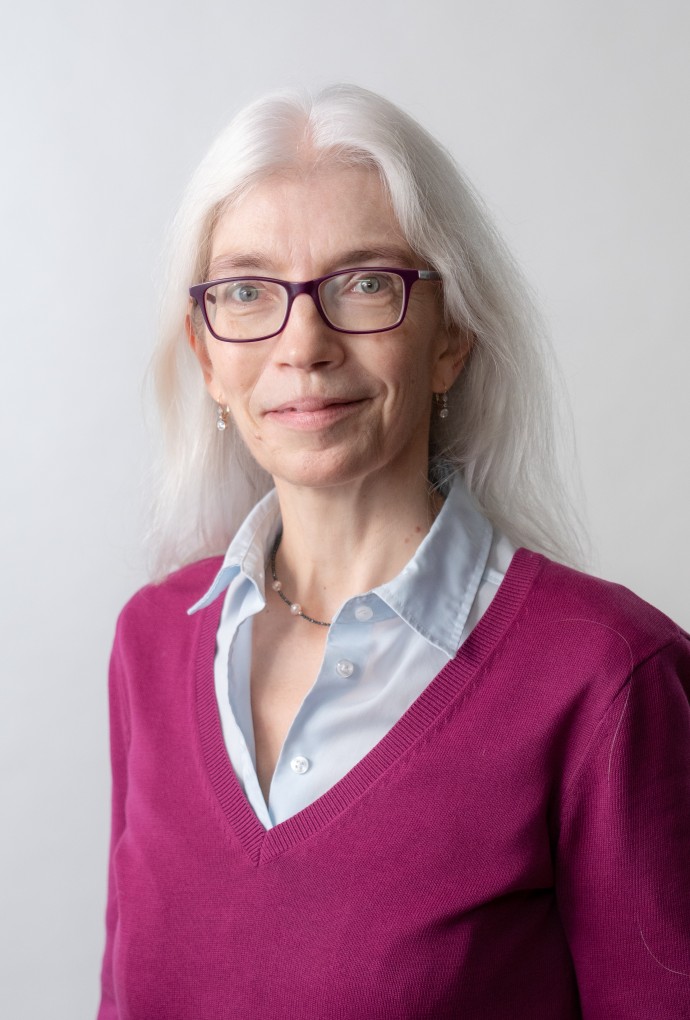
Prof. Dr Angelika Iser & Prof. Dr Simone Kaminski
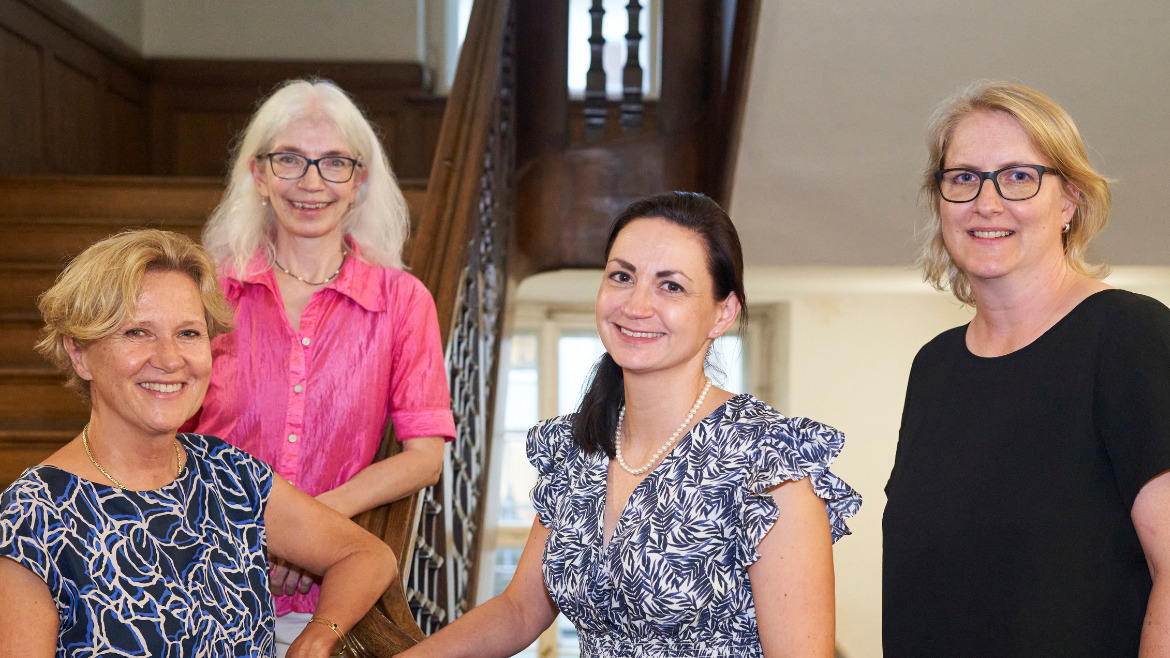
Prof. Dr Angelika Iser & Prof. Dr Simone Kaminski
What innovations in Education are you developing, and what motivates you to do so?
Angelika Iser & Simone Kaminski: We are setting up two peer-to-peer support schemes for students at Hochschule München. More experienced students are trained as peer mentors so that they can support new students, particularly as they settle into university life. In addition, we are training peer coaches at Department 11 who are available to other students across the university to answer any questions relating to their studies, with the aim of helping them to help themselves. The increasing diversity in terms of social and cultural backgrounds, educational qualifications and individual life circumstances, as well as the associated challenges for young people, mean that it is becoming increasingly necessary to provide targeted support to develop students’ academic skills.
In what way does your innovation help students to become responsible designers of the future?
Angelika Iser & Simone Kaminski: Our training programmes for peer mentors and peer coaches help students develop their personal and social skills. They involve students in shaping the peer support services, thereby fostering a sense of shared responsibility and the ability to take the initiative. Furthermore, they aim to promote the transfer of knowledge in the context of social sustainability and Bildung für Nachhaltige Entwicklung (Education for Sustainable Development).
How can other lecturers benefit from your innovation?
Angelika Iser and Simone Kaminski: Lecturers from all departments can have their peer mentors trained by us and involve them in supporting new students as they settle into university life. We are also happy to advise on the design of their induction programmes. Peer coaching can be recommended to students across the university as a low-threshold form of support for non-subject-specific questions relating to their studies and everyday life. Last but not least, this reduces the workload involved in providing counselling.
Your teaching philosophy at HM in three words:
Academic aptitude, peer-to-peer, shared responsibility
Further links with information
Prof. Dr Simone Kaminski studied psychology at the Catholic University of Eichstätt-Ingolstadt and completed her PhD in the subject area of social psychology at Ludwig Maximilian University of Munich. She then worked in human resources development at a large facility management company and served as a project manager as part of the Quality Pact for Teaching at the LMU Centre for Leadership and People Management. There, she established a peer-to-peer mentoring programme to help new students settle into university life. Since October 2015, she has been a Professor of Psychology in the Department of General and Interdisciplinary Studies. She is a qualified business coach and trainer, and has also been working freelance as a trainer, consultant and business coach since 2007.
Prof. Dr Angelika Iser studied to become a secondary school teacher at the Heidelberg University of Education, completed her teaching placement in Reutlingen and subsequently studied Educational Sciences at the Eberhard Karls University of Tübingen, specialising in social pedagogy and adult education. She is a qualified mediator. In her doctorate, she investigated the extent to which supervision and mediation offer opportunities for conflict resolution and quality development in social work. She worked on a freelance basis in accompanying research and organisational development, as well as a research staff member in a federal network for socio-political youth education. Since 2007, she has been a Professor of school social work and out-of-school social pedagogical work at the Department of Applied Social Sciences at HM. She is currently also the project manager for Ökoprofit at the ‘Green Pasing Campus’ for Faculty 11.