Final project results: ZukunftGestalten@HM
2023: SDG Challenge
The cross-faculty teaching project “ZukunftGestalten@HM” focused on the “SDG Challenge” during the summer semester of 2023.
With the 17 Sustainable Development Goals (SDGs), the international community has, for the first time, agreed on a universal set of specific targets that encompass all three dimensions of sustainability. As a scientific institution and educational establishment, HM is committed to making a decisive contribution to achieving the Sustainable Development Goals through its ‘ZukunftGestalten’ project course. Depending on the respective project partner, specific issues are addressed that relate to the individual SDGs. These issues include, for example, the mobility transition (SDG 11), climate action (SDG 13), quality education (SDG 4) and responsible consumption and production (SDG 12).
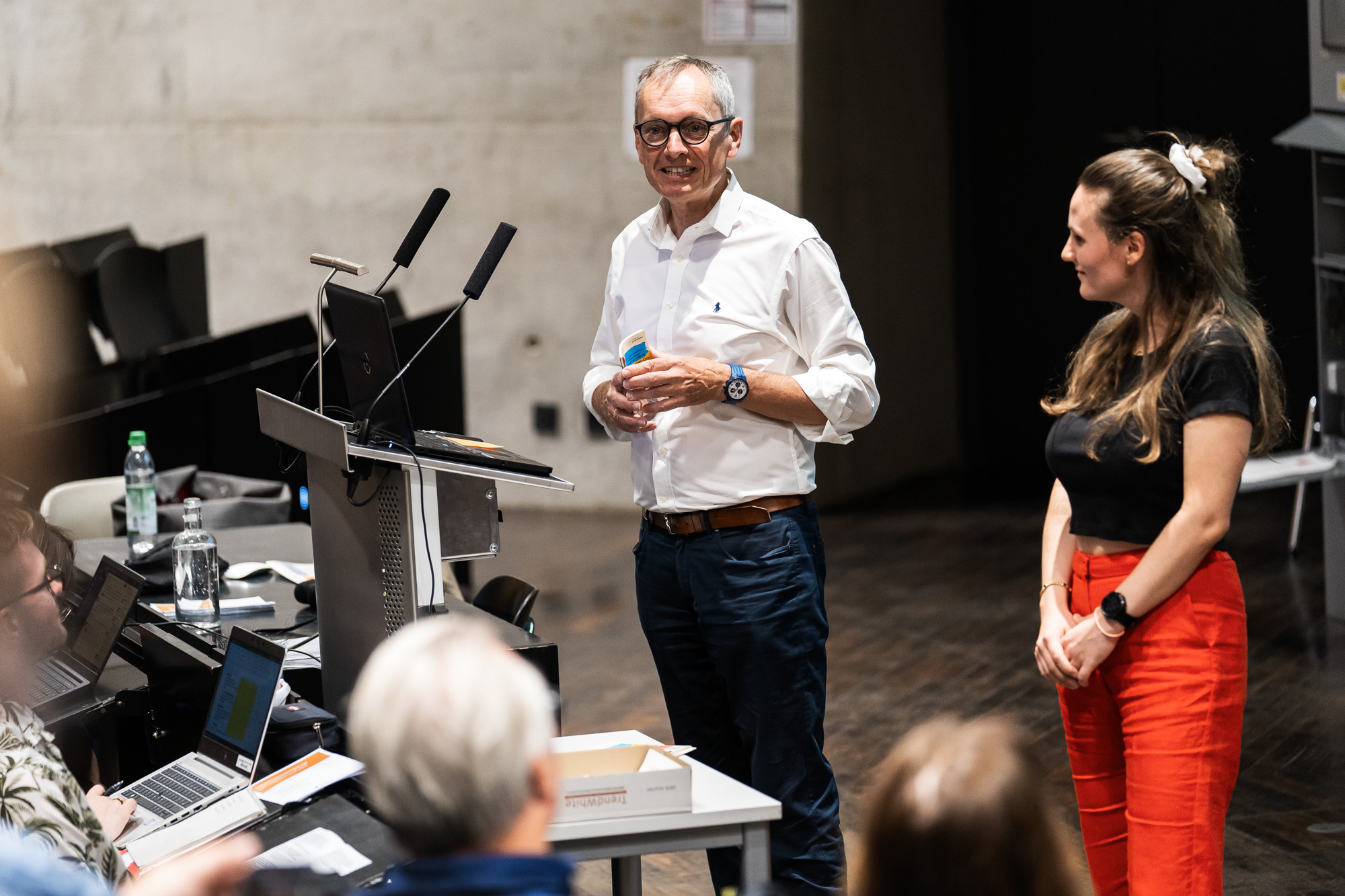
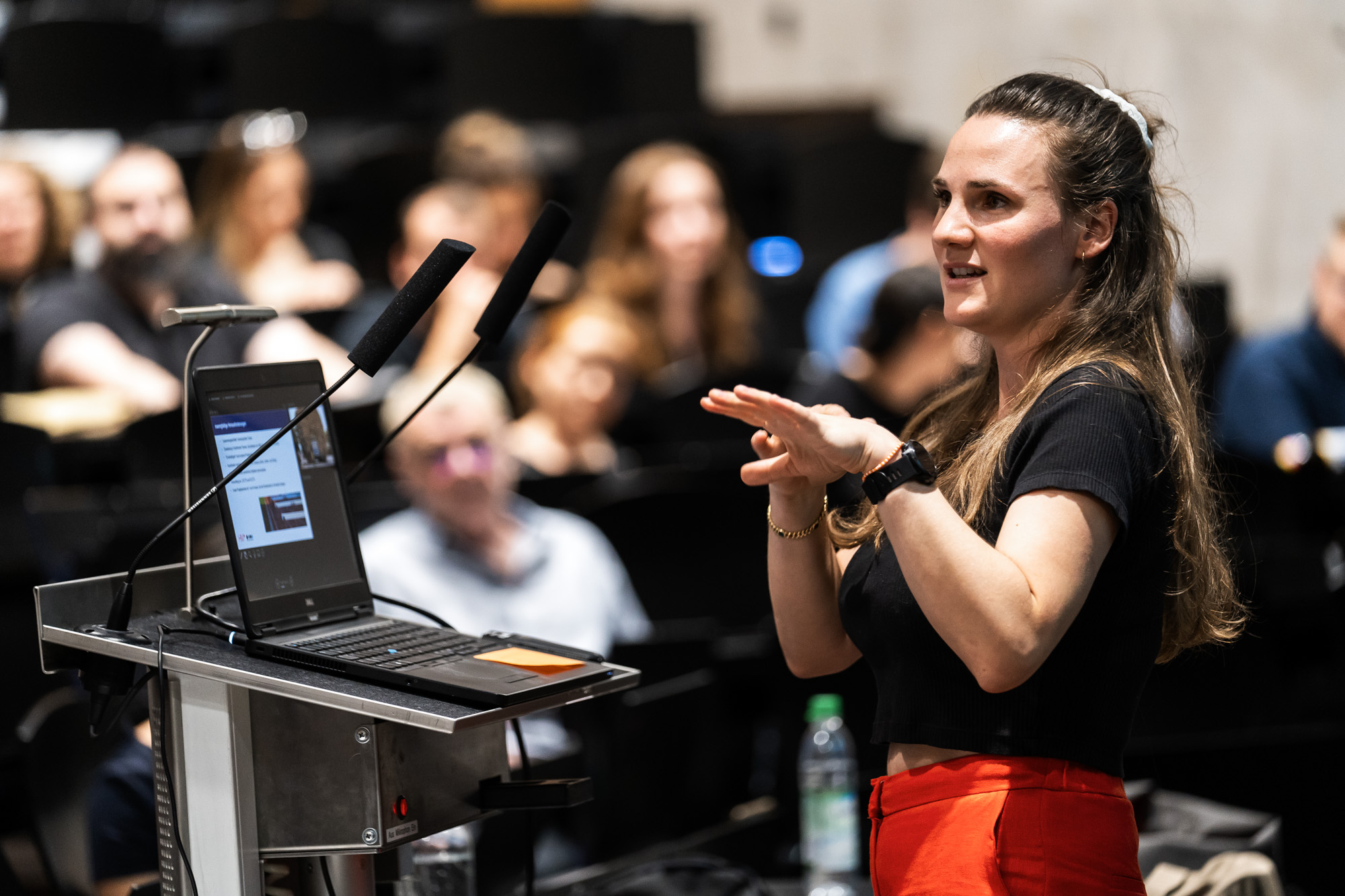
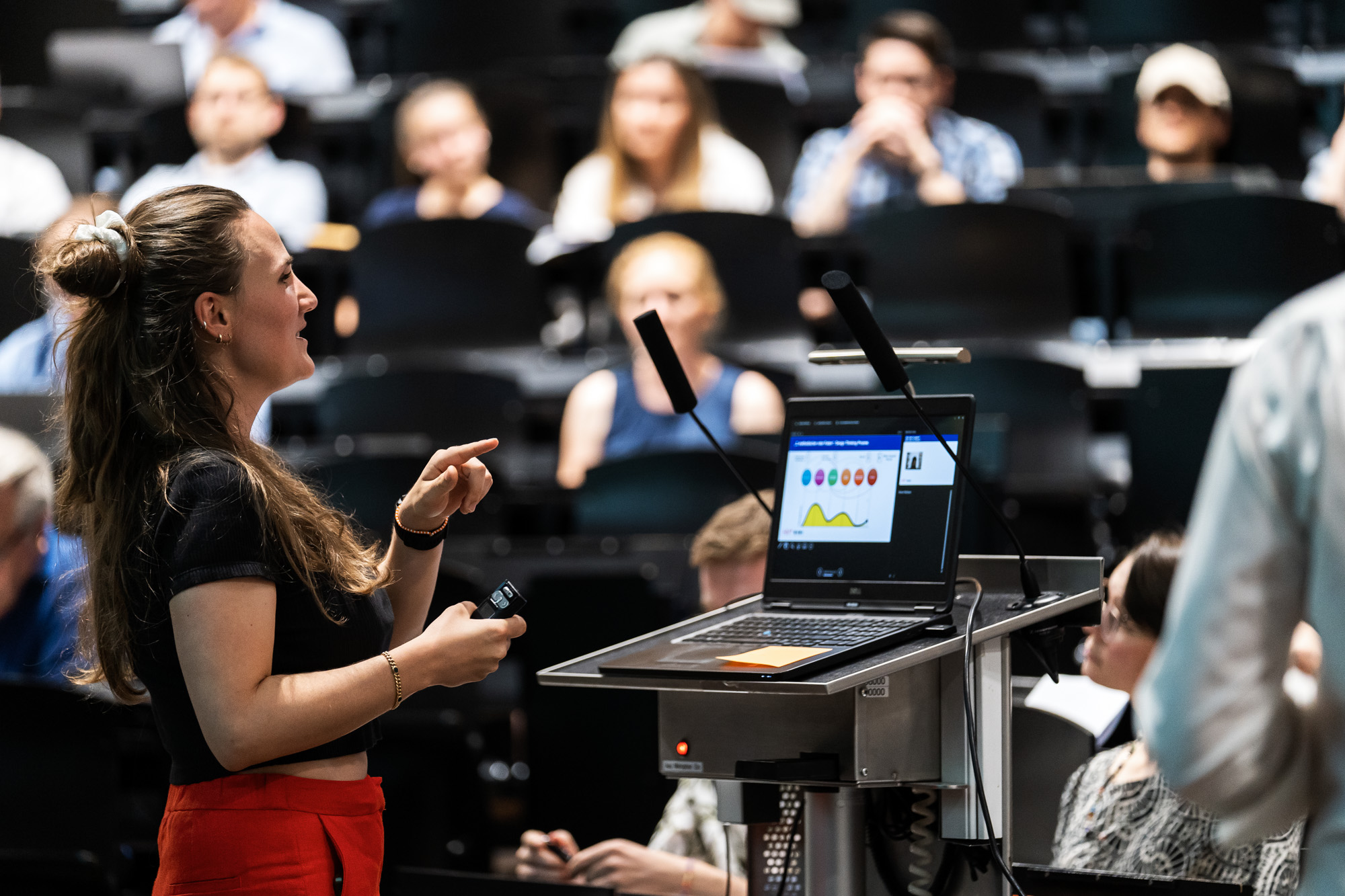
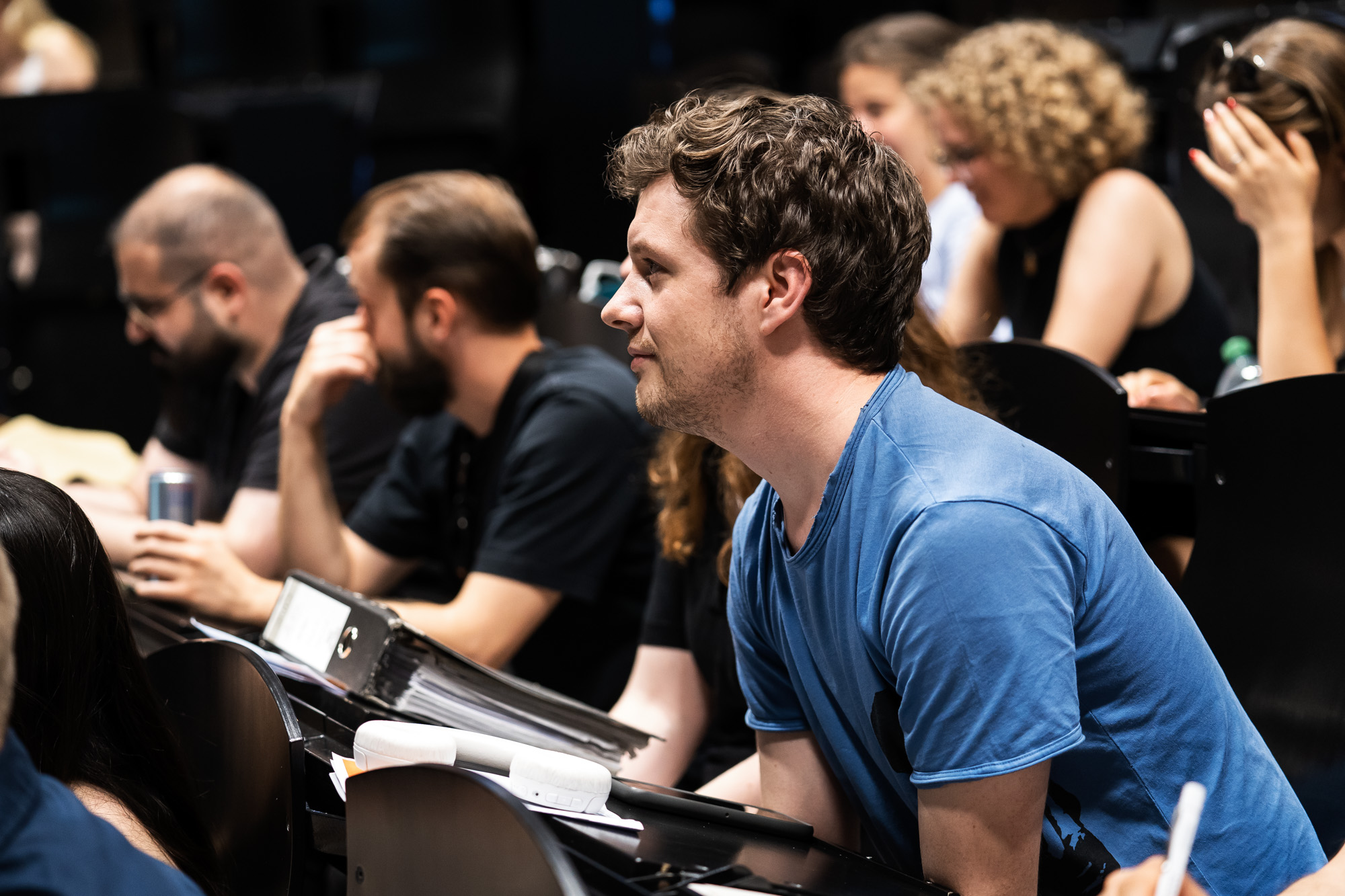
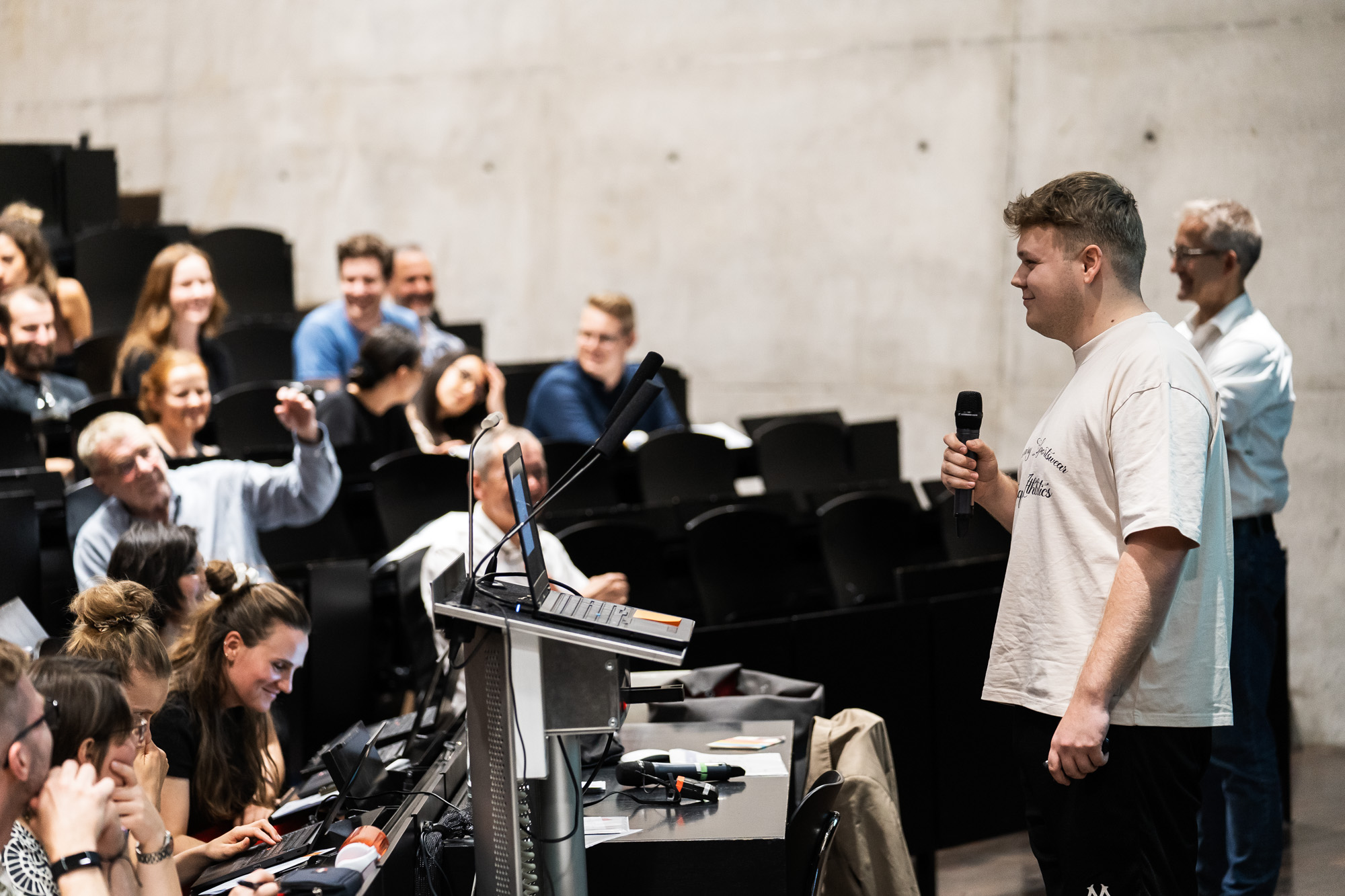
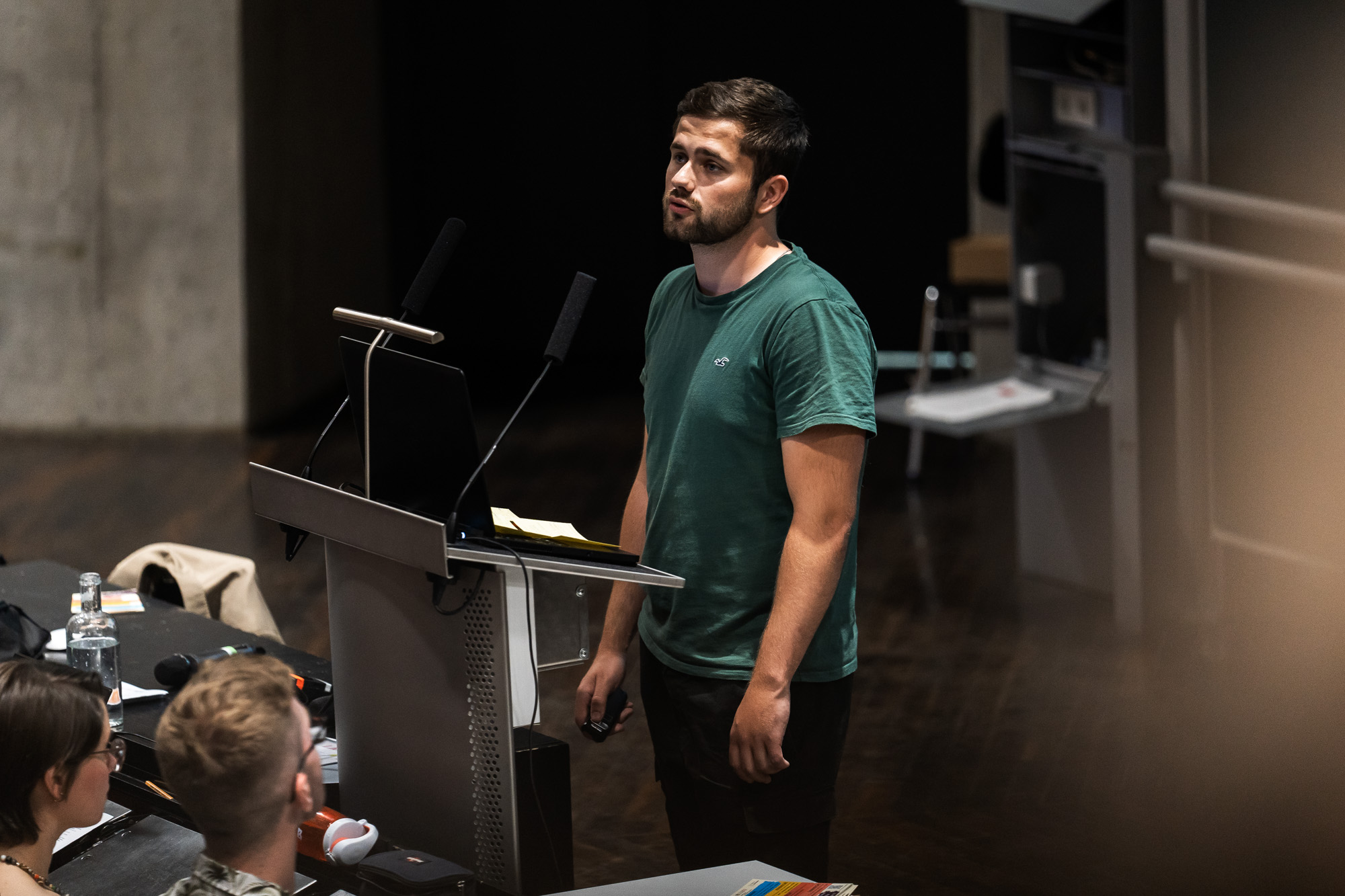
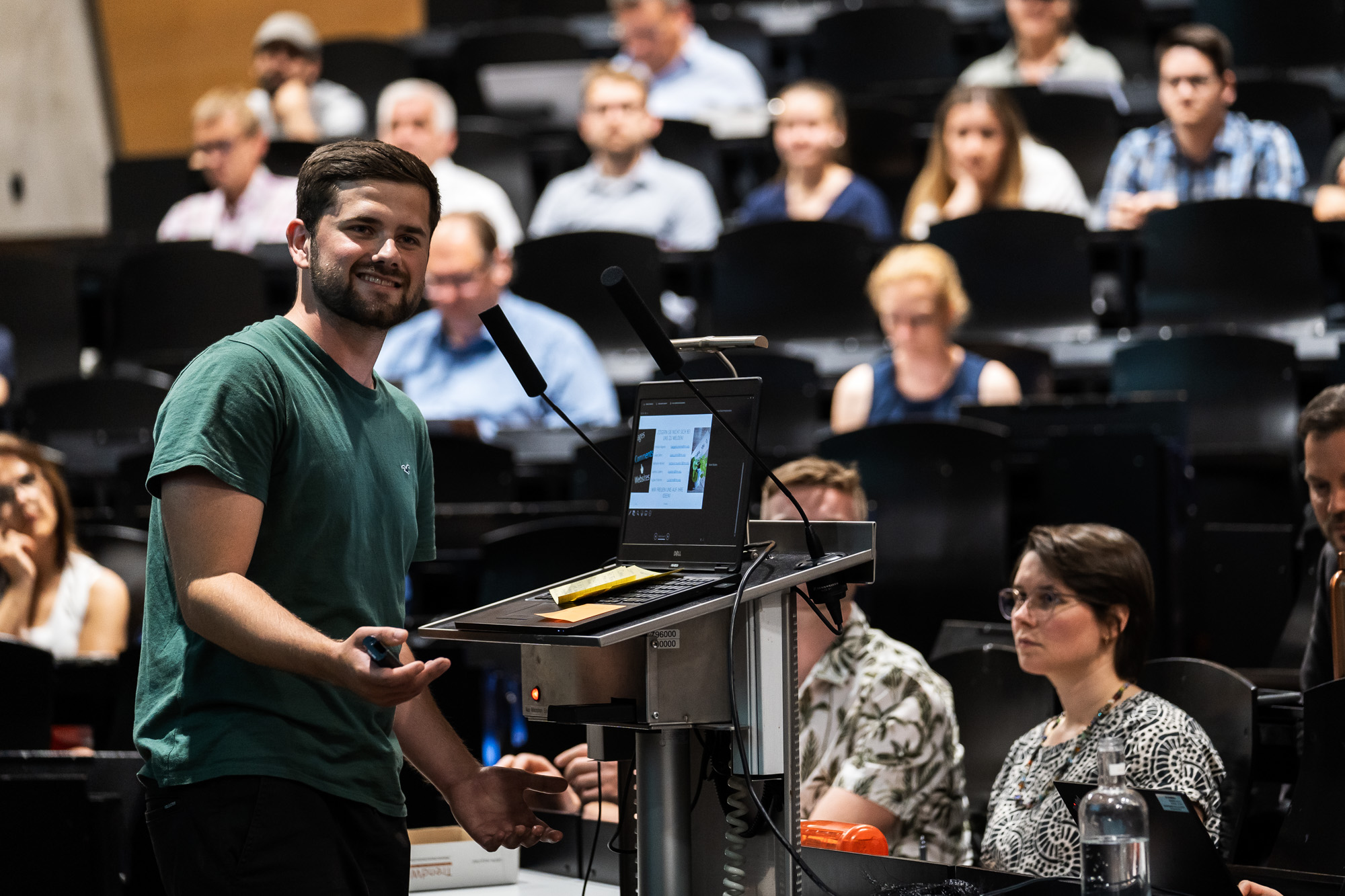
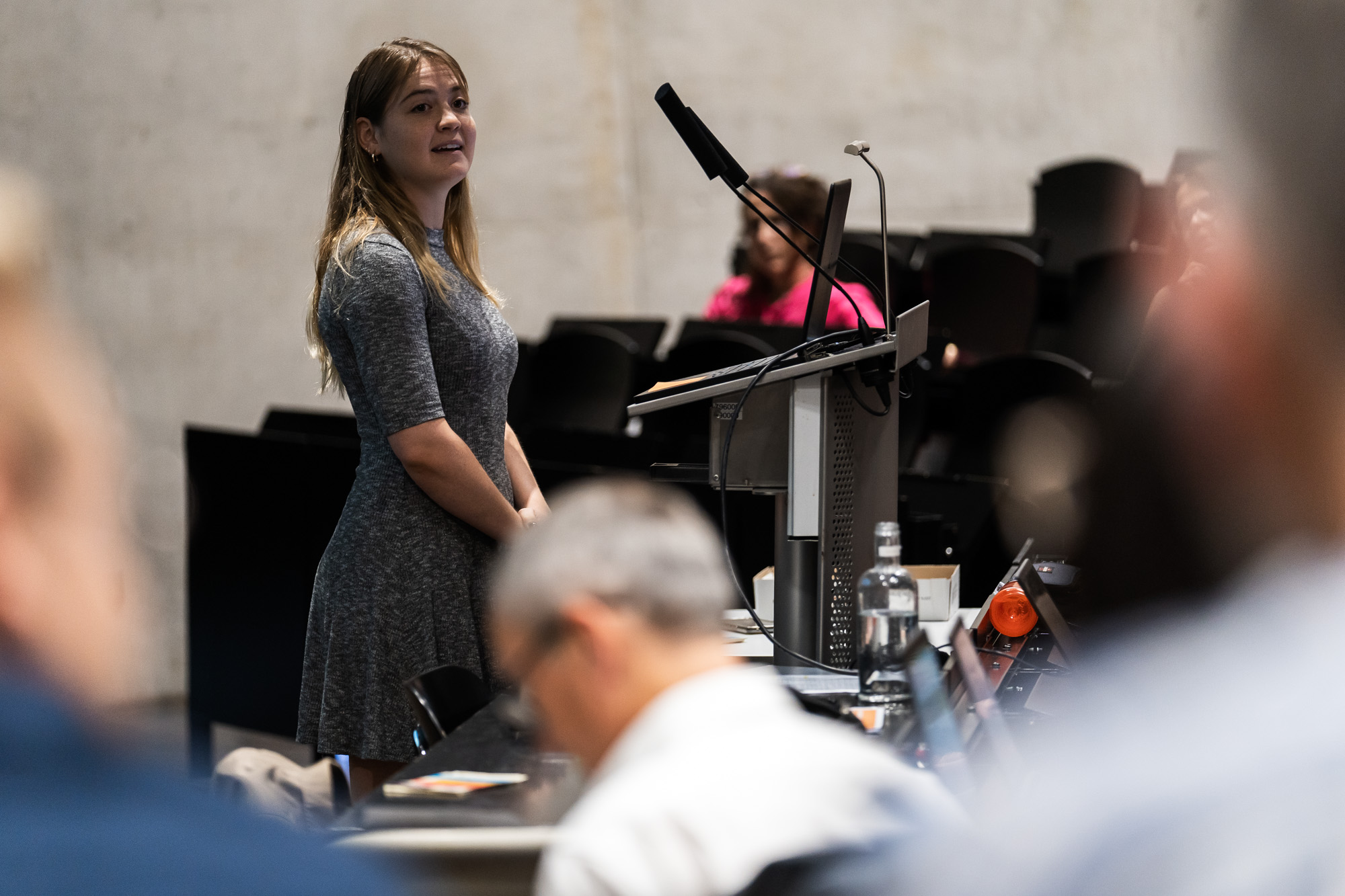
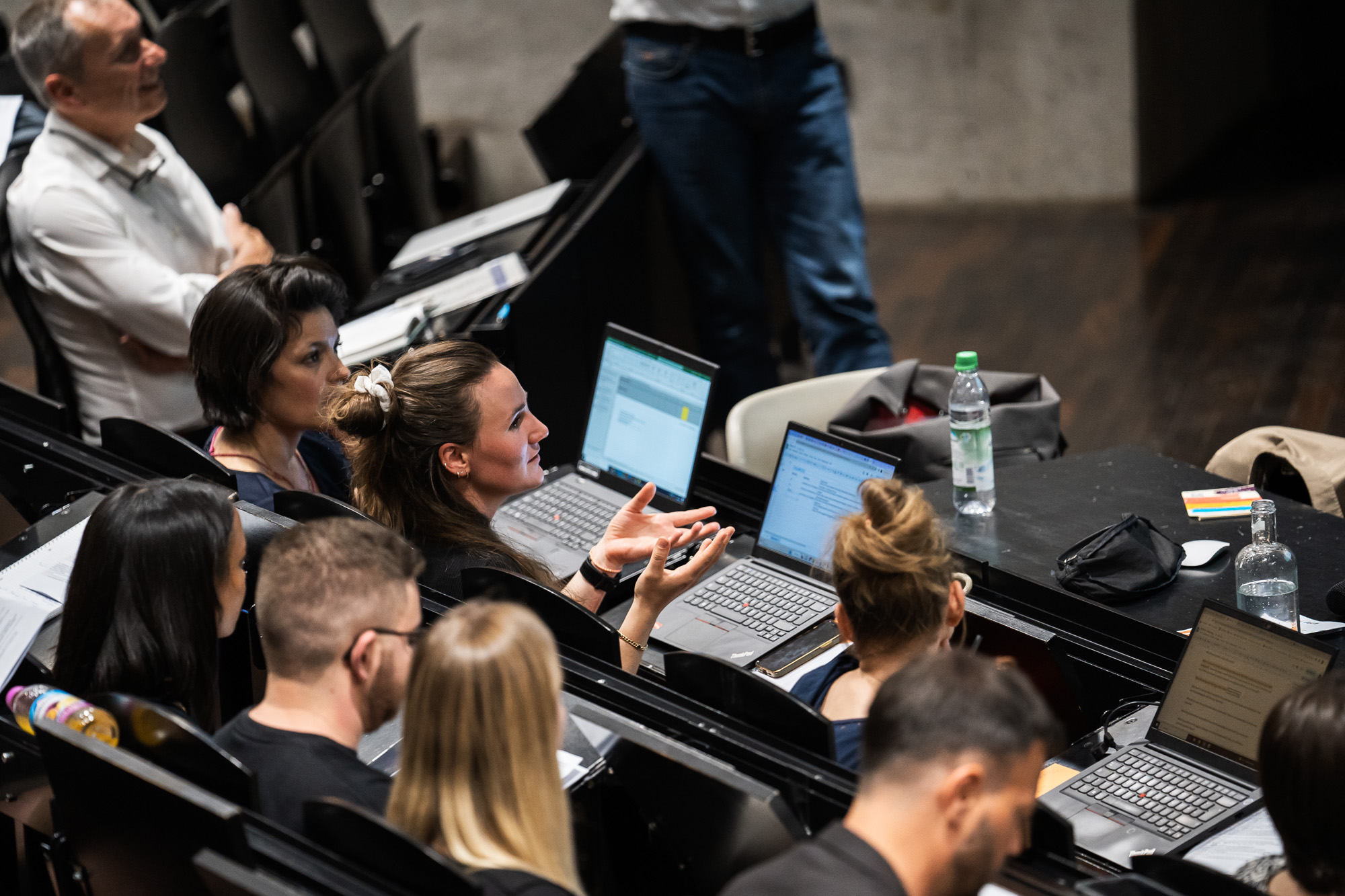
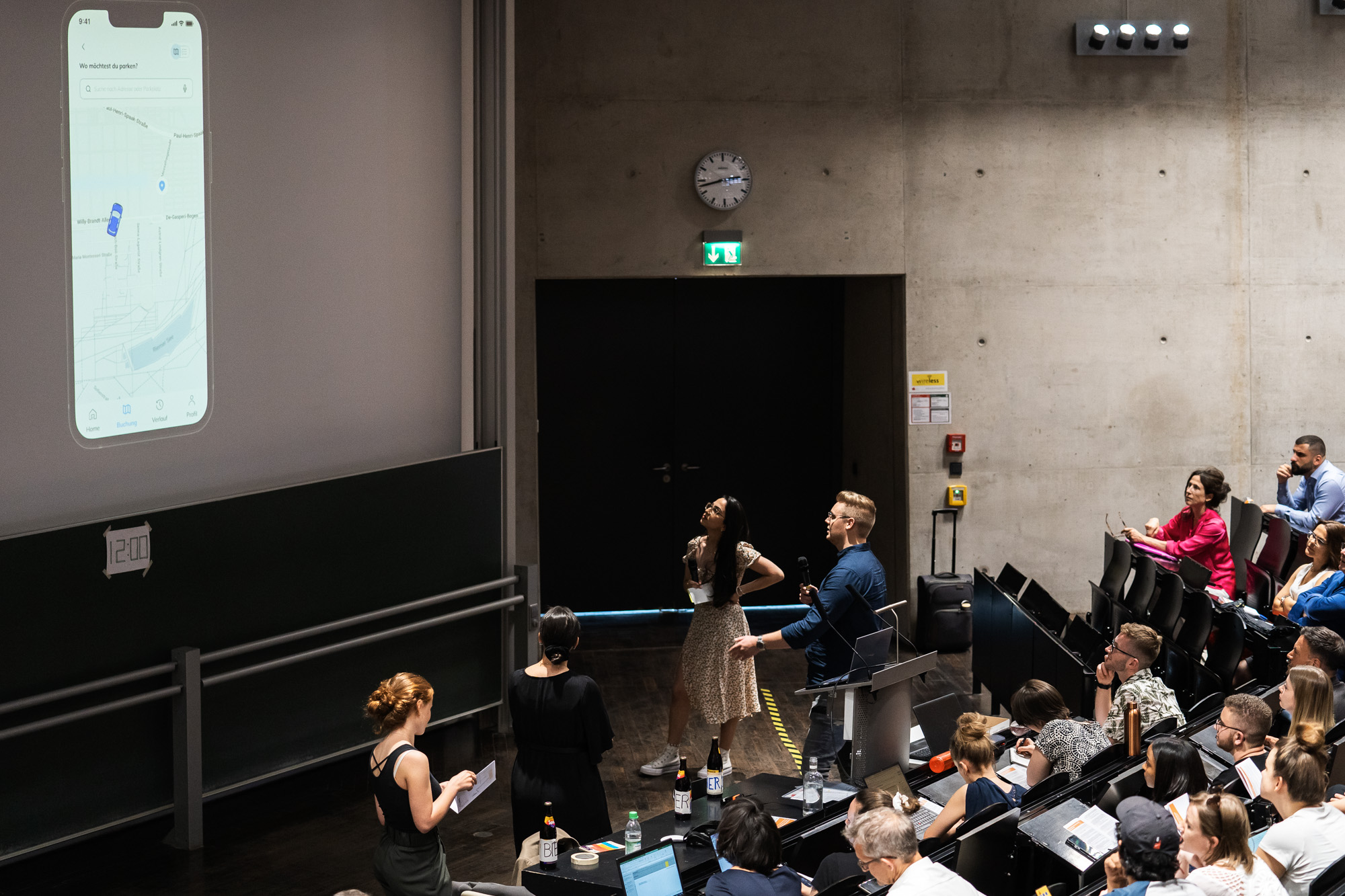
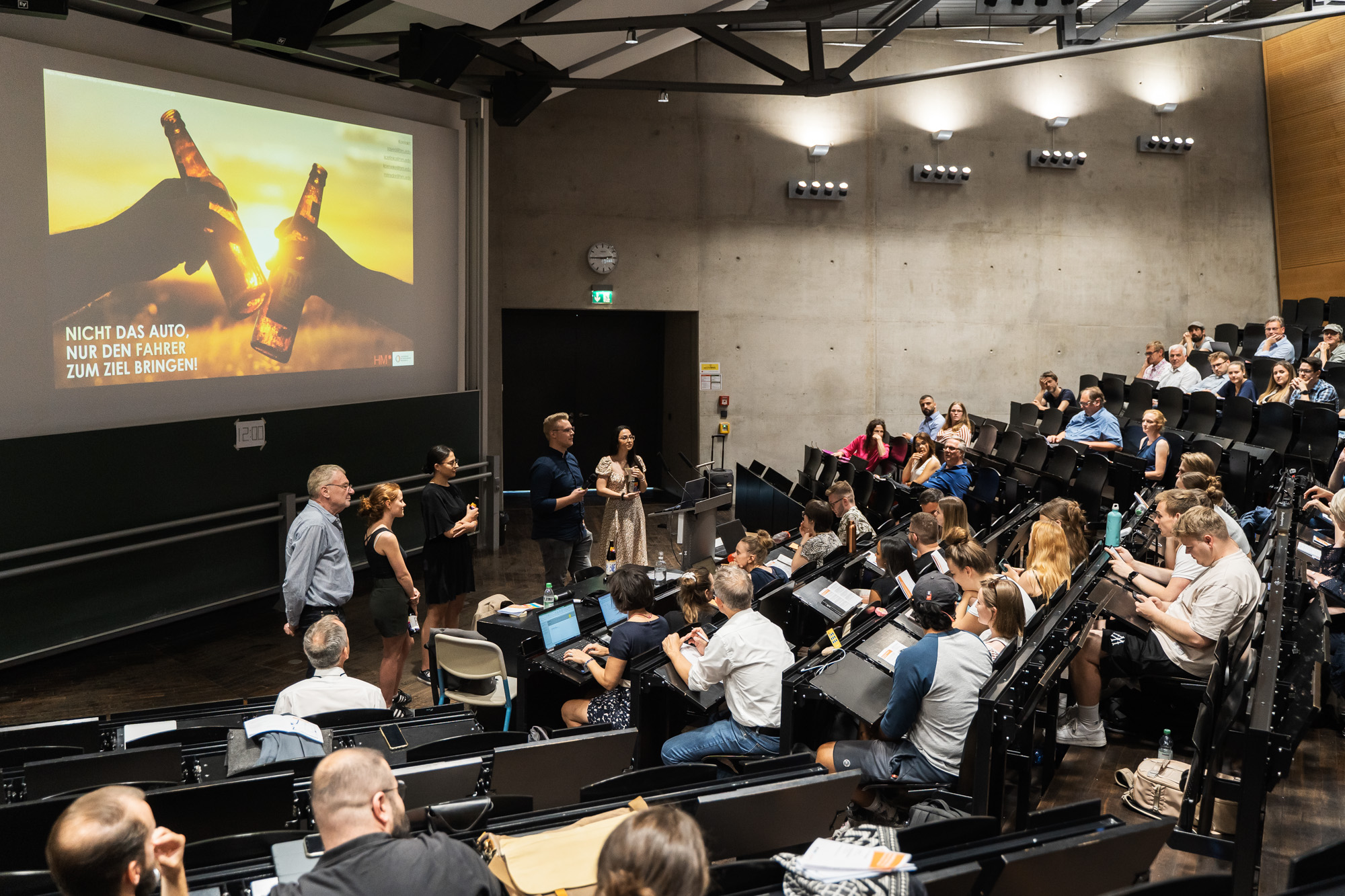
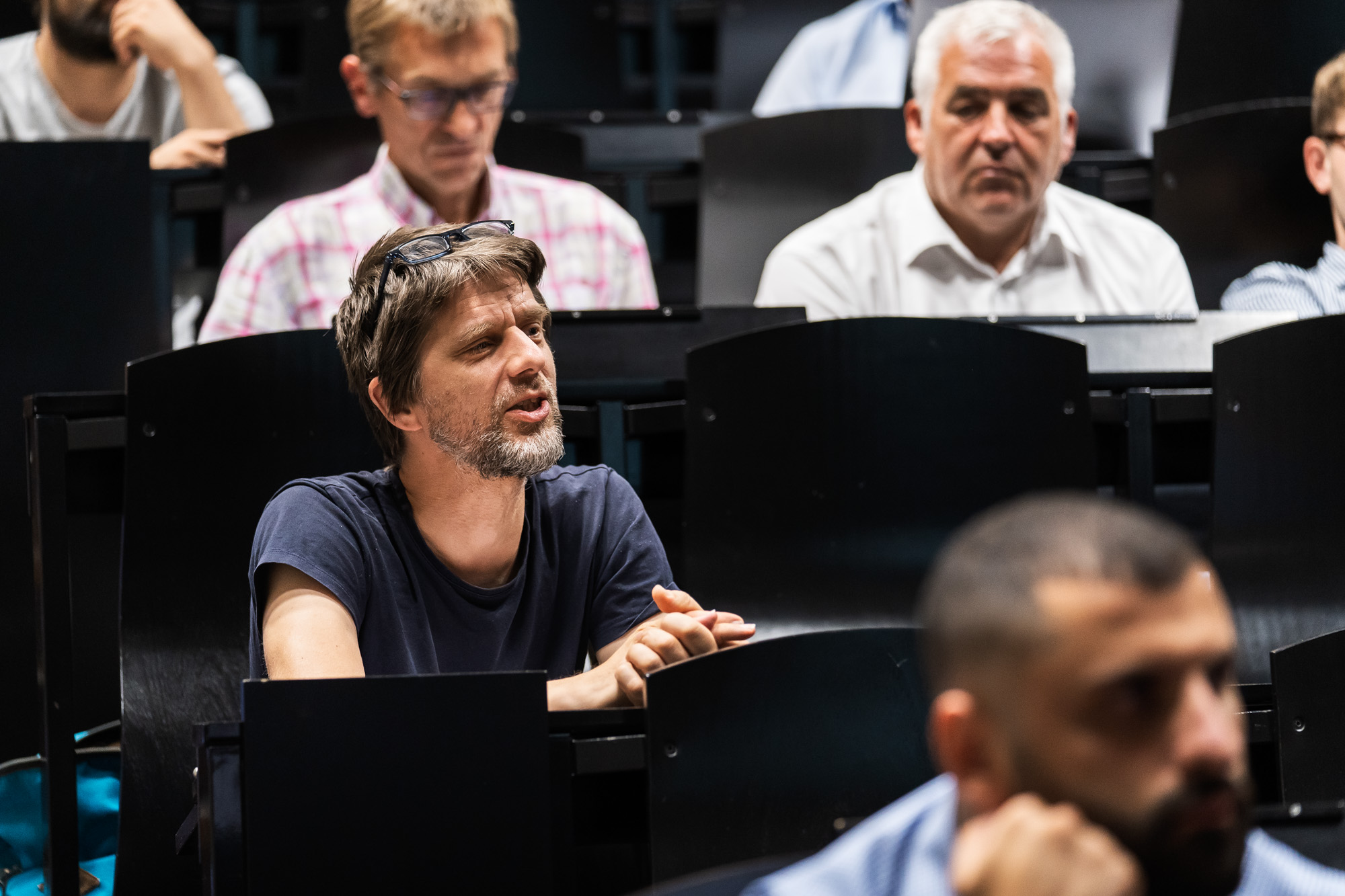
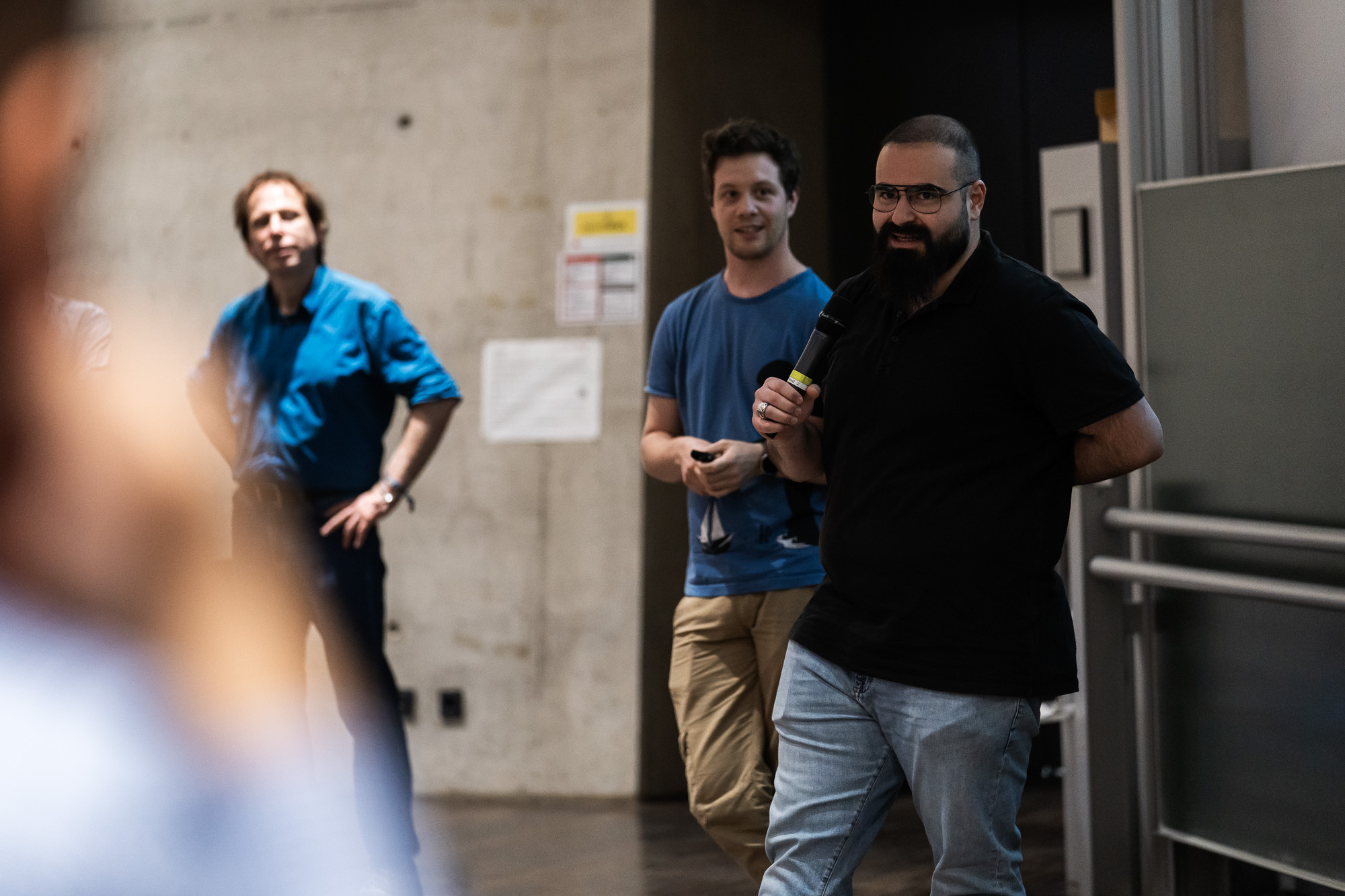
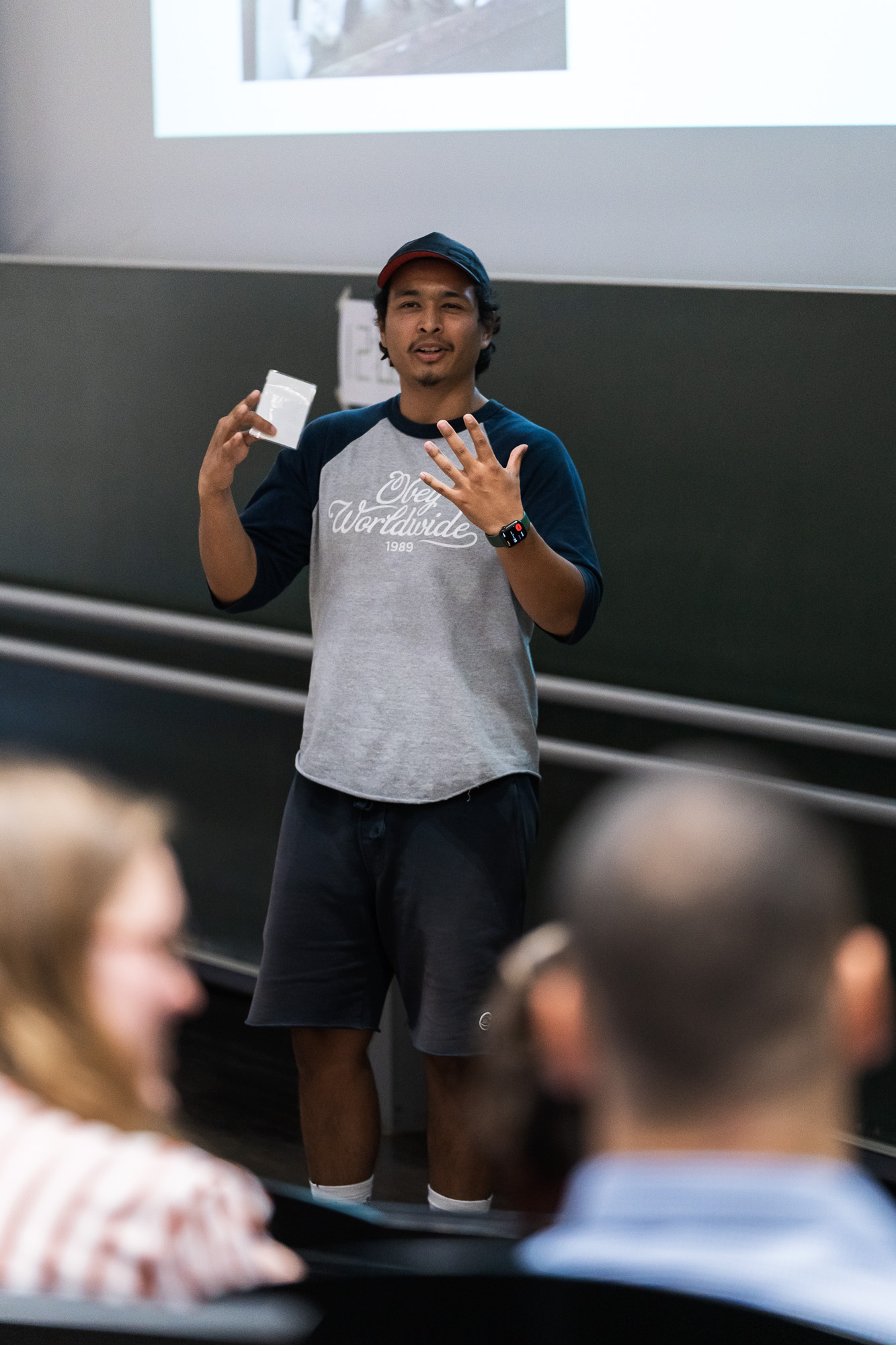
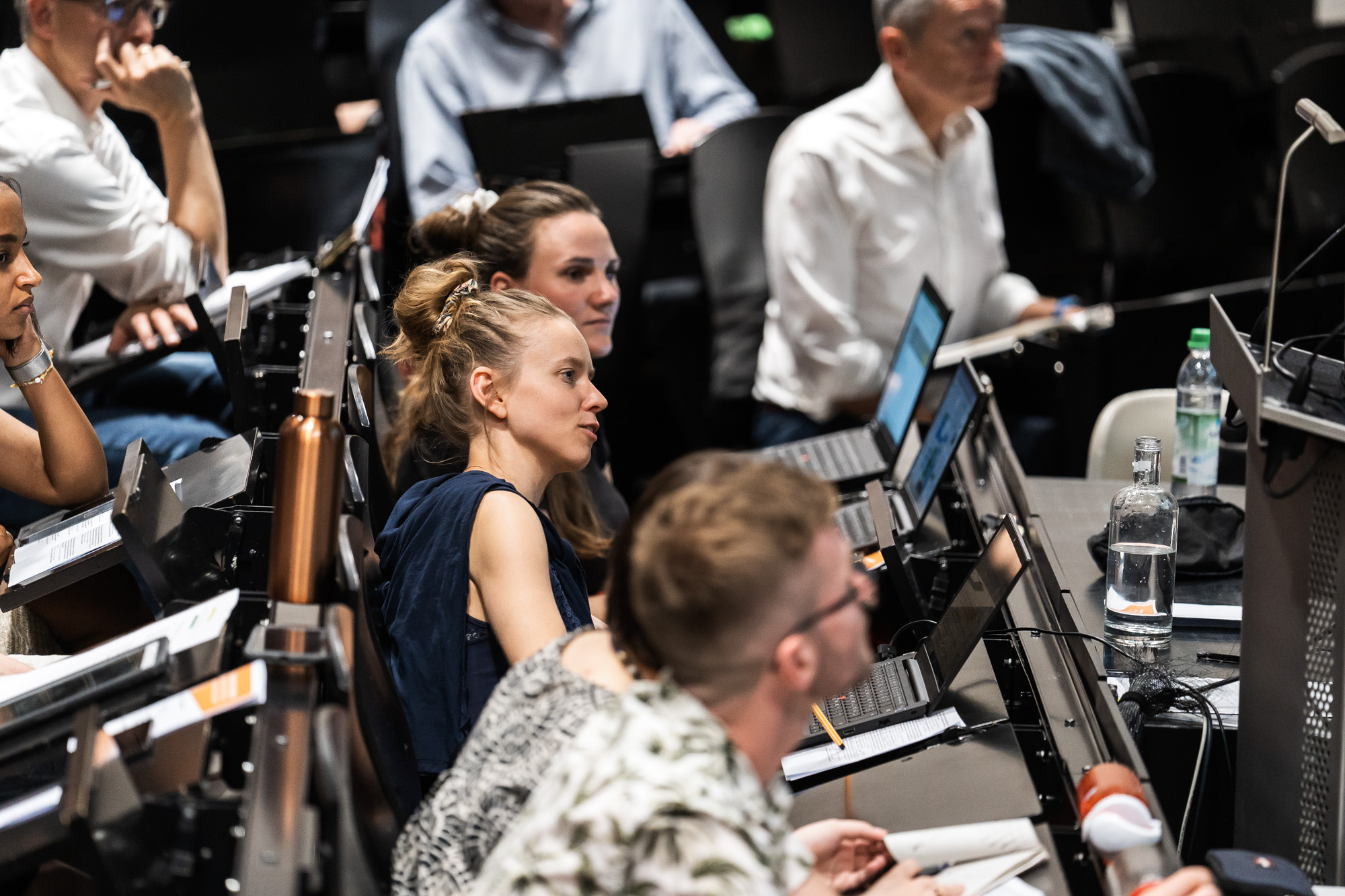
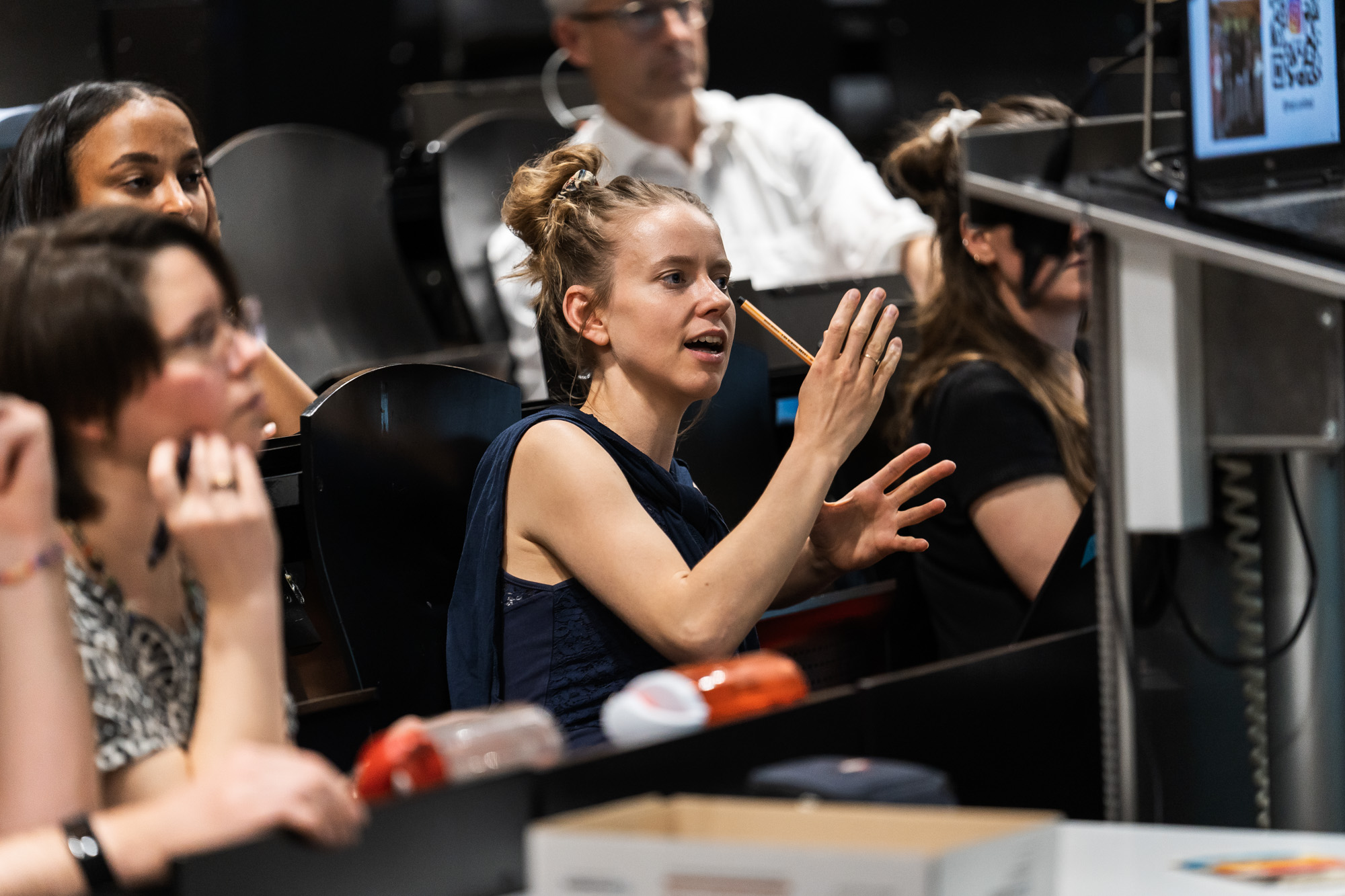
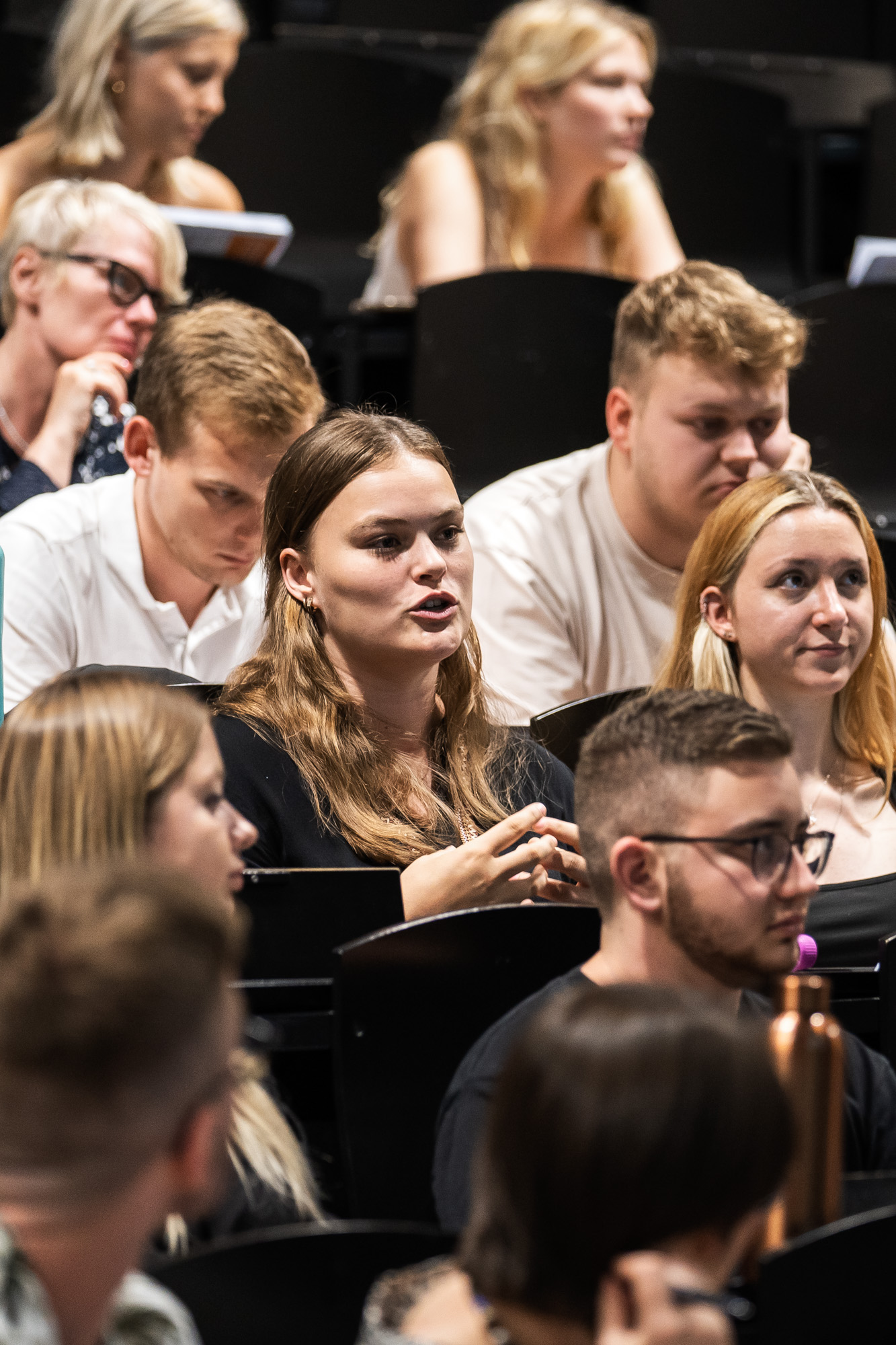
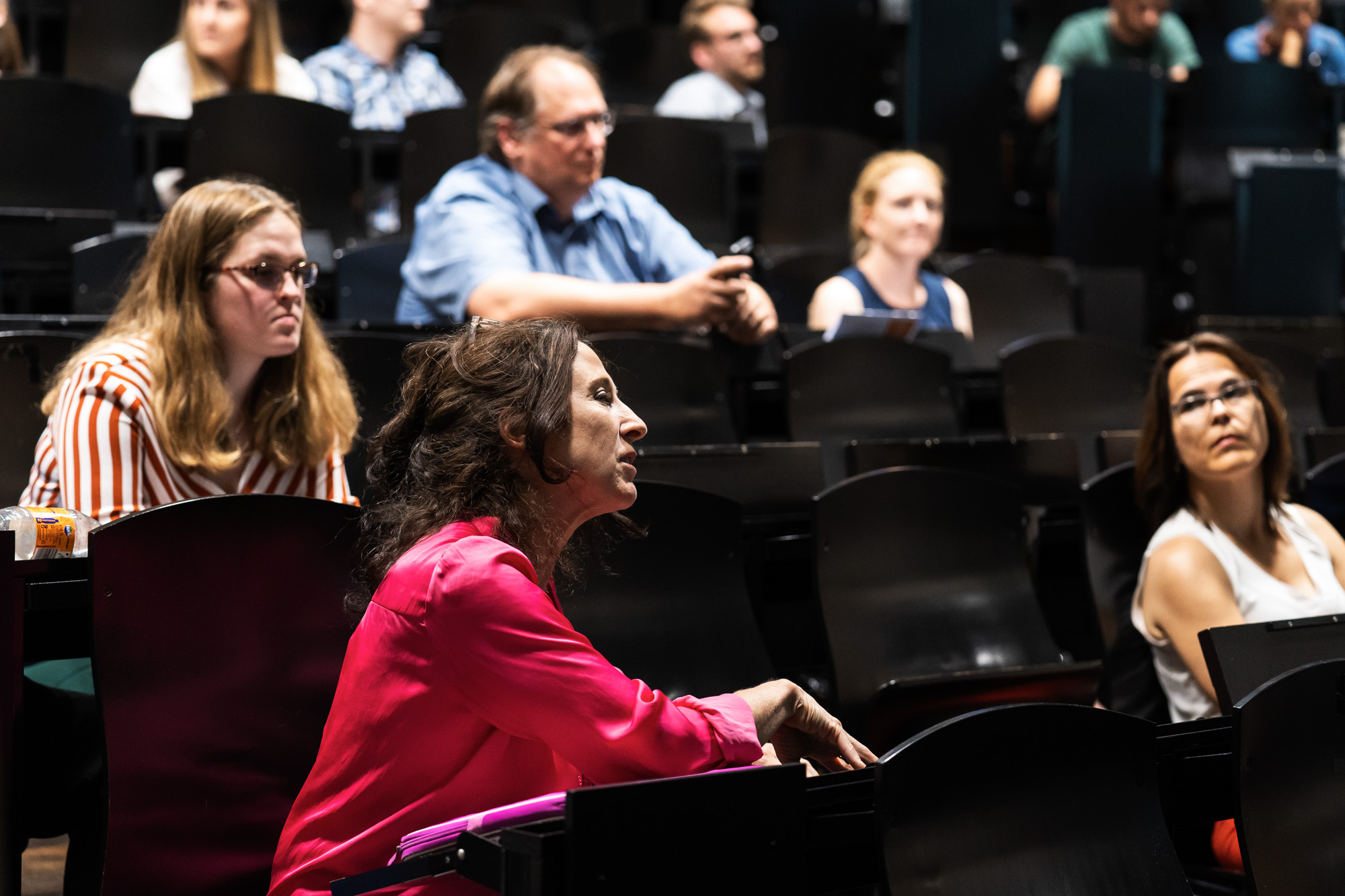
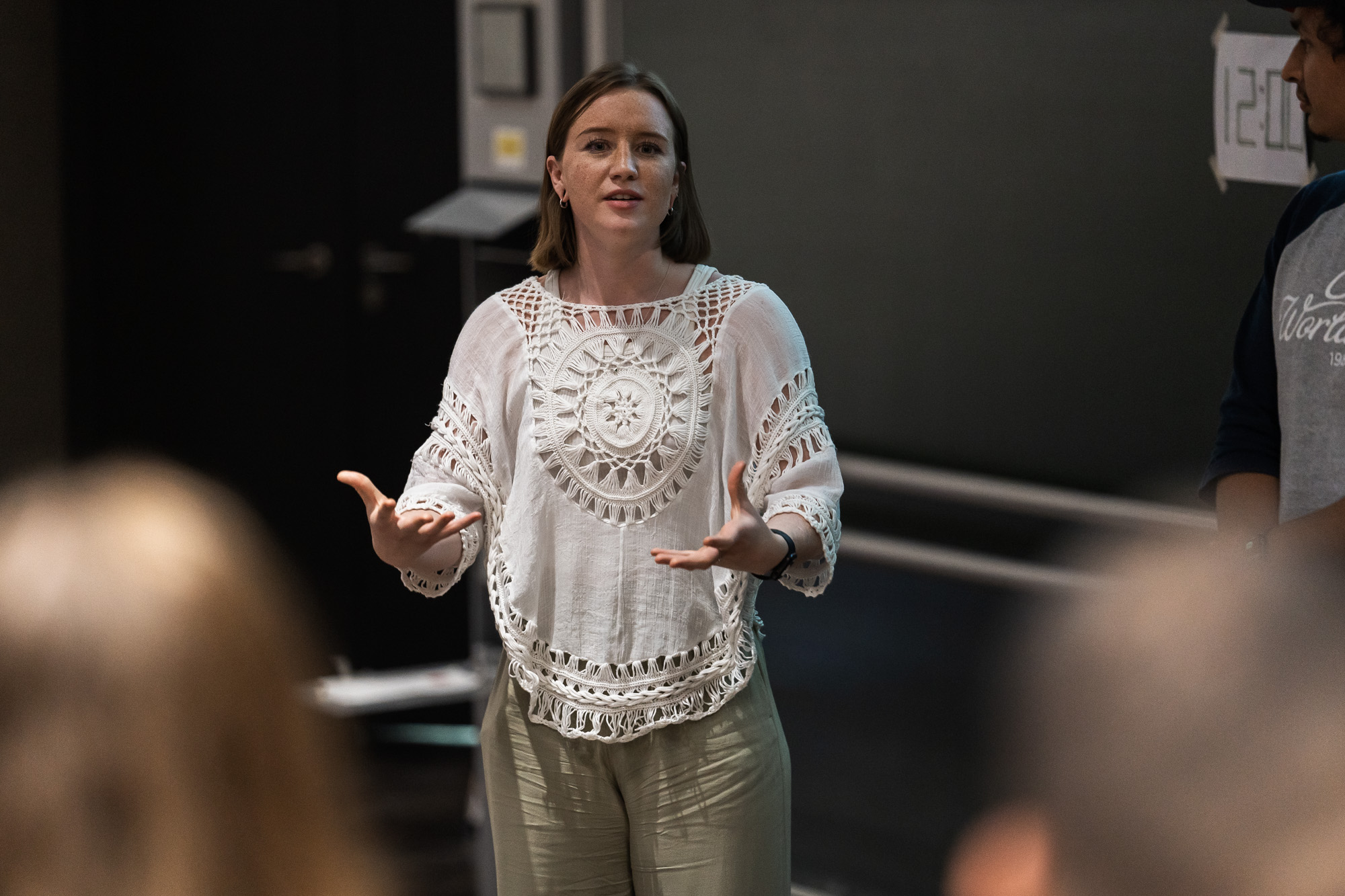
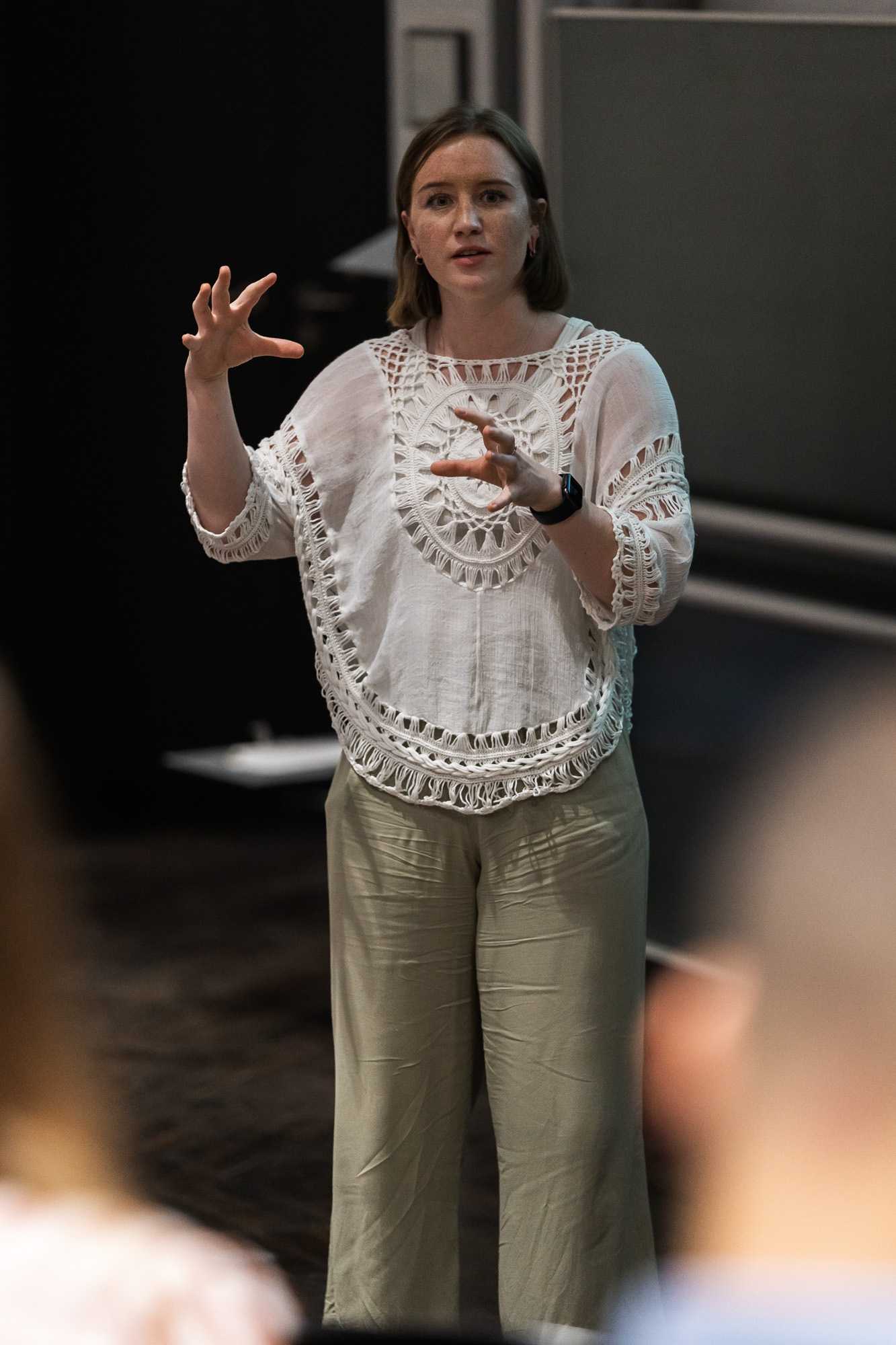
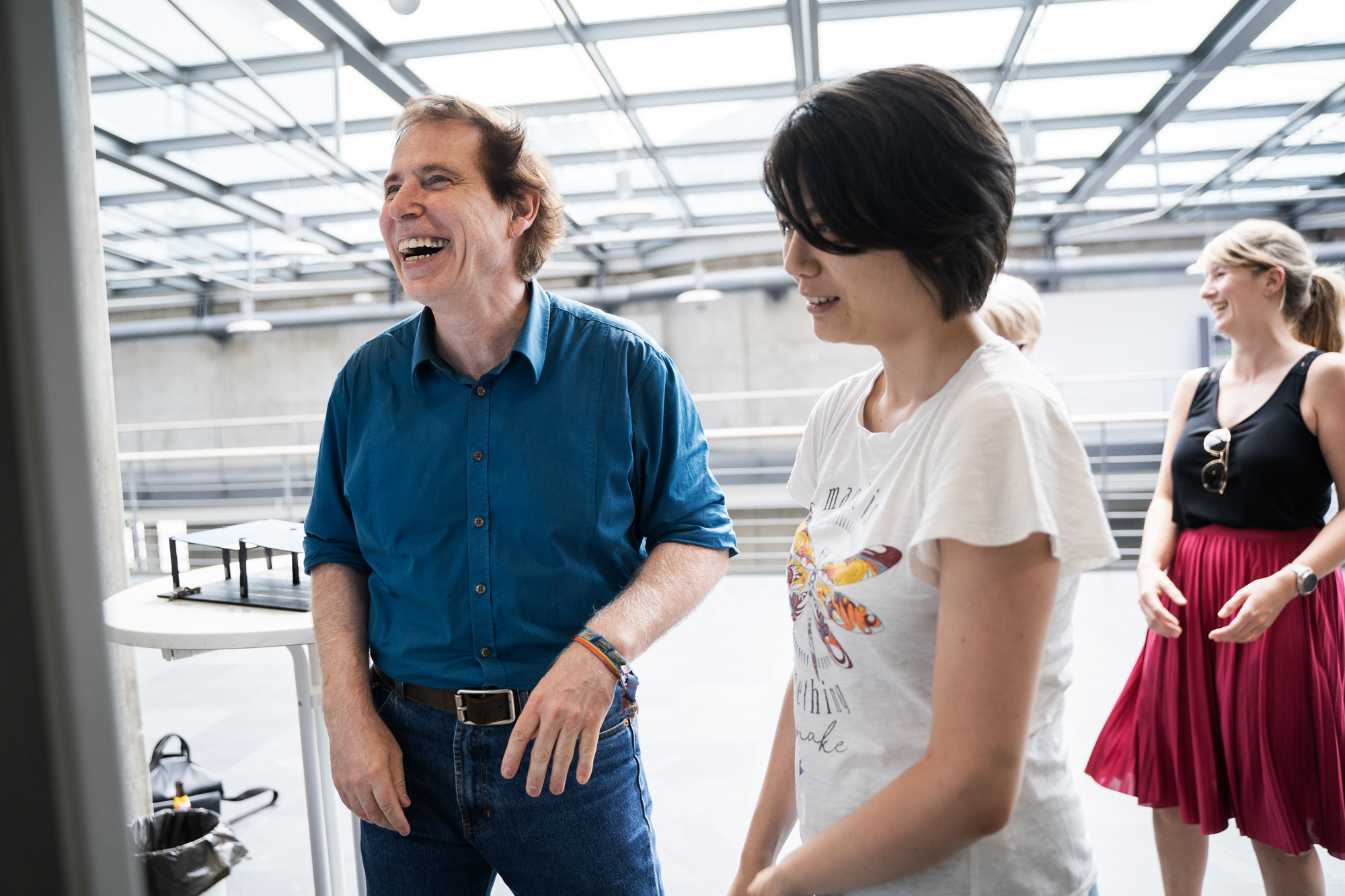
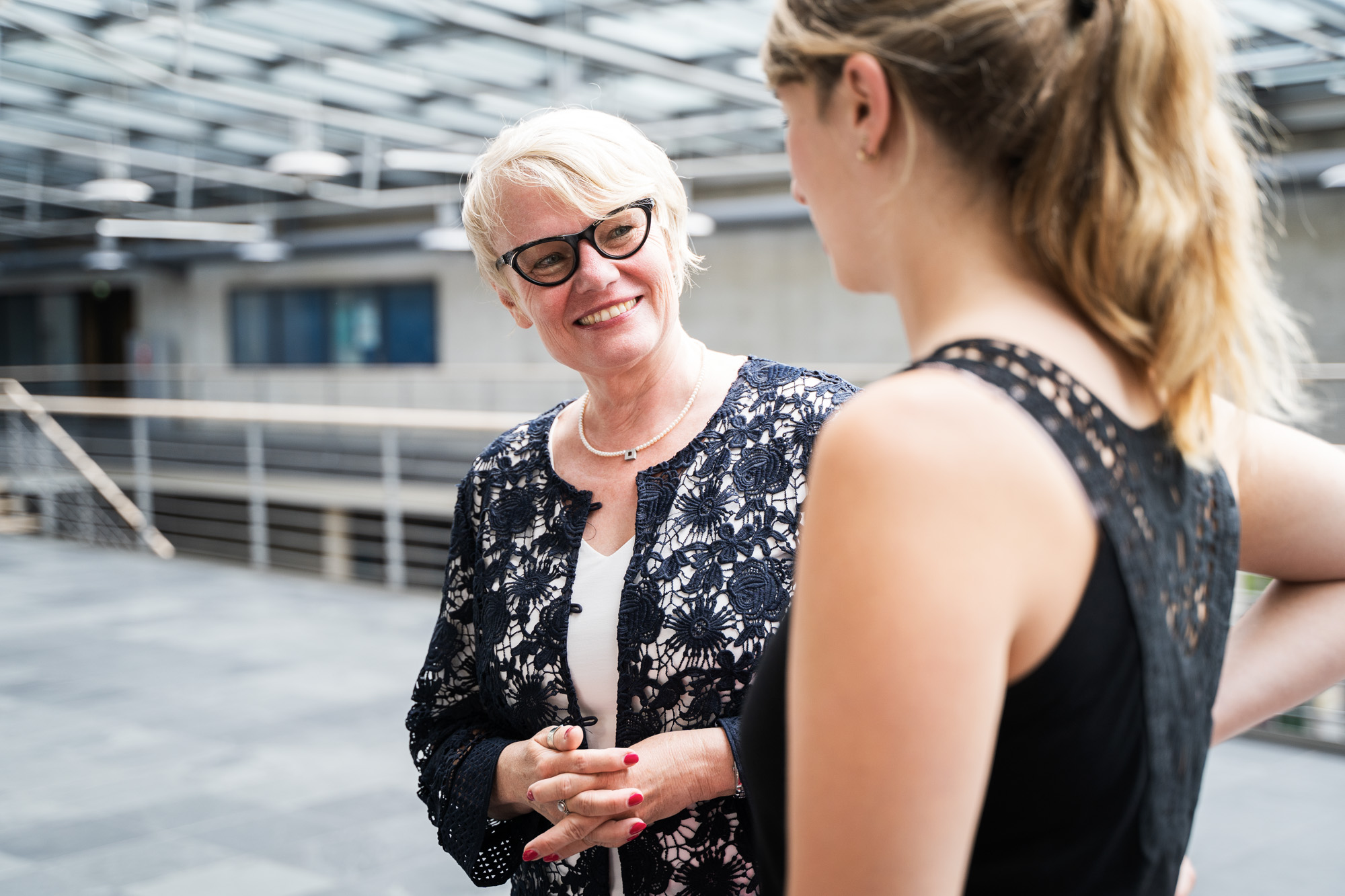
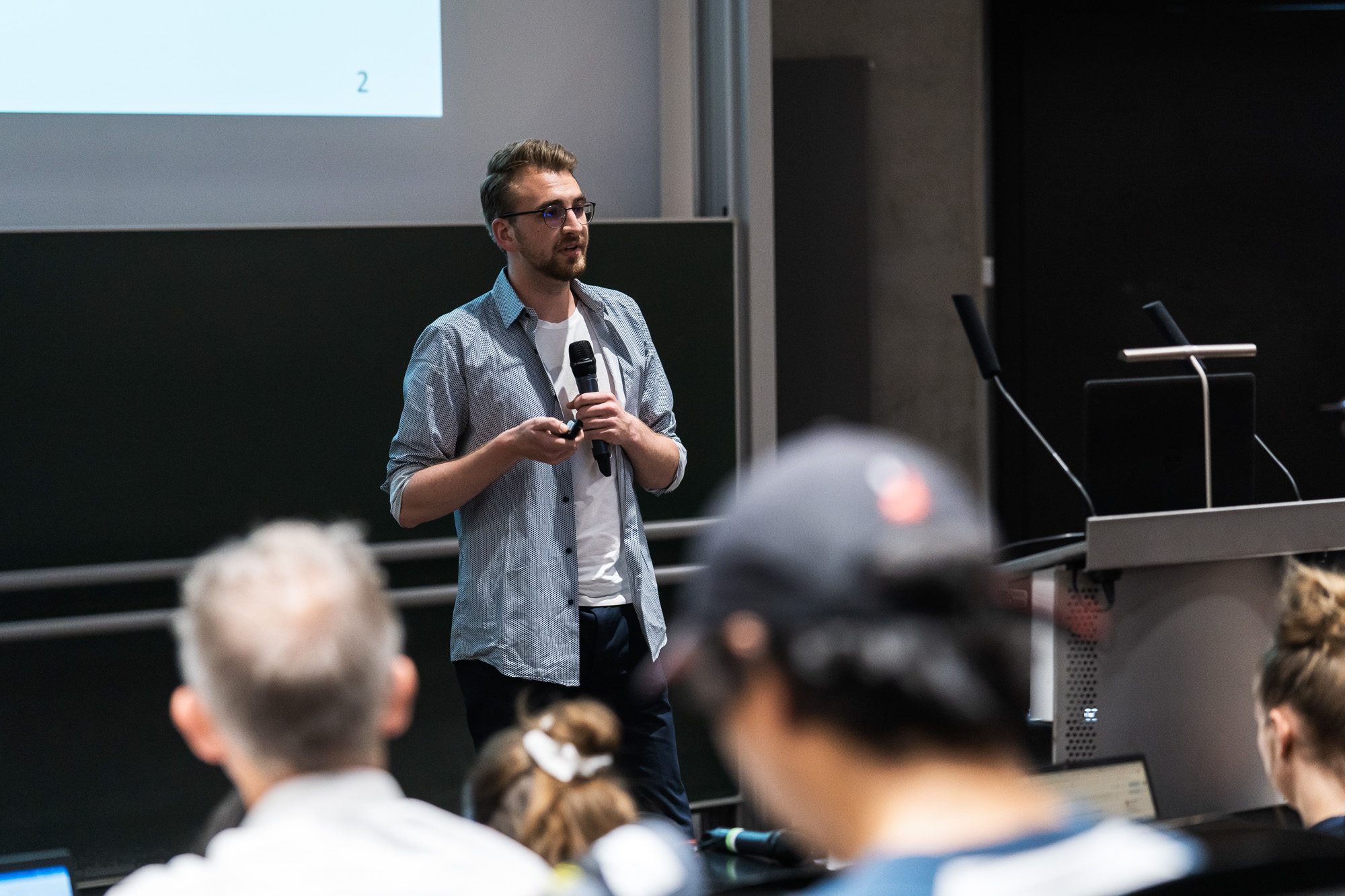
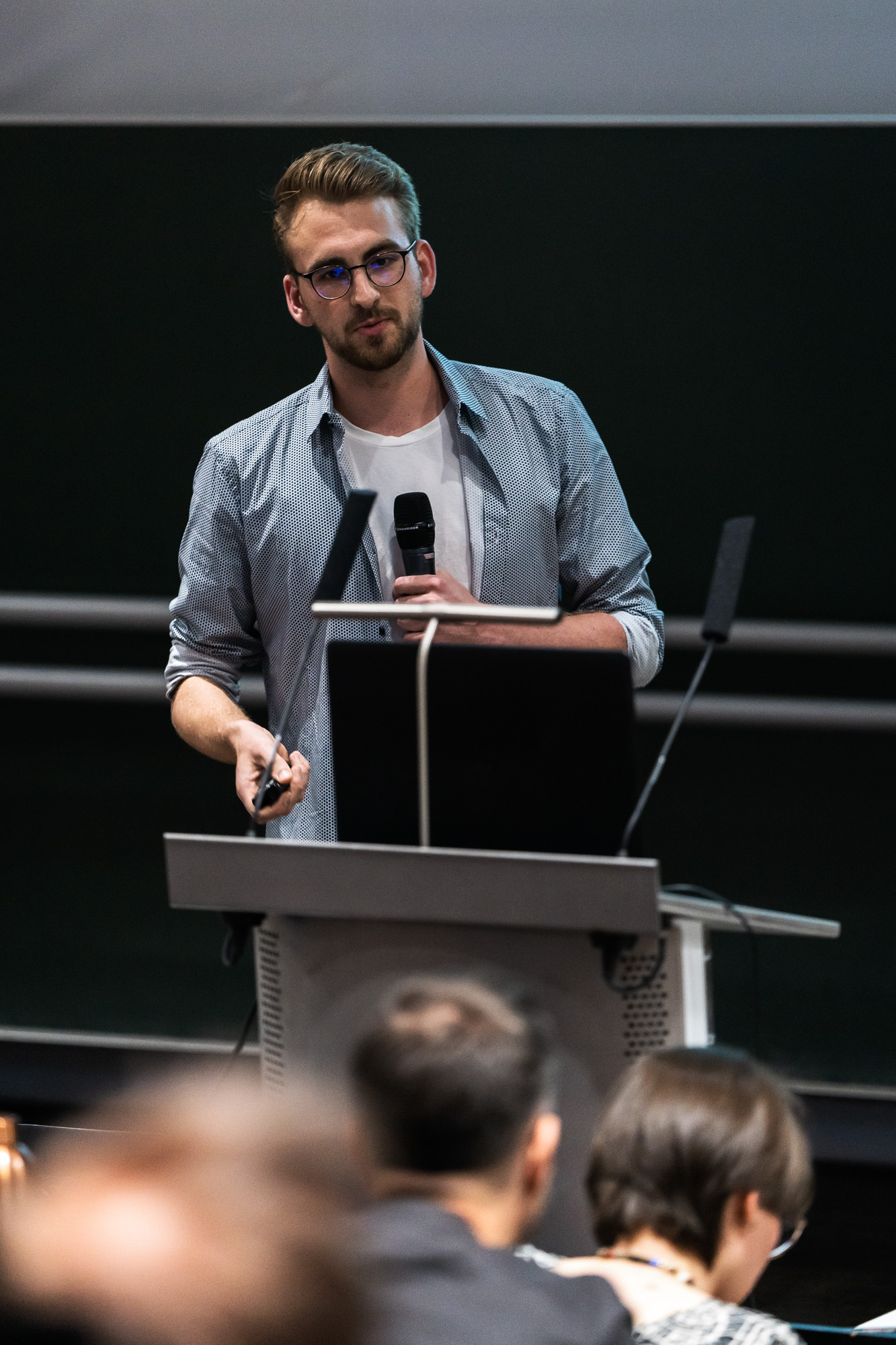
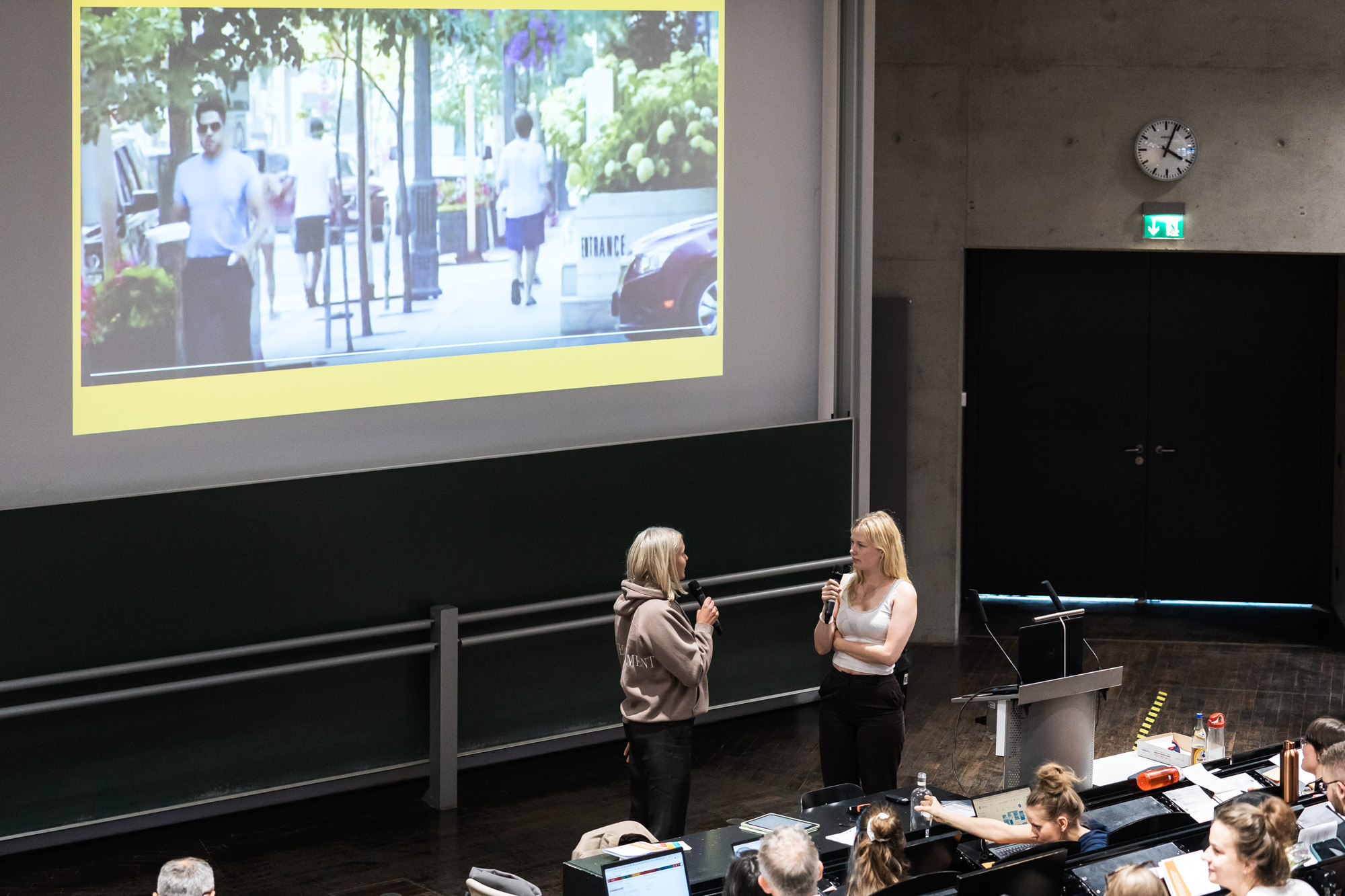
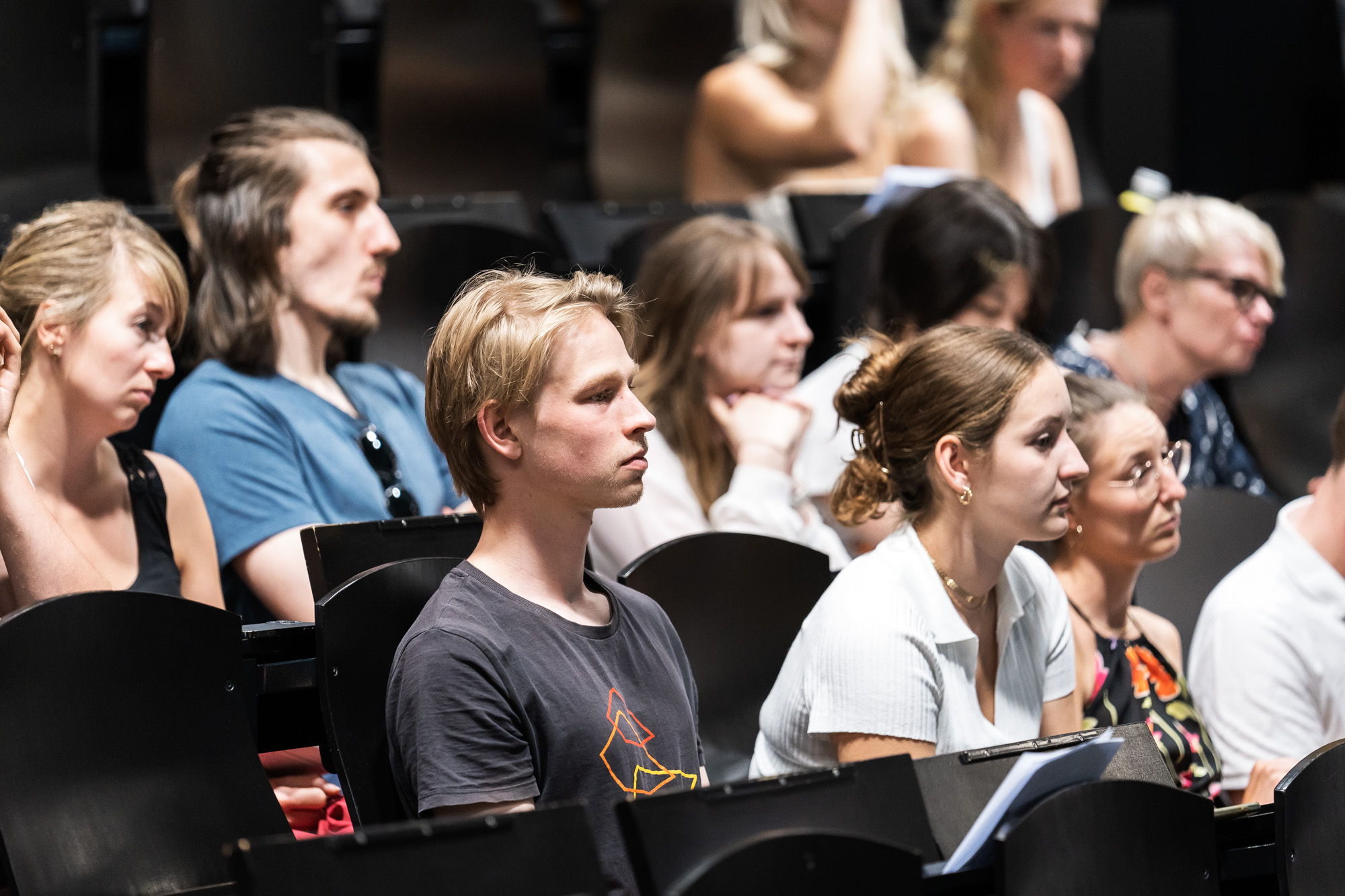
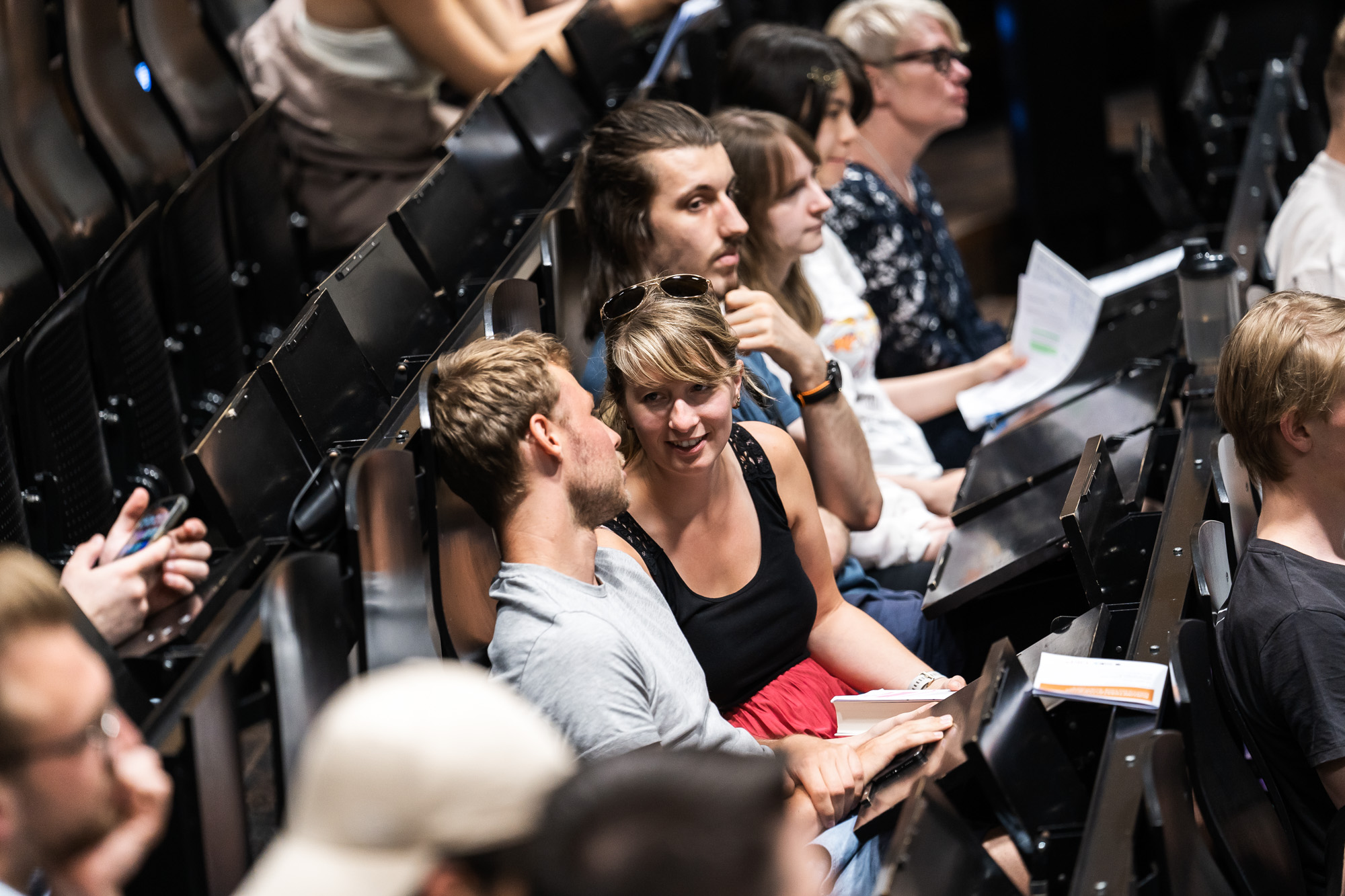
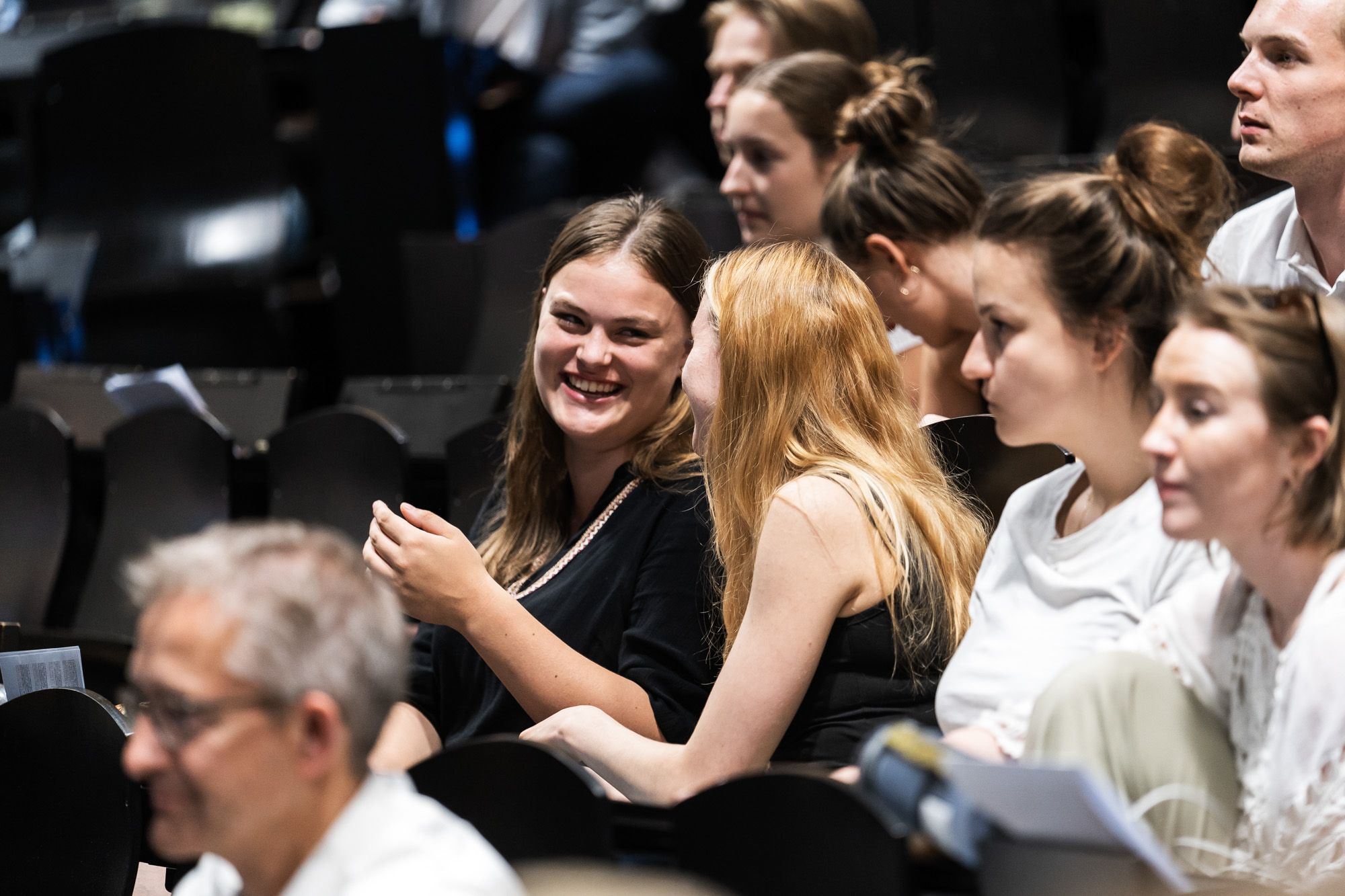
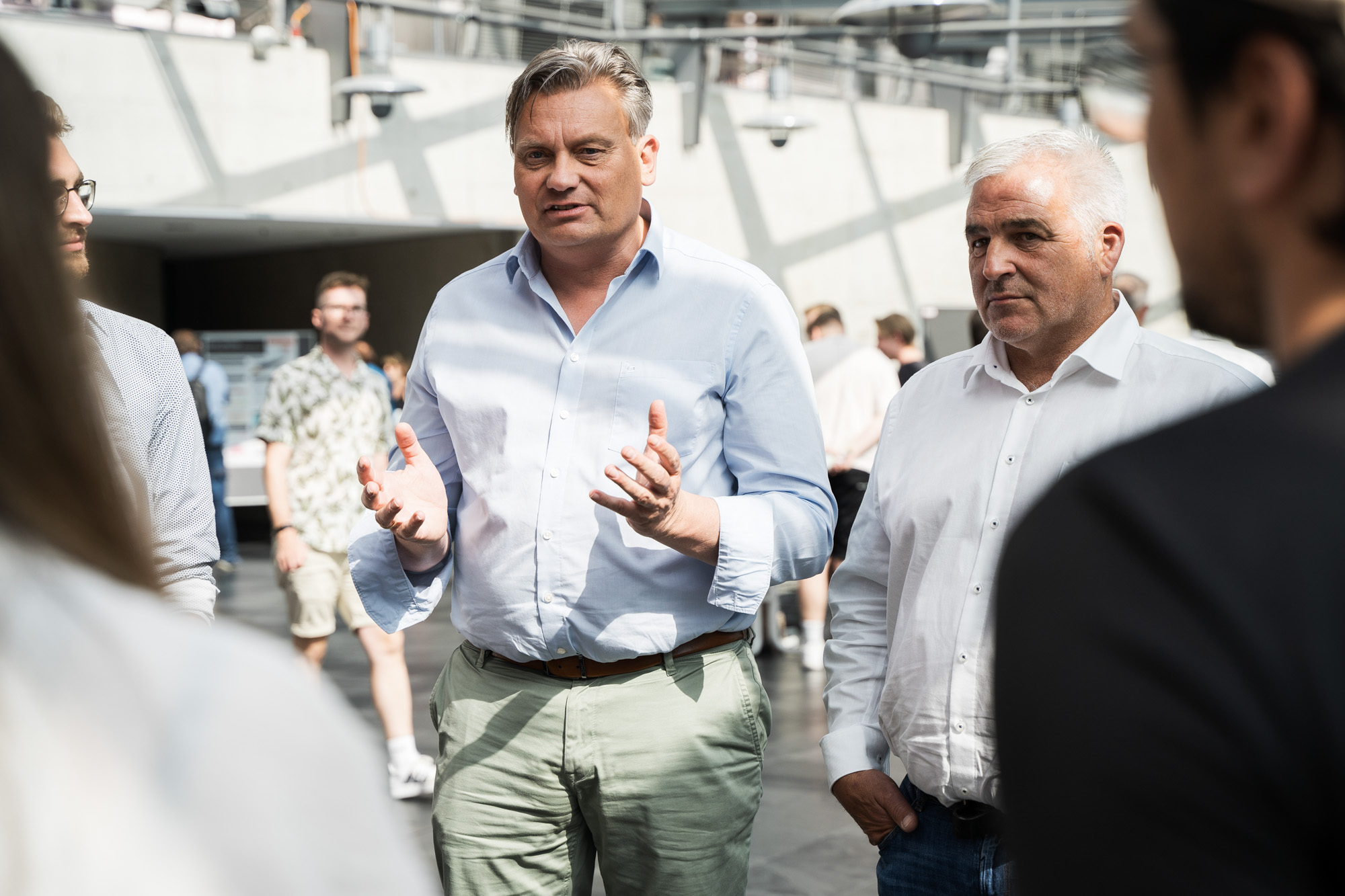
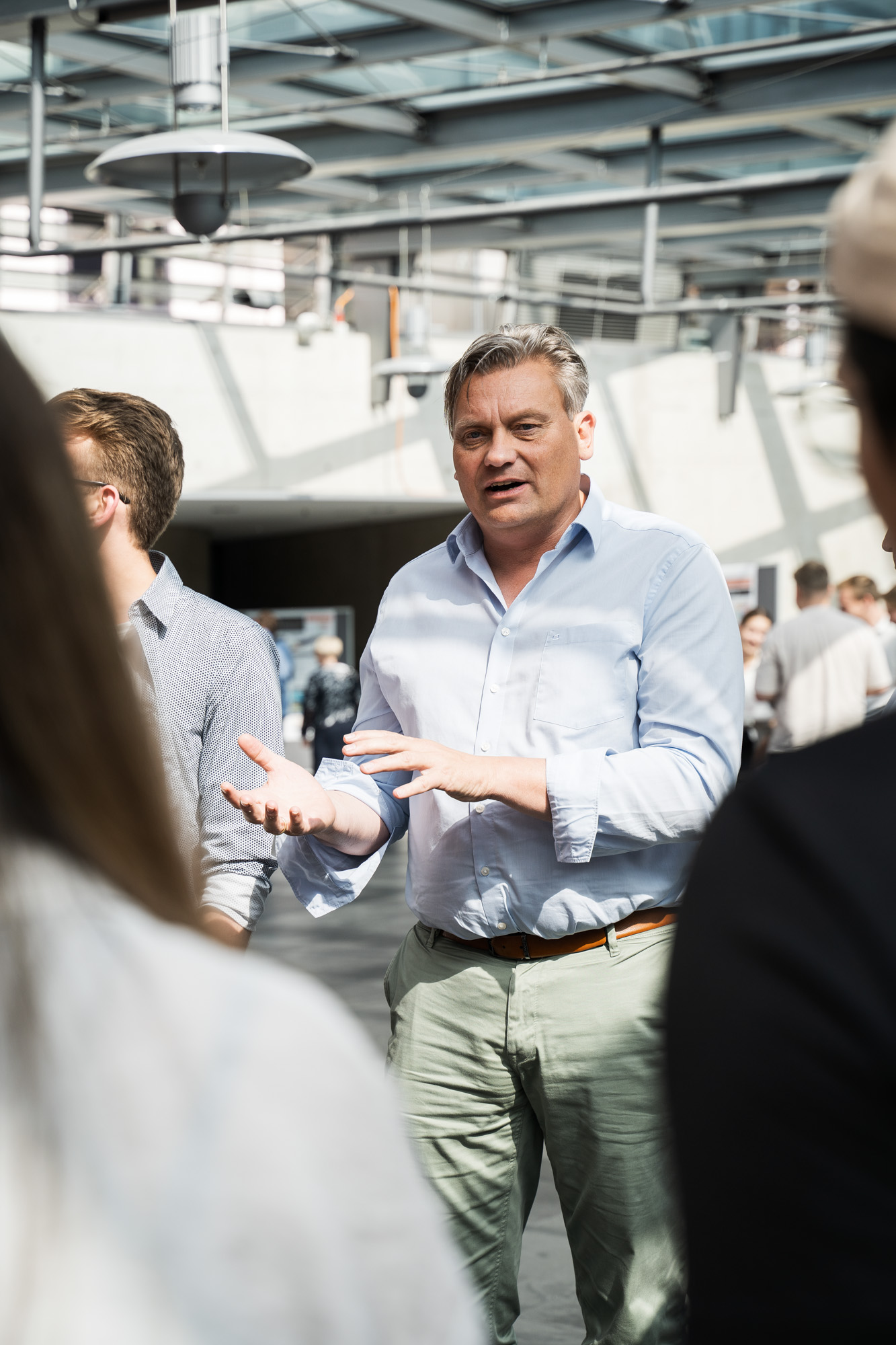
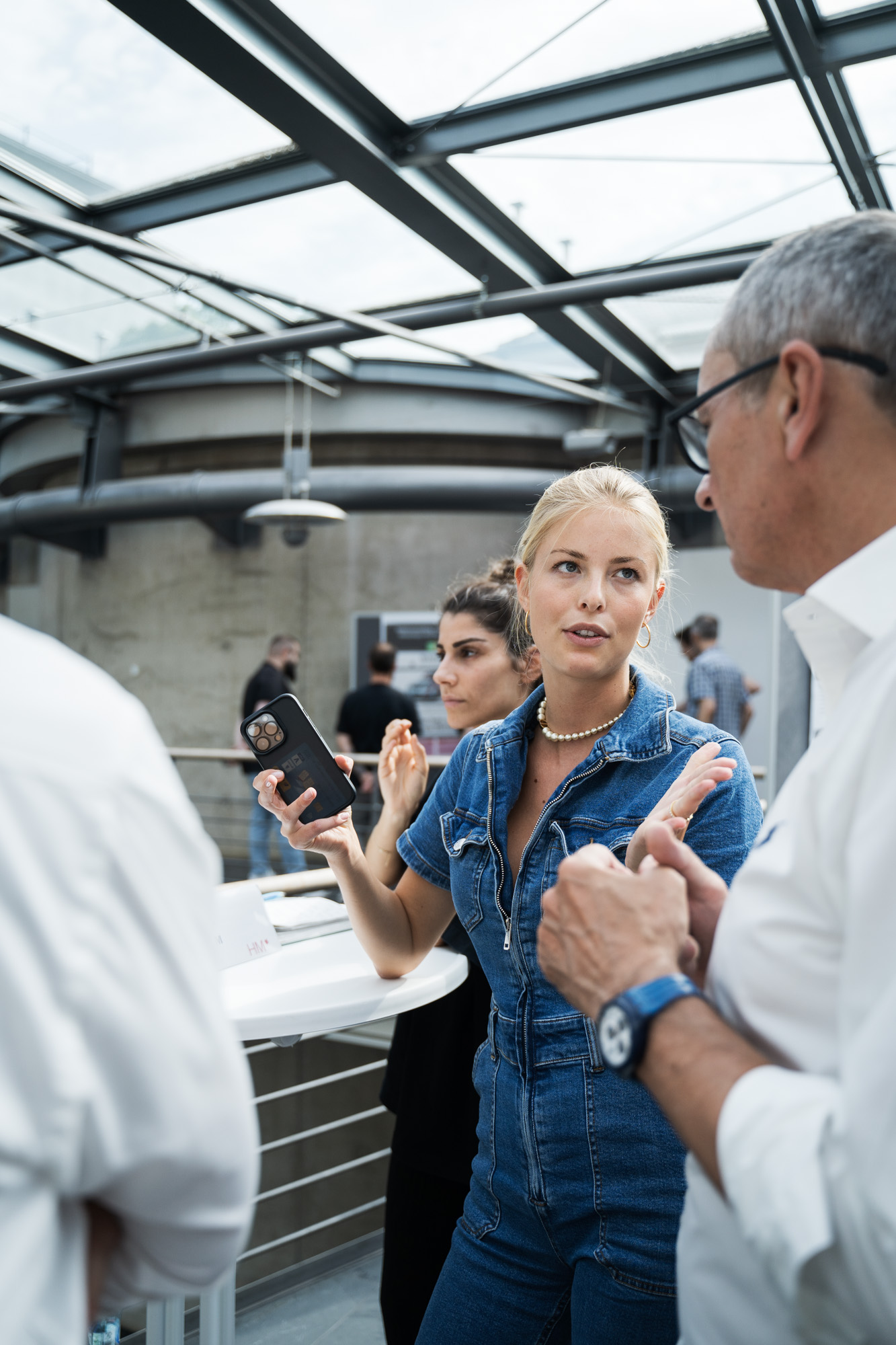
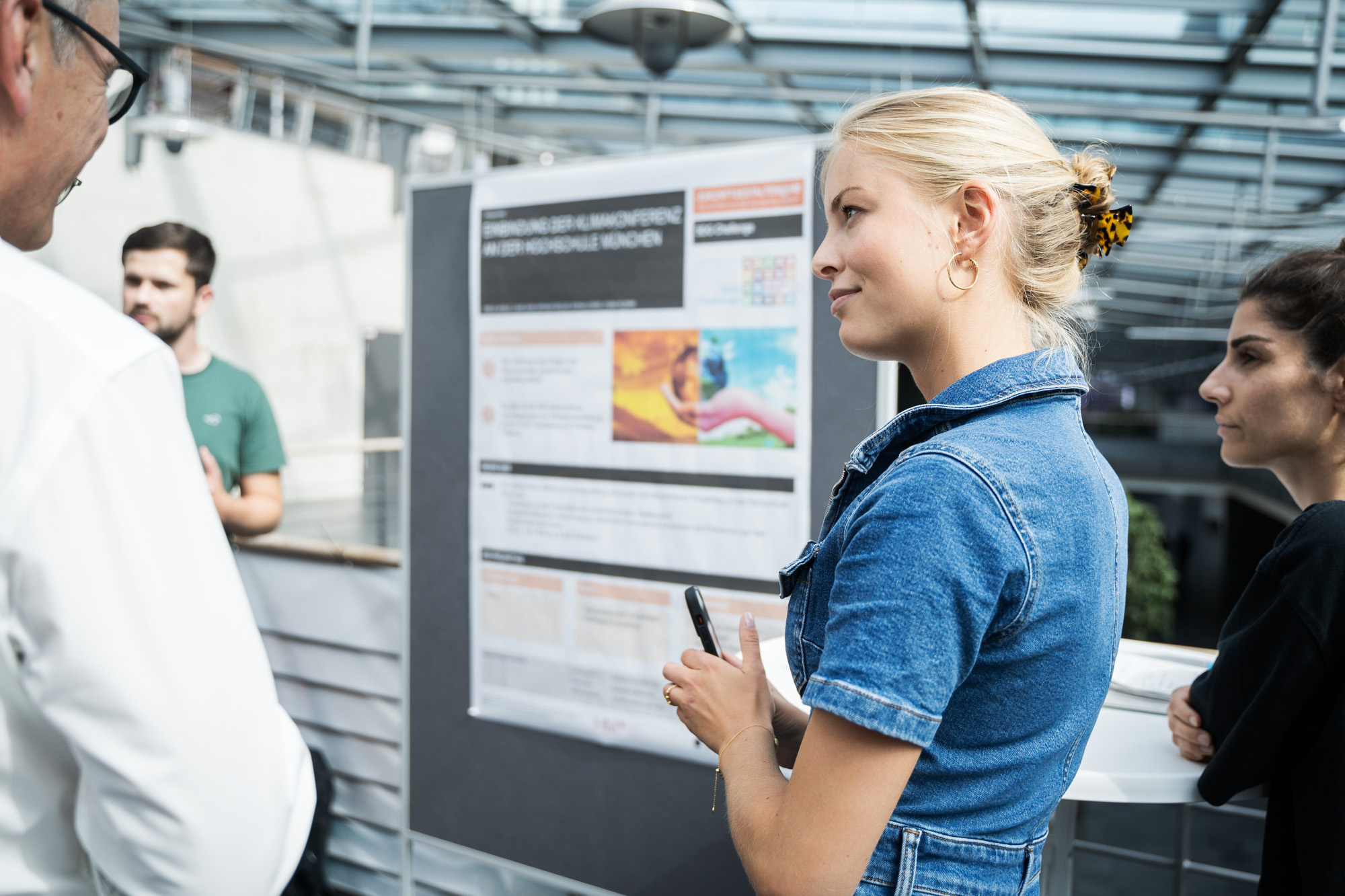
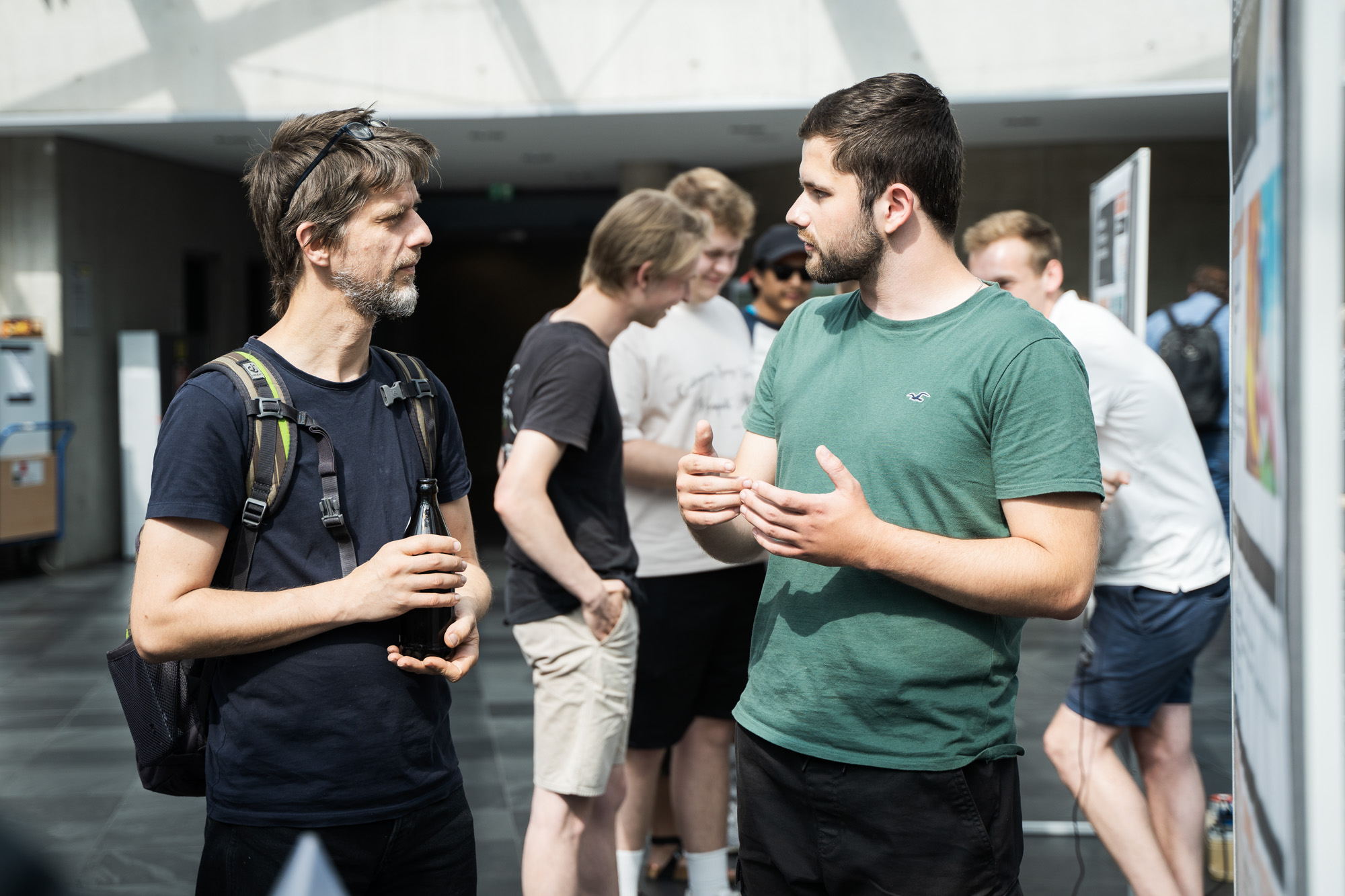
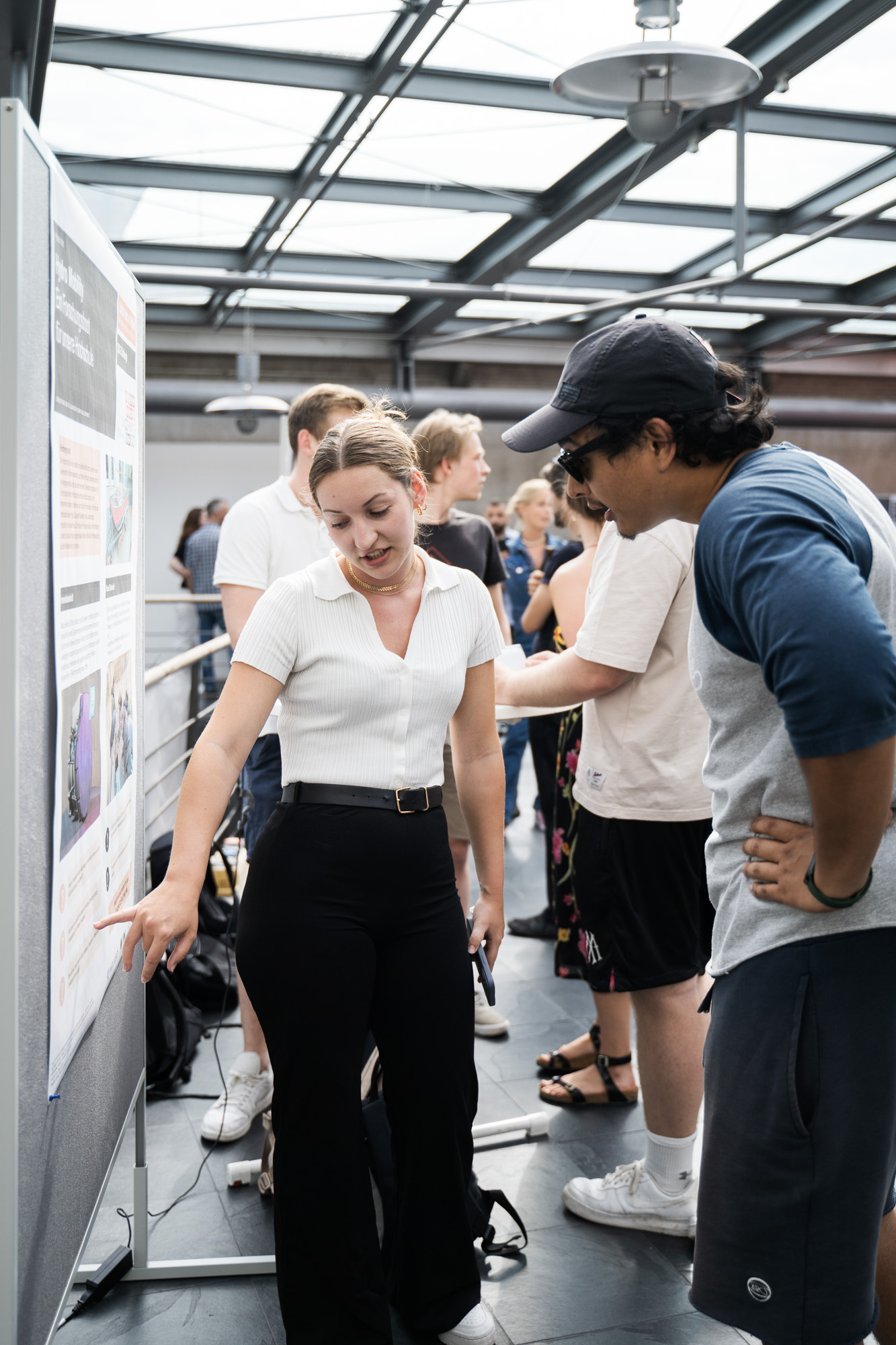
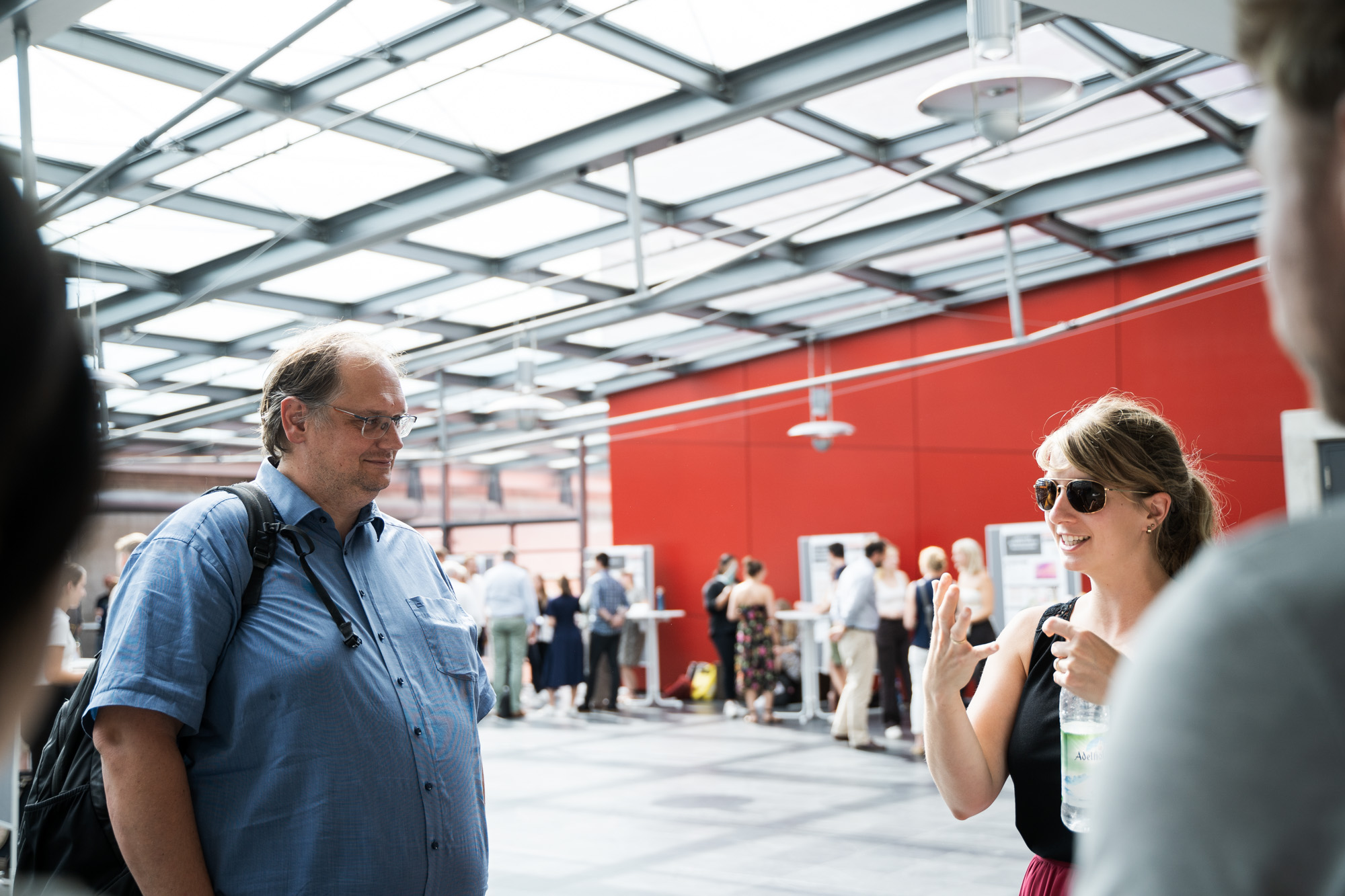
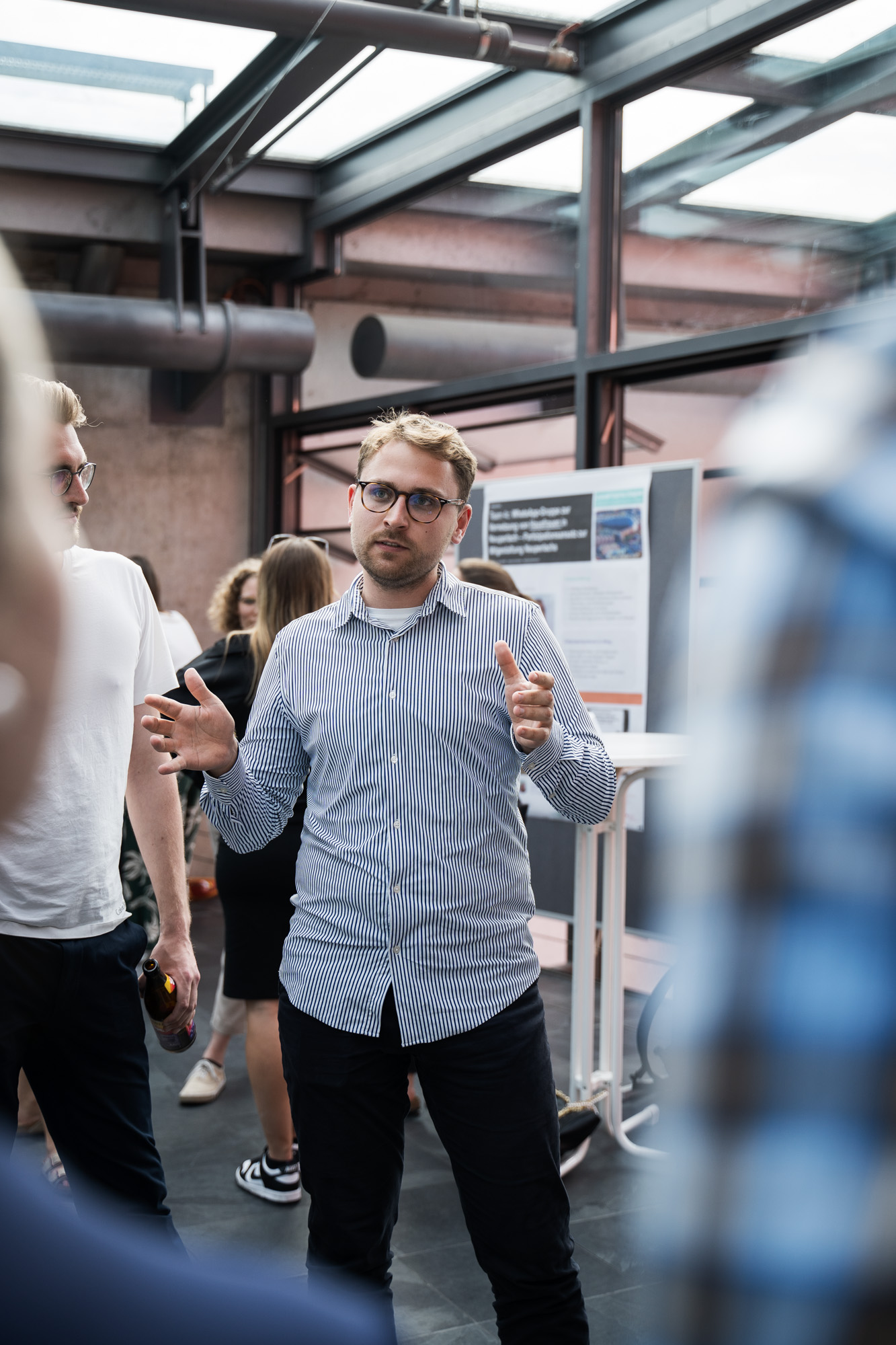
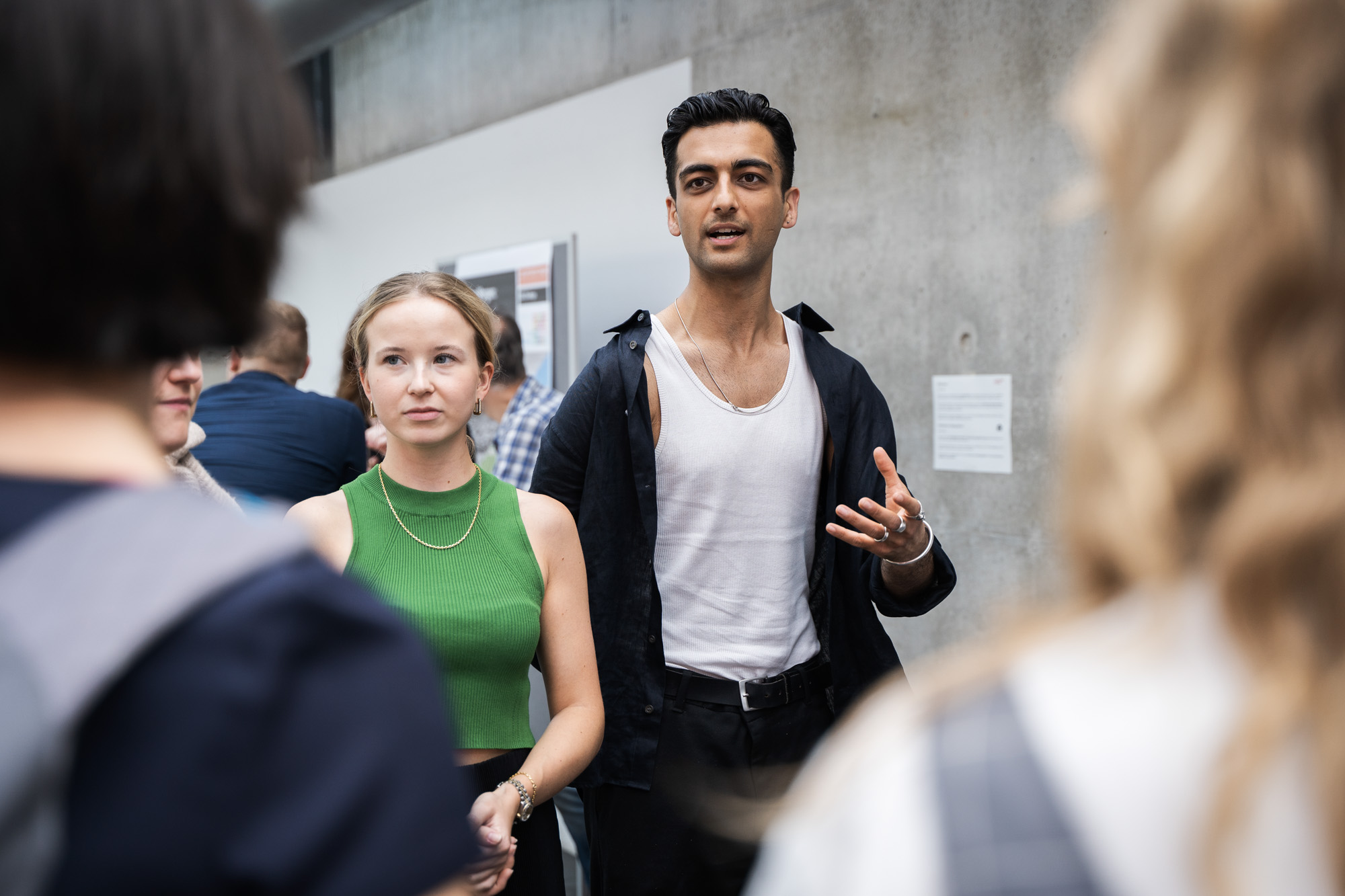
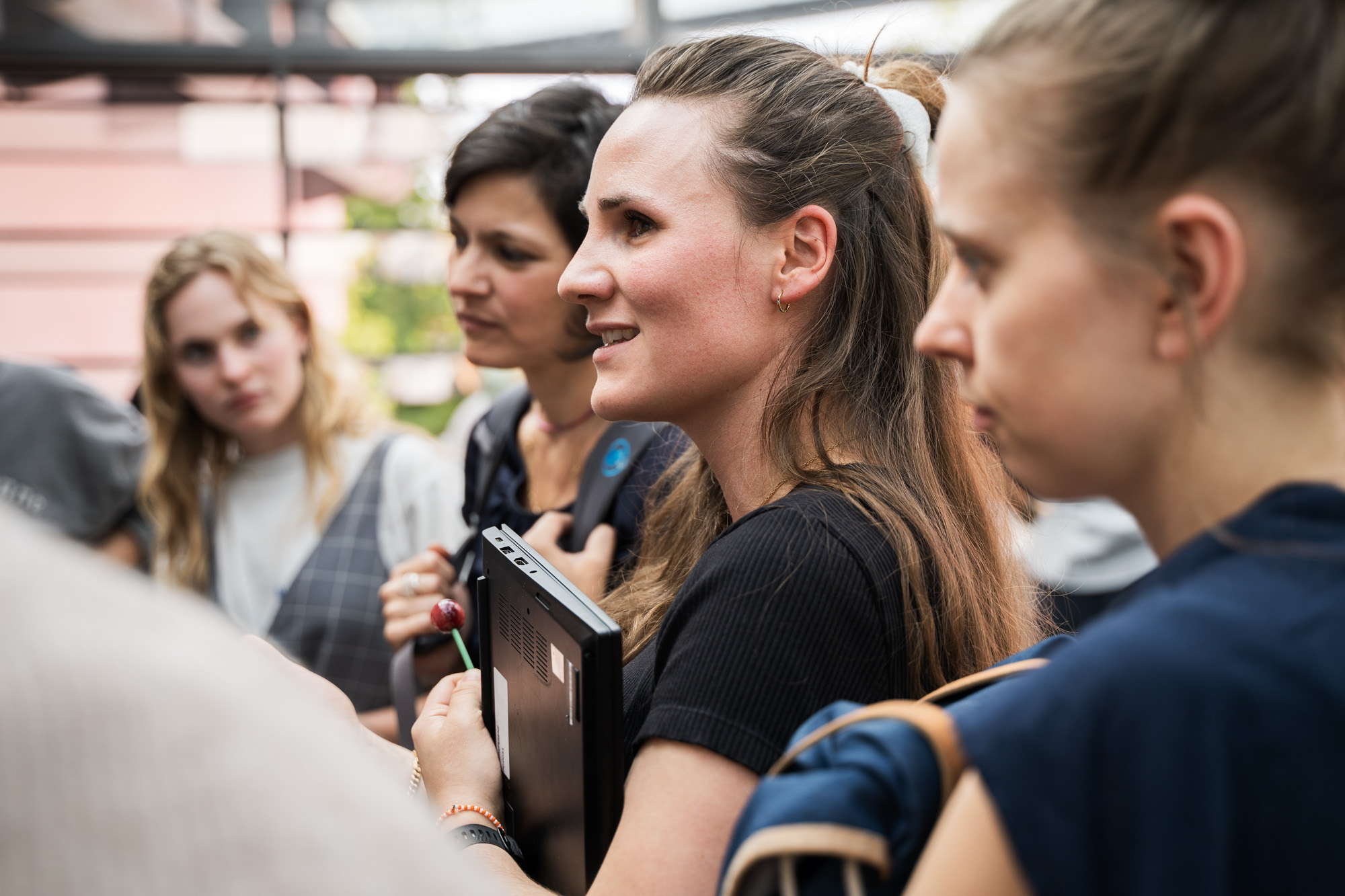
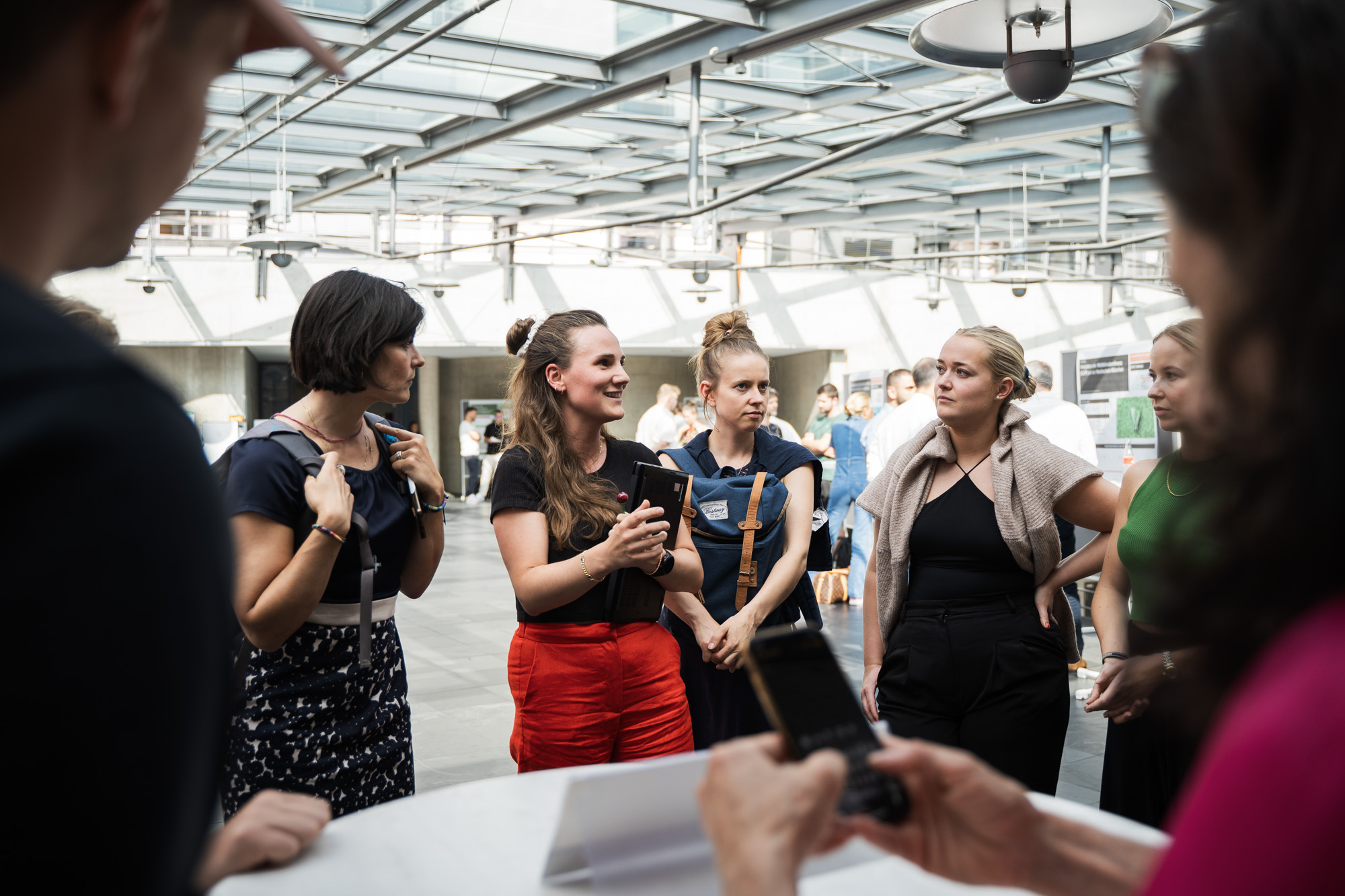
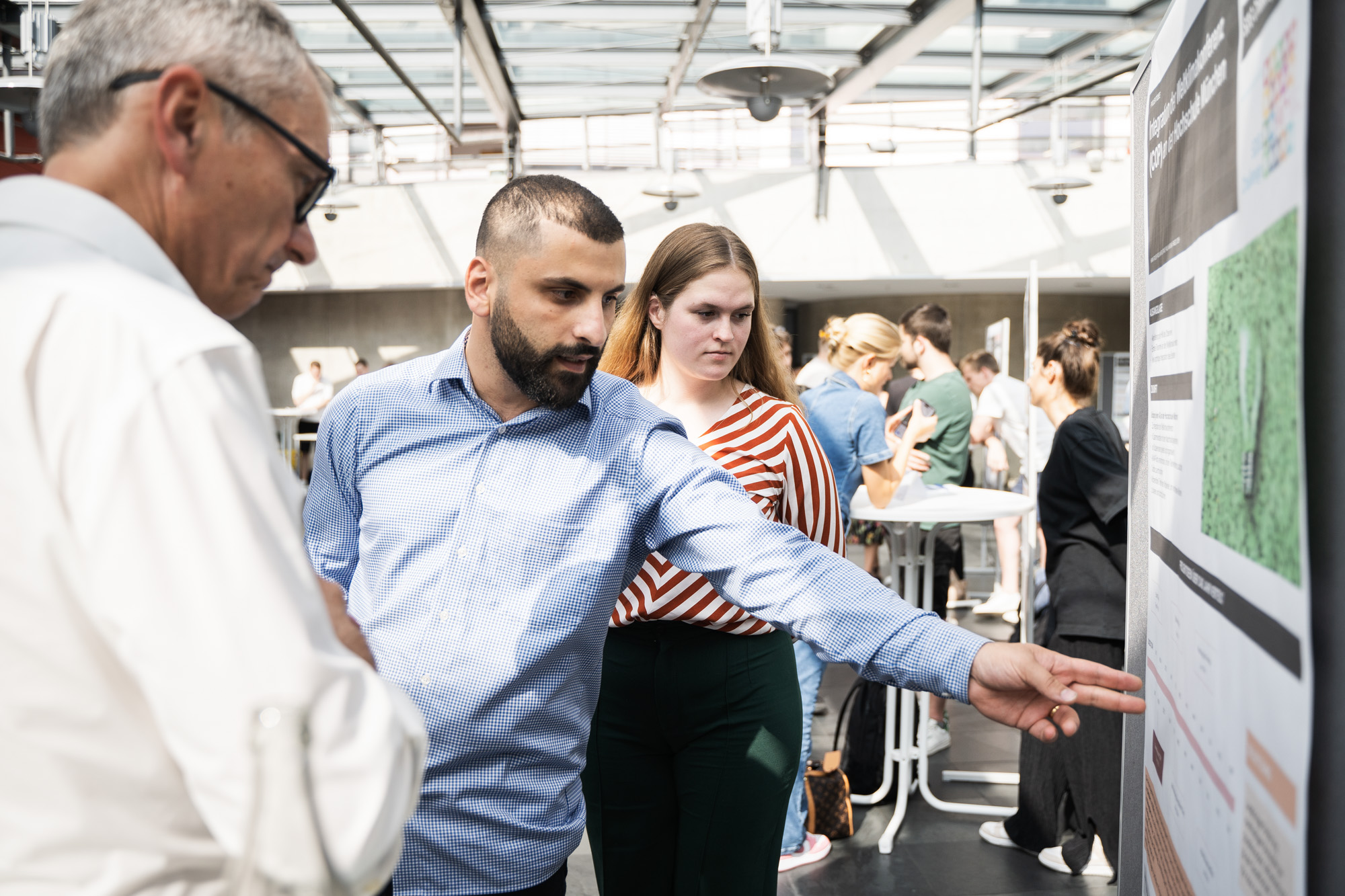
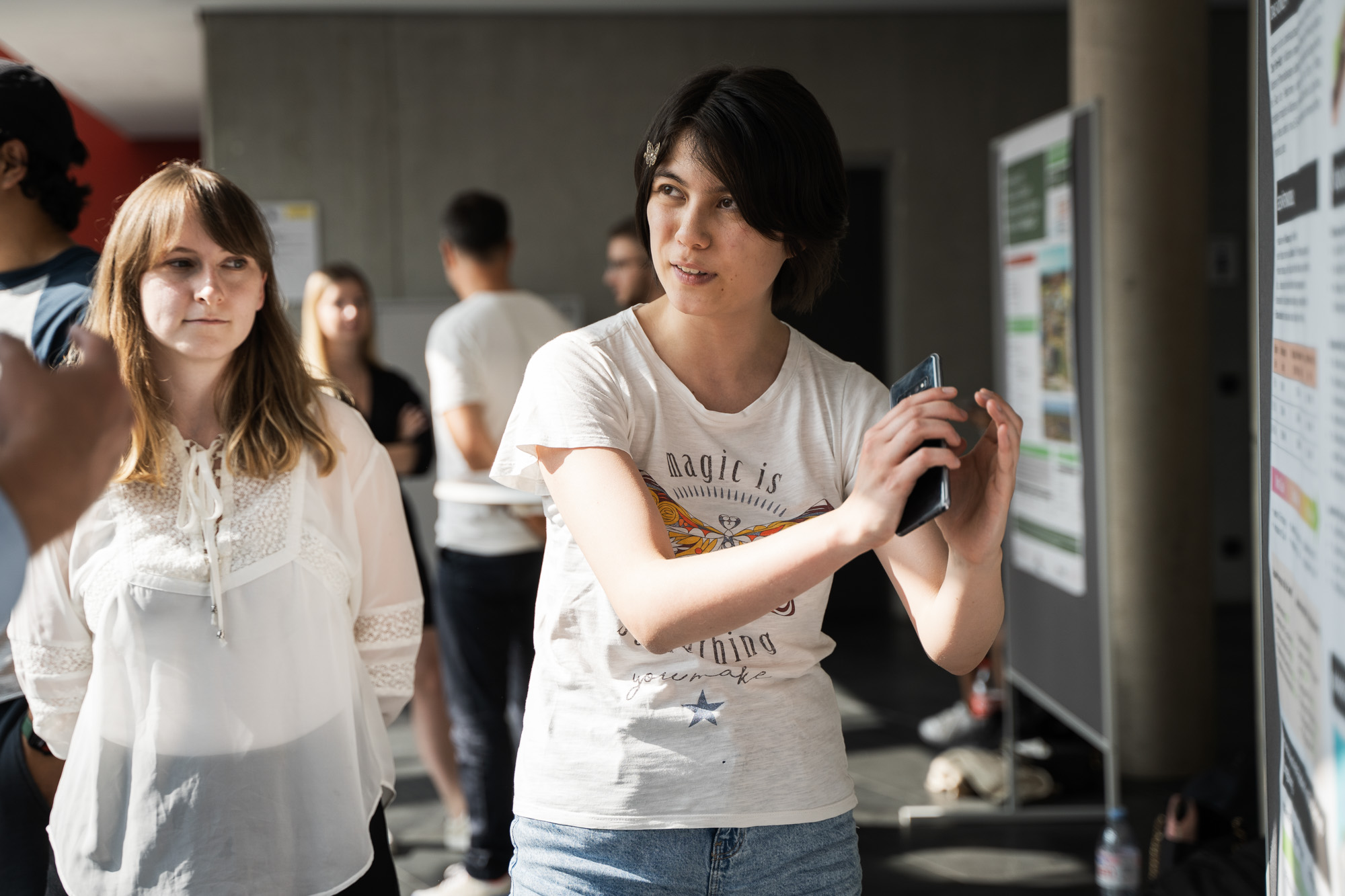
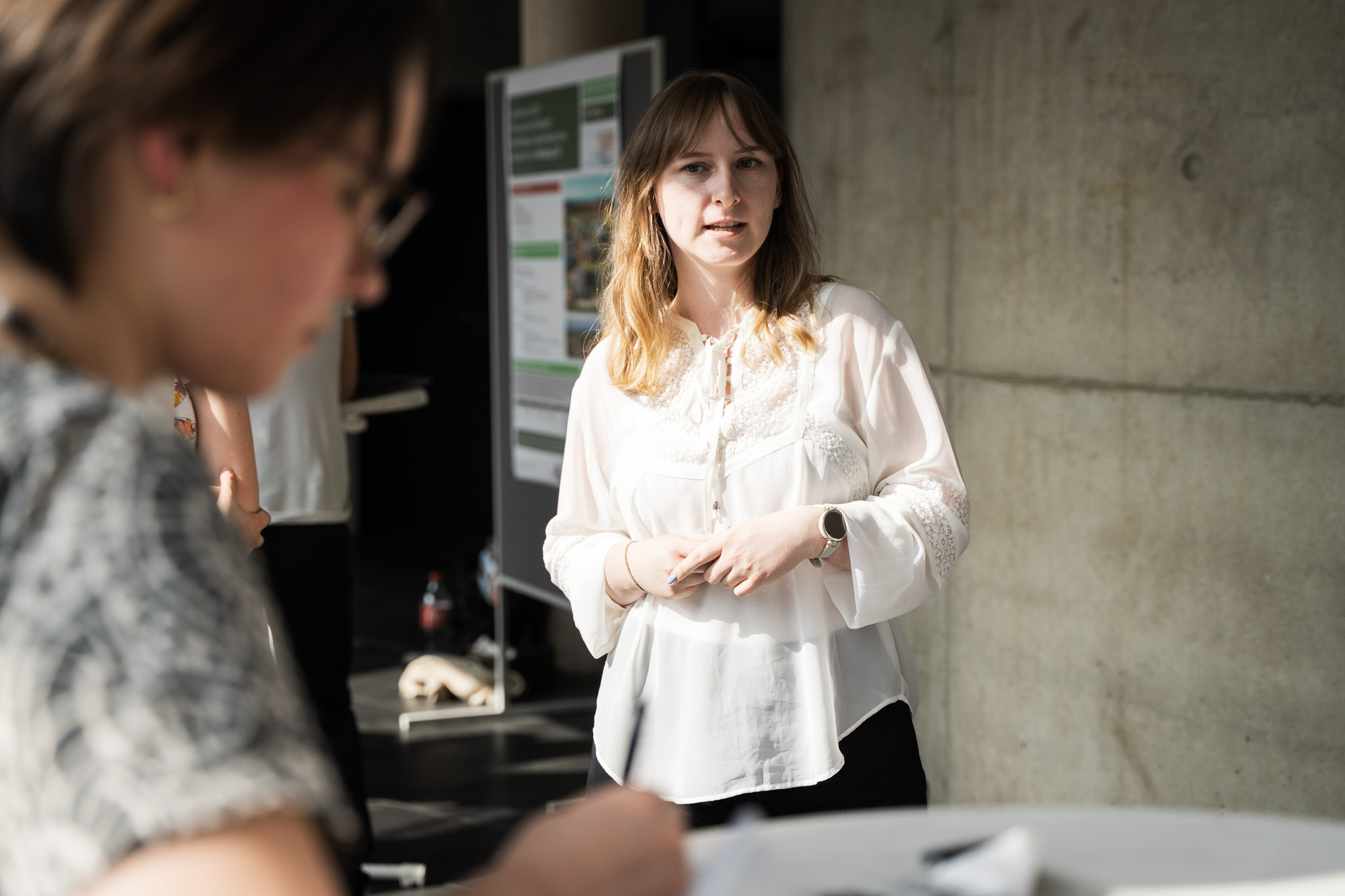
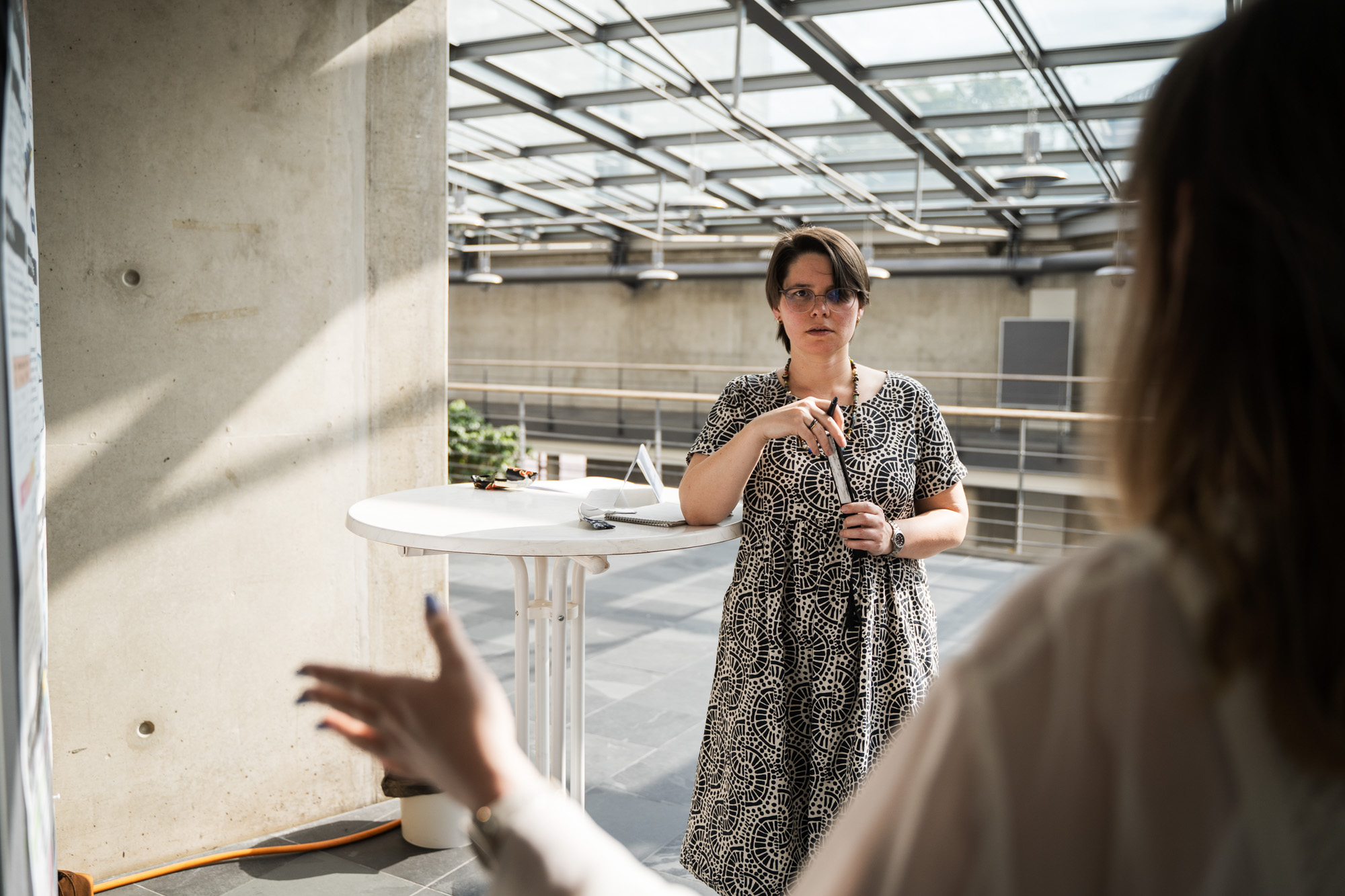
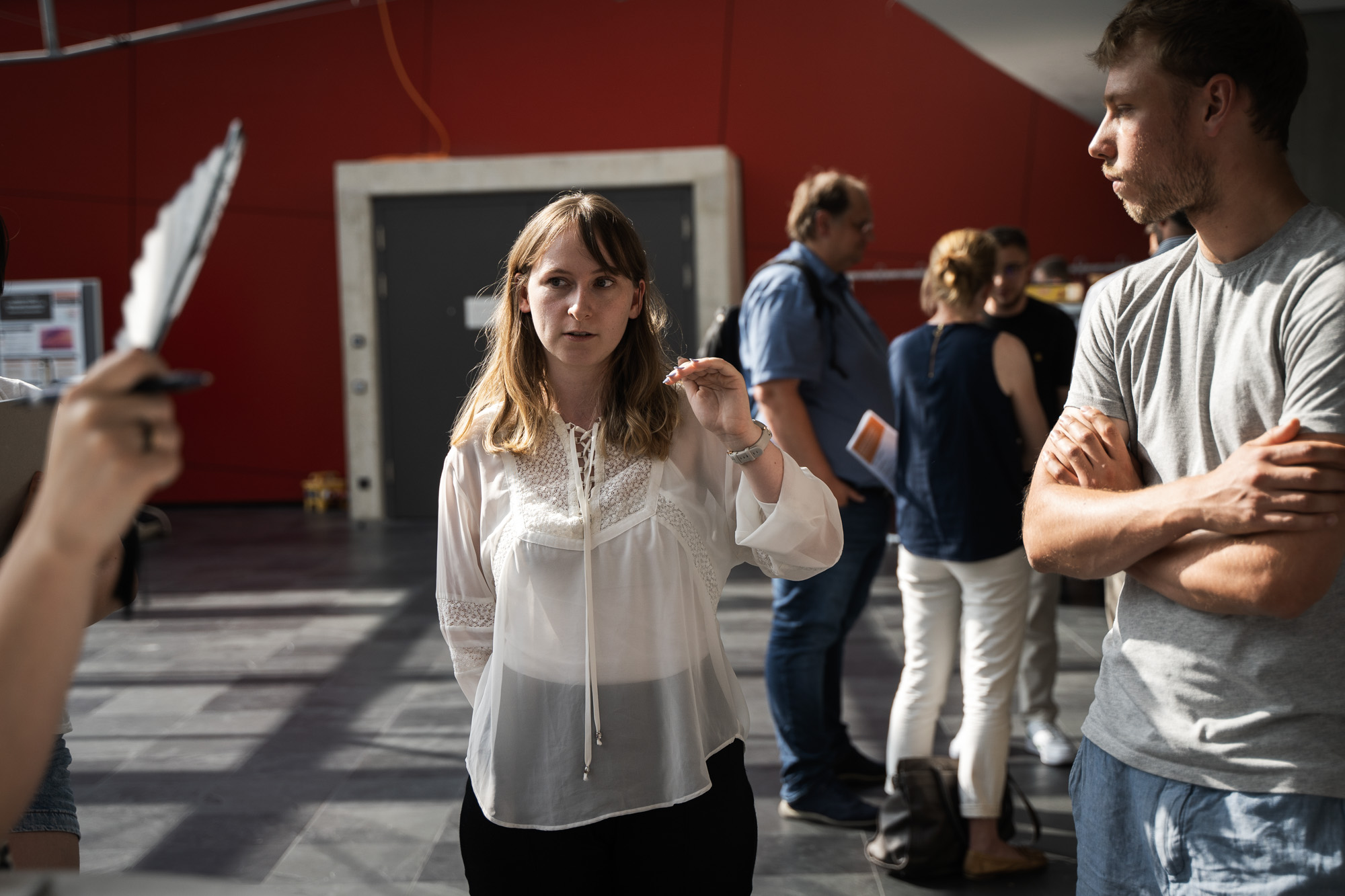
ZukunftGestalten@HM 2023 began on 23 March. The public closing event took place on 29 June. During this period, the students worked on the projects in an interdisciplinary manner, in close collaboration with the practice partners. At the closing event, the results were presented to the audience in the foyer of the ‘Roter Würfel’ at Hochschule München.

Combining solar power and parking
This year marked the 10th edition of ZukunftGestalten at the HM. A special feature of this anniversary event was that students were able to propose their own project ideas.
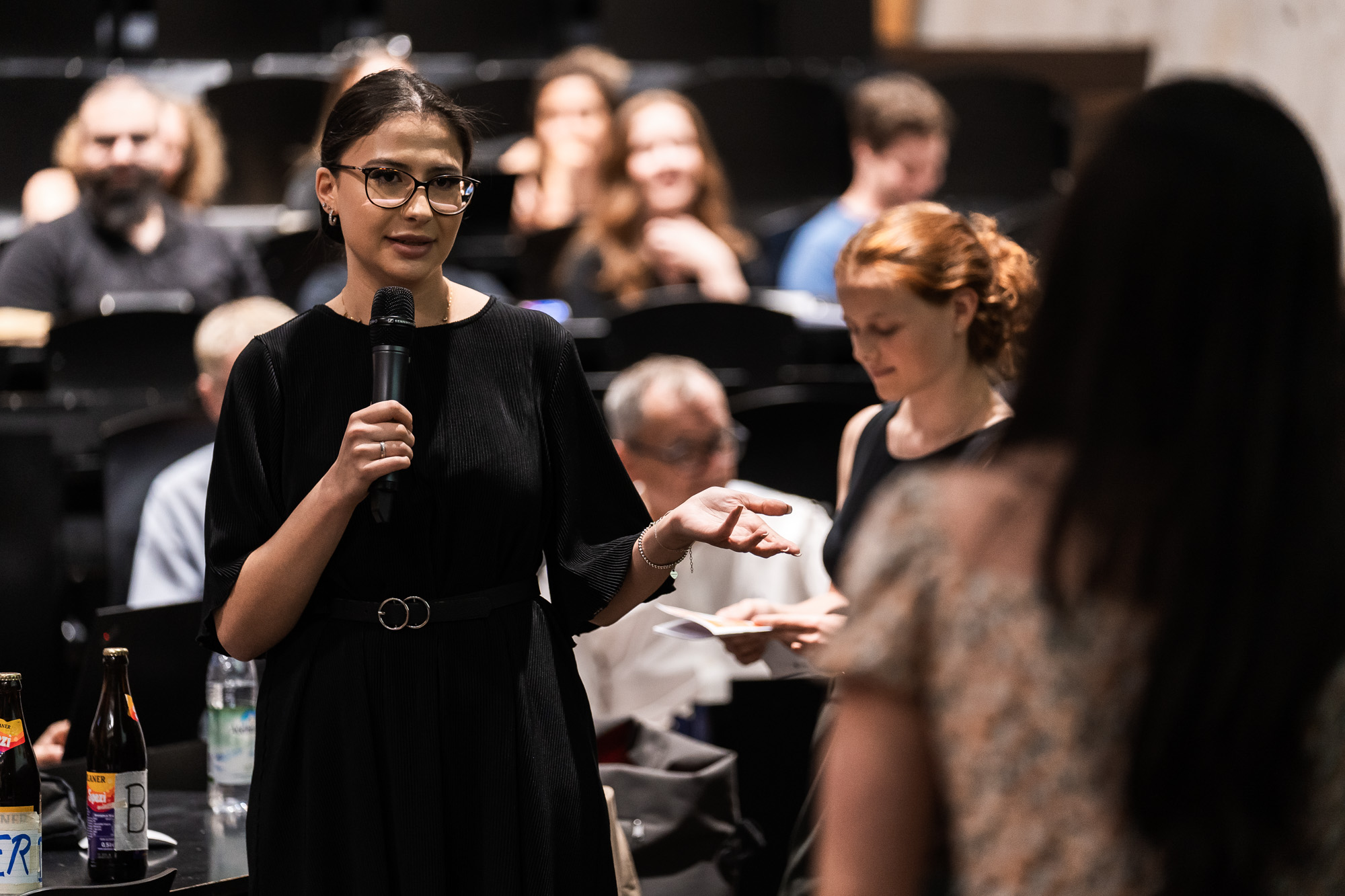
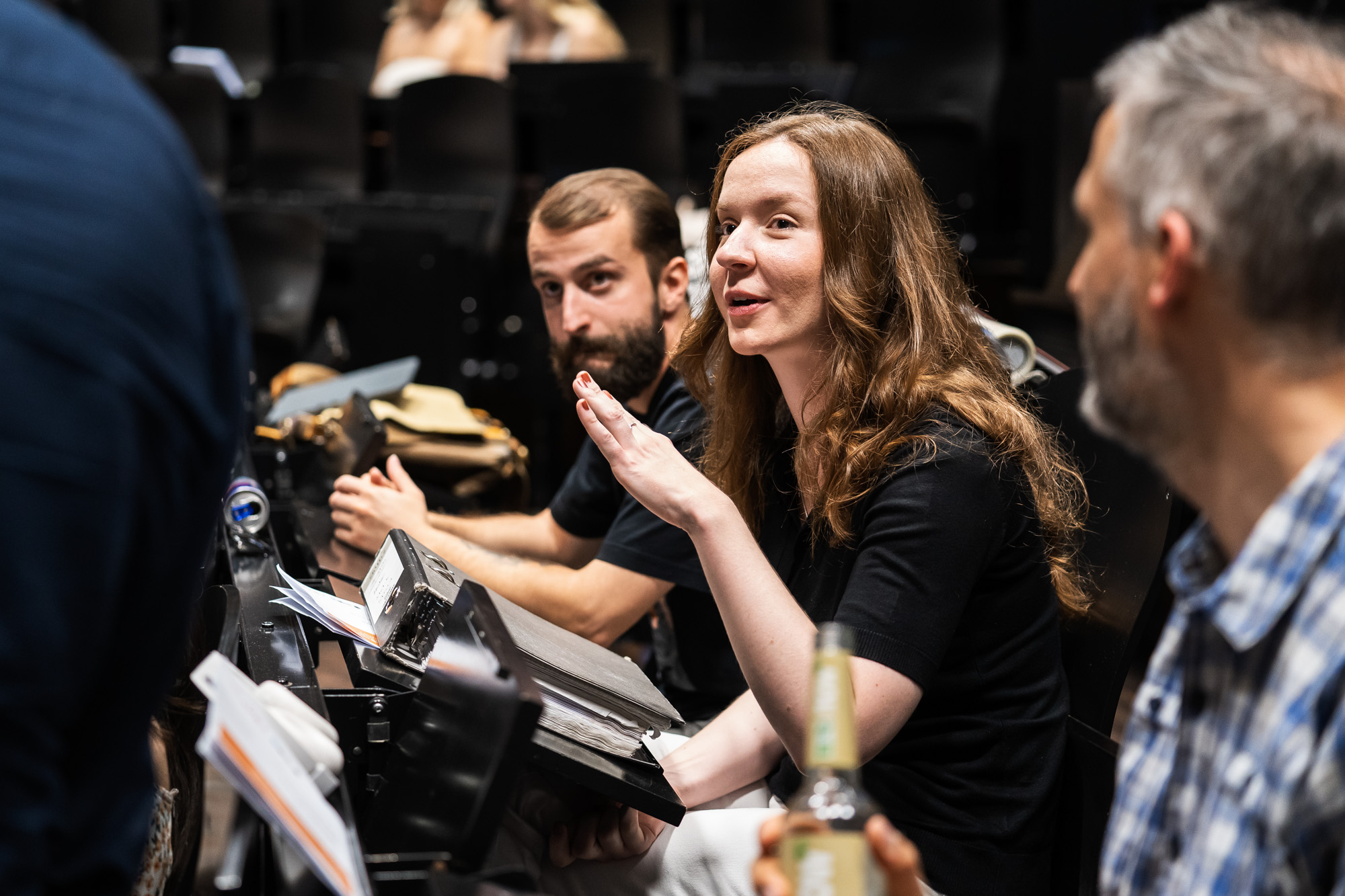
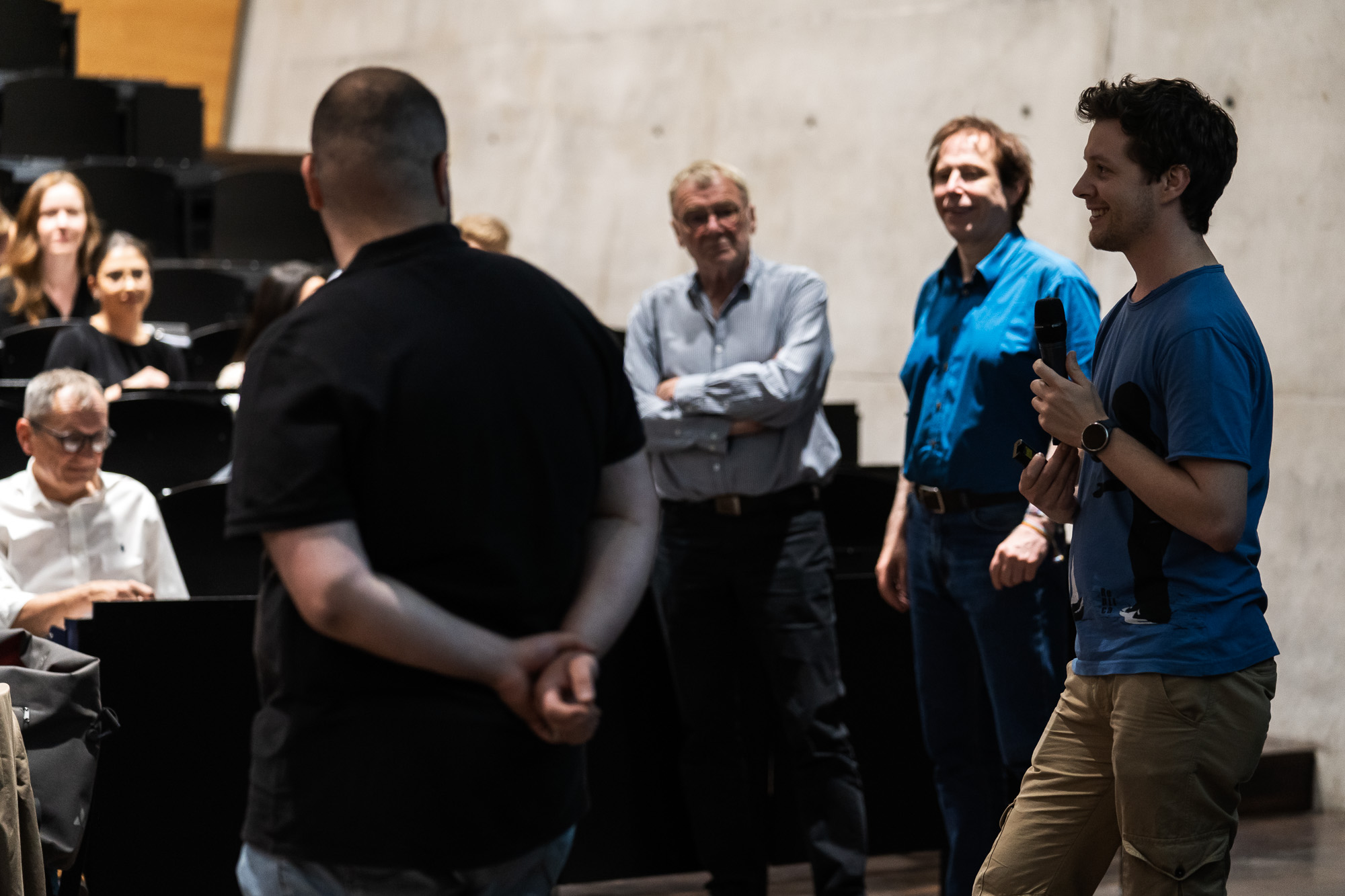
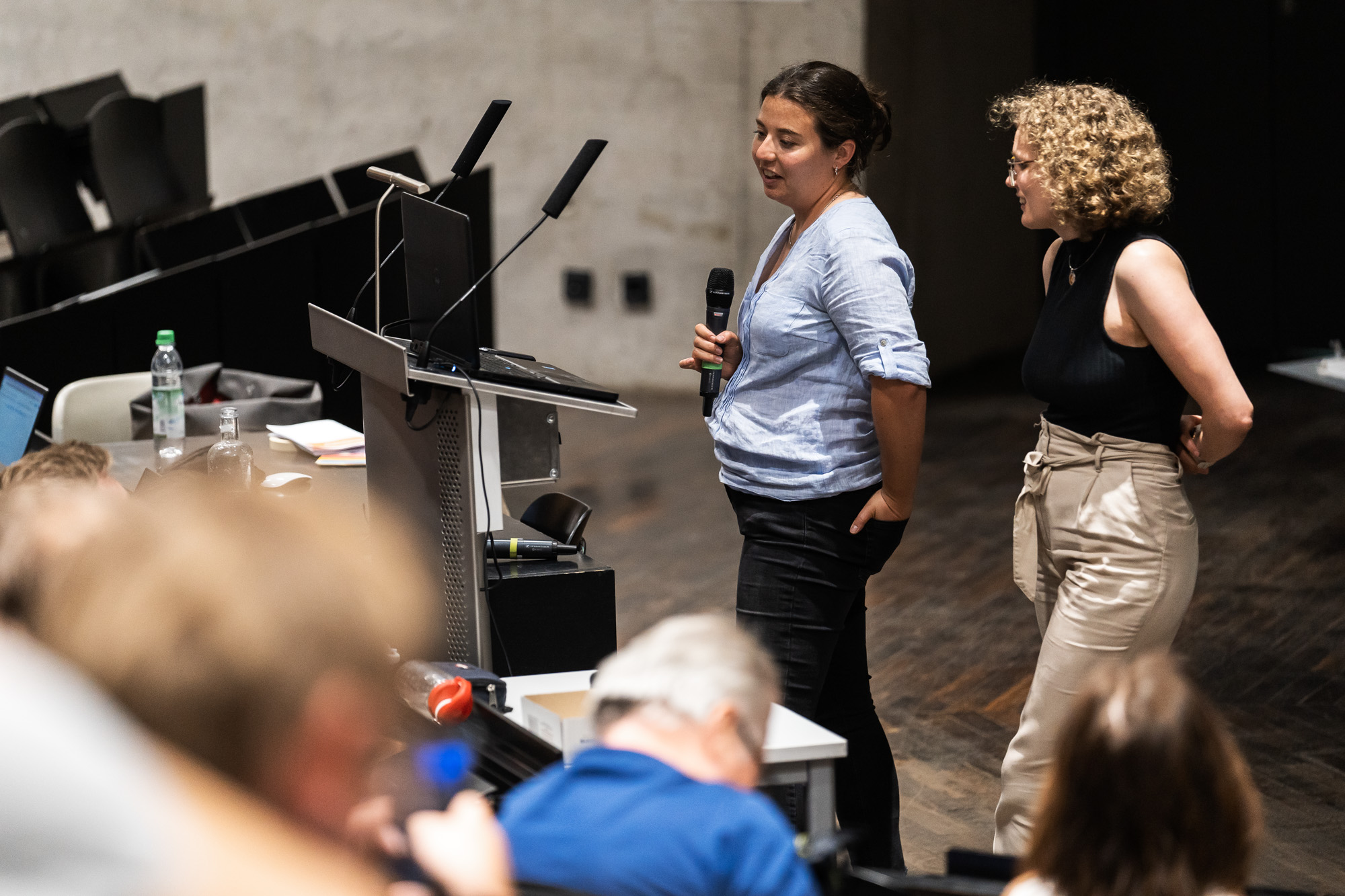
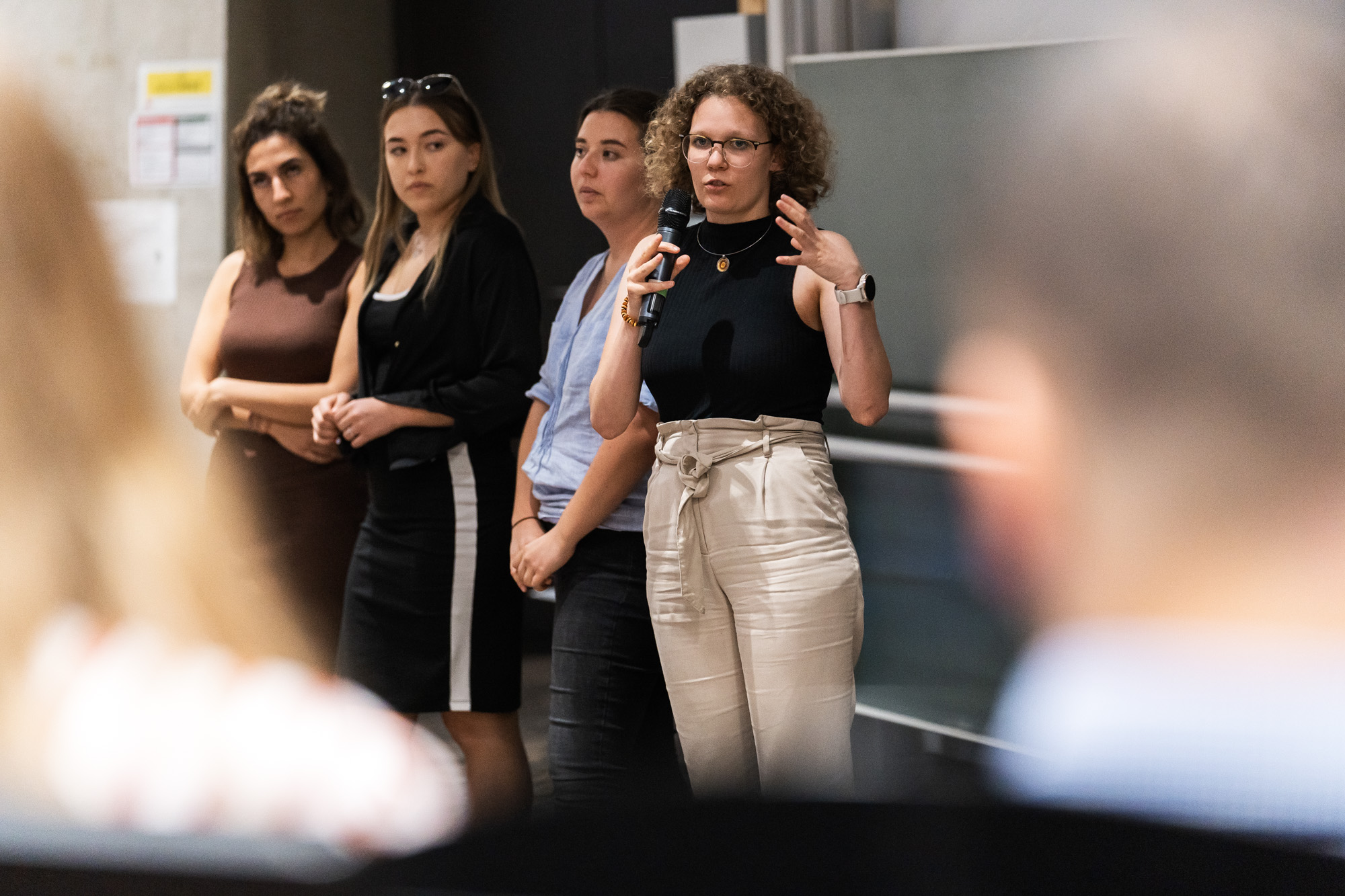
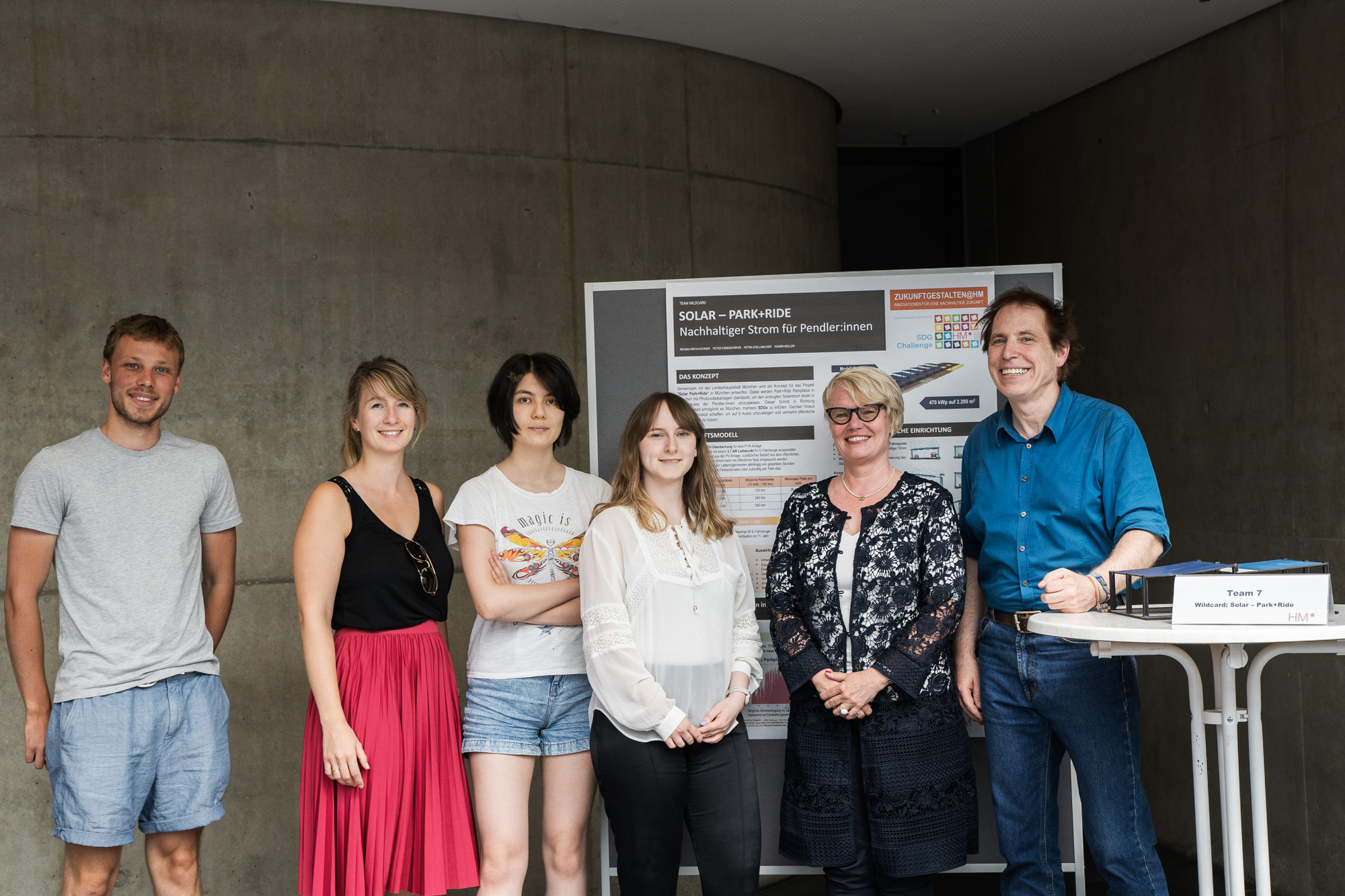
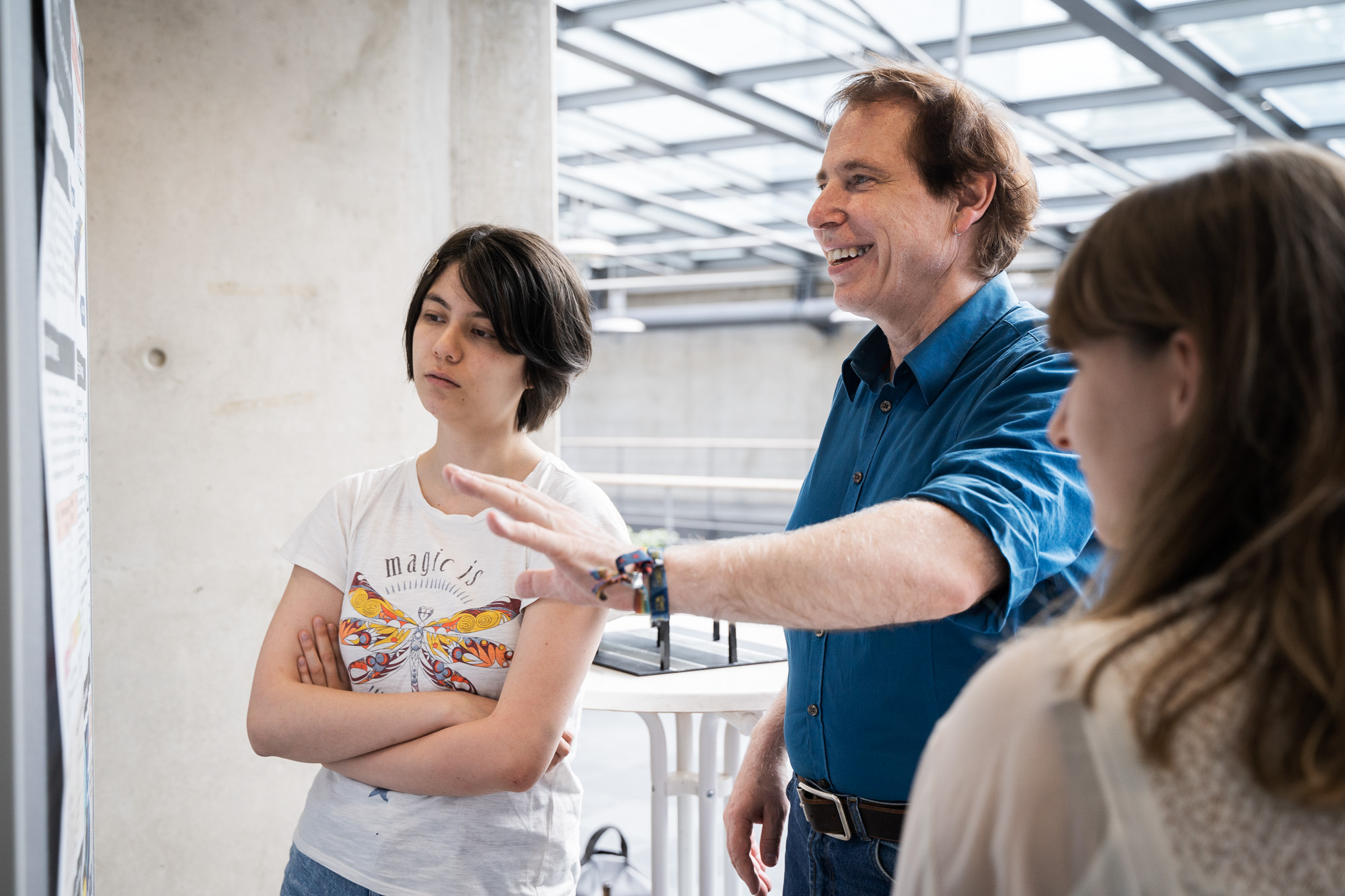
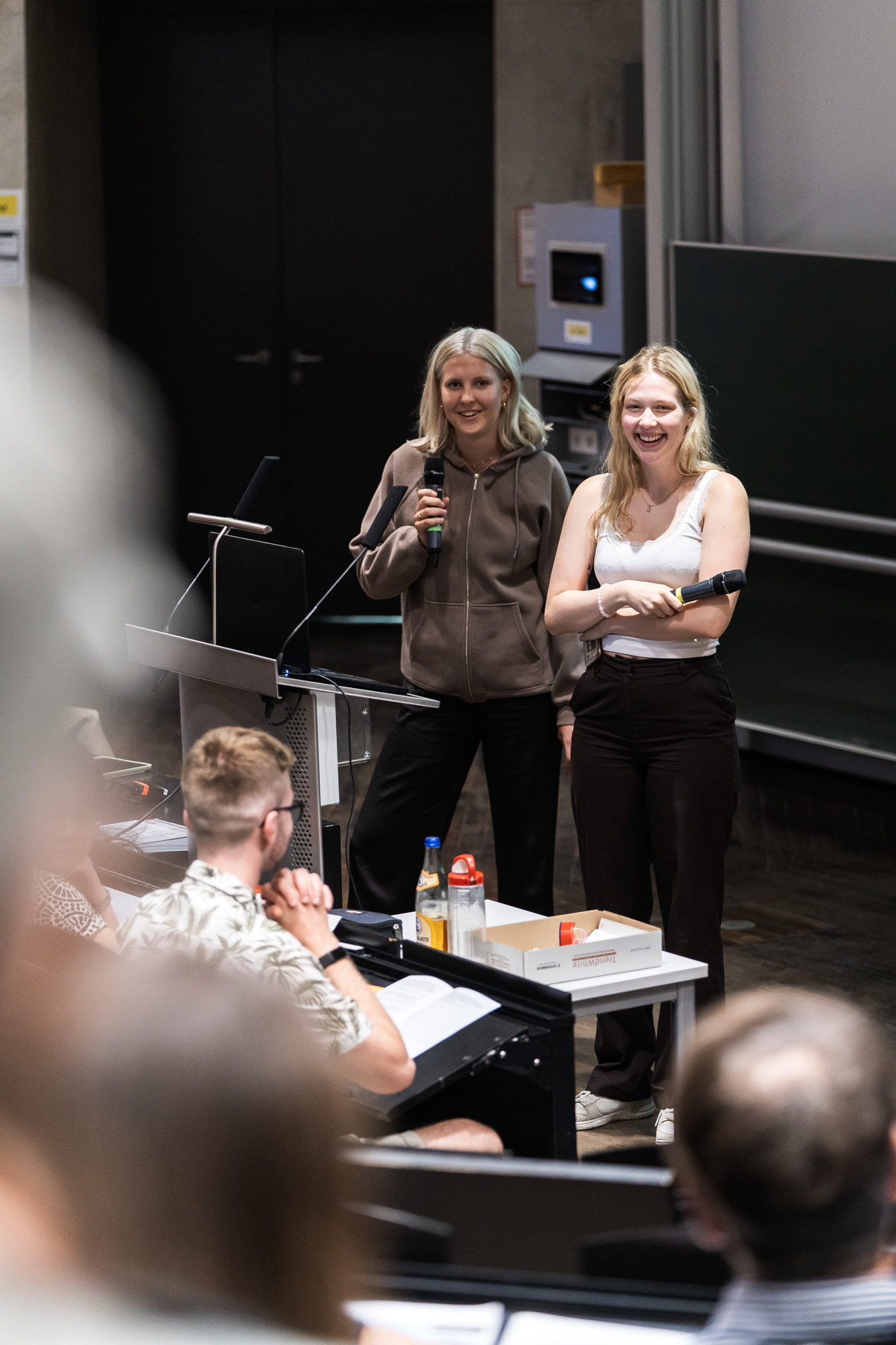
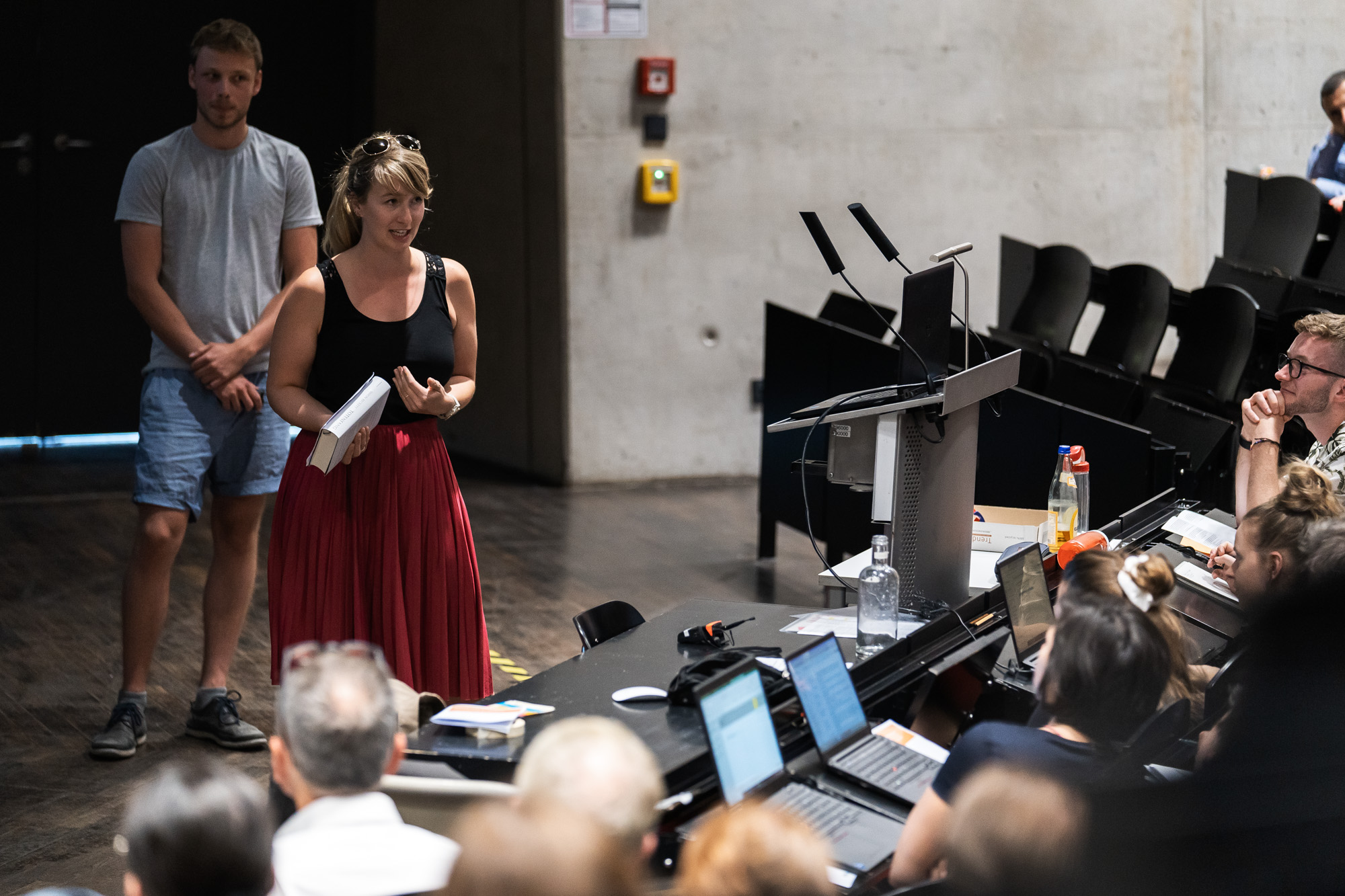
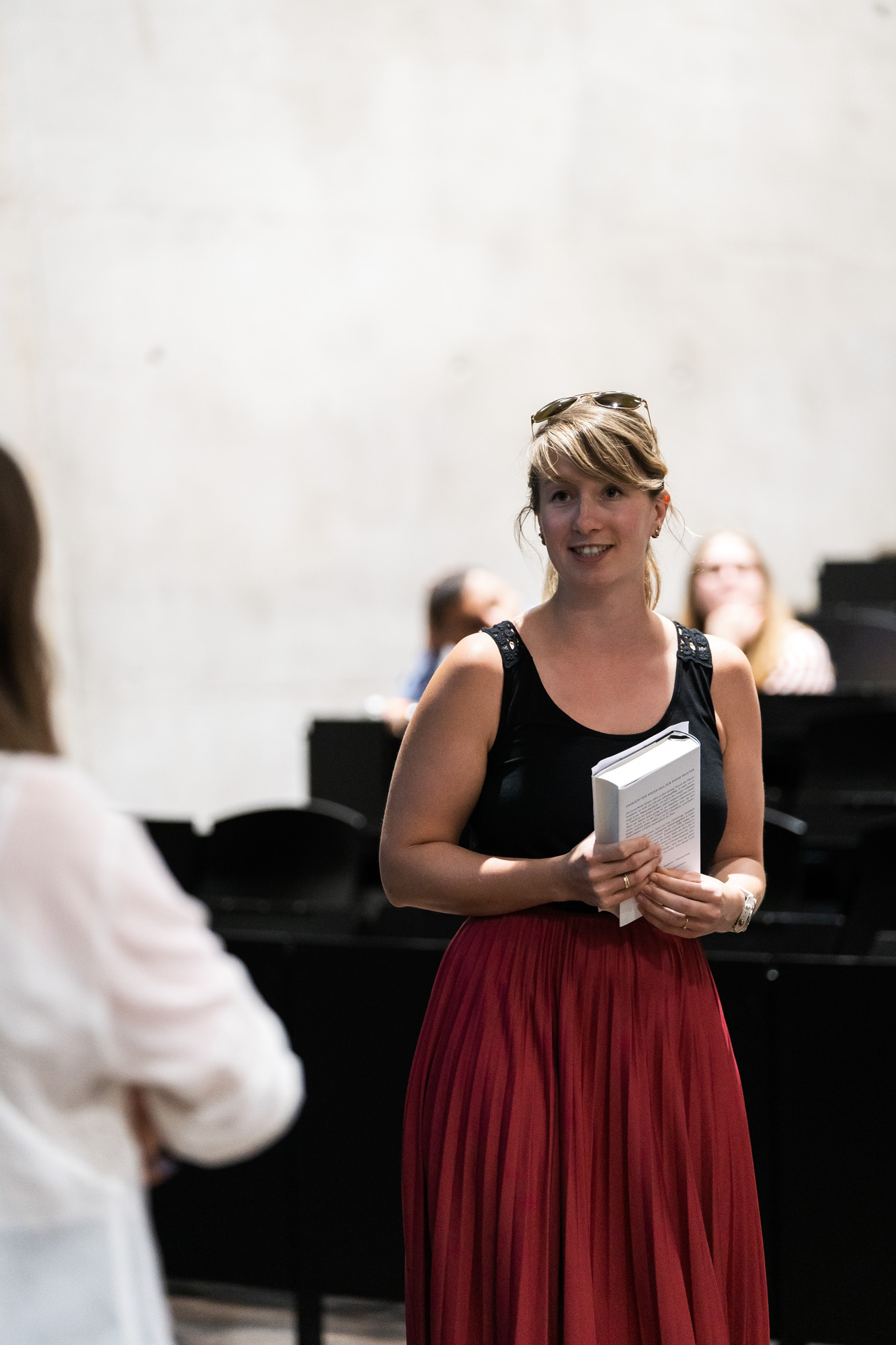
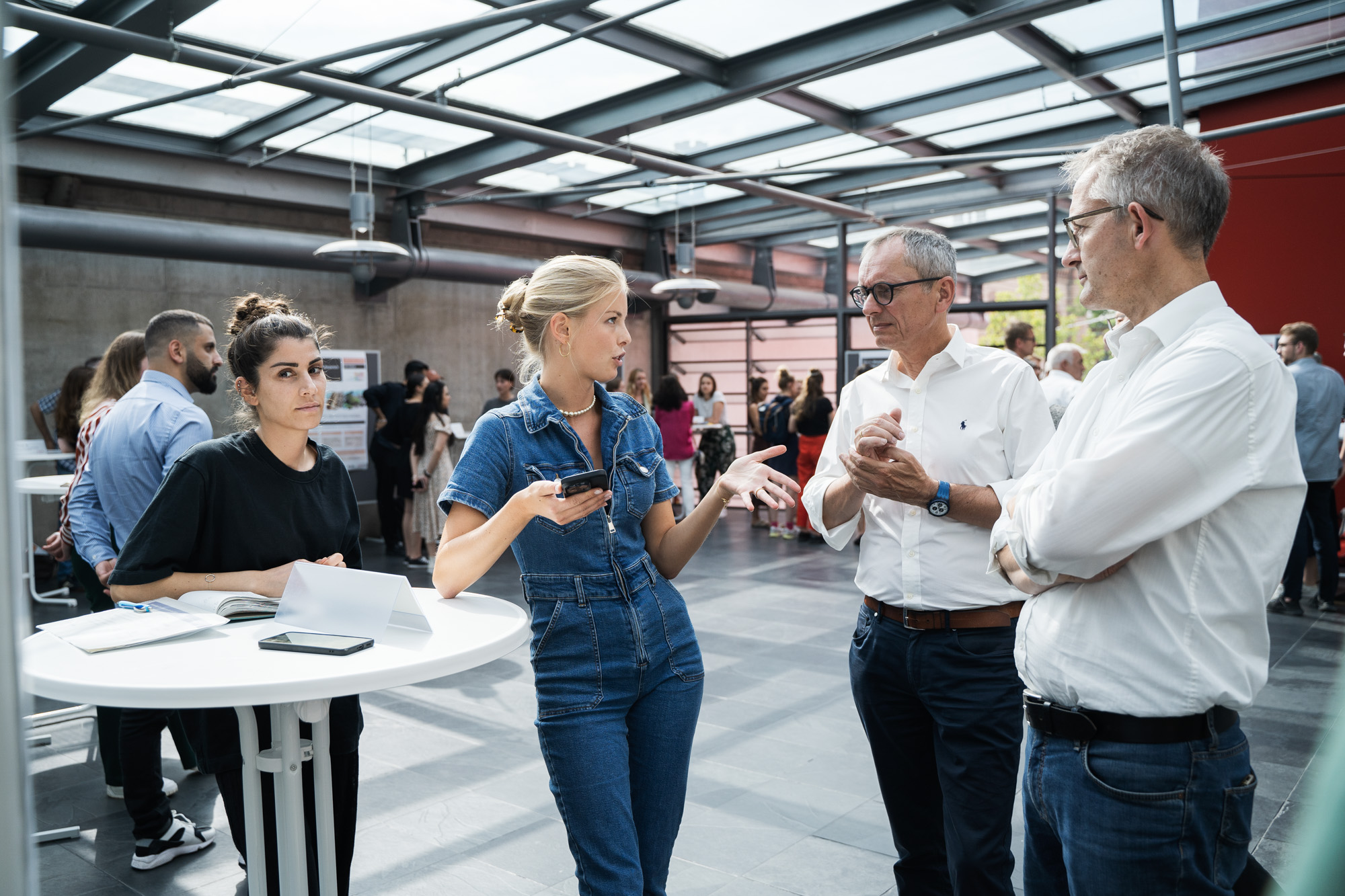
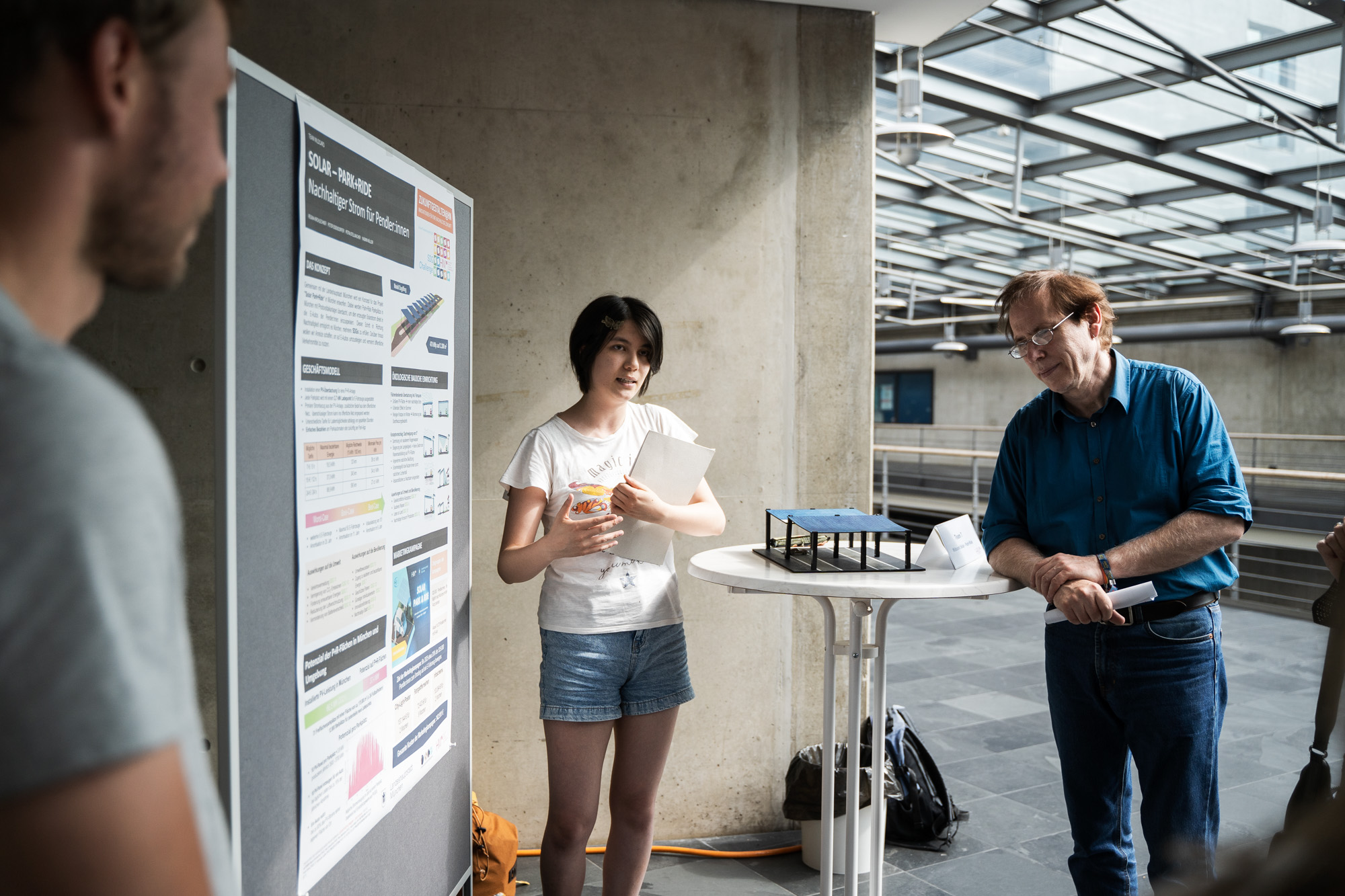
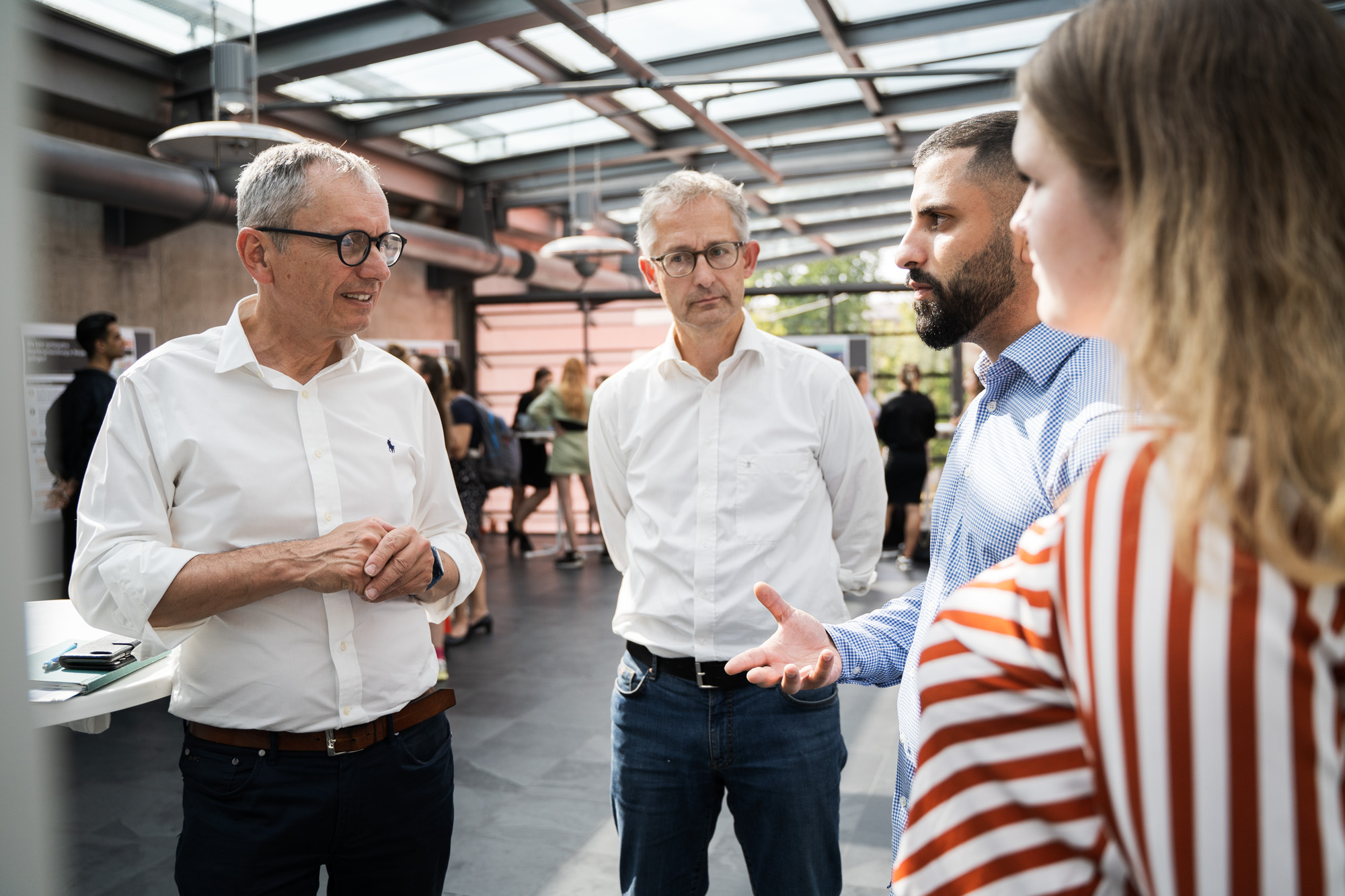
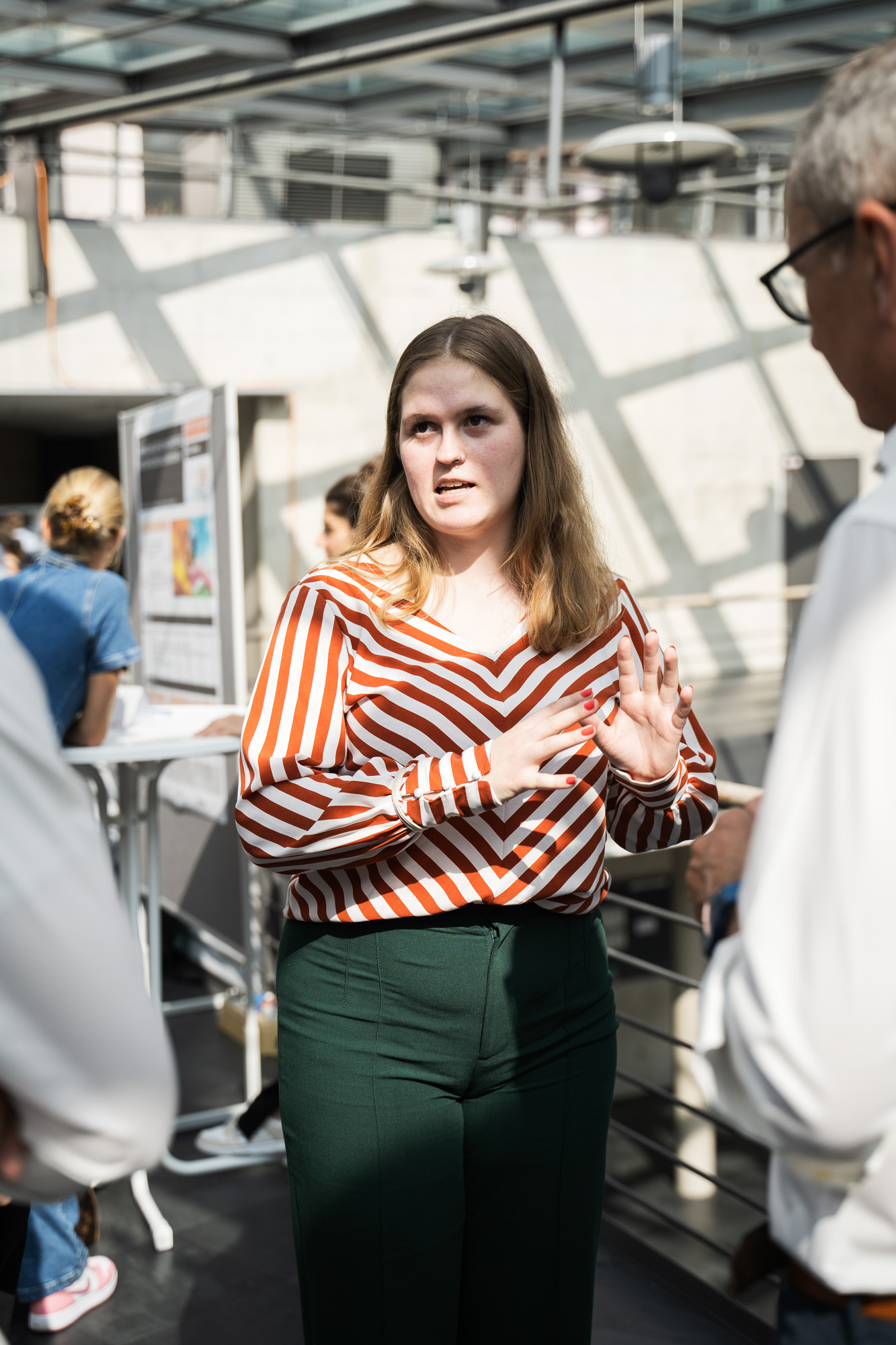
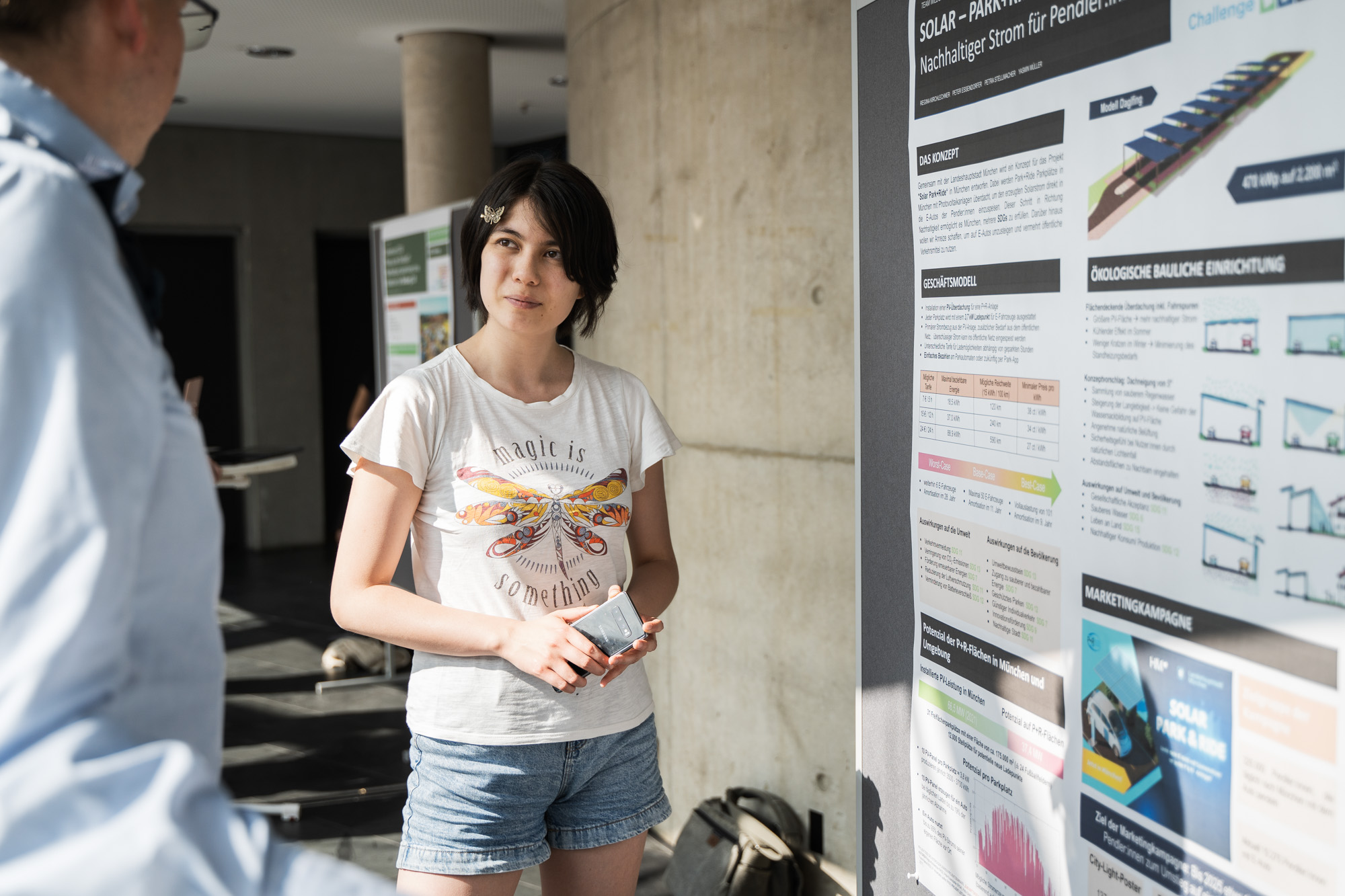
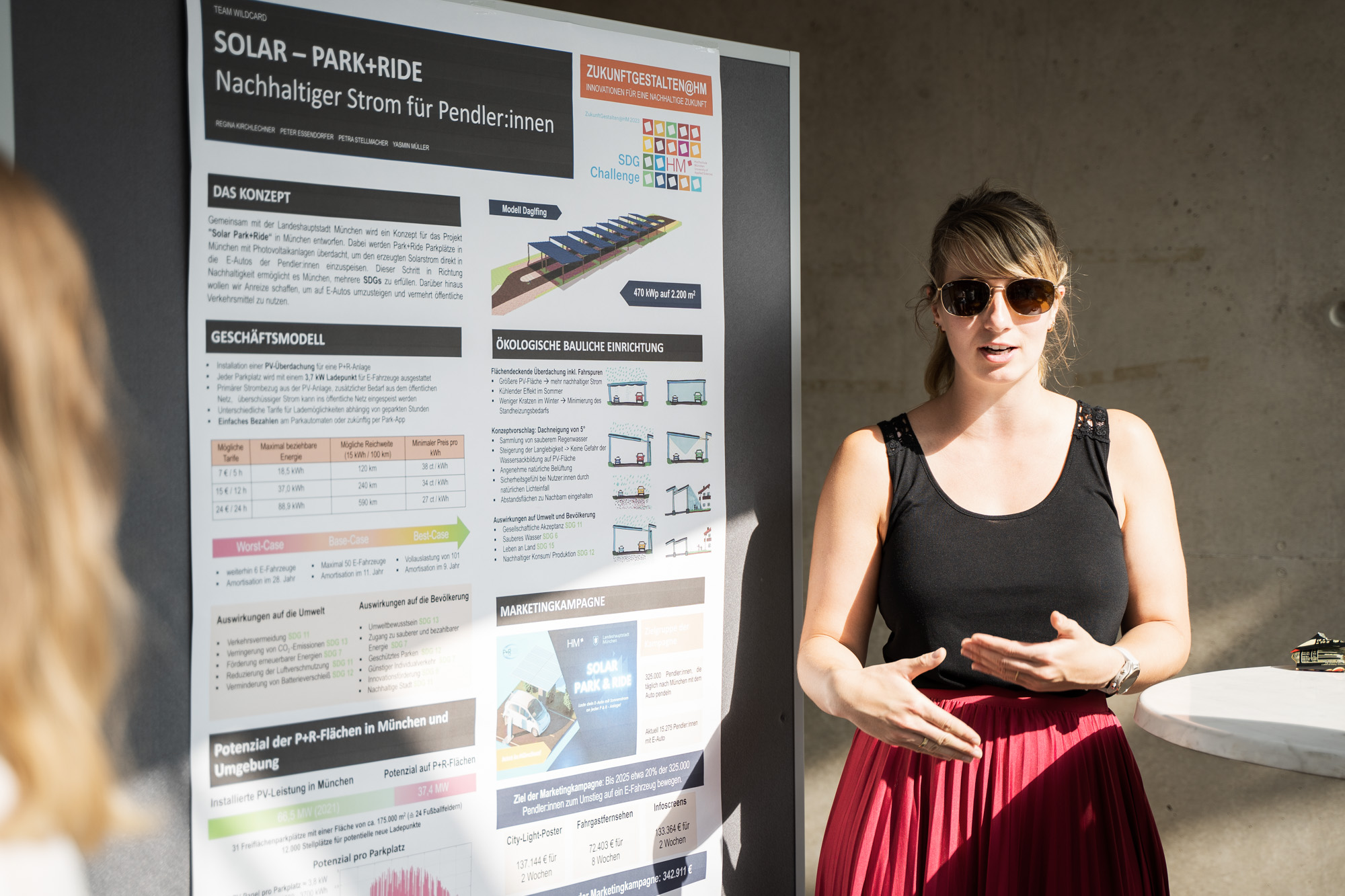
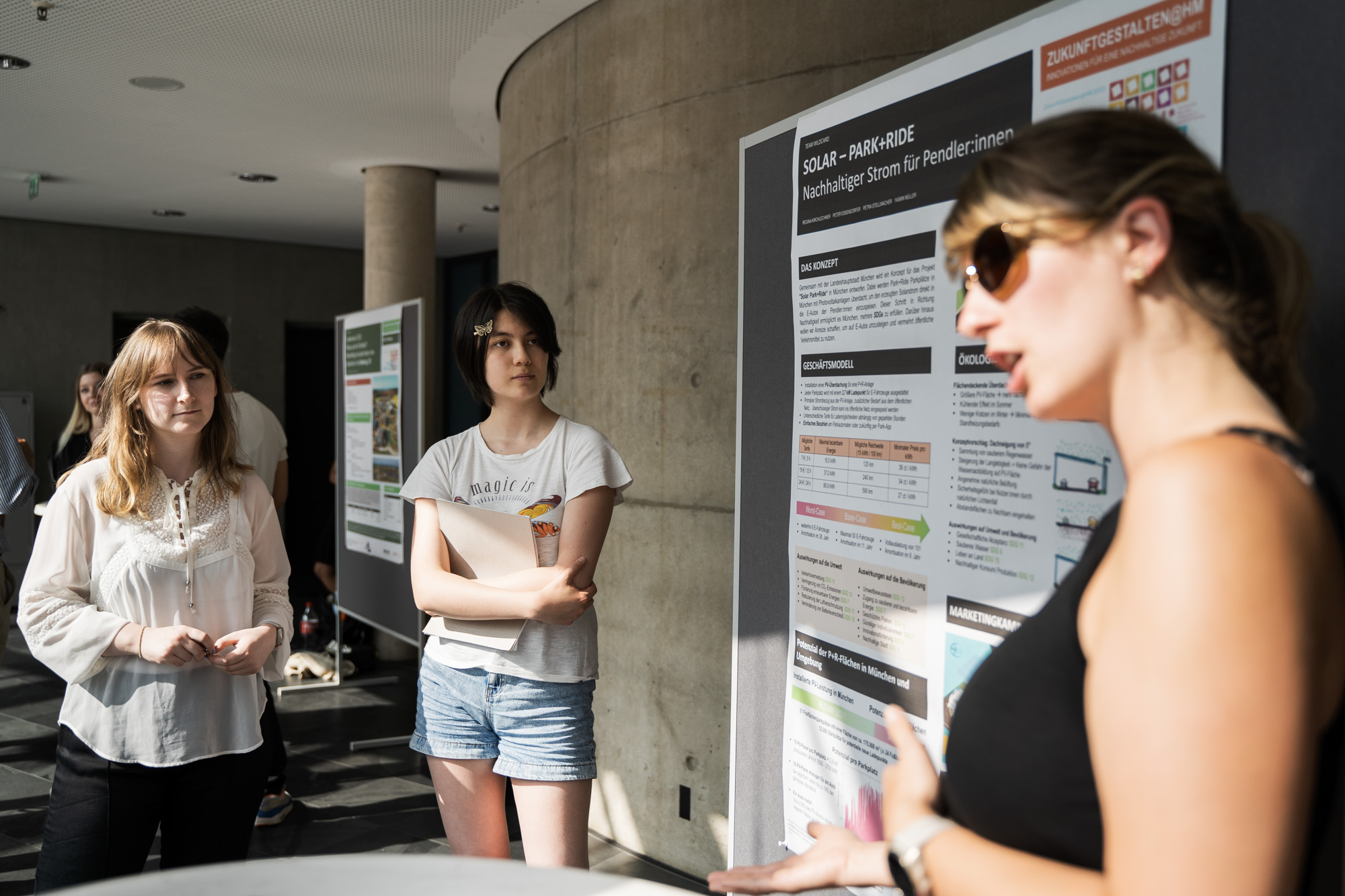
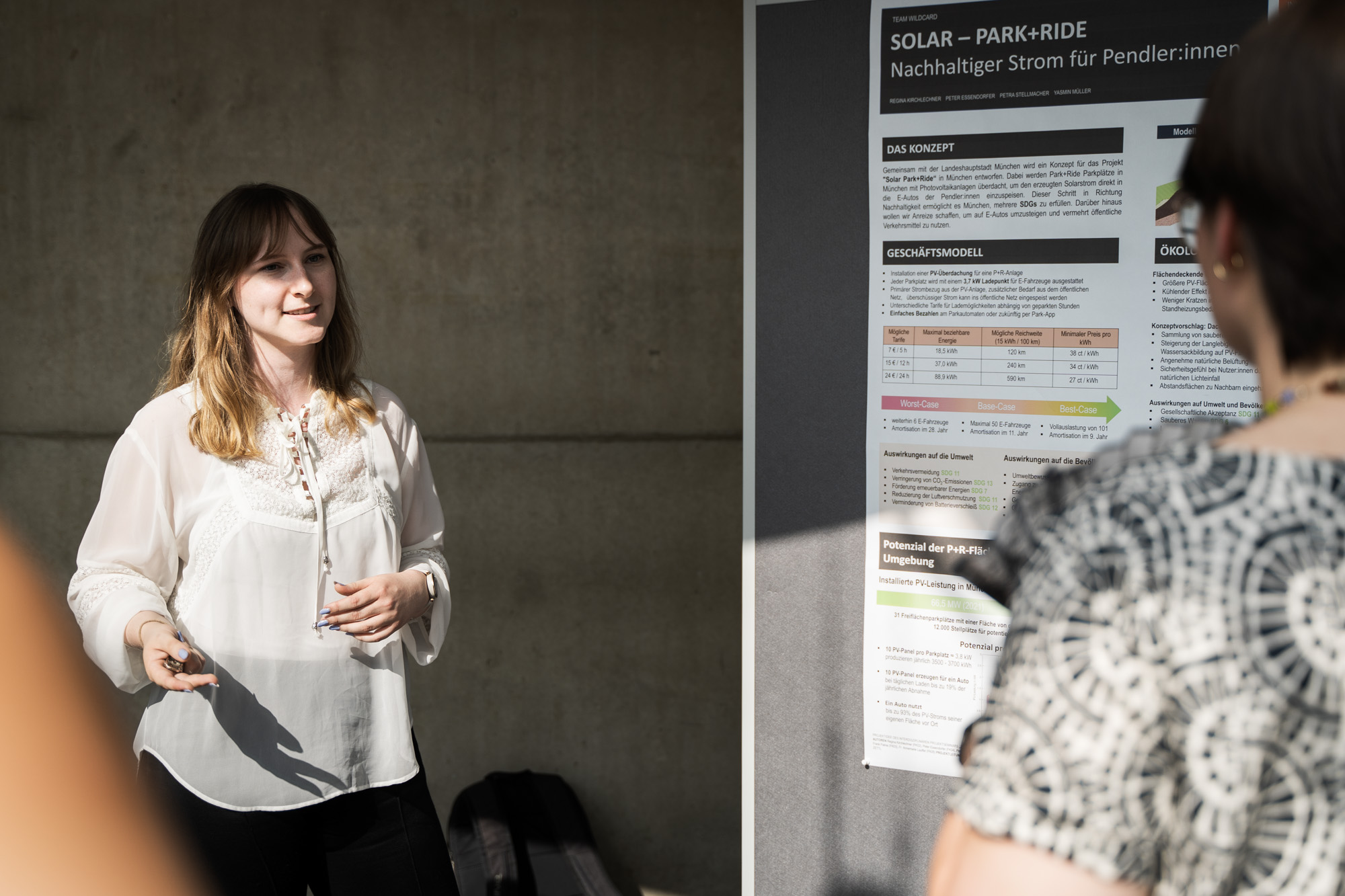
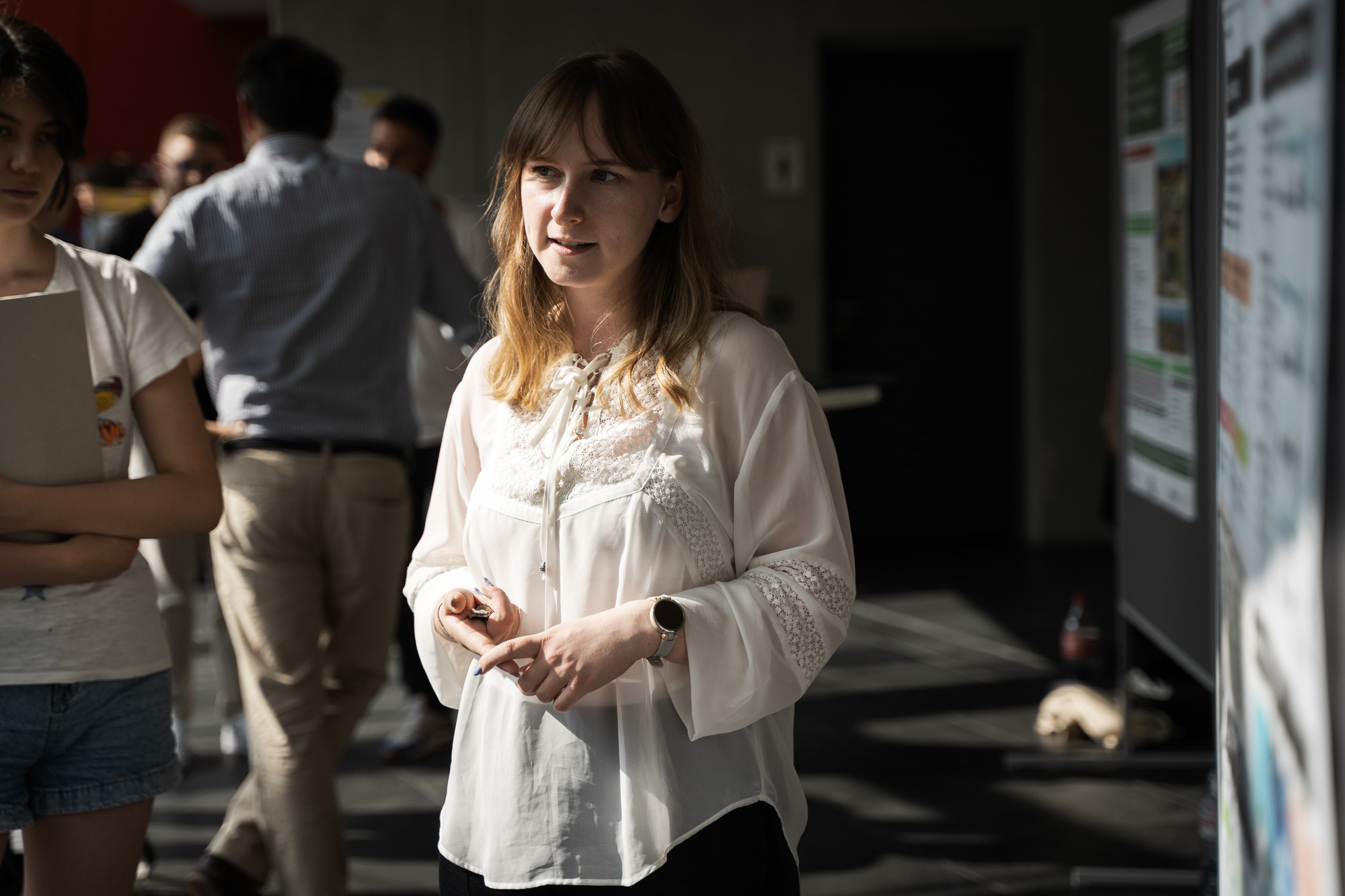
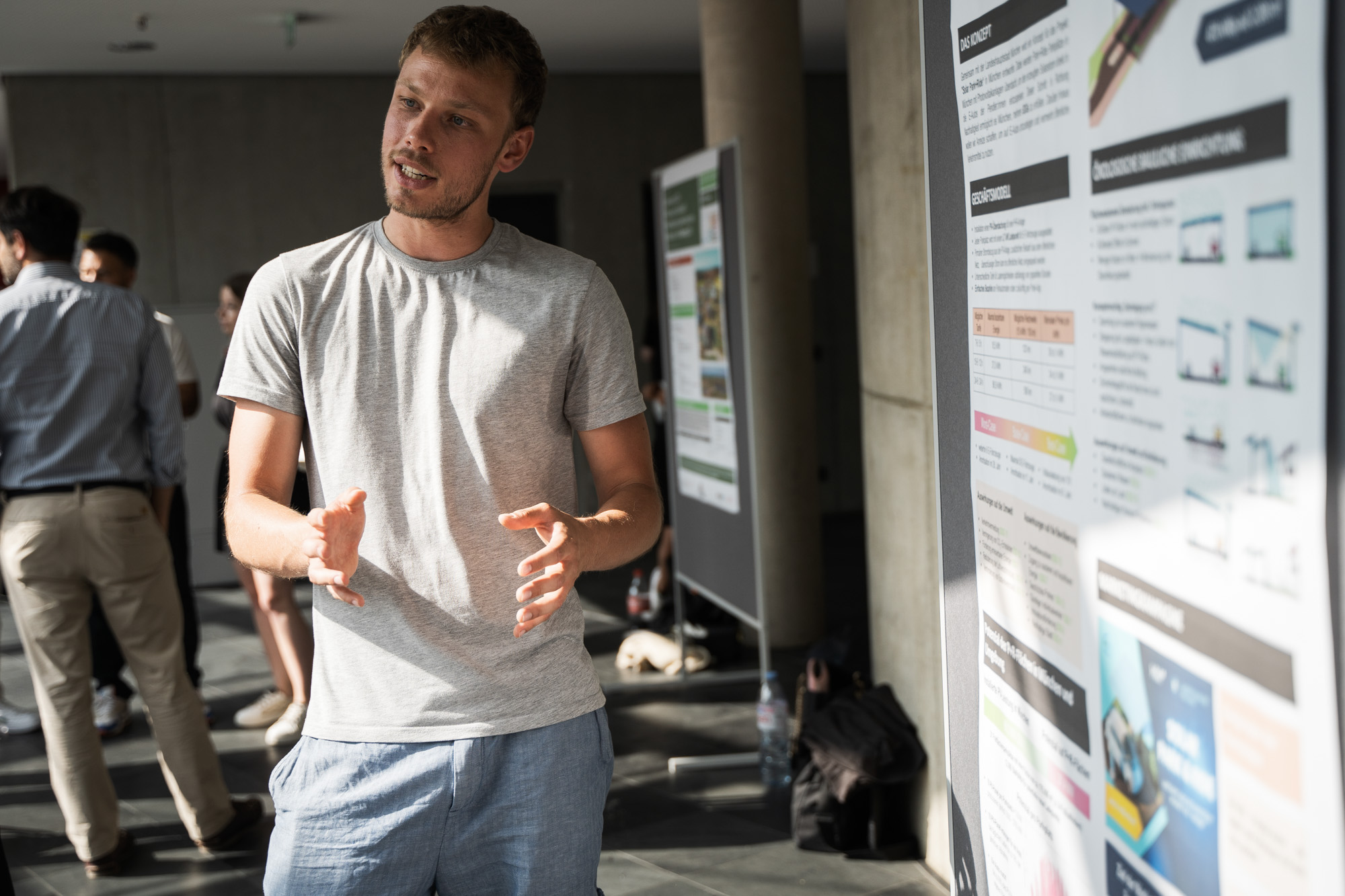
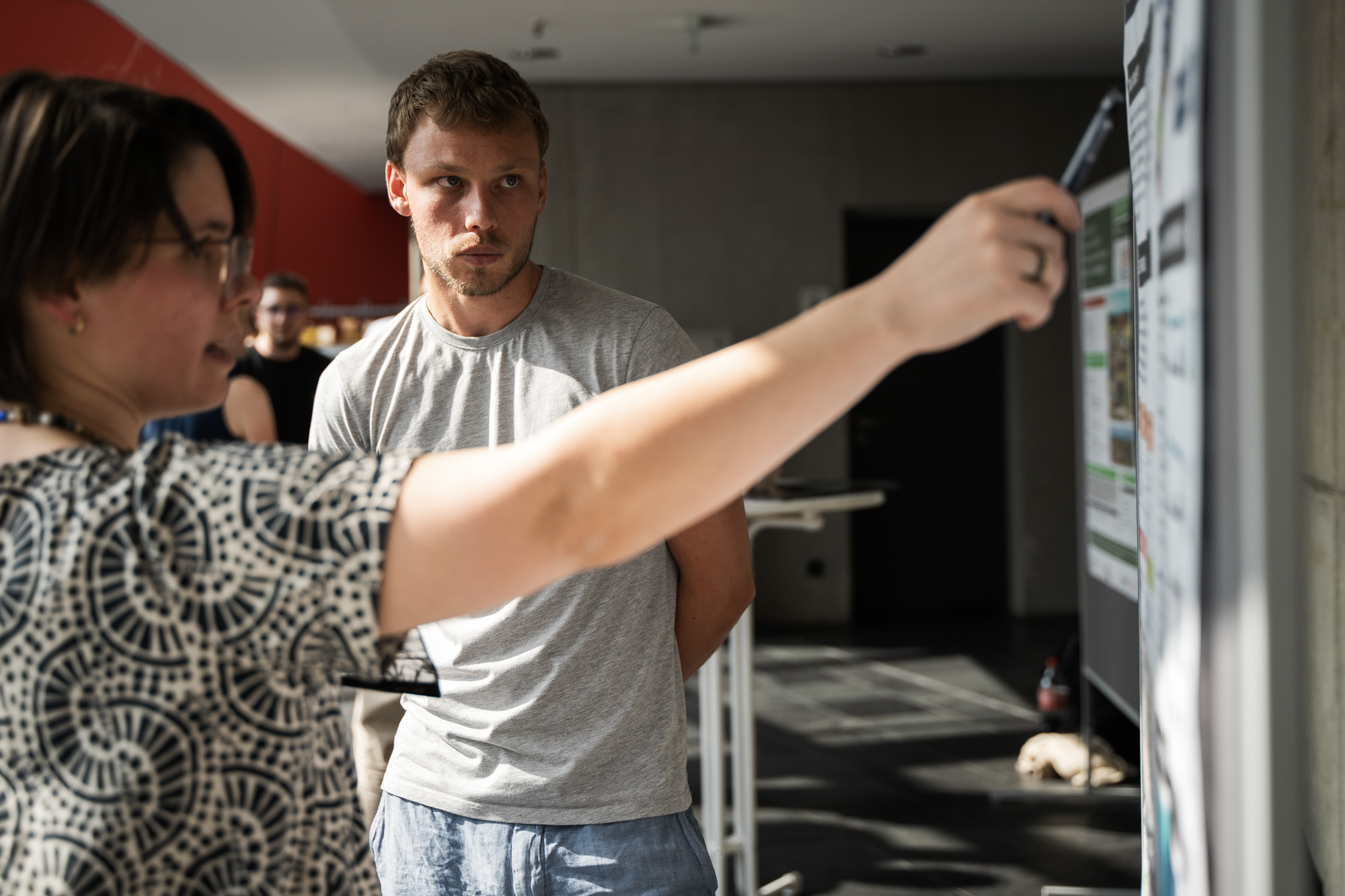
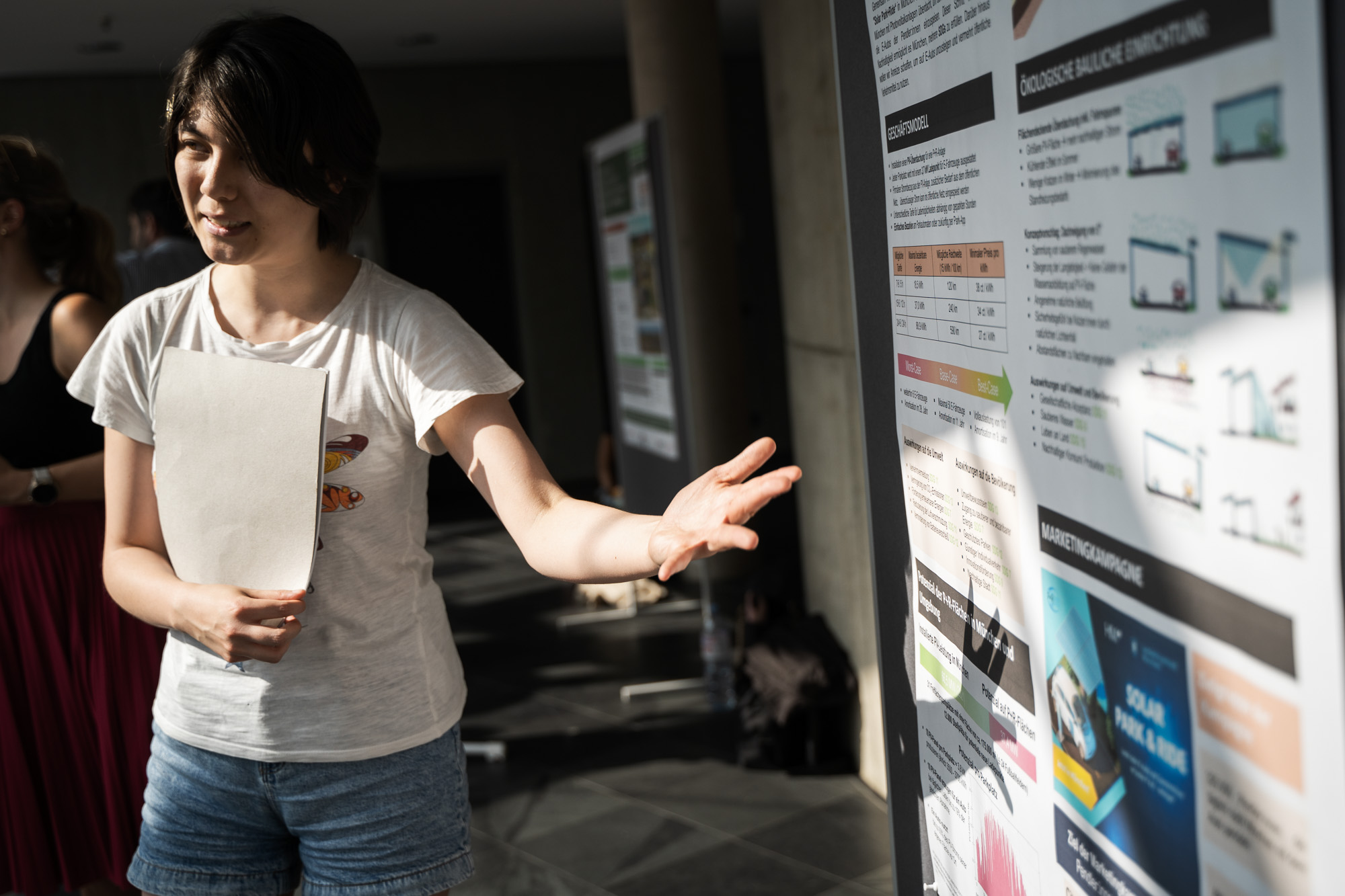
Regina Kirchlechner (pictured right), a civil engineering student, proposed fitting Park&Ride car parks with photovoltaic systems to enable electric cars to be charged whilst parked. Together with fellow students Peter Essendorfer, Yasmin Müller and Petra Stallmacher, the students worked with the City of Munich to develop a concept for the “Solar Park+Ride” project in Munich-Daglfing. The plan is to cover Park&Ride car parks with photovoltaic systems and feed the solar power generated directly into commuters’ electric cars.
This step towards sustainability would enable the City of Munich to meet several SDGs. In addition, incentives are to be created to encourage the use of electric cars and public transport. To this end, the students calculated the costs and the price of electricity and developed a marketing strategy. The concept has been submitted to the City of Munich for review of legal and operational issues.

From combustion-engine boats to electric boats
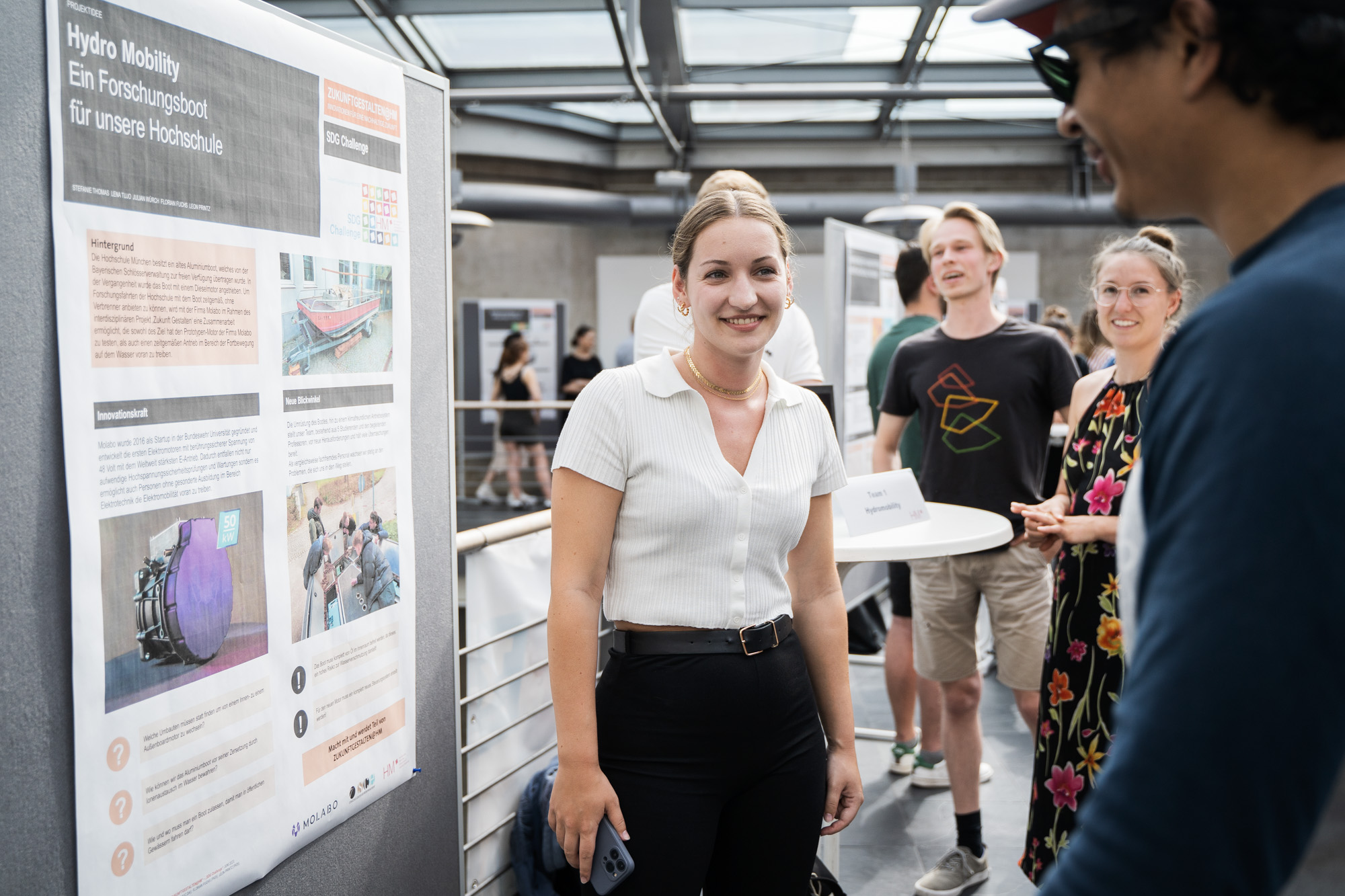
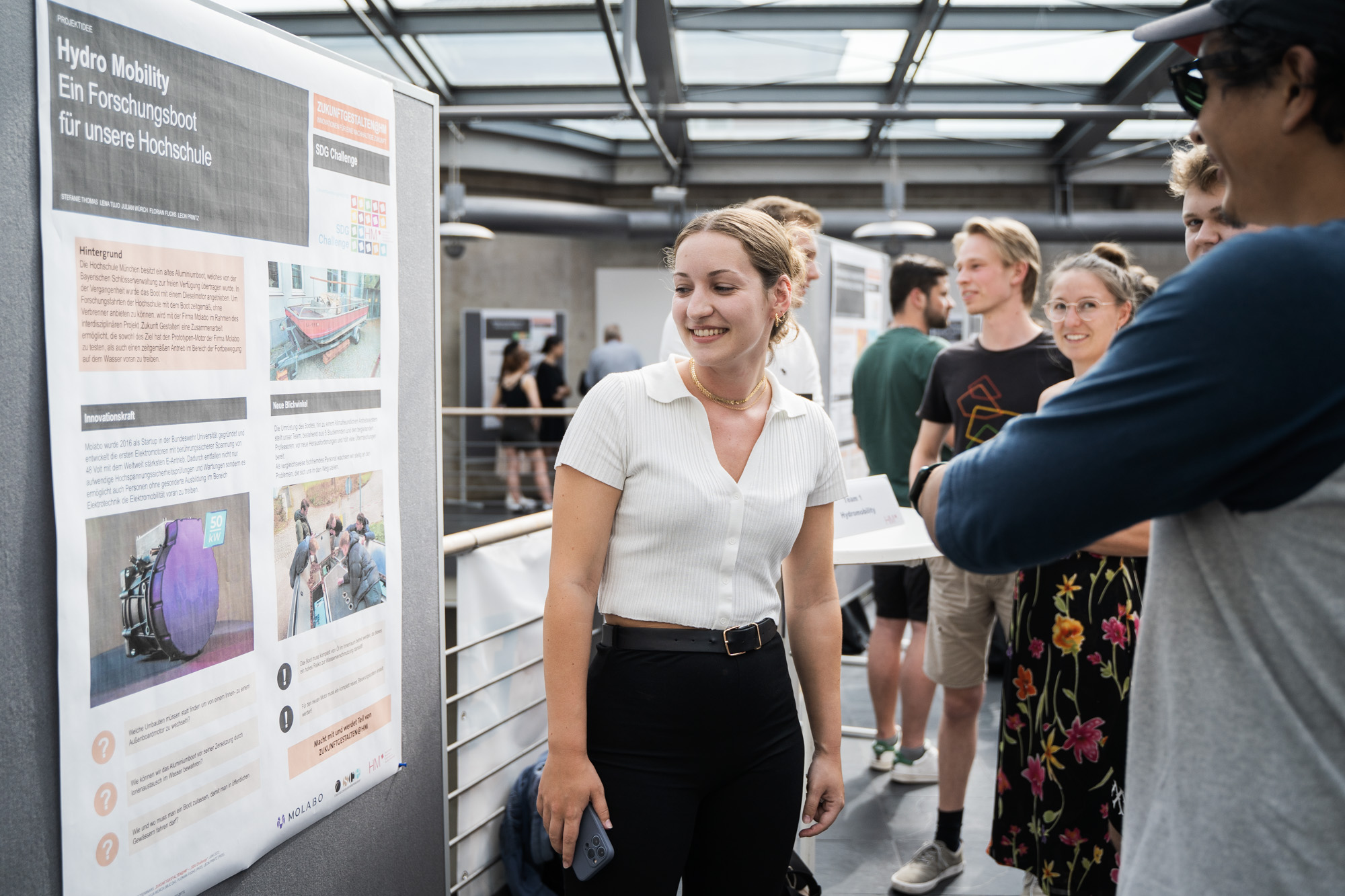
The Hochschule München’s research boat was another topic covered by the SDG Challenge on which students worked. In the past, the boat was powered by a diesel engine. In order to enable the university to offer research trips on the boat without a combustion engine, a prototype electric motor from Molabo is being tested. The aim is to further develop a modern propulsion system for waterborne transport.
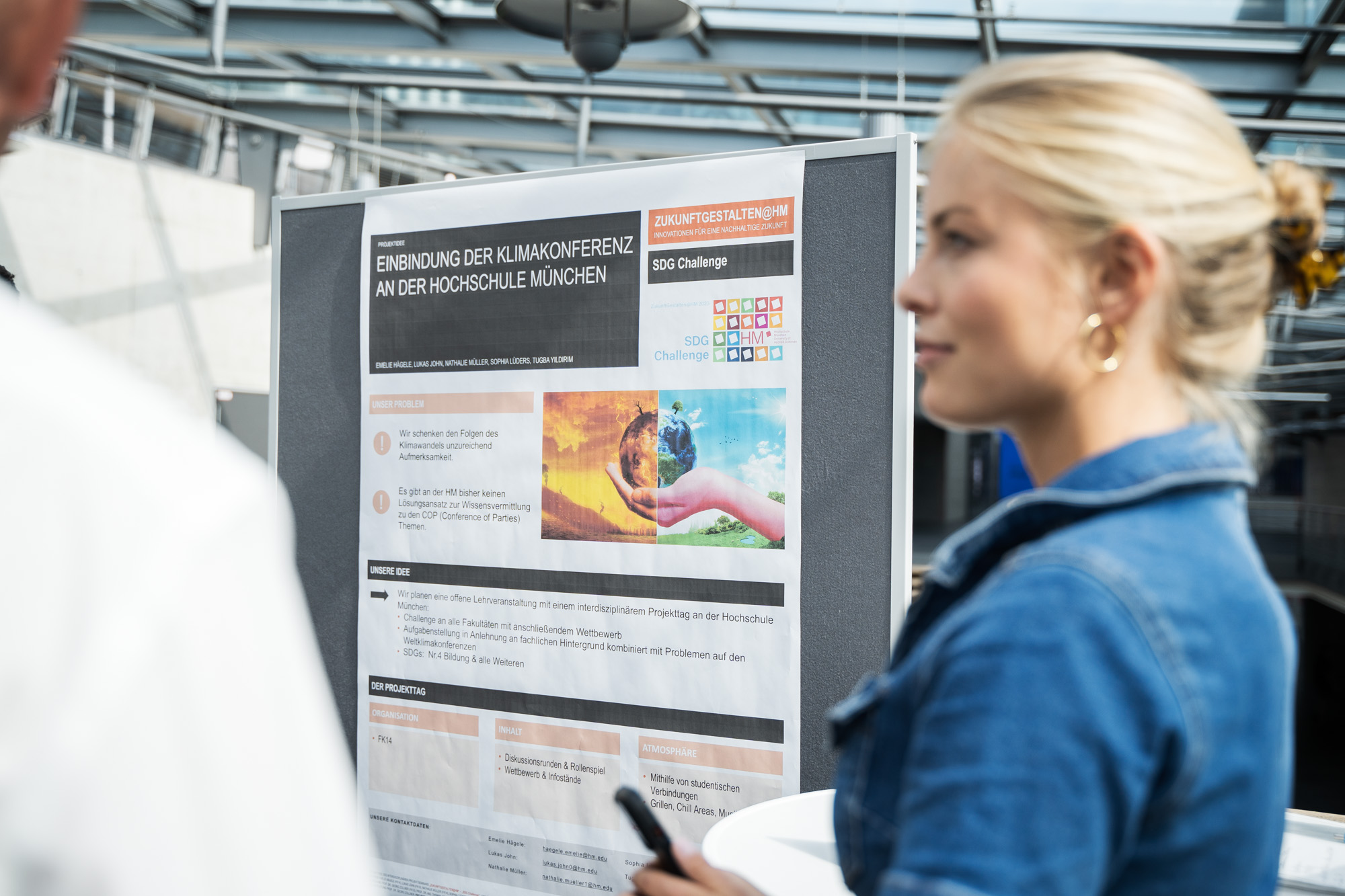
HM goes COP
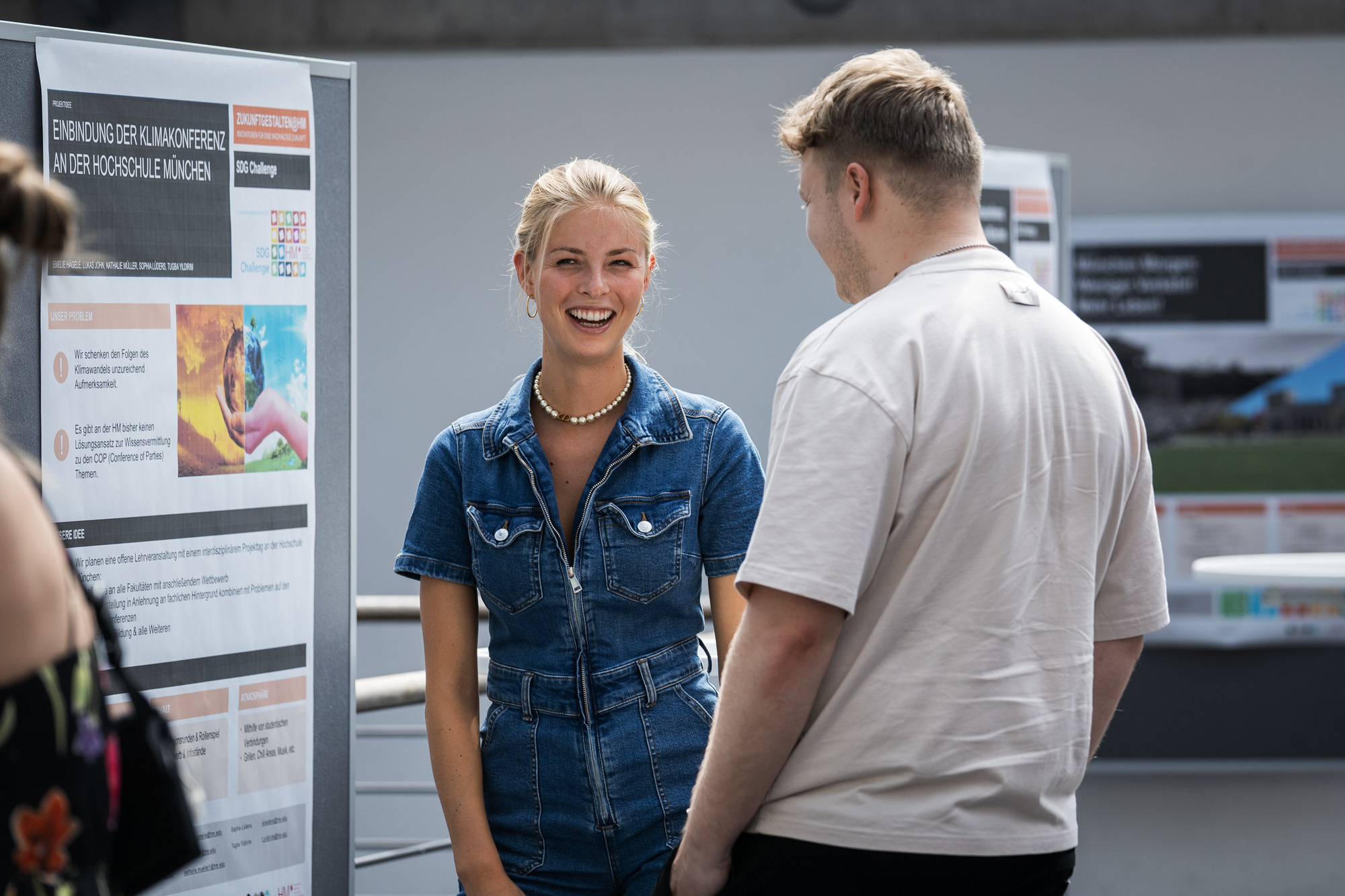
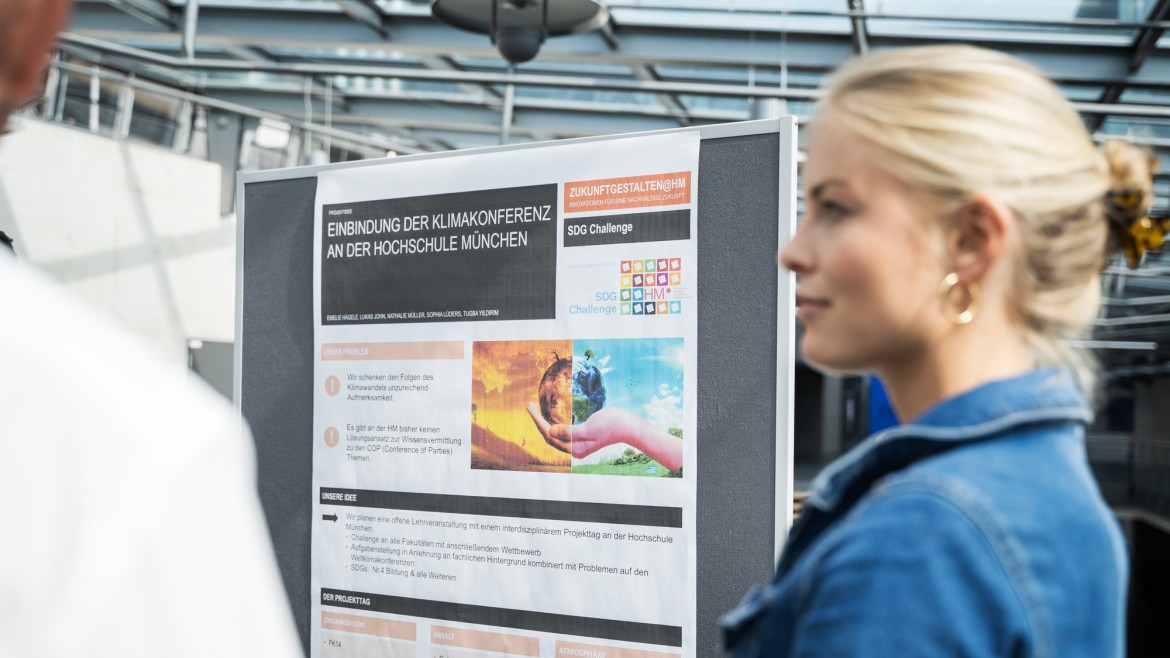
In collaboration with Hochschule München – which holds observer status at the United Nations Climate Change Conference (Conference of the Parties, COP) and took part in the event in Egypt for the first time in 2022 – the focus was on how to better integrate the conference’s recommendations into the university. The aim is to ensure the long-term promotion of sustainable approaches amongst students, staff members and society at large.

Rethinking urban streets
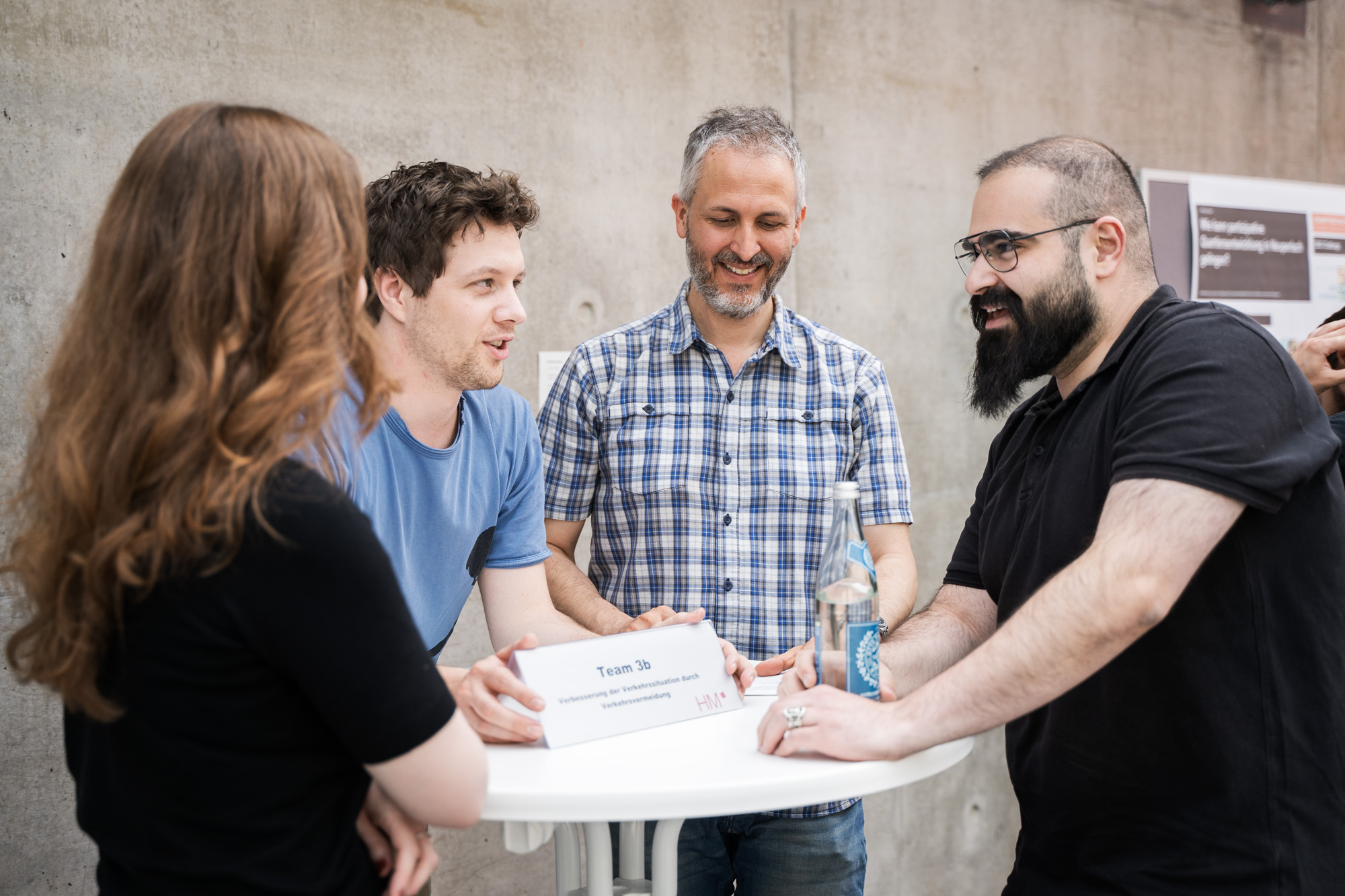
The project partner, Europäische Metropolregion München e. V., set itself and the students the task of exploring how to reduce private car use in the Munich metropolitan region. To this end, concepts and ideas were developed, such as a zoning system that also outlines parking options at different times of day. Ideas such as a city toll or the creation of parking shortages were also discussed. The aim of the concepts was to reduce congestion costs, land sealing and CO₂ emissions, and to facilitate land-use conversion, green spaces and cycle paths.
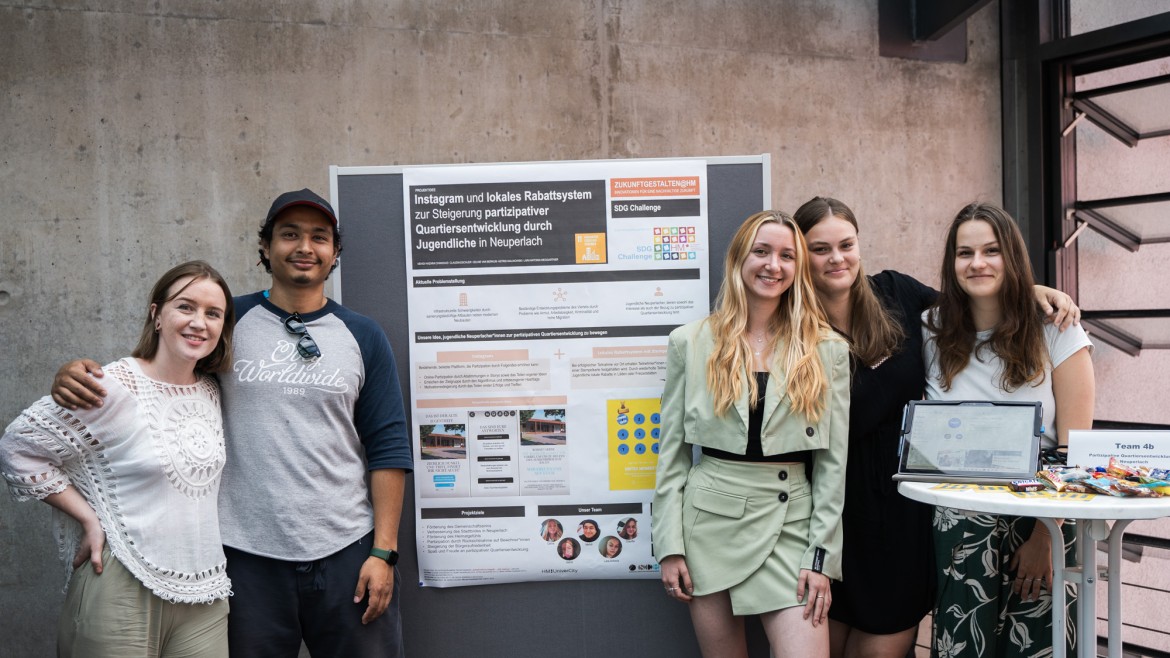
Helping to shape life in the neighbourhood
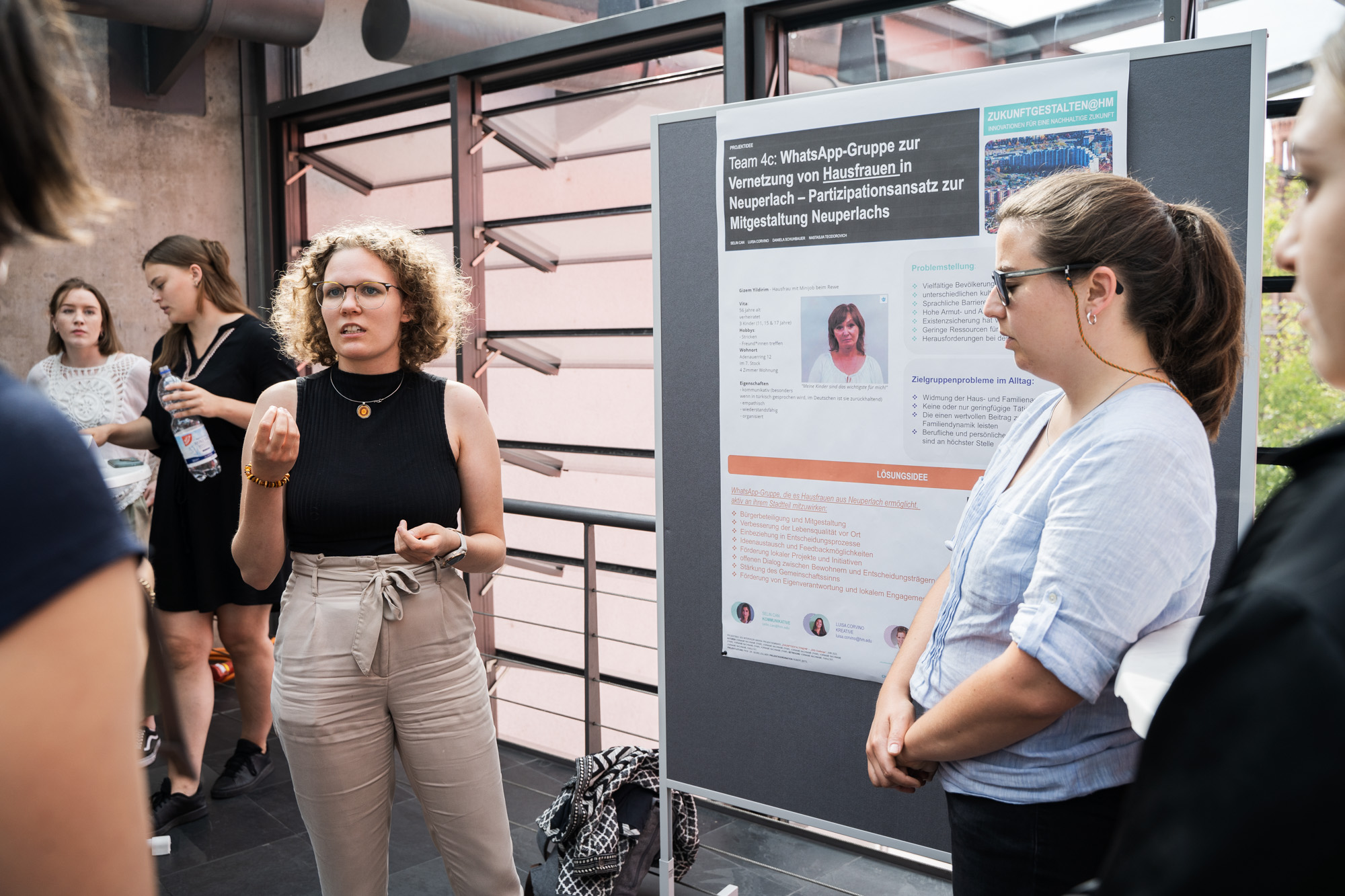
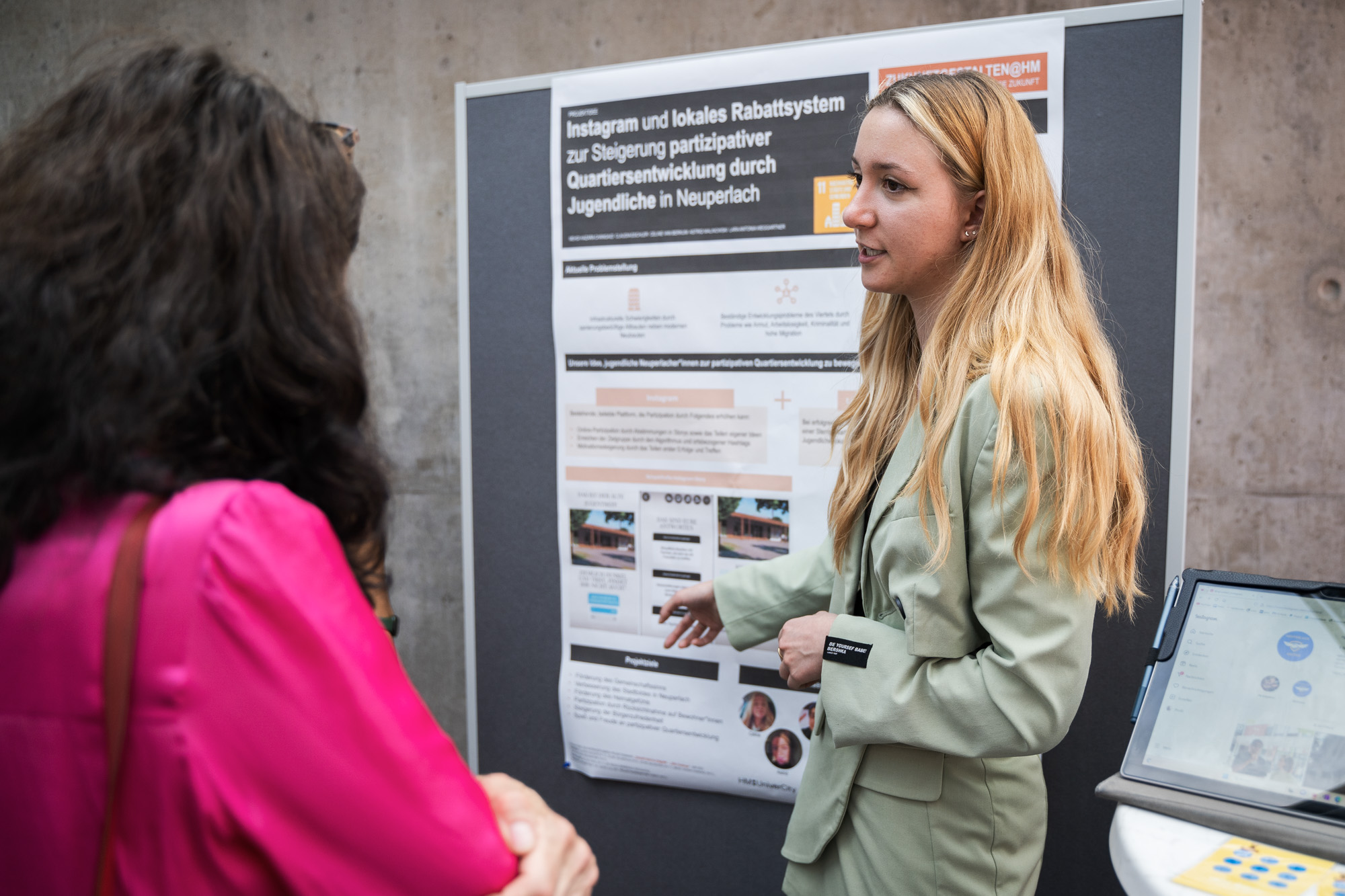
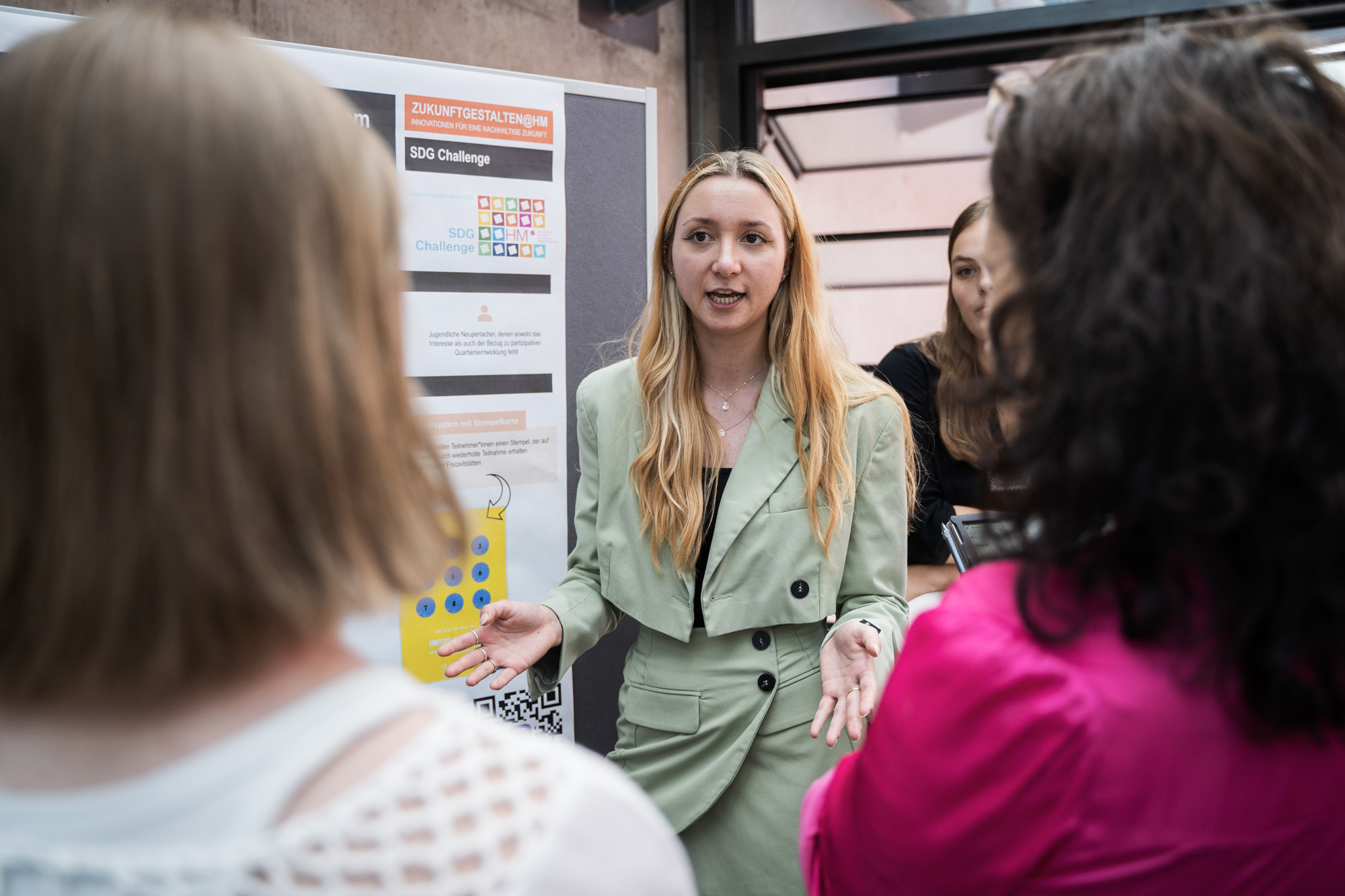
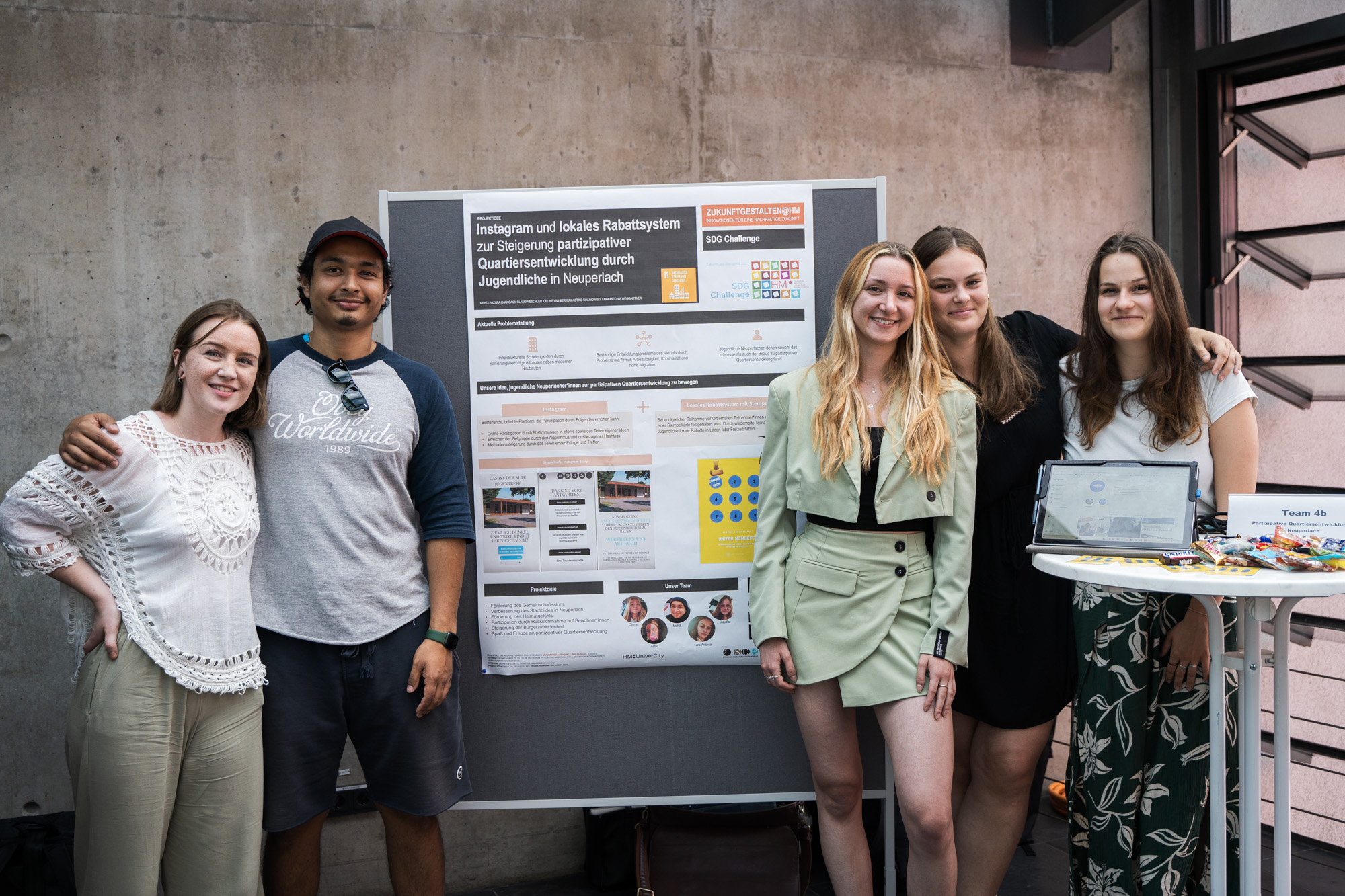
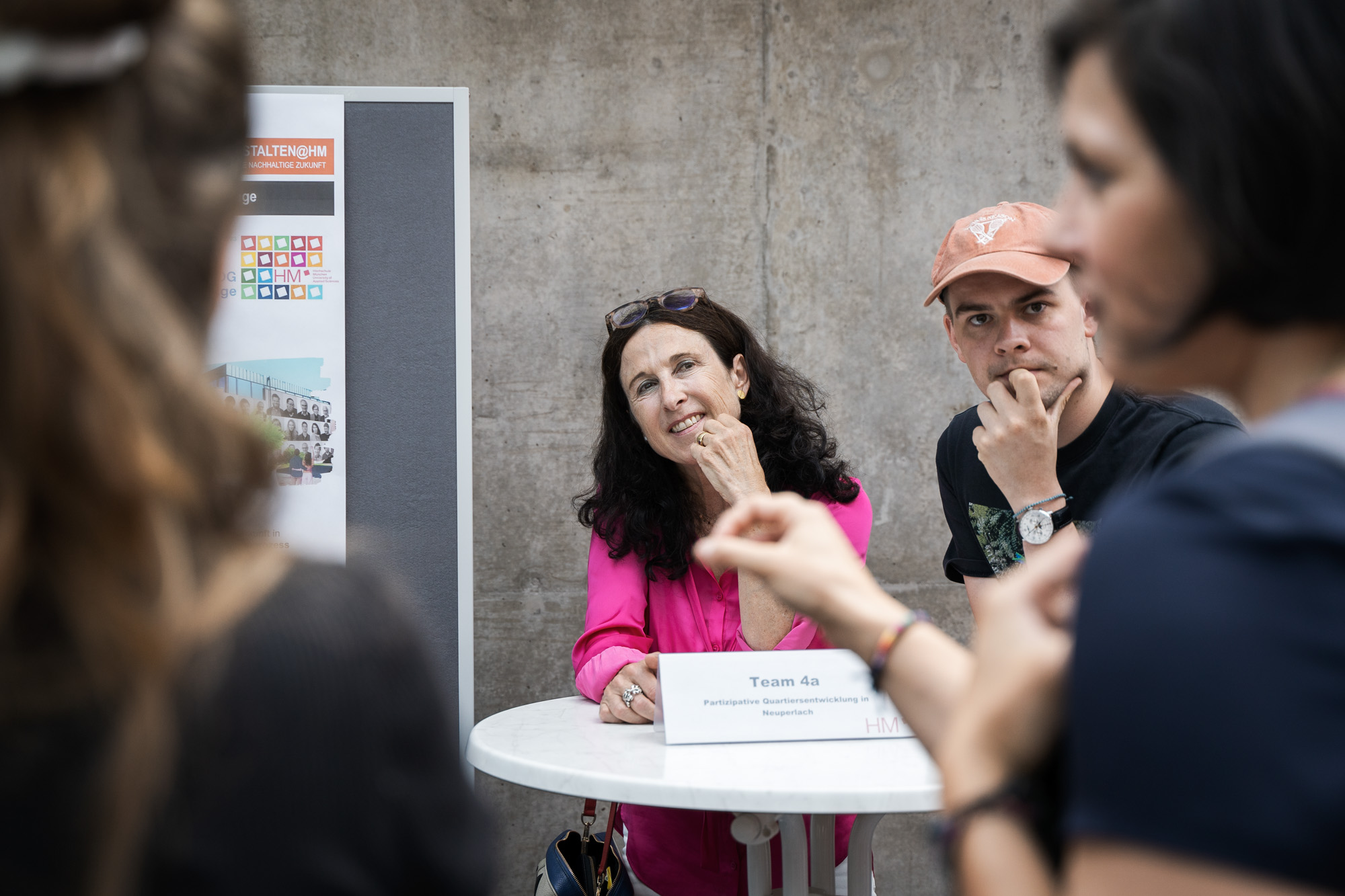
How can participatory neighbourhood development succeed in Munich-Neuperlach? The students explored this question together with M:UniverCity. The NEBourhoods initiative is hardly known in Neuperlach and has met with little interest from local representatives, which is hindering participation in neighbourhood development. Discussions with local schools gave rise to the idea of setting up a pupils’ working group. The aim is to actively involve the pupils in the planning, implementation and evaluation of urban development projects in Neuperlach.
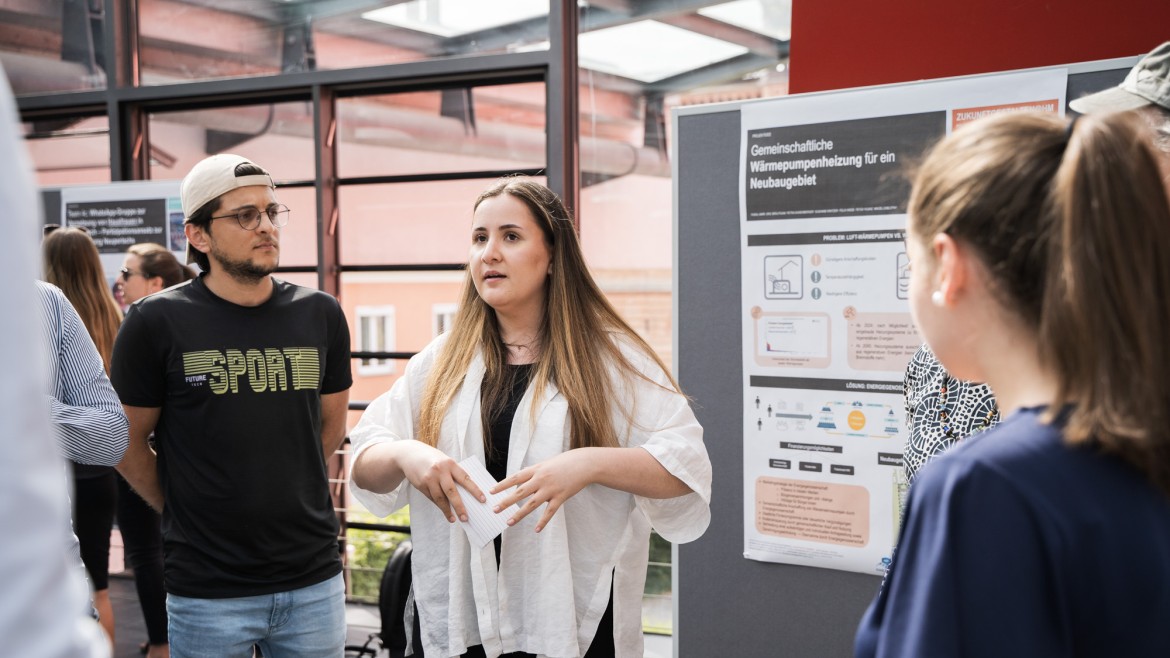
Implementing a heating and energy co-operative
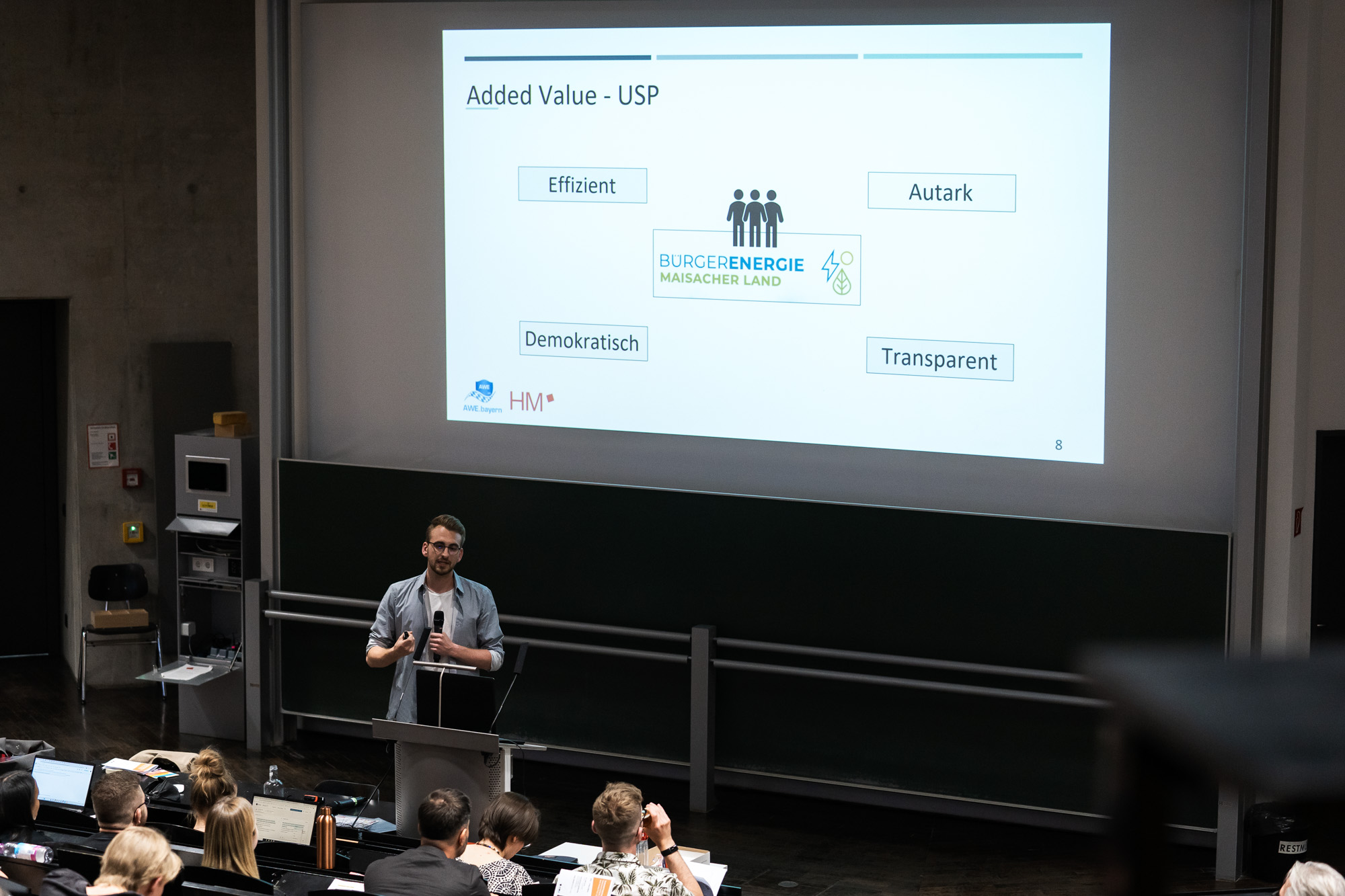
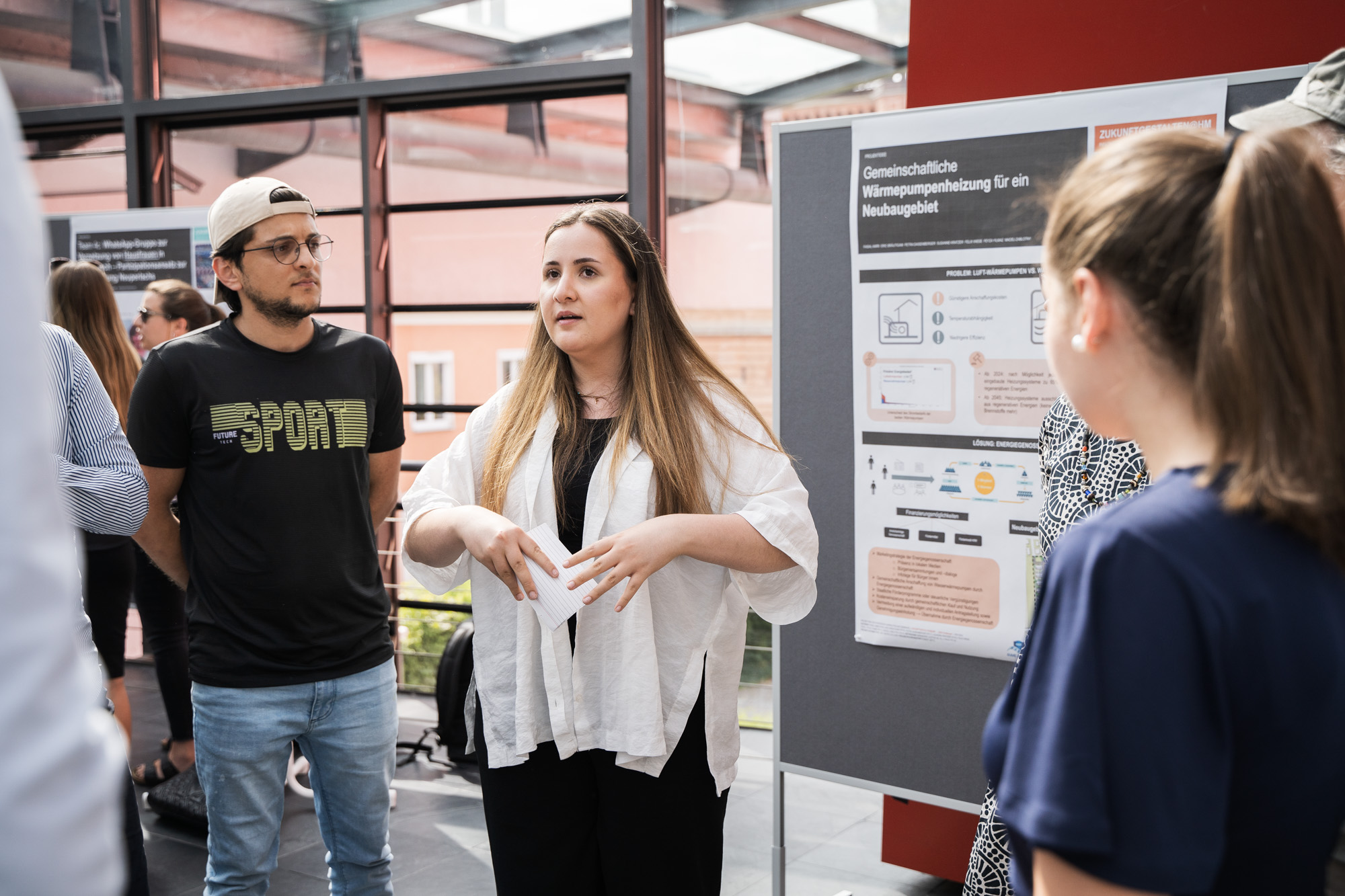
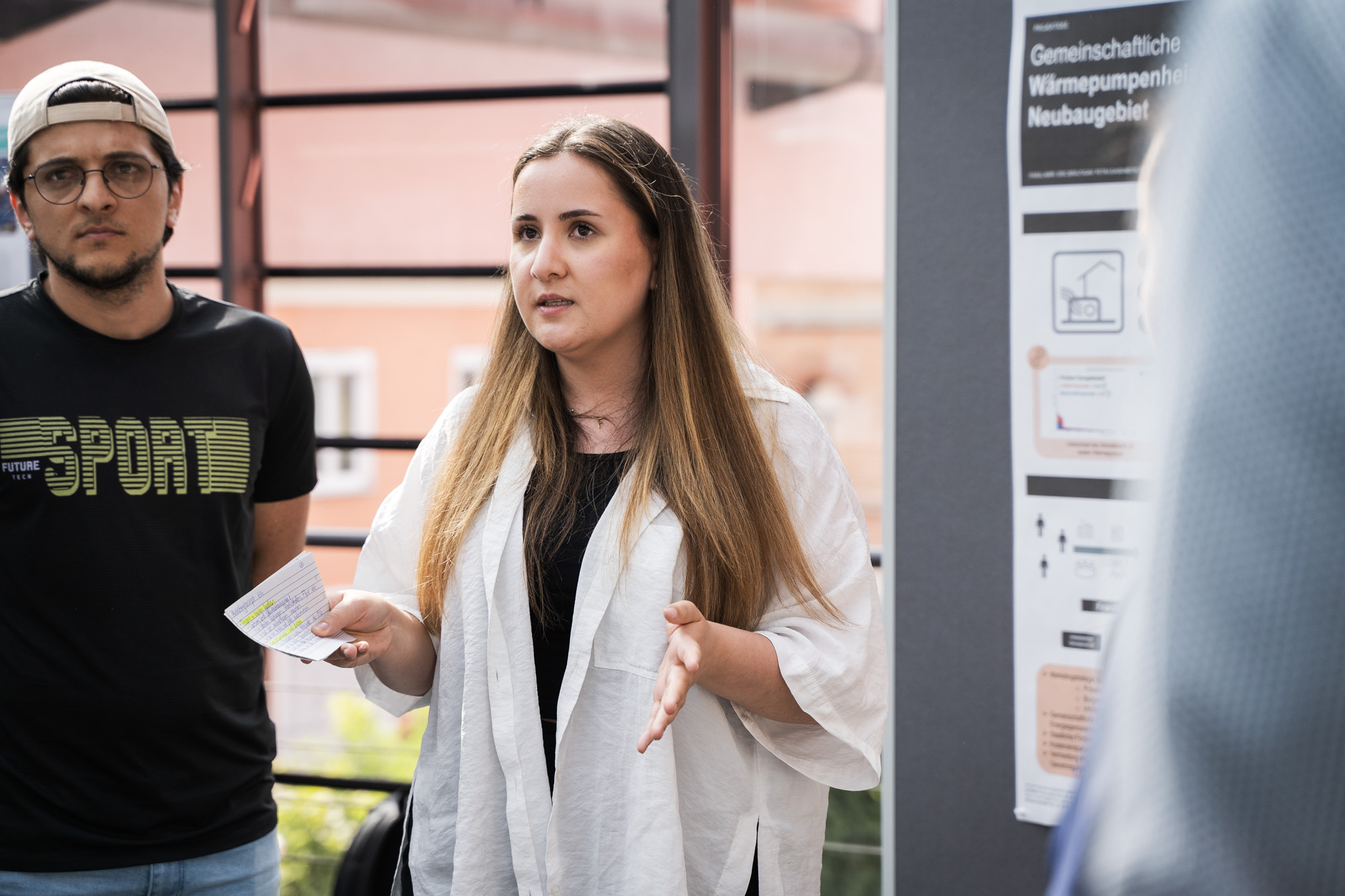
In collaboration with ALTERNATIVE WÄRME ENERGIE AG, the students examined the challenge of organising community heat pump projects in a new-build development. To this end, the students compared the advantages and disadvantages of air-source heat pumps with those of water-source heat pumps and drew up a cost breakdown for the coming years. By exploring the possibility of setting up an energy co-operative, the students were able to outline financing options and apply them to the new housing development in Maisach.
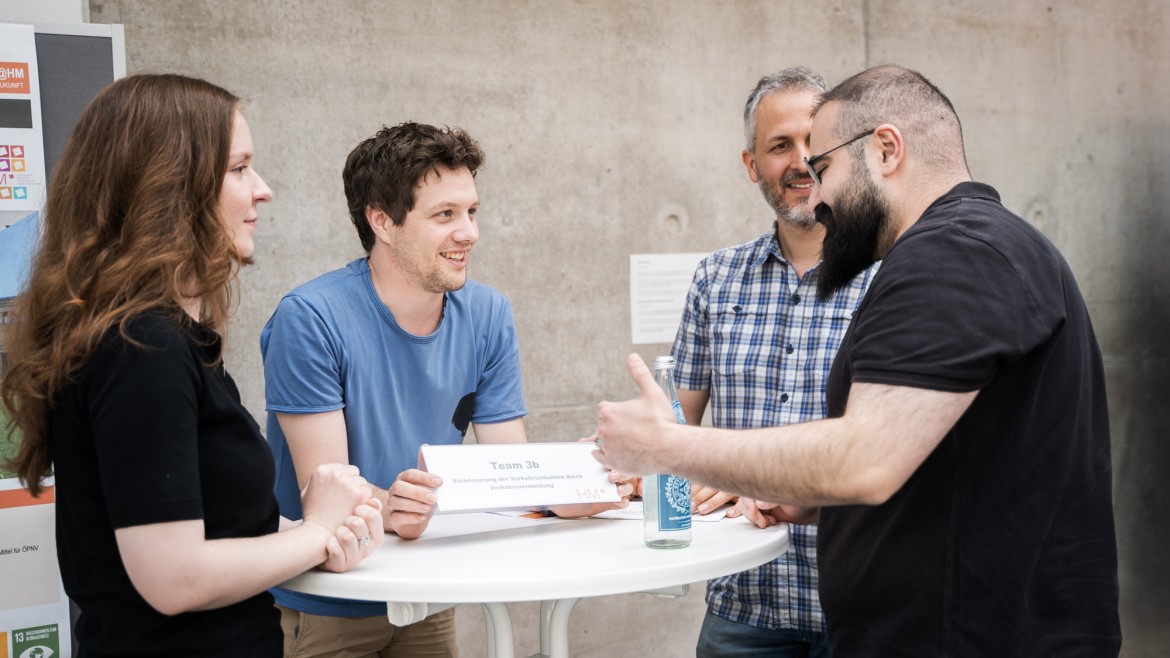
Housing concepts for sustainable local authorities
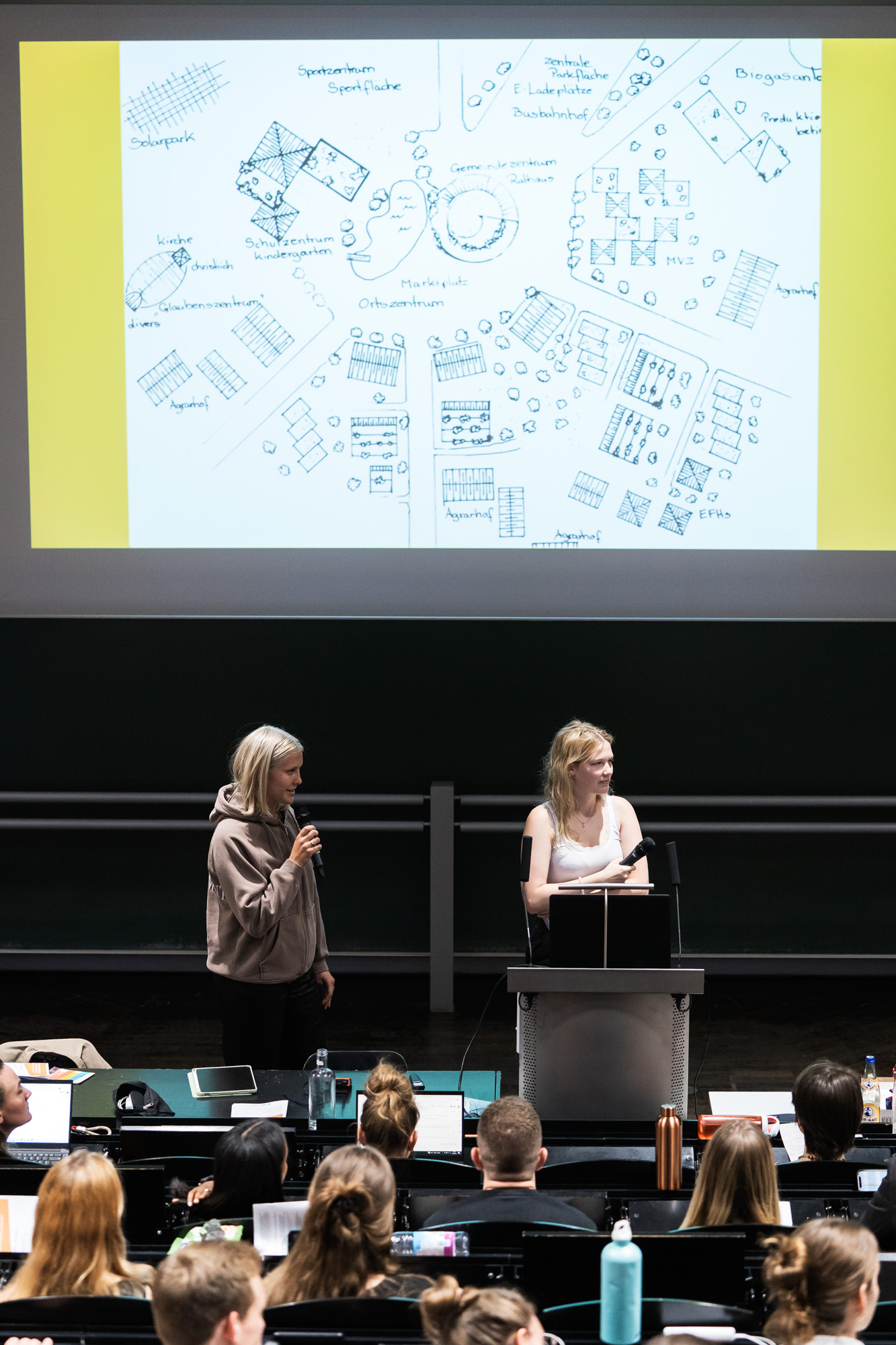
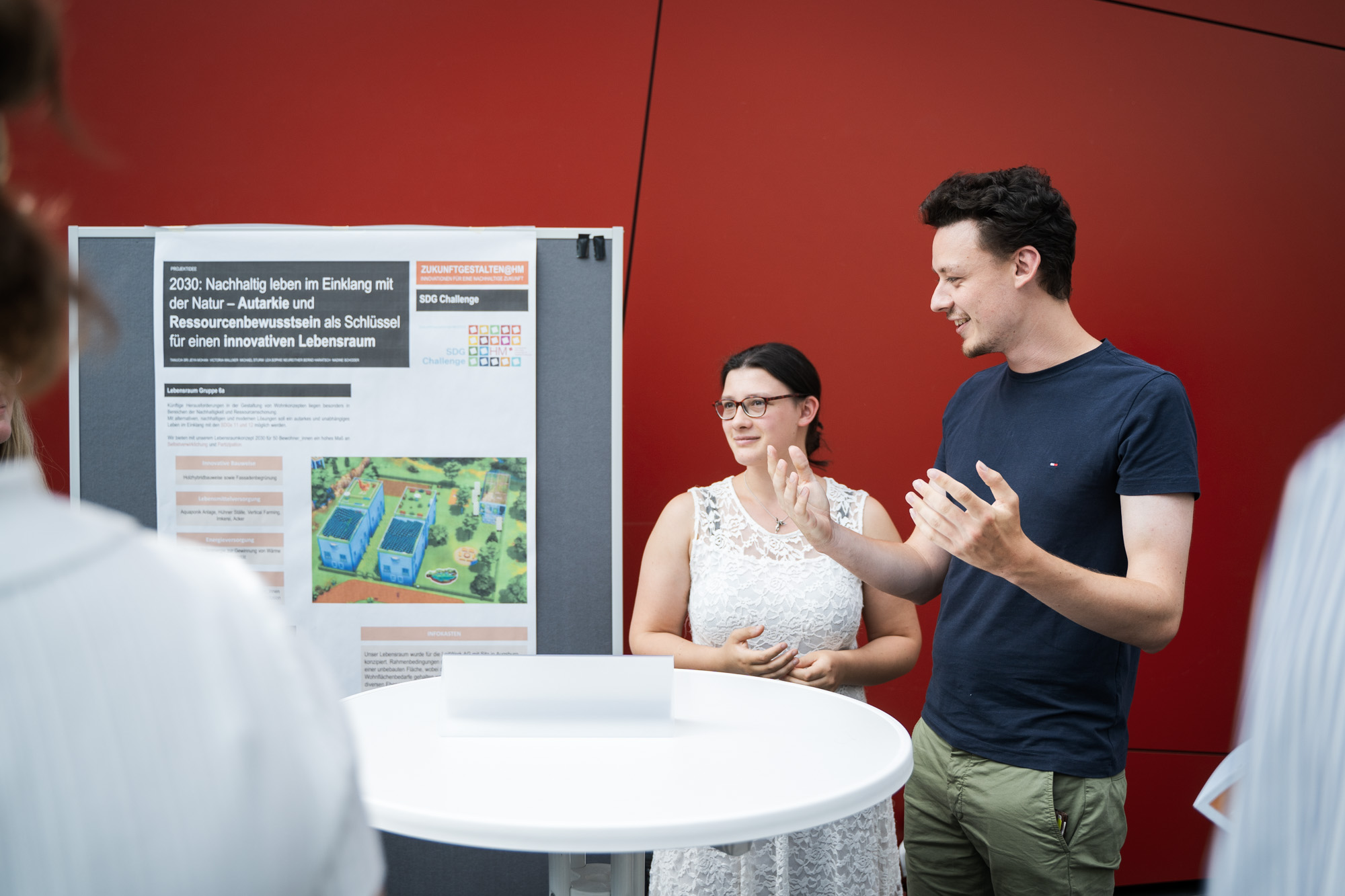
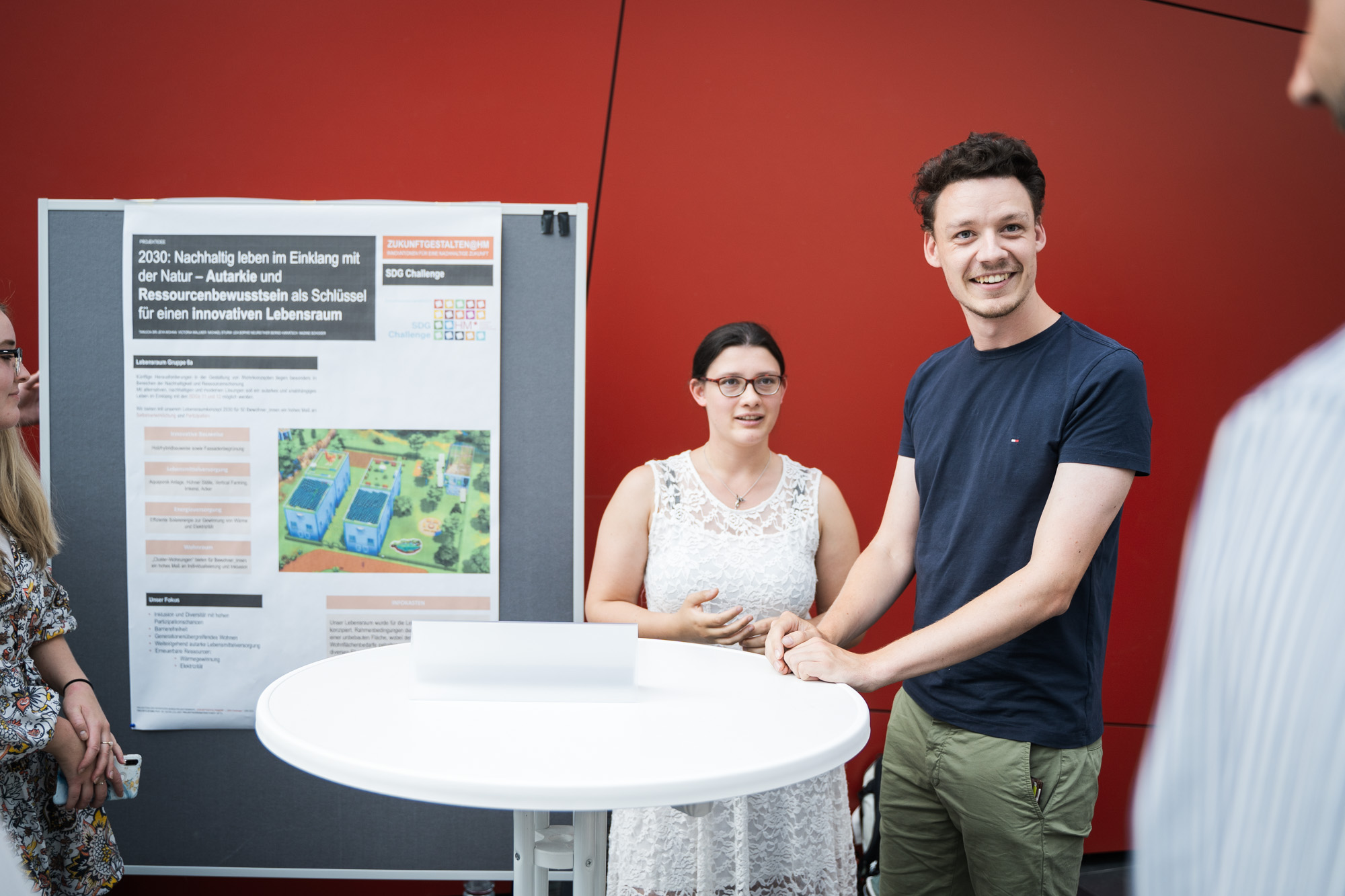
In collaboration with LeitWerk AG, the students explored ideas for new living spaces. They developed various concepts that took into account the challenges of climate protection, land use and resource conservation when designing housing schemes. This gave rise to the idea of a self-sufficient communal living arrangement, in which food supply, energy supply and living space would be ensured through innovative construction methods. In addition, concepts were drawn up for an energy park designed to provide energy for 100 residents of a housing estate.
This year’s practice partners & challenge organisers
ALTERNATIVE WÄRME ENERGIE AG
How can community-based heat pump projects be organised in a new housing development, utilising efficient heat pumps with geothermal heat sources?
European Metropolitan Region of Munich e.V.
Developing solutions to improve the traffic situation in the Munich Metropolitan Region through traffic avoidance
Hochschule München: How can the UNFCCC World Climate Conference, COP28, be integrated into the university?
Leitwerk AG
How can sustainable management (circular construction, renewable energy supply, self-sufficient food supply) be ensured in Bavaria?
MOLABO GmbH
: Conversion of a development vessel for maritime e-mobility. Fitting of an electric motor to a vessel already in service at HM.
HM:University
Creating NEBourhoods Together: How can participatory neighbourhood development succeed?