Final project results: ZukunftGestalten@HM
2025: Climate Change & Climate Adaptation
The cross-faculty teaching project “ZukunftGestalten@HM” is focusing on the topic of climate change and climate adaptation this summer semester of 2025.
“The 1.5-degree threshold was exceeded for the first time in 2024.” This was the message in various reports at the start of the year. The climate change long predicted by scientists has presumably been underway for some time now. There is a growing need not only for measures to mitigate climate change, but also for adaptation. The “ZukunftGestalten” course in the 2025 summer semester will address the challenges associated with this. Working in interdisciplinary teams, students will tackle real-world project questions provided by practice partners. Everything will be covered, from technical solutions to social strategies for increasing the resilience of communities. Examples of such questions might include: 1. How can urban infrastructure be modified to better cope with extreme weather events whilst safeguarding residents’ quality of life? 2. Which technological innovations can help mitigate the impacts of climate change in specific contexts? 3. Where and how must business models change to take account of the altered conditions? Through its practically-oriented approach, this course not only promotes an understanding of the complex challenges posed by climate change, but also empowers participants to develop and implement concrete adaptation measures. The project outcomes are intended to contribute to global, regional and local discussions and provide concrete impetus.
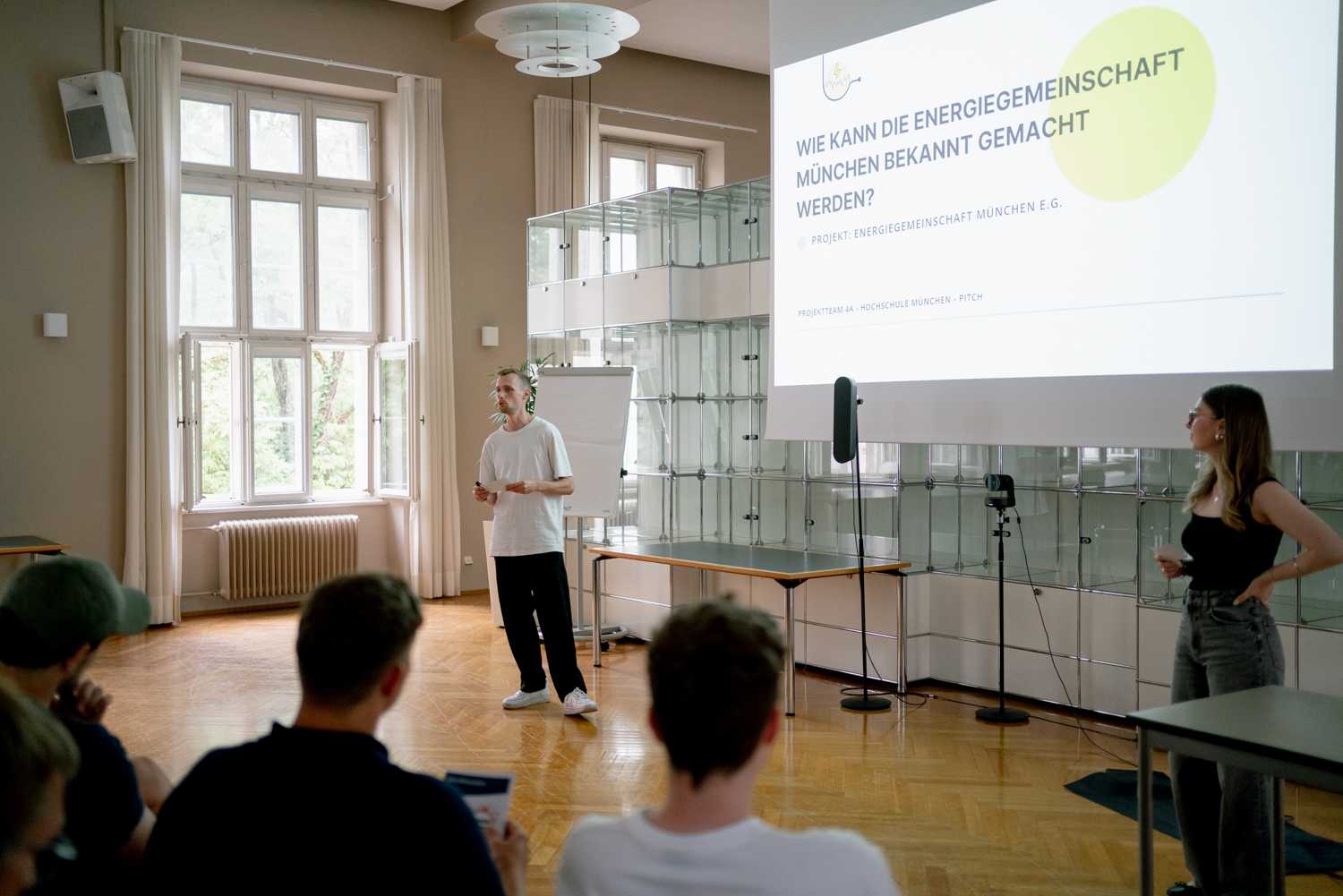
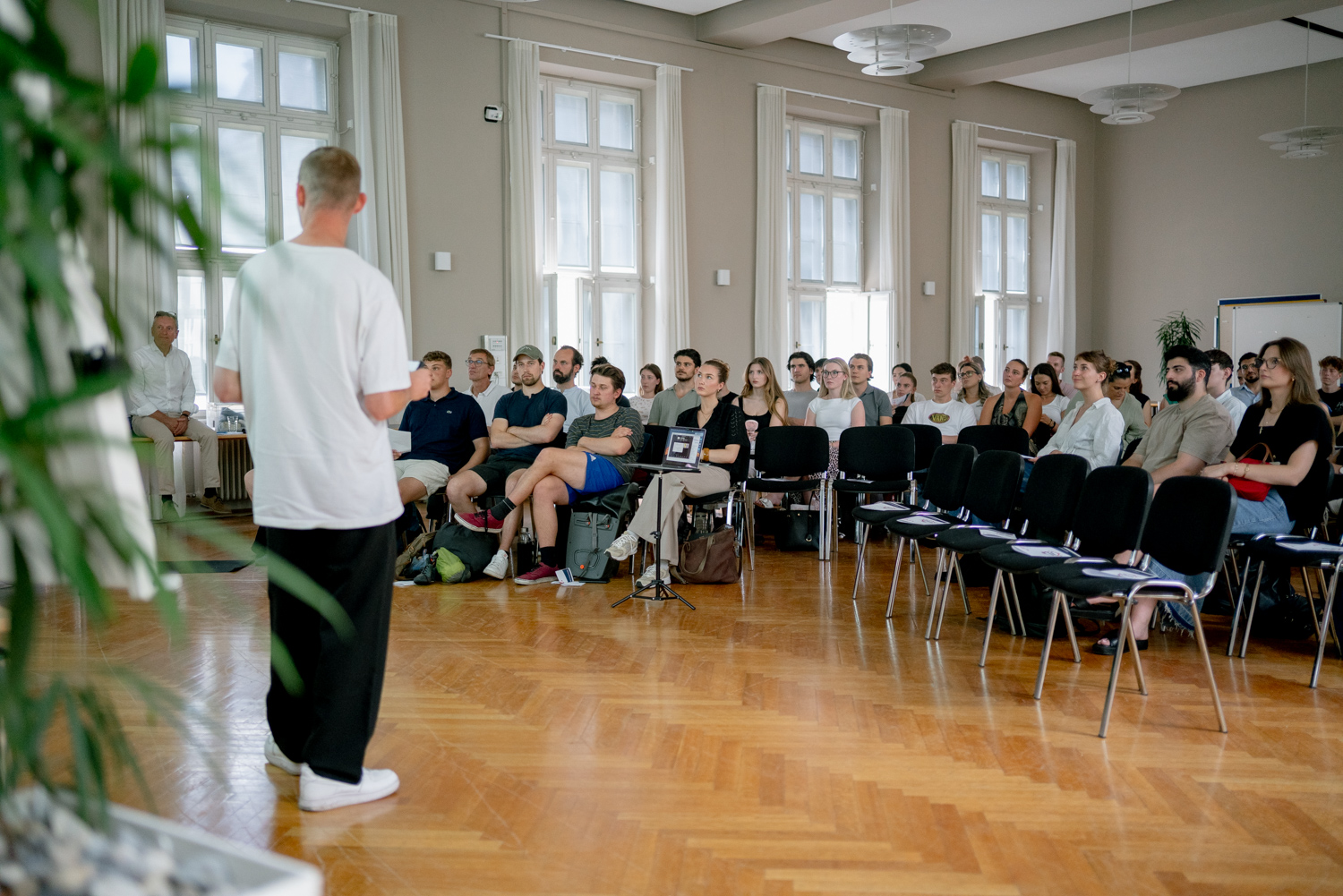
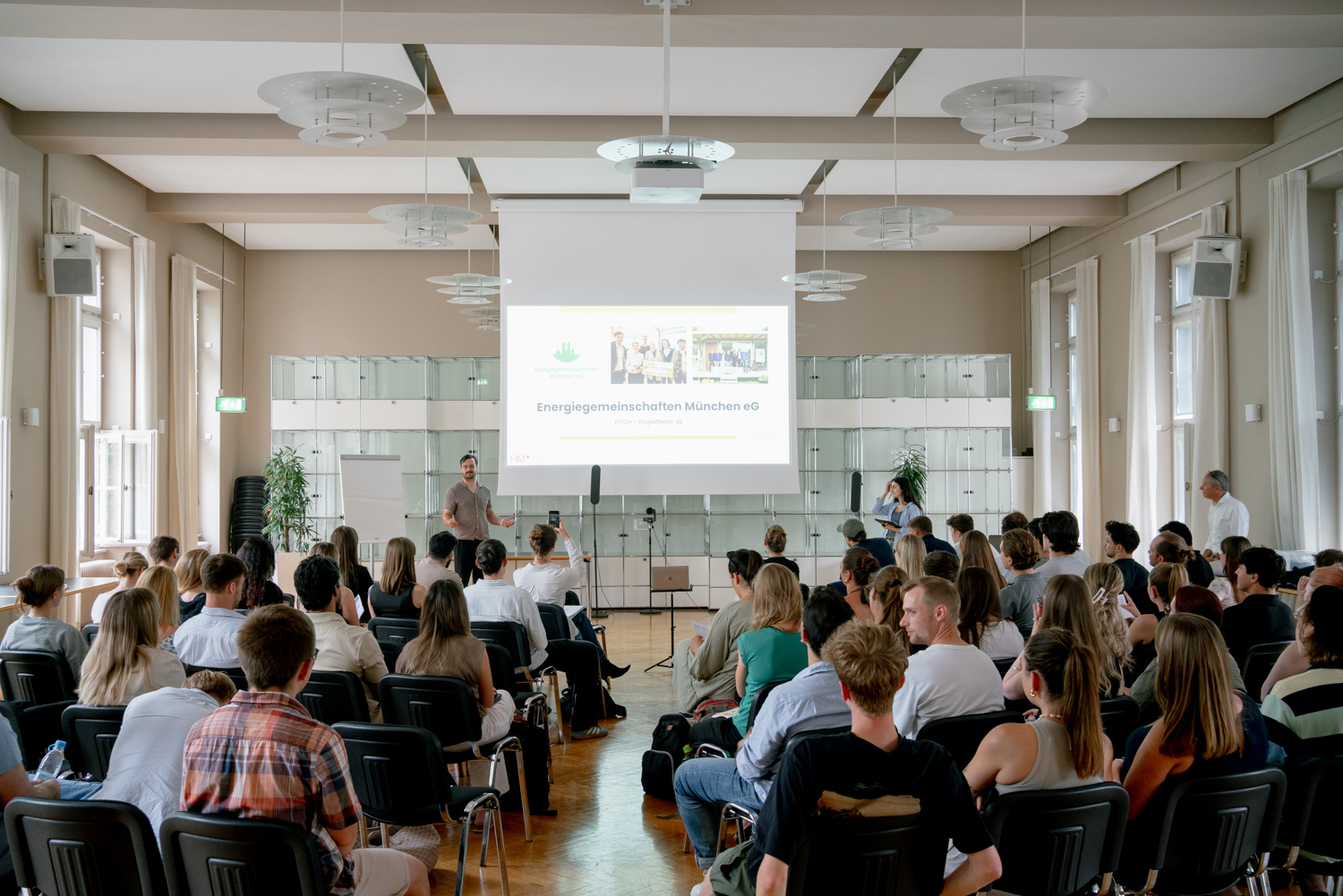
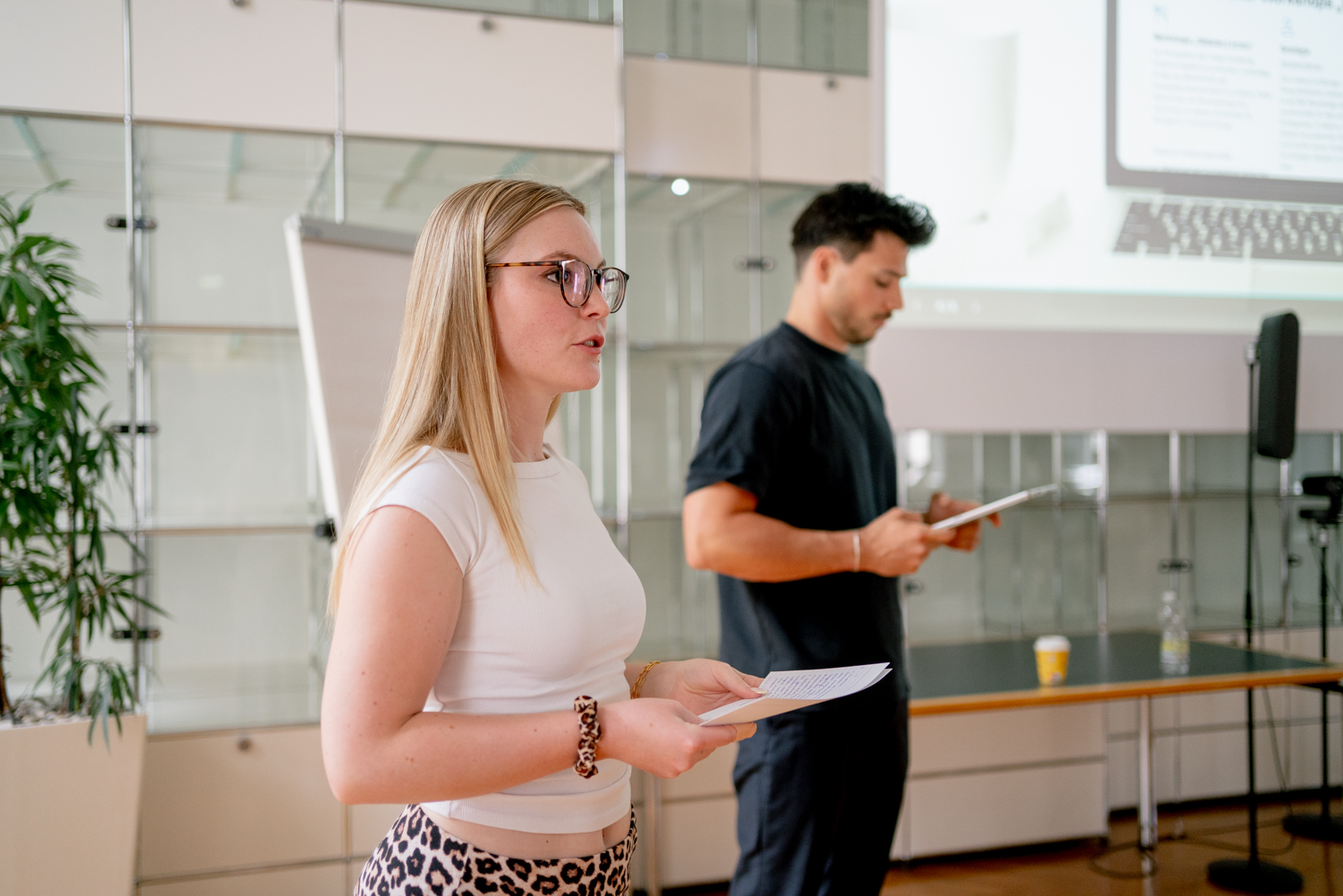
On 26 June 25, the final presentations of the participating students’ project work took place. The teams first presented their projects in a pitch to fellow students, Professors, practice partners and other guests. The short pitches were followed by a comprehensive presentation.
Several groups developed innovative solutions to promote Bildung für Nachhaltige Entwicklung (BNE) (Education for Sustainable Development). Among other things, this led to the creation of digital tools and questionnaires that promote transparency, encourage participation and highlight individual learning processes.
Tourist regions were also a key focus. For Garmisch-Partenkirchen and the Ammergau Alps, teams devised new winter and bad-weather activities that work regardless of snow and weather conditions – ranging from digital detox experiences to meaningful social engagement initiatives. The concepts demonstrated how climate-related challenges can be creatively harnessed to shape sustainable tourism.
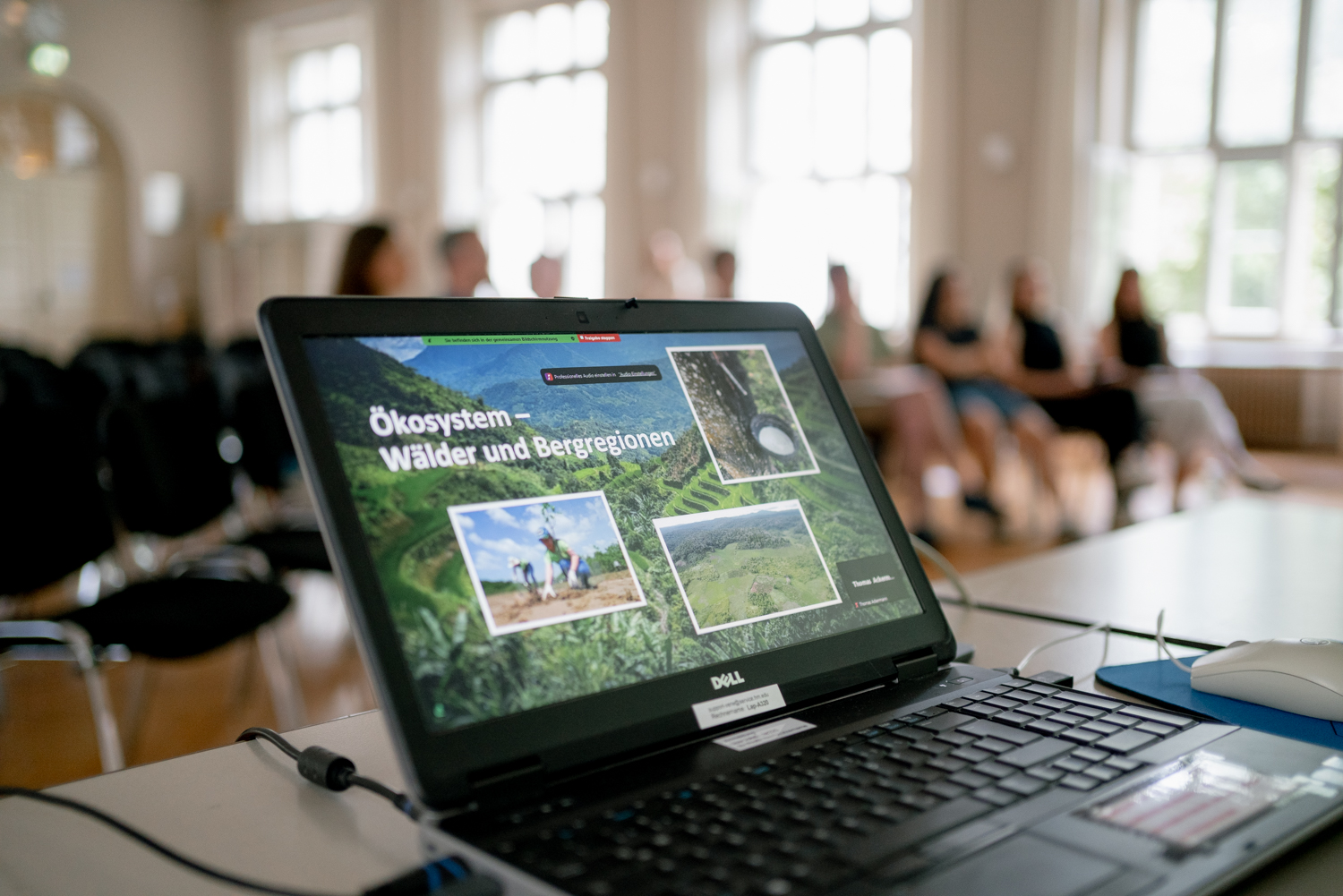
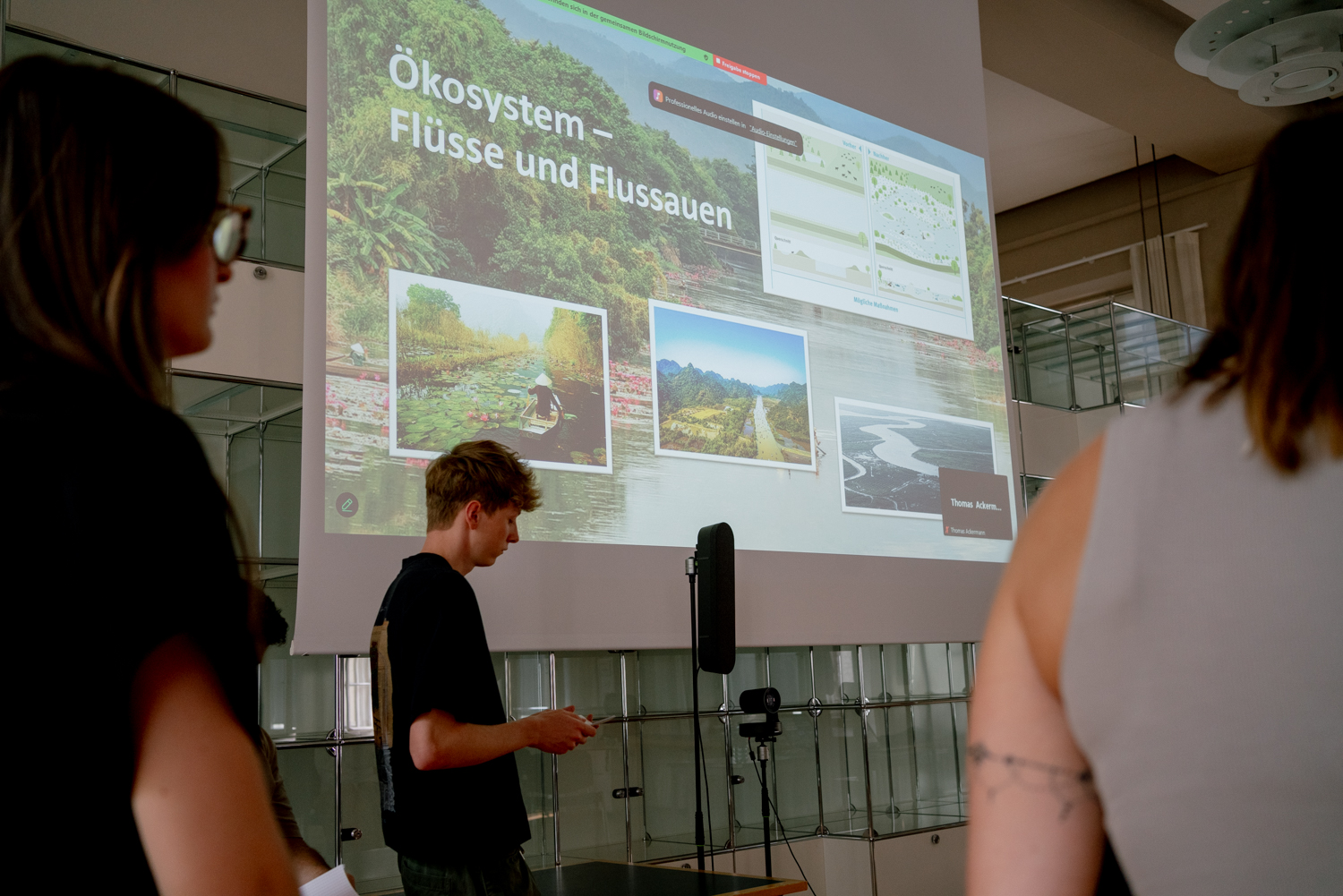
Other groups of staff focused on nature-based solutions for climate adaptation in Vietnam. They highlighted how protecting ecosystems not only strengthens ecological resilience but also promotes social justice – for example, through the targeted involvement of women in local adaptation strategies.
Another highlight was the range of local ideas for the energy transition: using communication strategies that engage citizens on an equal footing, initiatives such as the ‘Energy Café’ and the ‘Solar Bench’ were developed to strengthen sustainable energy communities in Munich.
Practice partners & challenge organisers
Winter tourism of the future
: How should the Ammergau Alps position themselves in winter in future to remain attractive to visitors?
Snow-independent outdoor activities
Concept for an innovative, snow-independent range of outdoor activities for the Garmisch-Partenkirchen destination during periods of unpredictable weather.
People in Munich generate their own
electricity. How can we raise awareness of the Munich Energy Co-operative?
Portal for BNE Monitoring
What might a tool look like that raises awareness of BNE, highlights potential for development and, at the same time, makes BNE activities measurable?
Adaptation to climate change in Vietnam
: The role of nature-based solutions such as ‘ecosystem-based adaptation’.